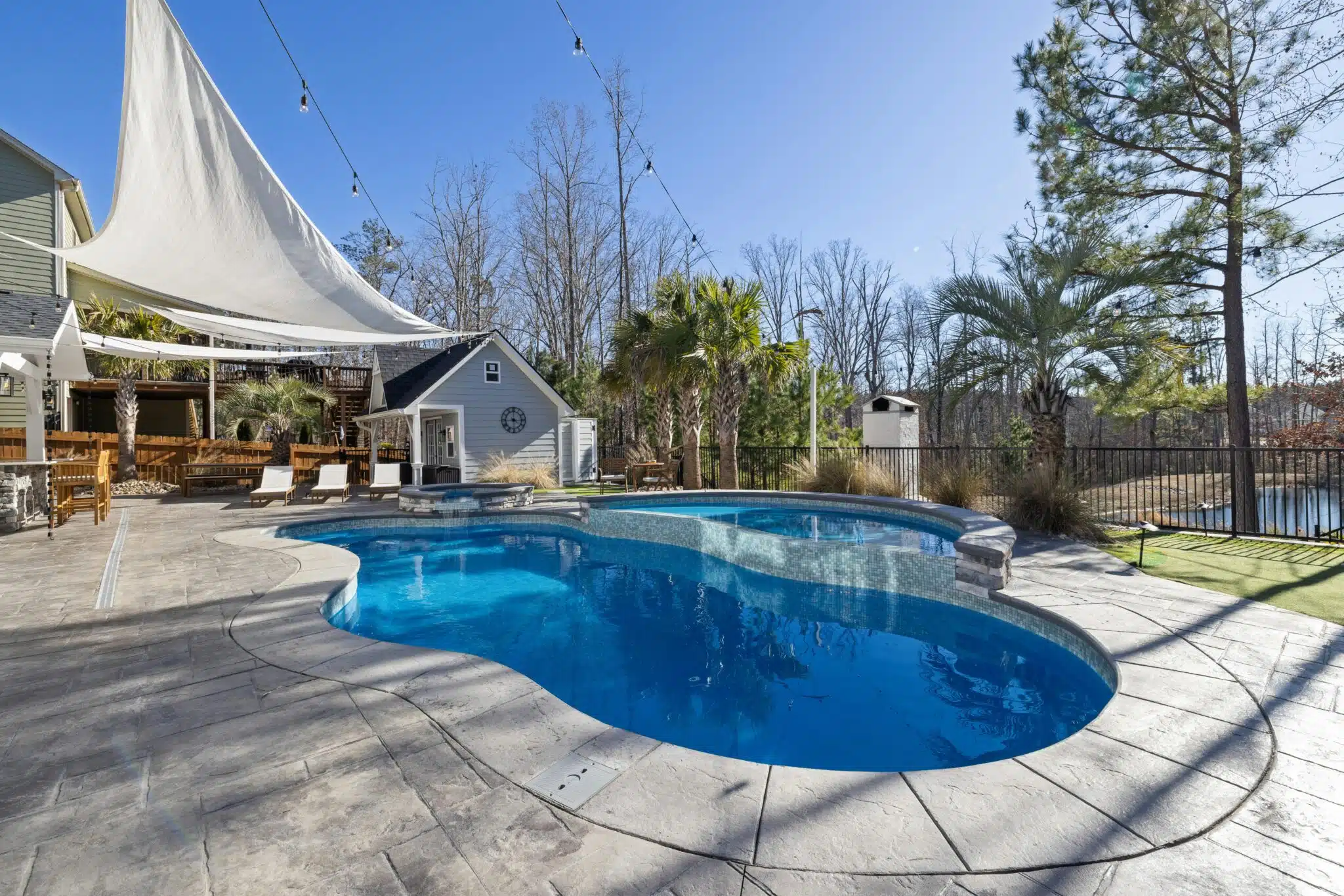
A backyard pool can change how a home feels in the warmer months. It gives family, friends, and neighbors a reason to gather outside, cool off, and spend more time in the yard. Still, the most comfortable pool areas are usually planned long before the first shovel hits the ground.
The pool itself is only part of the picture. Space, shade, safety, storage, and access all shape how well the finished area works. A design that looks great on paper can feel frustrating later if there’s nowhere to sit, no clear path from the house, or not enough room for equipment and maintenance. Thinking through those details early helps homeowners create a backyard that feels practical from the first swim.
Start With How the Pool Area Will Be Used
Before choosing a pool size, shape, or layout, it helps to be honest about how the space will be used most often. A pool for quiet evening swims will need a different setup than one built for kids, weekend gatherings, fitness, or frequent entertaining.
Families with young children may want more open deck space, clear sightlines, and safe walking paths. Homeowners who enjoy hosting might need lounge chairs, a dining area, outdoor lighting, and shaded seating. Someone adding a pool for exercise may care more about length, depth, and easy access than decorative landscaping.
This step keeps the project grounded in real life. A pool area should fit the household’s habits, not a photo saved for inspiration. When the layout aligns with how people already live, the space feels easier to use from the start.
Measure More Than the Pool Footprint
The pool is only one part of the backyard plan. Homeowners also need room for walking paths, seating, fencing, landscaping, equipment access, and safe movement around the water. A layout that feels spacious in a drawing can become tight once chairs, planters, storage, and gates are added.
It’s worth measuring the full usable area, not just the spot where the pool will go. That includes the path from the house, the space installers need to bring in materials, and the areas people will use before and after swimming. Homeowners considering a shipping container swimming pool should also think through delivery access, clearance, and surrounding space early so the yard does not feel crowded once the pool is in place.
The most comfortable pool areas leave enough space to move, sit, supervise, clean, and maintain the pool without feeling boxed in. A few extra feet in the right place can make the whole backyard feel more practical.
Consider How Location Changes the Plan
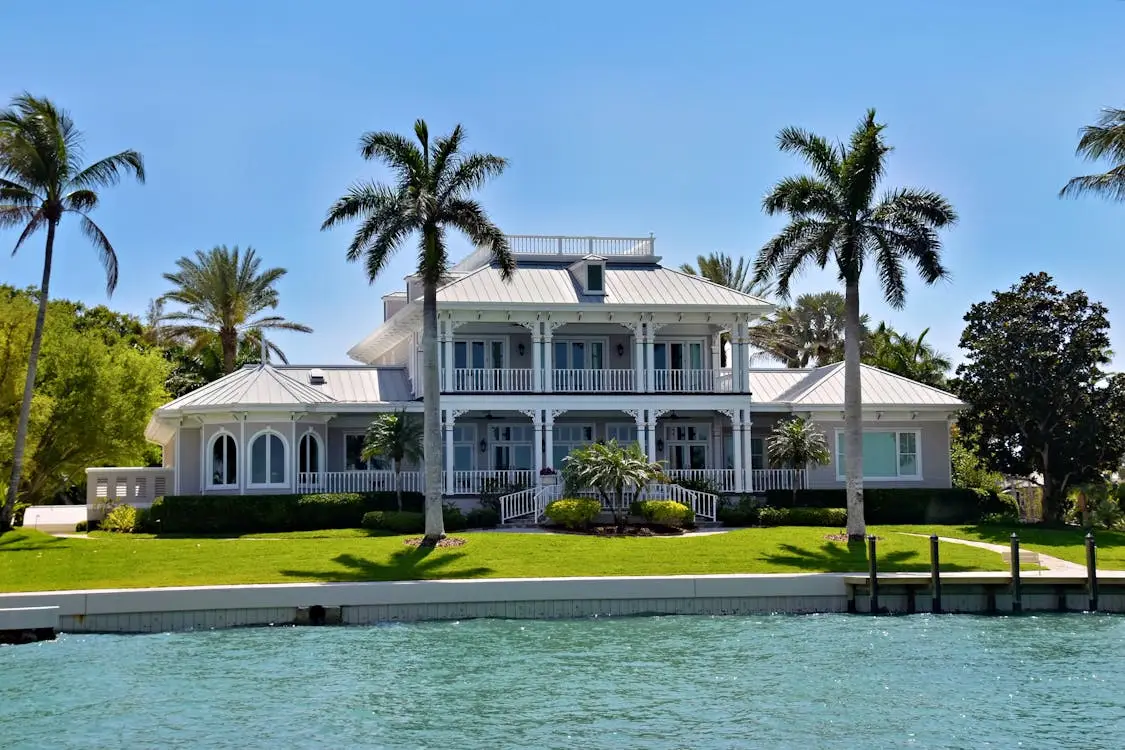
A backyard pool area can work very differently depending on where the home is located. In a warmer state like Florida, homeowners may focus more on year-round use, sun exposure, and shaded space for long afternoons outside. In a drier region like Arizona, the layout might place more focus on heat, hardscape materials, and seating that remains comfortable during the day.
Homes in the Northeast often bring a different set of considerations. In New Jersey, homeowners may think about seasonal use, privacy between neighboring yards, drainage after heavy rain, and how the pool area connects to the house during cooler parts of the year.
In Pennsylvania, warm summers, cooler seasons, mature neighborhoods, and varied lot sizes can all shape how a backyard pool area comes together. With those factors in mind, homeowners may want to speak with a pool contractor in Blue Bell PA about how the pool will connect with nearby features such as a covered porch, patio, walkway, equipment area, and shaded seating zone.
That kind of local planning can make the finished space feel more intentional. Instead of treating the pool, porch, paths, and seating as separate decisions, homeowners can think through how each part of the yard will support daily use.
Think About Shade, Seating, and Comfort
A pool area needs more than open deck space. People need places to sit, dry off, eat, talk, and take a break from the sun. Without those comfort features, even a beautiful pool can feel less useful during the hottest part of the day.
Shade can come from umbrellas, pergolas, covered porches, nearby trees, or a lounge area closer to the house. The right choice depends on the yard’s shape and the homeowner’s desired level of flexibility. Permanent shade can make the space feel more finished, while movable shade can help as the sun shifts.
Seating should match the way the pool area will be used. Lounge chairs work well for relaxing, but families and guests may also need upright seating, a small table, or a dry area for towels and snacks. When comfort is planned early, the pool area feels more like a natural part of the home.
Leave Room for Equipment and Storage
Pool equipment is easy to overlook because it is not the most exciting part of the project. Still, pumps, filters, heaters, covers, cleaning tools, and pool chemicals all need a practical place to go. If that space is not planned early, equipment can end up too close to seating areas, blocking walkways, or sitting exposed where it becomes an eyesore.
A small shed, enclosure, or screened-off storage area can help keep the backyard cleaner and more organized. The key is to make the equipment easy to reach without placing it in the middle of the pool area’s main traffic flow. Service access matters, especially when parts need to be checked, cleaned, repaired, or replaced.
Storage should be close enough to be useful. Towels, pool toys, skimmers, cushions, and outdoor supplies are much easier to manage when they have a dedicated spot nearby. A well-planned storage area keeps the pool space uncluttered.
Make Safety and Local Rules Part of the Layout
Safety should shape the pool area from the beginning, rather than getting added after the rest of the yard is designed. Fencing, gates, lighting, walking surfaces, and clear sightlines can all affect how secure and comfortable the space feels.
Homeowners should think about how people will move around the pool as well. Slippery surfaces, narrow walkways, awkward steps, and poorly placed furniture can make the area harder to use. A wider path, a visible gate, and open space around the water can make daily use feel much easier.
Rules and requirements can vary by location, but homeowners can still use safe swimming pool planning as a starting point when thinking through fencing, supervision, lighting, and clear pathways around the water. Building safety into the design early can help the finished pool area feel organized, comfortable, and easier to manage.
Plan for Maintenance Before the First Swim
A pool area should be easy to care for once the excitement of installation has passed. Cleaning, skimming, testing water, storing supplies, and checking equipment all become part of the routine, so the layout should make those tasks simple.
Good maintenance planning often comes down to access. Homeowners need enough room to move around the pool, reach equipment, rinse off surfaces, and keep debris from collecting in corners. Landscaping should also be chosen with upkeep in mind, since trees and plants near the water can add shade and privacy but may drop leaves, pollen, or branches.
The goal is to create a space that still feels manageable after the first season. A pool area that is easy to clean, organize, and maintain will usually get more use because it does not feel like a constant chore.
Conclusion
A backyard pool area works best when it is planned as a complete outdoor space. The pool matters, but so do the walking paths, shade, seating, storage, safety features, and maintenance access around it.
Homeowners who think through those details early can create a space that feels comfortable, practical, and easy to enjoy. With the right layout, the backyard becomes more than a place to swim. It becomes a natural extension of the home during the seasons when outdoor living matters most.
Interlinking suggestion:
From:https://www.jackcooper.com/how-much-does-a-shipping-container-pool-cost/ to this article with anchor: planning the space around the pool