Quick Answer
In 2026, luxury home renovations in Calgary typically range from $150 to $400 per square foot, depending on scope, materials, and craftsmanship. Full-home overhauls or high-end kitchen and bathroom transformations often start around $200,000 and can exceed $500,000 for custom infills or heritage upgrades. Factors like structural changes, premium finishes, smart-home integration, and architectural detailing significantly influence final costs. Working with experienced professionals who offer transparent pricing helps avoid budget overruns and ensures quality outcomes.
Introduction
Imagine walking into a space that not only reflects your taste but also anticipates your lifestyle needs – where every finish is intentional, every layout flows effortlessly, and every detail whispers sophistication. That is the promise of a true luxury renovation. Yet many homeowners find themselves daunted by unpredictable costs, inconsistent quotes, and the fear of hidden fees derailing their vision.
For those exploring options in Calgary, partnering with a trusted firm can make all the difference. A reputable luxury home renovations provider brings clarity to the process through upfront pricing, award-winning design expertise, and a track record of delivering exceptional results across kitchens, bathrooms, basements, and whole-home transformations.
This guide breaks down what drives luxury renovation expenses in 2026, offering realistic benchmarks, material comparisons, and planning insights so you can approach your project with confidence – not guesswork. Whether you are refreshing a single room or reimagining your entire residence, understanding the financial landscape is the first step toward a seamless experience.
What Drives the Cost of Luxury Home Renovations in 2026?
Understanding why luxury home renovations command premium pricing starts with recognizing that you are not just paying for new finishes – you are investing in craftsmanship, performance, and long-term value. In 2026, several interrelated factors shape the final price tag, especially in markets like Calgary where demand for skilled trades and high-end materials remains strong.
Key Cost Drivers at a Glance
Factor | Typical Impact on Budget |
|---|---|
Scope of work | Full gut vs. cosmetic refresh can double or triple costs |
Material quality | Premium stone, custom millwork, and smart systems add 25–40% |
Labour rates | Skilled trades average $100–$150/hour nationally; higher in urban centres |
Structural changes | Removing load-bearing walls: $3,500–$9,000+ |
Permits & inspections | Required for most major work; adds $500–$5,000 depending on scope |
Contingency | Experts recommend setting aside 10–20% for unforeseen issues |
Room-by-Room Investment Benchmarks
While whole-home overhauls often range from $150 to $260+ per square foot, individual spaces carry their own weight:
- Luxury kitchens: $70,000–$150,000+
Includes custom cabinetry (30–40% of total cost), quartzite or bookmatched marble countertops, and integrated high-end appliances like Wolf or Sub-Zero. Layout changes – such as opening to the living area – add $3,500–$9,000 for structural reinforcement.
- High-end bathrooms: $25,000–$60,000+
Features may include heated floors, frameless glass showers, freestanding tubs, and designer tile. Plumbing reconfiguration can add $2,000–$5,000 if fixtures move significantly.
- Basement developments: $25,000–$80,000+
A fully finished luxury basement with a wet bar, media room, and guest suite typically costs $70–$120 per square foot, with egress windows and soundproofing driving up expenses.
- Home additions: $200–$500 per square foot
Lateral extensions or second-storey builds involve foundation work, roofing, and full building envelope integration. Two-storey additions on the main floor can reach $360–$480/sq ft due to structural complexity.
Why Labour Dominates the Budget
In 2026, labour accounts for roughly 60% of total renovation costs – a shift from previous decades when materials dominated. This is due to sustained demand for experienced trades, workforce shortages, and rising wage expectations across Canada. In Calgary specifically, electricians, plumbers, and finish carpenters routinely charge $90–$140/hour, and complex projects require coordinated scheduling among multiple specialists.
Hidden but Critical Expenses
Many homeowners overlook these essential – but often invisible – costs:
- Engineering fees: $2,500–$4,500 for stamped structural plans when altering load-bearing elements.
- Asbestos or knob-and-tube wiring remediation: Adds 15–25% to budgets in pre-1980s homes.
- Design and drafting: Professional architectural drawings and 3D renderings typically start at $3,000–$7,000 for full-home projects.
Choosing a qualified remodeling contractor isn’t just about aesthetics – it’s about risk management. A seasoned professional anticipates these variables early, integrates them into planning, and prevents costly mid-project surprises.
Ultimately, luxury renovations are defined less by square footage and more by intentionality: every decision – from the grain of the wood to the placement of a light switch – is deliberate. That level of precision doesn’t come cheap, but for many Canadian homeowners, it’s worth every dollar.
Smart Strategies for Planning a High-End Renovation in 2026
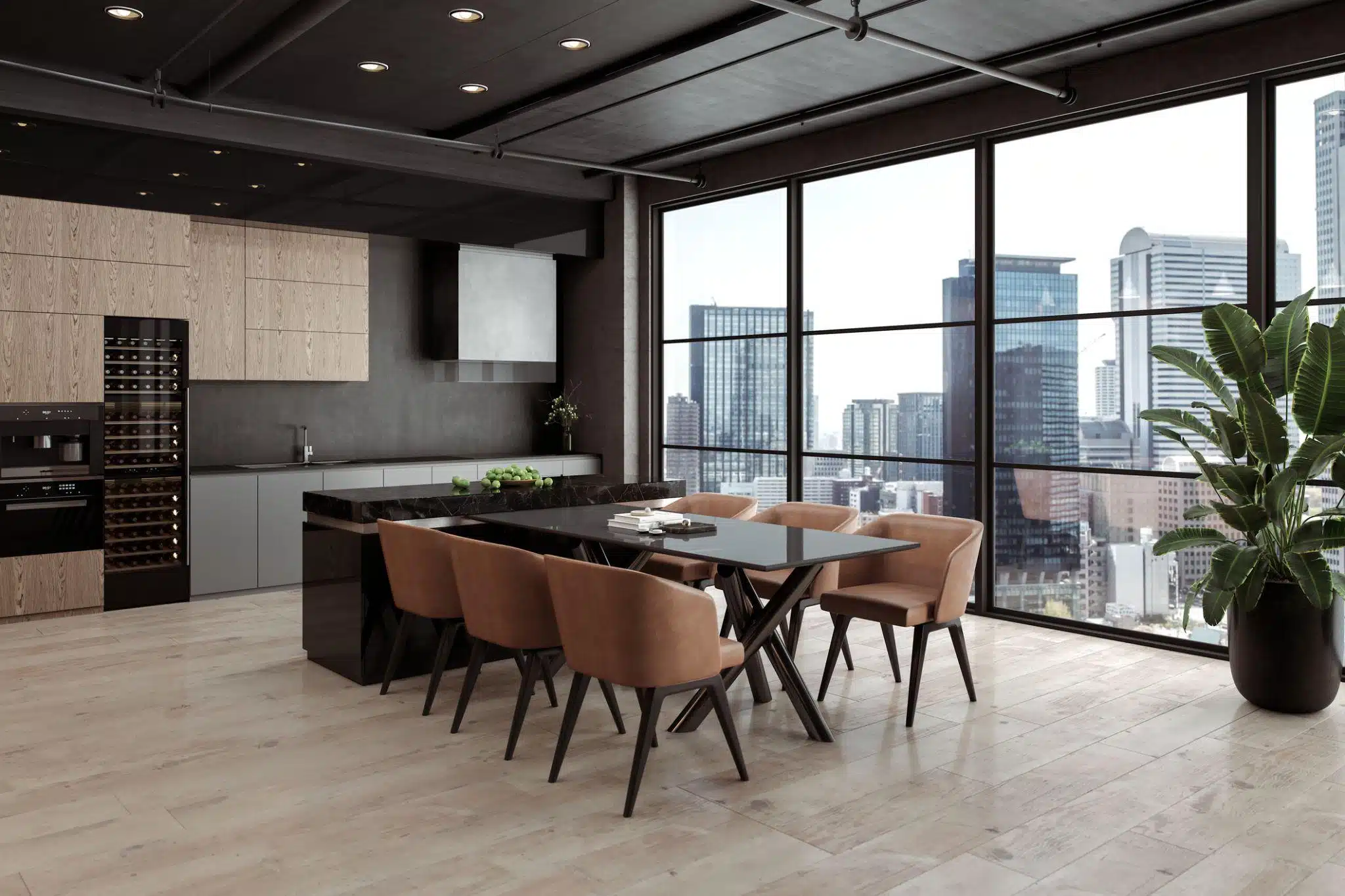
Once you understand what influences luxury renovation costs, the next step is navigating the process with confidence. In today’s market, where material lead times have stabilized, but skilled labour remains in high demand, planning ahead isn’t just advisable; it’s essential. Here are practical, field-tested strategies to help you maximize value, avoid common pitfalls, and ensure your vision translates smoothly from concept to completion.
1. Define Your “Why” Before Your Wishlist
Luxury renovations thrive on intentionality. Ask yourself: Are you upgrading for daily enjoyment, future resale, or multi-generational living? A kitchen designed for entertaining will prioritize open sightlines and premium appliances, while one built for aging in place might focus on accessibility and intuitive storage. Clarifying your core motivation early helps guide every decision – from layout to lighting – and prevents costly mid-project pivots.
2. Prioritize Quality Over Quantity
Rather than renovating every room at once, consider focusing your budget on two or three key spaces that deliver the greatest impact. For example:
- A thoughtfully redesigned primary suite can elevate everyday comfort.
- A chef-inspired kitchen often becomes the emotional and functional heart of the home.
- A fully equipped basement with soundproofing and smart climate control adds usable square footage without altering the footprint.
This targeted approach allows you to invest in premium finishes – like bookmatched stone, custom cabinetry, or acoustic-grade drywall – without stretching resources too thin.
3. Choose the Right Professional Early
Not all firms handle high-end work with the same level of precision. When evaluating a renovation company like Reborn Renovations, look beyond portfolios. Ask about:
- Their process for managing change orders
- How they coordinate subcontractors (electrical, HVAC, millwork)
- Whether they provide detailed line-item estimates upfront
A seasoned interior remodeling specialist will also help you navigate material selections that balance aesthetics, durability, and maintenance – critical in Canada’s variable climate.
4. Build in Realistic Timelines
In 2026, even non-structural luxury projects typically take 4 to 8 months from design to final walkthrough. Complex overhauls involving foundation work or heritage compliance can stretch beyond a year. Delays often stem from:
- Permit approval backlogs in growing municipalities
- Custom item lead times (e.g., European tile, bespoke hardware)
- Unforeseen conditions in older homes (knob-and-tube wiring, outdated plumbing)
Adding a 4–6 week buffer to your projected completion date reduces stress and keeps expectations aligned.
5. Leverage Fixed-Price Contracts
Avoid open-ended cost-plus agreements for luxury scopes. Instead, seek a fixed-price contract that includes:
- A detailed scope of work with finish specifications
- A clear list of inclusions and exclusions
- A defined process for handling unforeseen conditions (with a capped contingency)
This model protects you from runaway costs while ensuring accountability. It also reflects a contractor’s confidence in their planning – a good sign of experience.
6. Think Beyond Aesthetics: Performance Matters
True luxury in 2026 blends beauty with function. Consider integrating:
- Energy-efficient windows and insulation upgrades during wall openings
- Whole-home water filtration systems during plumbing rough-ins
- Structured wiring for future tech (security, audio, automation)
These elements may add 5–10% upfront but significantly boost long-term comfort, efficiency, and property value – especially in colder regions like Alberta or Ontario.
Final Thoughts – Balancing Ambition with Realism
Luxury home renovations in 2026 represent more than an aesthetic upgrade – they reflect a deeper commitment to how we live, age, and connect with our surroundings. While the allure of marble countertops, smart-home ecosystems, and seamless indoor-outdoor flow is undeniable, the most successful projects share one trait: thoughtful alignment between vision, budget, and execution.