As online orders grow, small businesses need a reliable way to store inventory, ship products, and handle returns.
The right setup depends on order volume, product requirements, delivery promises, and the time available to manage it all.
Should you keep packing orders yourself, hire a third-party logistics provider (3PL), or use a marketplace fulfillment program? The choice gets more complex when you import inventory and need freight and fulfillment to work together, a combined model that providers such as Navia offer.
What Small Business Order Fulfillment Means
Order fulfillment covers the steps between a customer placing an order and receiving it, plus any returns.
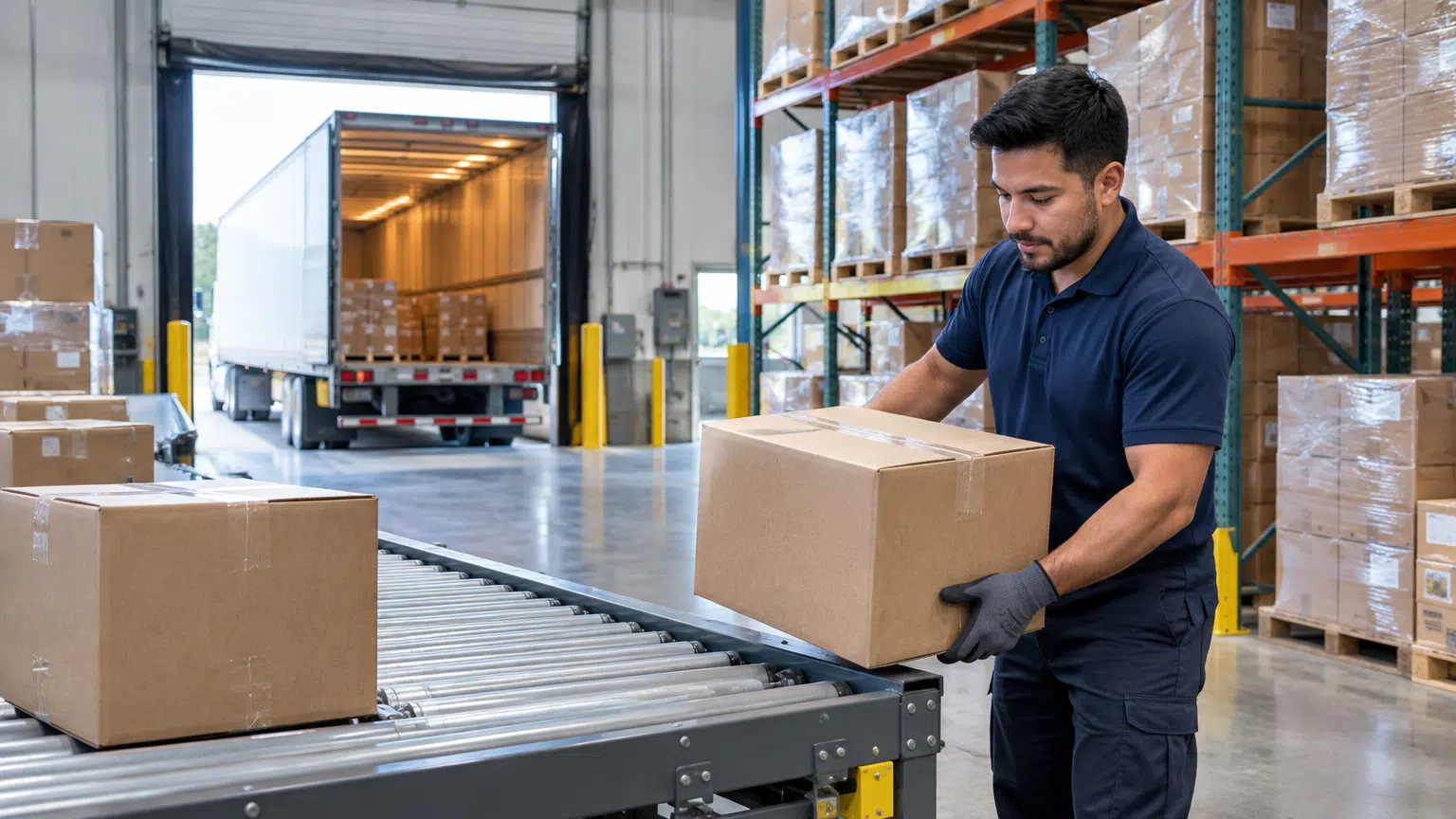
Inventory is received and stored, then each order is picked, packed, labeled, handed to a carrier, and tracked.
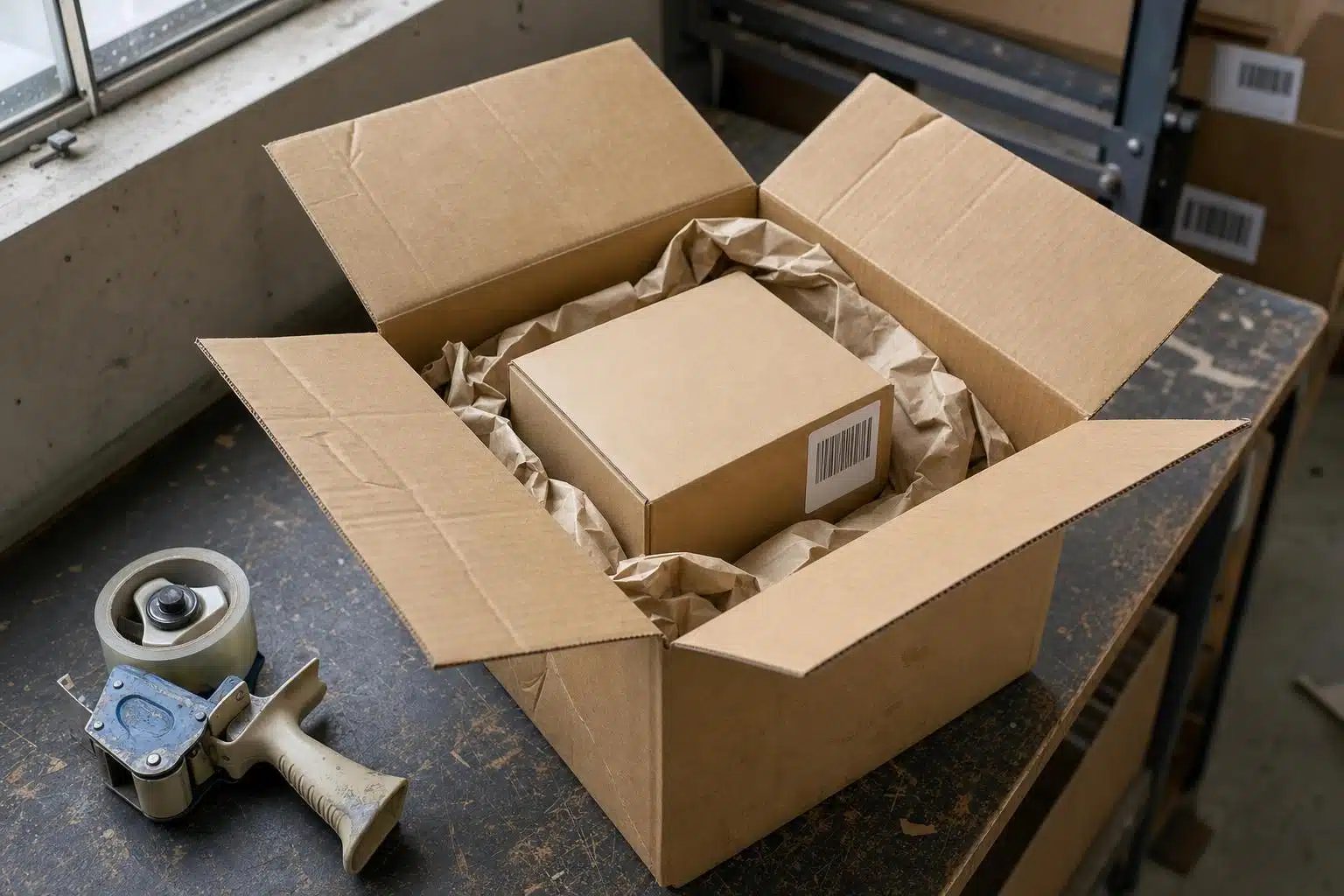
Returns need a clear process too. Decide who will inspect returned items, which products can be restocked, and how return reasons will be recorded. These details affect both costs and the customer experience.
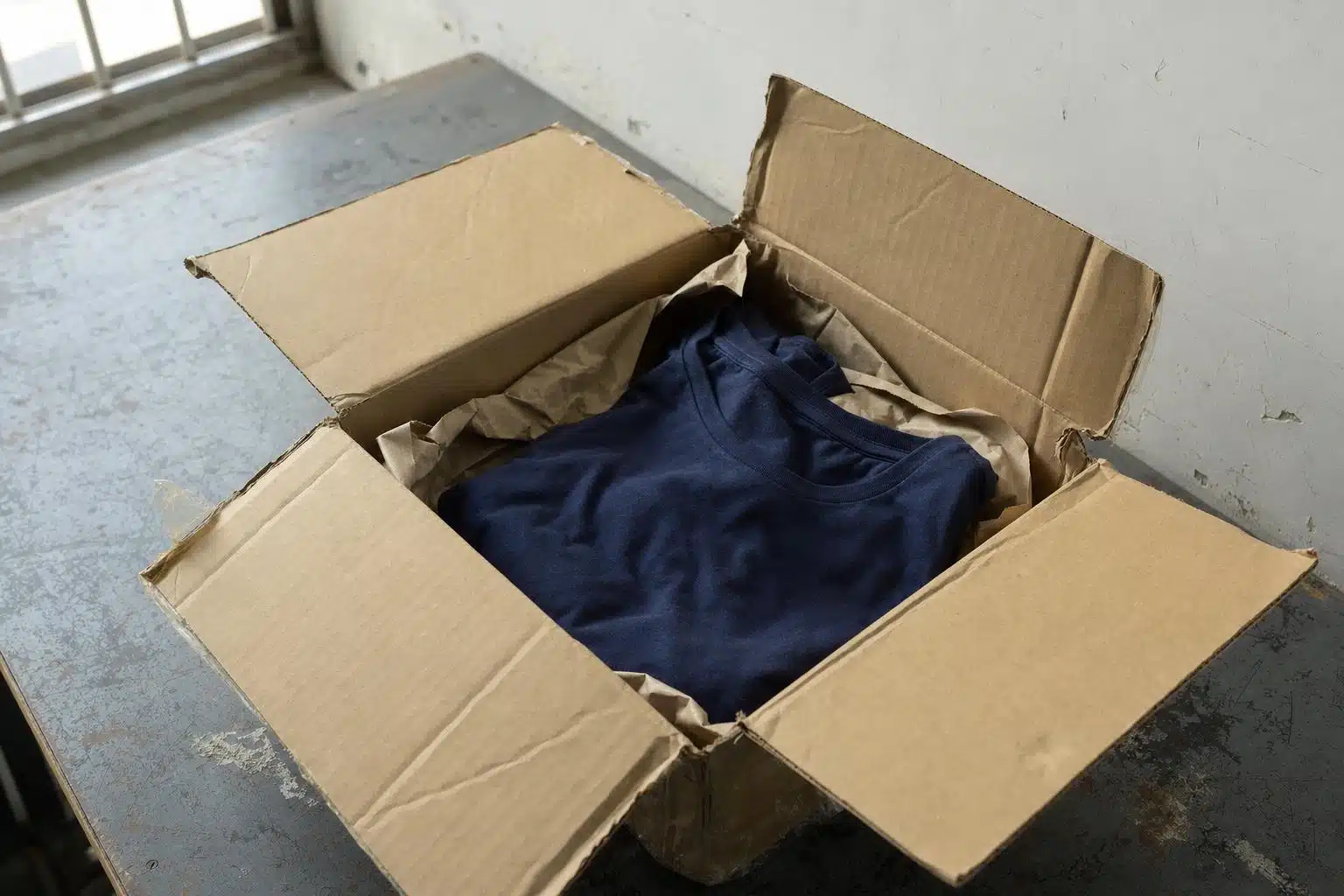
3PL vs. In-House Fulfillment
A fulfillment-focused 3PL stores your products and handles tasks such as receiving, picking, packing, shipping, and returns.
Doing it yourself keeps you close to every order; outsourcing gives you more capacity but requires clear instructions and oversight.
- In-house pros: direct control over packaging and branding, with no 3PL service fees.
- In-house cons: staff time spent packing, storage costs, and potentially higher shipping rates.
- 3PL pros: established workflows, access to negotiated shipping rates, and room to grow without leasing your own warehouse.
- 3PL cons: service fees and possible minimums, less hands-on quality control, and onboarding work.
When Outsourcing Starts to Make Sense
There is no single order count that makes outsourcing worthwhile. Watch for these signs:
- Packing orders takes time needed for product development and marketing.
- You miss the delivery windows promised at checkout.
- You sell on several channels and inventory counts drift out of sync.
- Seasonal peaks overwhelm your space or team.
How a U.S. 3PL Actually Works
Inventory arrives at the warehouse and is recorded in a warehouse management system (WMS), which tracks stock quantities and locations.
Once your store is connected, orders flow to the warehouse. Staff pick the items, pack them to agreed specifications, print carrier labels, and send tracking information back.
Returns may go to the same facility for inspection and restocking. Wholesale orders add requirements.
Retailers may specify labels, packing rules, and electronic data interchange (EDI), a standard way for business systems to exchange documents such as purchase orders and invoices.
Confirm that a provider can meet your retailers’ requirements before transferring inventory.
If You Import: Pair Freight With Fulfillment
Importers manage two connected tasks. Goods must travel to the U.S., clear customs, and reach a warehouse. Then individual orders must leave that warehouse on time.
When separate companies handle each stage, clear responsibility for delays, missing cartons, and inventory updates becomes especially important.
For importers, 3PL services in the USA from Navia offer an example of a combined freight and fulfillment model.
Navia describes its U.S. service as combining inbound ocean and air freight and in-house customs clearance with warehousing, fulfillment, and returns processing, including inspection, restocking, and reporting.
Coordinating these services through one provider can simplify communication and shipment oversight.
Confirm which sales channels are supported and how freight tracking connects with warehouse inventory updates.
Costs and Contracts to Model
Common 3PL charges include receiving, storage, pick-and-pack, packaging, returns handling, monthly minimums, peak-season surcharges, and shipping. Storage may be billed by pallet, bin, or space used.
A low picking fee rarely tells the whole story.
Build a sample month using your actual items per order, package sizes, destinations, return rate, and inventory levels.
Compare both a typical month and a seasonal peak.
Shortlist and Test Providers
Narrow your search to three candidates and check each against the same list:
- Operational fit: product types, special packaging, assembling items into kits, and wholesale requirements.
- Technology fit: connections to your sales channels, reliable inventory updates, and visibility into returns.
- Service-level agreements (SLAs): written targets for shipping on time, order accuracy, and the time between receiving stock and making it available for sale.
- Contract terms: duration, minimum charges, exit costs, and notice periods for fee changes.
- Evidence: references from businesses with similar needs, plus a site visit or video walkthrough.
Agree on an onboarding schedule that covers store integration, inventory transfer, written packing and returns procedures, and test orders.
Test representative situations, such as a multi-item order and a return, before moving all fulfillment to the provider.
Alternative Path: Amazon Multi-Channel Fulfillment
For marketplace-first brands or small teams, Multi-Channel Fulfillment (MCF) can ship orders from other sales channels using inventory stored in the network.
It may be worth comparing when stock is already there, but check current channel eligibility and fees for your product sizes and order mix.
Consider the limits on branded packaging and handling instructions, along with network-set pricing.
The service also doesn’t replace a plan for moving imported goods into the fulfillment network.
Ask how the provider handles picking, packing, and shipping after inventory arrives.
Quick Checklist
- Map where inventory is today and where it needs to go.
- Define packing instructions and returns rules so providers can quote accurately.
- Request written service targets and a full fee schedule from three providers.
- Model a typical month and a peak month, then run test orders before a full transfer.
Choosing With Clear Eyes
Domestic sellers with simple catalogs may be well served by in-house fulfillment or MCF.
Importers coordinating a freight forwarder, customs broker, and warehouse may benefit from a combined provider like Navia, which brings those connected tasks under one provider.
Whichever path you choose, focus on operational fit, total costs, and written service commitments.
FAQ
3PL vs. Fulfillment Center vs. 4PL: What Is the Difference?
A fulfillment center is the physical facility. A 3PL provides outsourced logistics services, which may include operating fulfillment for you.
A fourth-party logistics provider (4PL) coordinates multiple logistics providers on your behalf.