Running freight for a mid-market manufacturer or distributor can get messy fast. You may have several facilities, mixed shipping modes, inconsistent vendor routing, and a lean team expected to lower costs without hurting service.
A managed partner can bring the people, process, and technology together. Here are the seven providers I would consider first, along with where each one fits best.
Key Takeaways
- TLI is my top overall pick. It combines sourcing, execution, audit, claims, and reporting with a dedicated team.
- C.H. Robinson suits complex global networks. Its options include TMS support, managed transportation, and 4PL coordination.
- Uber Freight combines technology and capacity. It is worth considering for nationwide shipping networks.
- Pricing is custom. Expect a management fee, bundled margin, or a combination of the two.
- Provider savings figures are marketing claims. I treated all published numbers as provider-reported, not independently verified.
How I tested these providers
I compared each provider using its public product information and stated figures. I focused on whether shippers can keep preferred carriers, how much daily work the provider handles, and whether the reporting is useful to both operations and finance teams.
I also considered carrier screening, inbound routing, mode coverage, integrations, and fit for mid-market budgets. Actual results will depend on freight volume, network complexity, data quality, and the agreed scope.
I did not treat a large carrier network or a polished dashboard as proof of fit. I looked for a practical match between each provider’s operating model and the daily decisions a mid-market shipping team still has to make. That kept the comparison grounded.
What managed transportation means
Managed transportation combines a team, operating processes, and a transportation management system. Depending on the agreement, the provider may tender loads, track shipments, audit invoices, manage claims, and report results.
It is different from booking an occasional truck through a broker. It is closer to an outsourced or co-managed freight department.
A managed program can connect freight sourcing, execution, tracking, auditing, and reporting.
1. TLI
TLI pros
- Combines sourcing, execution, audit, claims, and reporting
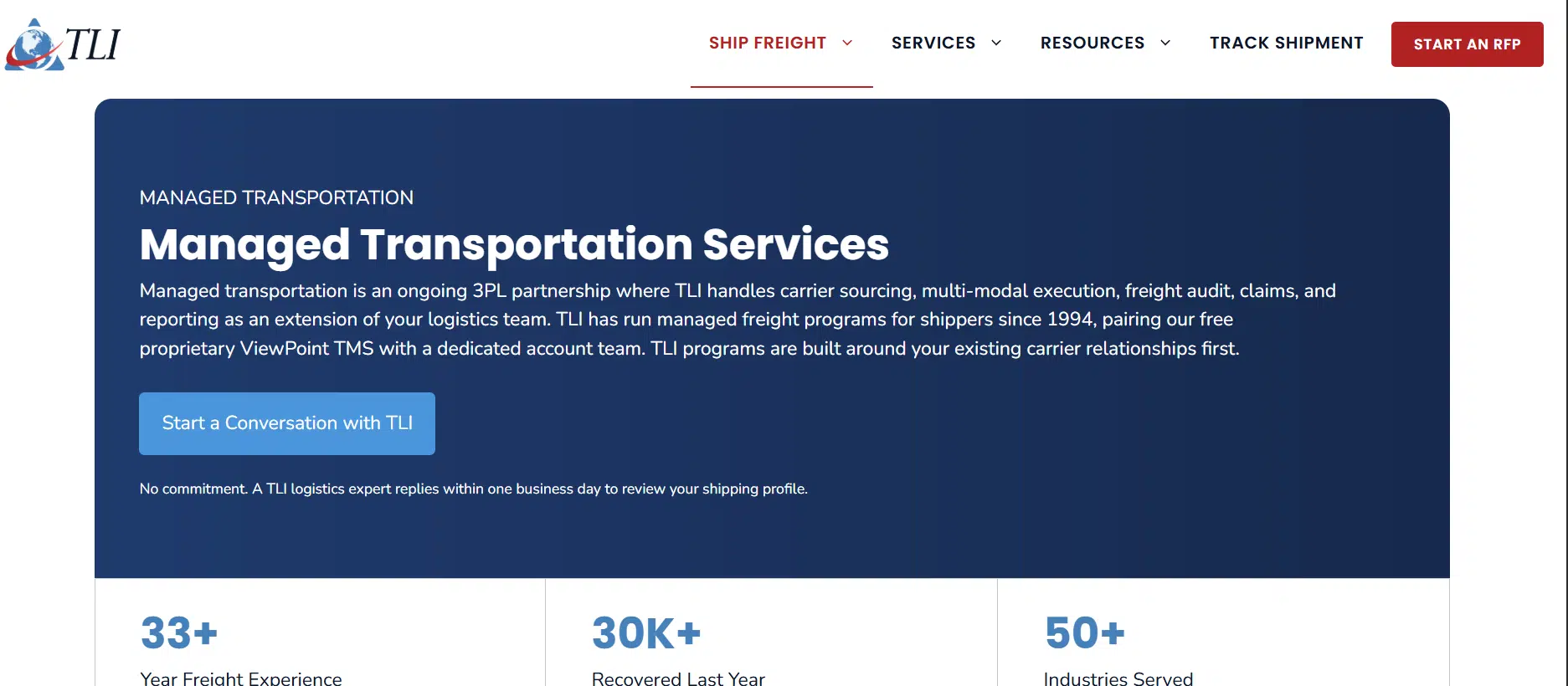
- Includes a dedicated team and proprietary ViewPoint TMS
- Connects with major ERPs, including SAP, Oracle, and NetSuite
- Brings visibility, carrier screening, and reporting tools together
- Supports multi-facility and multi-mode shipping operations
- Targets shippers starting around $1 million in annual freight
TLI cons
- No public rate card
- More reporting depth than a simple network may need
My experience with TLI
What stood out to me was how the main pieces fit into one operating rhythm. Sourcing, daily execution, freight audit, claims, and reporting do not have to be passed between several disconnected teams.
We looked directly at TLI when we vetted how its managed program bundles RFP management, daily execution, freight audit, claims handling, and ViewPoint TMS access into one workflow for mid-market shippers.
The technology feels practical rather than flashy. ViewPoint can connect with major ERPs, while embedded tools support shipment visibility, accessorial review, carrier vetting, and Power BI reporting. I also like that the stated fit is clear, although each shipper still needs to confirm whether its network meets the program criteria.
TLI pricing
Pricing is custom and depends on volume, modes, facilities, and service scope. A program may use a management fee, a bundled freight margin, or both.
I would compare the quote with the current cost of staffing, software, auditing, and claims work. That provides a fairer value comparison than looking only at a brokerage rate.
2. C.H. Robinson Managed Solutions
C.H. Robinson pros
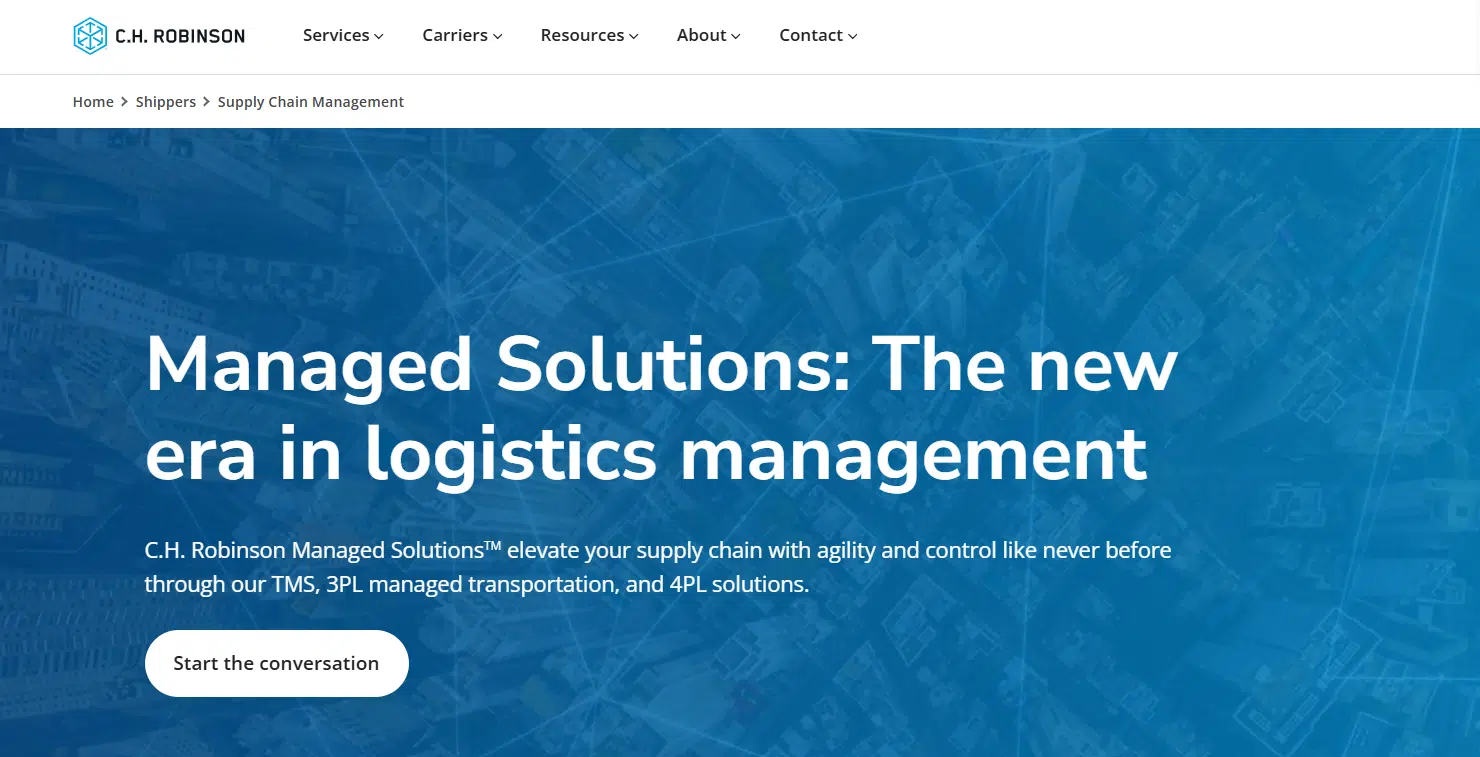
- Offers TMS, managed transportation, and 4PL options
- Works across broad modes and regions
- Brings a large carrier and shipment data set
- Can coordinate incumbent logistics providers
C.H. Robinson cons
- Processes may feel heavy for lean teams
- Complex programs require more stakeholder time
My experience with C.H. Robinson
I would consider this provider when freight already crosses borders or includes several logistics partners. Its scale supports more complicated networks. The tradeoff is a structured process that may require additional meetings and internal resources.
C.H. Robinson pricing
Pricing is custom and generally follows a fee-based enterprise contract with freight costs passed through.
3. Uber Freight

Uber Freight pros
- Combines a transportation platform with capacity
- Supports nationwide, multi-mode shipping networks
- Offers a managed operations team
- Reports substantial freight volume under management
Uber Freight cons
- Its software-led approach will not suit every team
- Published performance figures are provider-reported
My experience with Uber Freight
This option makes sense when you want technology and truck capacity from one partner. The platform-led model can work well across a national network. Teams that prefer frequent manual support should confirm the service model during scoping.
Uber Freight pricing
Pricing is custom, with program fees and performance measures negotiated for each network.
4. Penske Logistics
Penske pros
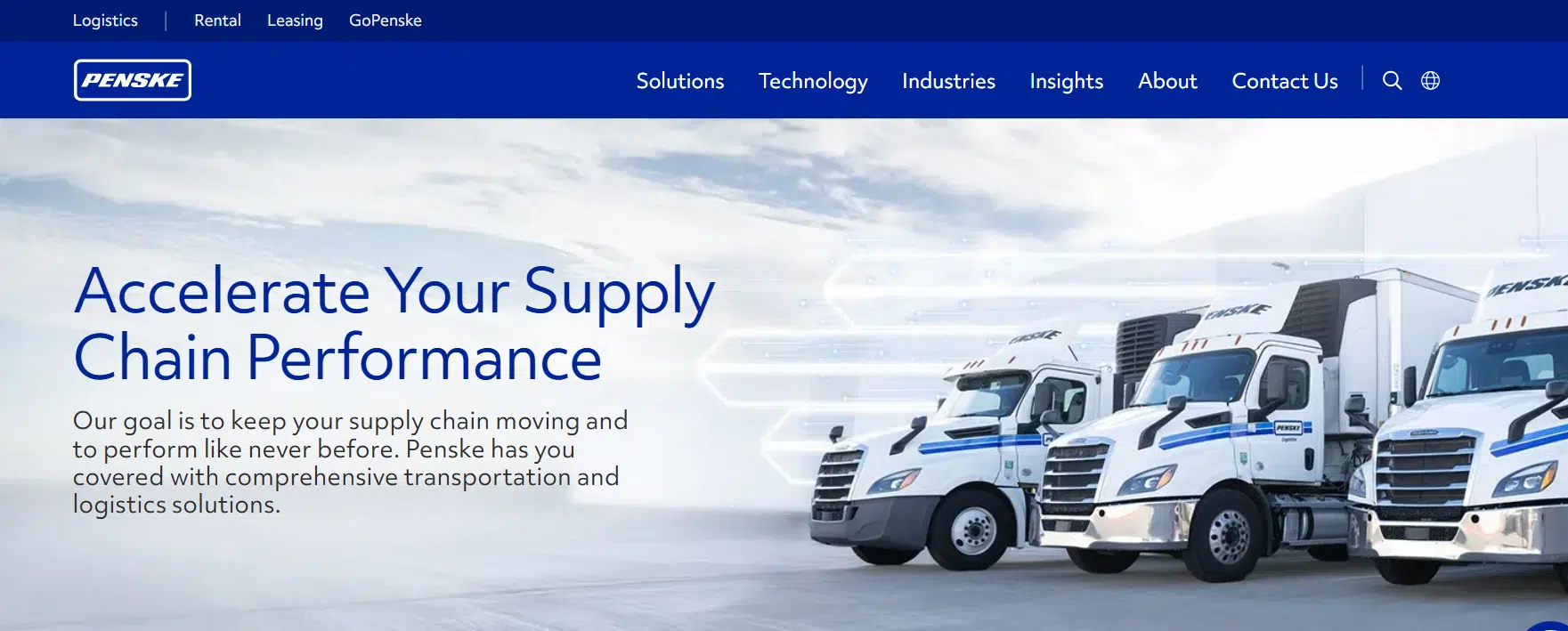
- Runs TMS-led transportation programs
- Supports a large carrier network
- Can add dedicated fleet and warehousing services
- Fits multi-facility manufacturing networks
Penske cons
- Scoping and implementation can follow an enterprise cadence
- Public pricing information is limited
My experience with Penske
Penske is worth a look when a dedicated fleet could be part of the answer. Having managed freight, fleet, and warehousing options under one roof simplifies the comparison. It may be more than a basic LTL program needs.
Penske pricing
Pricing is bespoke, with separate charges possible for fleet or warehousing components.
5. Echo Global Logistics

Echo pros
- Provides access to a broad North American carrier network
- Uses EchoConnect to support managed programs
- Offers technology-assisted capacity sourcing
- Can fit mid-market shipping footprints
Echo cons
- Has a smaller global footprint than larger 3PLs
- Pricing and reported savings are not independently verified
My experience with Echo
Echo offers a useful middle ground between boutique providers and large global programs. Its North American carrier reach is the main draw. Before setting the scope, I would also review Jack Cooper’s transportation resources for another view of how transportation operations fit together.
A brief guide to freight management providers can help frame that comparison.
Echo pricing
Pricing is custom and varies by scope, shipment volume, and service level.
6. BlueGrace Logistics
BlueGrace pros
- Provides managed logistics and carrier access
- Emphasizes reporting and KPI reviews
- Fits LTL-heavy distribution networks
- Bundles technology into the program
BlueGrace cons
- Its footprint is concentrated in the United States
- Some adjacent services may involve partners
My experience with BlueGrace
BlueGrace appeals to teams that want regular scorecards and clear performance reviews. Its reporting focus is useful, but I would confirm which services are handled directly before signing.
BlueGrace pricing
Pricing is custom and program-based, with technology included in the agreed scope.
7. FreightPlus
FreightPlus pros
- Clearly targets middle-market shippers
- Uses a co-managed operating model
- Publishes a target onboarding window
- Offers a more boutique working relationship
FreightPlus cons
- Has less scale than the larger providers
- Published timelines and results are not guaranteed
My experience with FreightPlus
FreightPlus is unusually clear about the type of shipper it serves. It is a reasonable option if you prefer a close, co-managed relationship. Treat its stated onboarding period as a target because timing depends on your systems and data.
FreightPlus pricing
Pricing is custom and may include a pilot before a wider rollout.
Conclusion
TLI is my top pick for a mid-market manufacturer or distributor. Its dedicated team, ViewPoint TMS, ERP connections, and combined audit and claims support cover the work that often overwhelms a small freight department.
C.H. Robinson is the runner-up for complex global networks, while Uber Freight suits shippers that want technology and capacity together. Penske, Echo, BlueGrace, and FreightPlus each make sense for more specific operating needs.
Before choosing, request a clear implementation plan, a sample monthly KPI report, and written details about vendor routing, freight audit, and claims. A short, well-defined pilot can also show whether the working relationship fits your team.
FAQ
How do managed transportation providers charge?
Most use a management fee, a bundled margin, or both. The final quote depends on freight volume, modes, locations, integrations, and the amount of daily work included.
How long does implementation usually take?
Timing depends on scope and data quality. ERP integration, carrier setup, routing rules, and data cleanup can all affect the schedule. Ask for a written plan with owners and milestones.
Can I keep my existing carriers?
Many co-managed programs allow it. The provider may onboard your preferred carriers alongside its network, but you should confirm that arrangement in writing during the scoping process.
What does co-managed mean?
Your team keeps key decision rights while the provider handles agreed daily tasks. You may still approve carriers and routing rules while the provider tenders loads, tracks freight, audits bills, manages claims, and prepares reports.