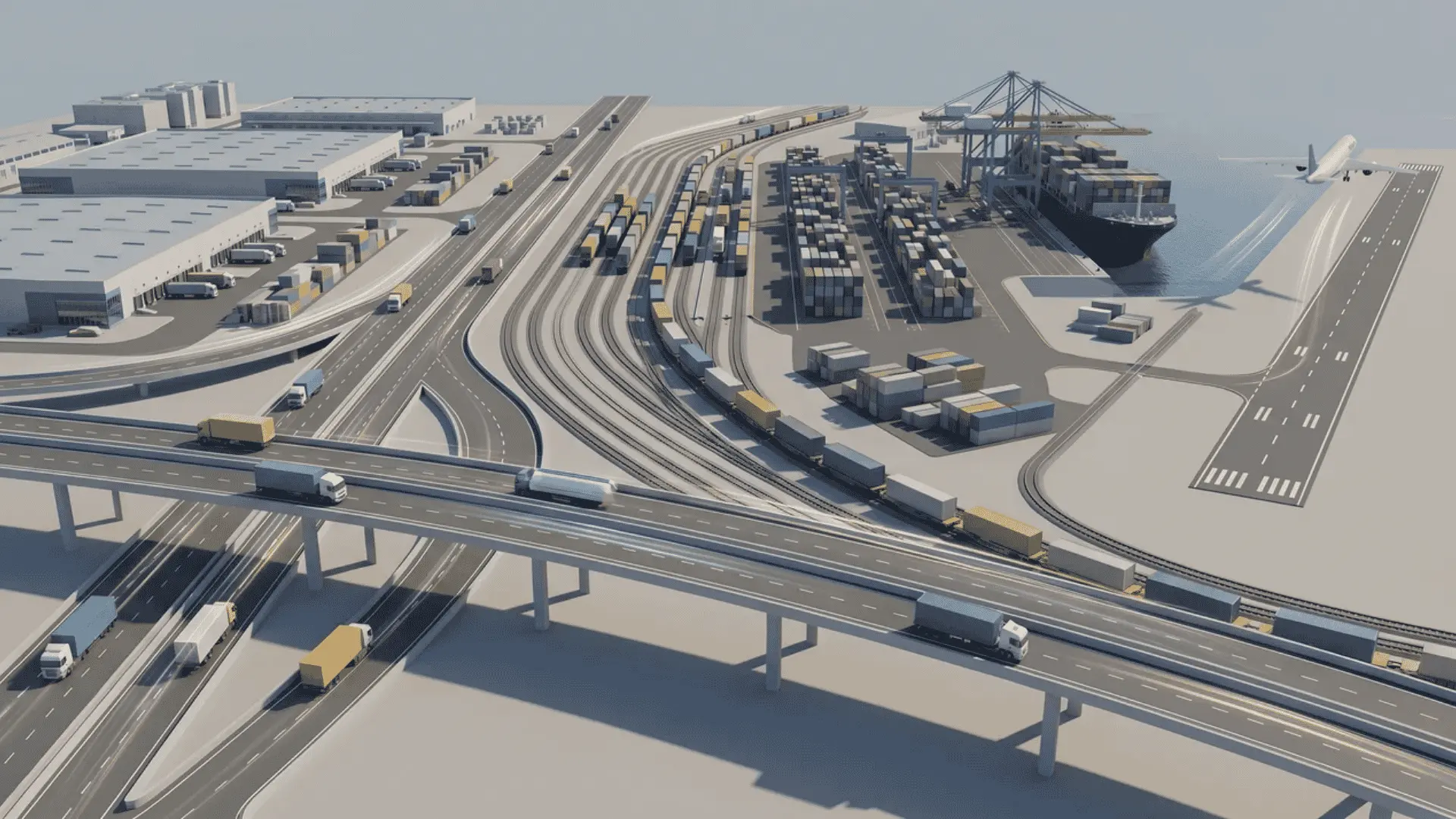
Moving goods from one point to another sounds simple. In practice, it involves decisions, systems, and handoffs that can make or break your bottom line.
Freight management in logistics isn’t just about finding a carrier. It’s about managing a chain of dependent stages, where one weak link affects everything downstream.
Whether you’re shipping domestically or across borders, the mode you choose and the partner you work with change your cost, control, and risk exposure significantly.
Here you’ll find a clear breakdown of how freight management works, which modes fit which situations, and which types of companies handle it best. By the end, you’ll have a solid foundation to make smarter freight decisions.
What is Freight Management?
Freight management is the end-to-end process of planning, coordinating, and overseeing the movement of goods, from carrier selection through final delivery and payment.
It goes well beyond booking a shipment. Here’s what it actually covers:
- Pre-shipment planning and carrier selection
- In-transit visibility and real-time tracking
- Documentation and regulatory compliance
- Post-delivery audit and invoice settlement
A lot of people use “shipping” and freight management interchangeably. They’re not the same. Shipping is a single transaction. Freight management is the system around it.
Supply chain management is broader; it covers inventory, procurement, and supplier relationships. Freight management sits inside that larger picture, focused specifically on transportation.
It doesn’t matter whether you’re moving goods domestically or across borders. The core responsibilities stay the same. What changes is the complexity of documentation and compliance requirements.
Volume matters too. A business shipping a few pallets a week operates very differently from one managing hundreds of lanes. The scope of freight management scales with that complexity.
Most businesses either handle this in-house, work with a freight broker, or outsource it to a 3PL. Each approach changes who owns which part of the process:
- In-house teams use TMS software to manage operations directly
- Freight brokers connect shippers to carriers and handle capacity
- 3PLs take on broader responsibilities, including warehousing and fulfillment
What stays constant is this: freight management doesn’t end when the truck leaves the dock. It ends when the shipment is delivered, verified, and the invoice is settled.
How Freight Management Works as a System
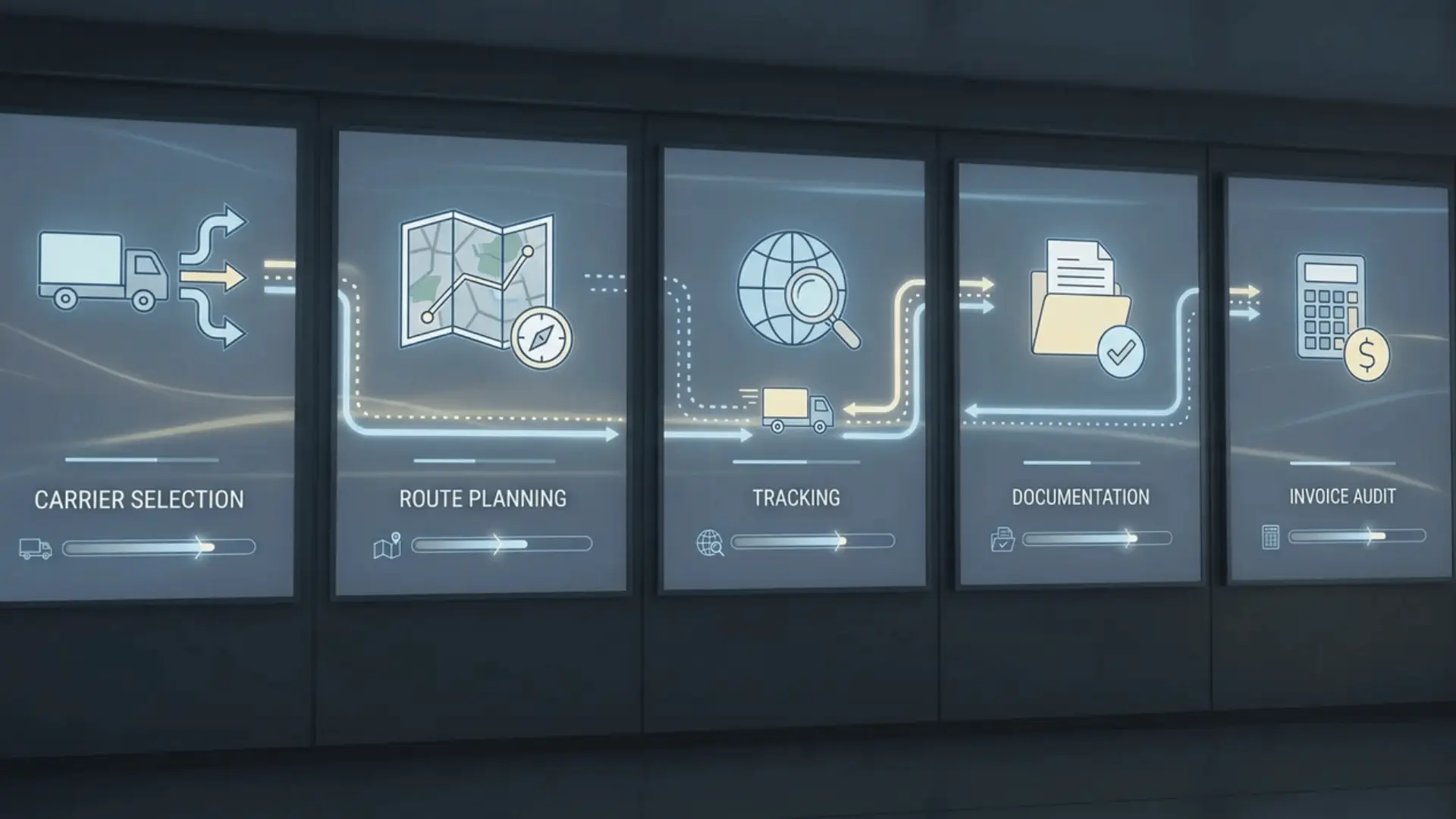
Freight management in logistics produces one outcome: goods that move efficiently, with a complete paper trail, and costs that can actually be verified.
Most people treat it as a checklist. Carrier selected. Route planned. Shipment sent. But each stage feeds directly into the next. A failure in one doesn’t stay contained.
Understanding freight management as a dependency chain, not a feature list, is what separates operations that run clean from ones that constantly fight fires.
The Five Core Stages
1. Carrier Selection and Rate Negotiation Carriers are evaluated on lane coverage, reliability, and rate. The output isn’t just a contract; it’s a baseline that route optimization will test against real shipment data.
2. Route Optimization This is where consolidation decisions get made: FTL, LTL, or intermodal. The right mode at a standard rate beats a great rate on the wrong mode every time.
3. Shipment Execution and Documentation The bill of lading, customs paperwork, and compliance documents are generated here. These aren’t formalities; they’re the record every downstream stage depends on.
4. Real-Time Tracking and Visibility maintains the documentation chain. When a delay or exception occurs, tracking captures it. That record is what the audit stage uses to validate carrier billing.
5. Freight Audit and Payment Carrier invoices are cross-referenced against the route plan, documentation, and visibility record. Consolidation decisions from stage two only save money if the audit catches what was actually billed.
Note: Better-negotiated rates aren’t the biggest cost lever. Consolidation decisions and audit accuracy consistently drive more savings than rate negotiation alone.
High-volume shippers automate these stage connections through a TMS. Smaller shippers rely on brokers to manage handoffs manually. The dependency chain is the same either way.
TMS vs. FMS: A TMS (Transportation Management System) is software that automates the planning and execution of transportation operations. While Freight Management Systems is a specific provider or branded platform within that category.
Where the System Breaks Down
Most freight operations don’t fail from one bad decision. They fail because one stage quietly breaks and compounds before anyone catches it.
Here’s the most common cascade:
- Visibility fails mid-shipment: A tracking gap or missed exception. Minor on its own, but it quietly breaks the documentation trail behind it.
- Documentation breaks next: Without a complete visibility record, the paper trail has holes. The bill of lading can’t be reconciled against what actually happened in transit.
- Audit absorbs the damage: Carriers bill from their records. Without matching documentation, overcharges go unchallenged. Disputes open. Payment timelines stretch. A tracking gap becomes a billing problem.
The fix isn’t at the audit stage. It’s upstream, visibility tools capturing exceptions in real time, and documentation staying linked to the shipment record throughout.
Treating these stages as independent check boxes is where most in-house freight logistics management breaks down. The system only works when the stages stay connected.
Freight Management Modes and Service Types
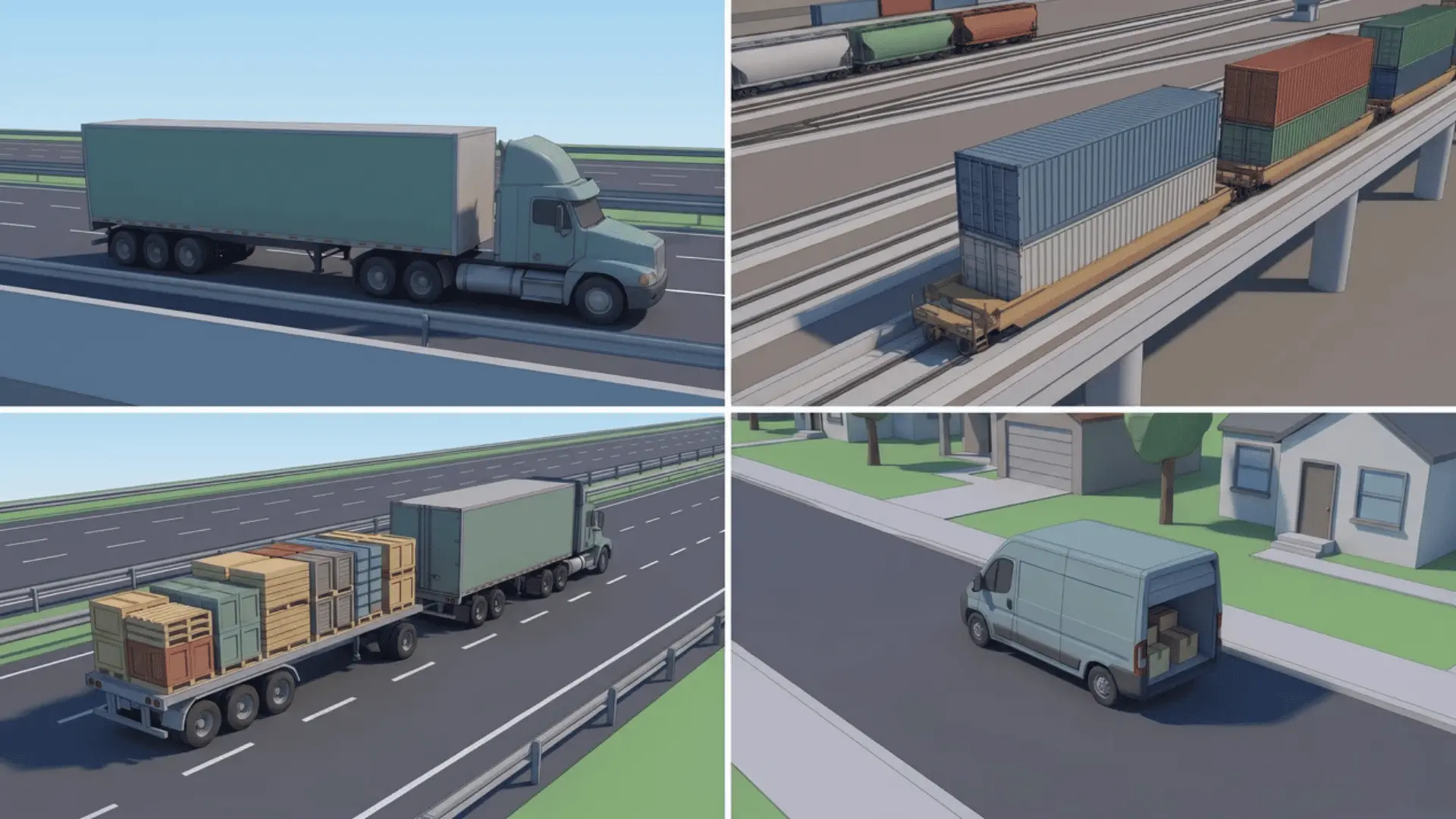
Freight isn’t one-size-fits-all. The mode you choose, and how you manage it, depends on volume, distance, urgency, and whether you’re shipping domestically or across borders.
A common assumption is that freight means large truckload shipments. It doesn’t. Freight applies across every volume tier, from a single parcel to a full container. The logic just changes.
Four Types of Freight
The four main freight types are full truckload (FTL), less-than-truckload (LTL), intermodal, and parcel or courier. Each serves a different volume and distance profile.
1. FTL: Full Truckload One shipper, one truck, one destination. FTL works when volume fills the trailer. It’s faster and simpler, but only cost-effective when the load justifies the full truck.
2. LTL: Less-Than-Truckload Multiple shippers share trailer space. LTL is the default for mid-volume domestic shipments. It’s more economical than FTL for partial loads, but slower due to multiple stops.
3. Intermodal Shipments move across two or more transport modes, such as truck, rail, or ocean. Intermodal makes sense at higher volumes or longer distances where rail or ocean legs reduce cost significantly.
4. Parcel / Courier: Small packages moving through carrier networks like standard courier services. Used for low-weight, time-sensitive shipments. Not typically managed through a TMS at smaller volumes.
Note: Booking FTL for a partial load is one of the most common, and avoidable, cost mistakes in freight management.
Cross-border shipments add a layer of complexity to mode selection. Customs requirements, transit times, and carrier coverage all influence which type fits the lane.
Self-Managed vs. Broker vs. 3PL
Each logistics model solves a different problem, depending on your shipment volume, internal resources, and how much control you want to keep.
| Feature | Self-Managed with a TMS | Freight Broker | 3PL (Third-Party Logistics) |
|---|---|---|---|
| Best For | High shipment volume with an in-house logistics team | Businesses needing flexible capacity or without dedicated logistics staff | Businesses outsourcing transportation, warehousing, and fulfillment |
| What They Handle | Carrier selection, routing, documentation, freight audits, and planning | Finds carriers, negotiates rates, and manages carrier relationships | Transportation, warehousing, inventory, and often order fulfillment |
| Main Advantage | Full visibility and control over every shipment | Quick access to carrier capacity without managing it yourself | End-to-end logistics support with less operational work |
| Main Tradeoff | Your team manages every issue and delay | You still own the shipment outcome and customer experience | Less day-to-day visibility and direct control over operations |
Many businesses move between these models as they grow. It’s common to start with a broker, switch to a 3PL as operations expand, and eventually bring logistics in-house with a TMS when shipment volume makes it worthwhile.
Freight Management Companies and What They Offer
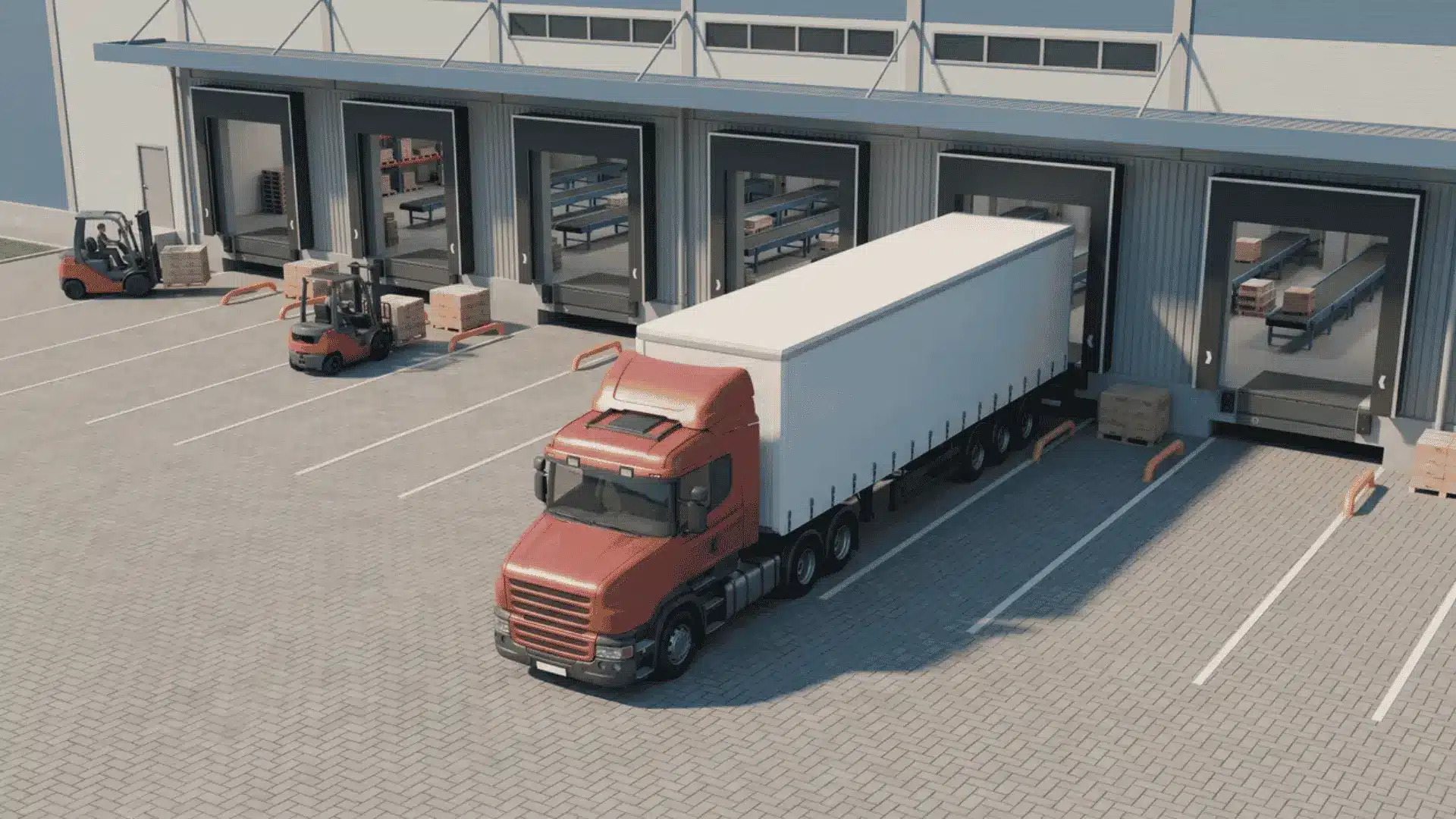
Not all freight management companies do the same thing. The category they belong to determines what they actually deliver, and which operational need they’re built to solve.
1. Freight Management Inc. (FMI): Freight Broker
Non-asset brokers connect shippers to carriers without owning trucks or warehouses. FMI is a U.S.-based example with over 40 years in the industry. They offer:
- Non-asset freight brokerage across multiple modes
- Proprietary TMS technology via their My Freight Manager™ platform
- Port-to-porch logistics solutions for shippers of varying sizes
2. Freight Management Systems (FMS): TMS Provider
TMS platforms give in-house teams the software to manage carrier selection, routing, and audit without outsourcing operations. FMS has been serving freight brokers for over 30 years. They offer:
- TMS software built specifically for freight brokers
- Driver tracking and EDI integration
- eSign agreement tools and carrier setup support
3. Sheer Logistics: 3PL Provider
3PLs handle transportation alongside warehousing and fulfillment under one relationship. Sheer Logistics operates as a managed transportation partner for mid-to-large shippers. They offer:
- Managed transportation services across all freight modes
- Supply chain visibility and analytics
- Dedicated account management for ongoing optimization
4. Covenant Logistics: Asset-Based Carrier
Asset-based carriers own trucks and layer managed services on top. Covenant Logistics brings physical capacity and technology-enabled freight management to the same relationship. They offer:
- Asset-based truckload capacity across major domestic lanes
- Managed freight and dedicated contract services
- Technology-enabled tracking and shipment visibility
Choosing by name recognition alone is a common mistake. Match the provider category to your operational need first: technology, capacity, or full outsourcing, then evaluate specific companies within that category.
Conclusion
Freight management in logistics isn’t just about moving goods. It’s about making smarter decisions at every stage, from carrier selection to final invoice.
Now you know how each stage connects, where things break down, and which provider fits your needs. Use that knowledge to audit your current setup.
Are the right people managing the right stages? Is your mode choice actually saving money? One small fix upstream can prevent costly problems downstream.
Frequently Asked Questions
How do I know when to switch from a freight broker to a 3PL?
When your logistics needs expand beyond carrier access, into warehousing, fulfillment, or multi-mode management, a 3PL becomes the more practical long-term fit.
Can small businesses benefit from freight management systems?
Yes. Even at lower volumes, using a TMS or broker reduces manual errors, improves visibility, and prevents costly mode mismatches that add up over time.
What happens if freight documentation is incomplete at customs?
Shipments can be held, delayed, or fined. Incomplete documentation at customs is one of the most common and avoidable causes of cross-border freight disruption.
Is intermodal freight always cheaper than FTL?
Not always. Intermodal saves on longer hauls where rail legs reduce cost. For shorter domestic lanes, FTL often remains faster and comparably priced.