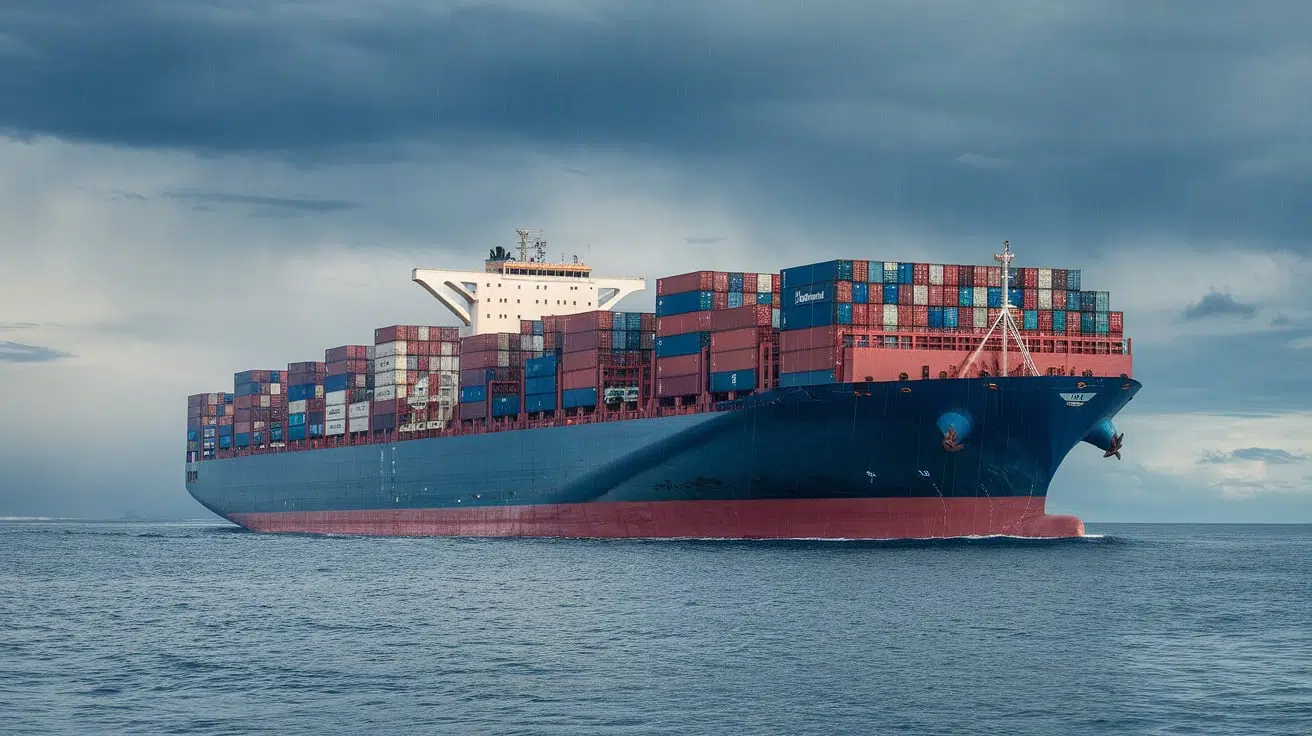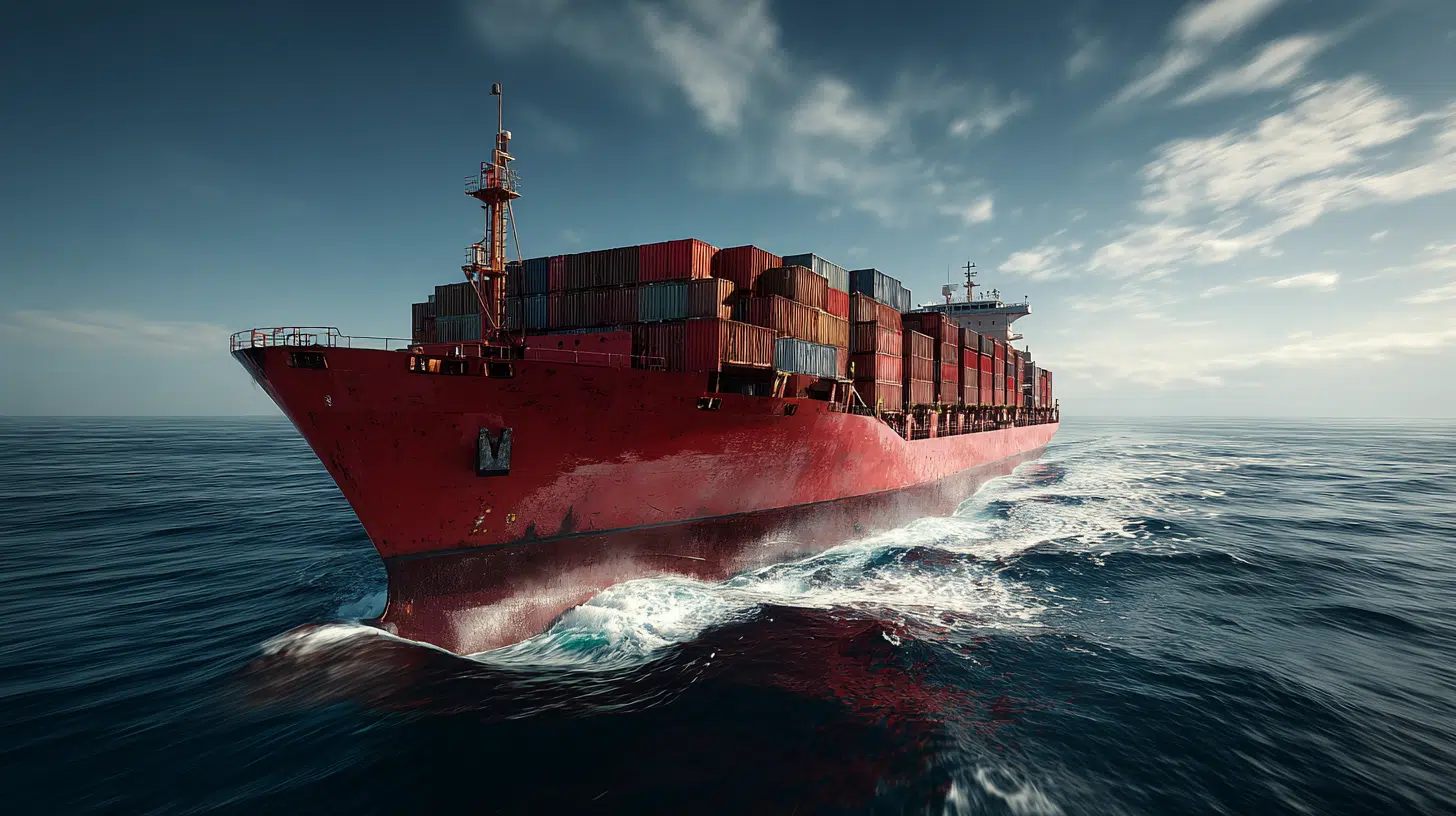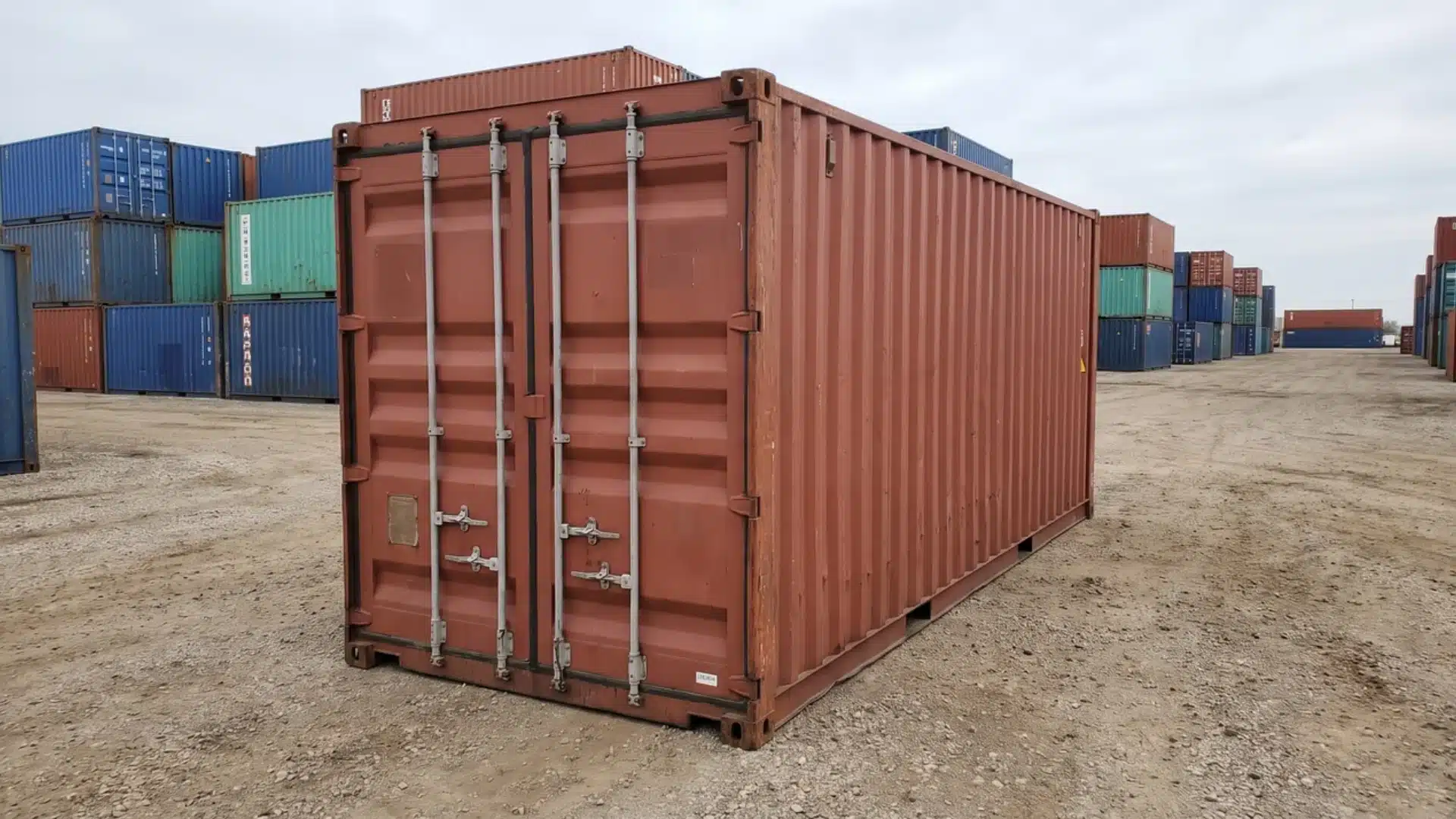
I know how confusing it can be to stand next to a shipping container and still not know if it will fit your project. People assume the width changes a lot between container sizes, the way the length does, but that is not true.
If you are asking how wide shipping containers are, the real answer covers more than one number.
The outside measurement, the inside space, and the door opening can all differ slightly, and mixing them up can cause real problems on moving day.
Here is where that width actually comes from, and where it gets smaller than you expect.
How Wide is a Standard Shipping Container?
Most standard shipping containers are 8 feet wide on the outside, which works out to 96 inches (8 feet) or about 2.44 meters.
This exact figure is not arbitrary. It comes from ISO 668, the international standard that classifies series 1 freight containers by external dimensions.
I have seen that same width across 10-foot, 20-foot, and 40-foot containers, so the length changes far more than the width ever does.
A 20-foot container and a 40-foot container differ mainly in length. High-cube models add height, not extra width.
That is why the outside width stays one of the most consistent measurements when you are comparing common container sizes for storage, transport, or a build.
The catch is what people mean by container width. Most are talking about the exterior measurement, not the usable space inside or the width of the doors.
Those numbers are close, but not identical, and confusing them can create problems with loading, shelving, or planning clearances before the container even arrives on site.
What Are the External, Internal, and Door Widths of a Shipping Container?
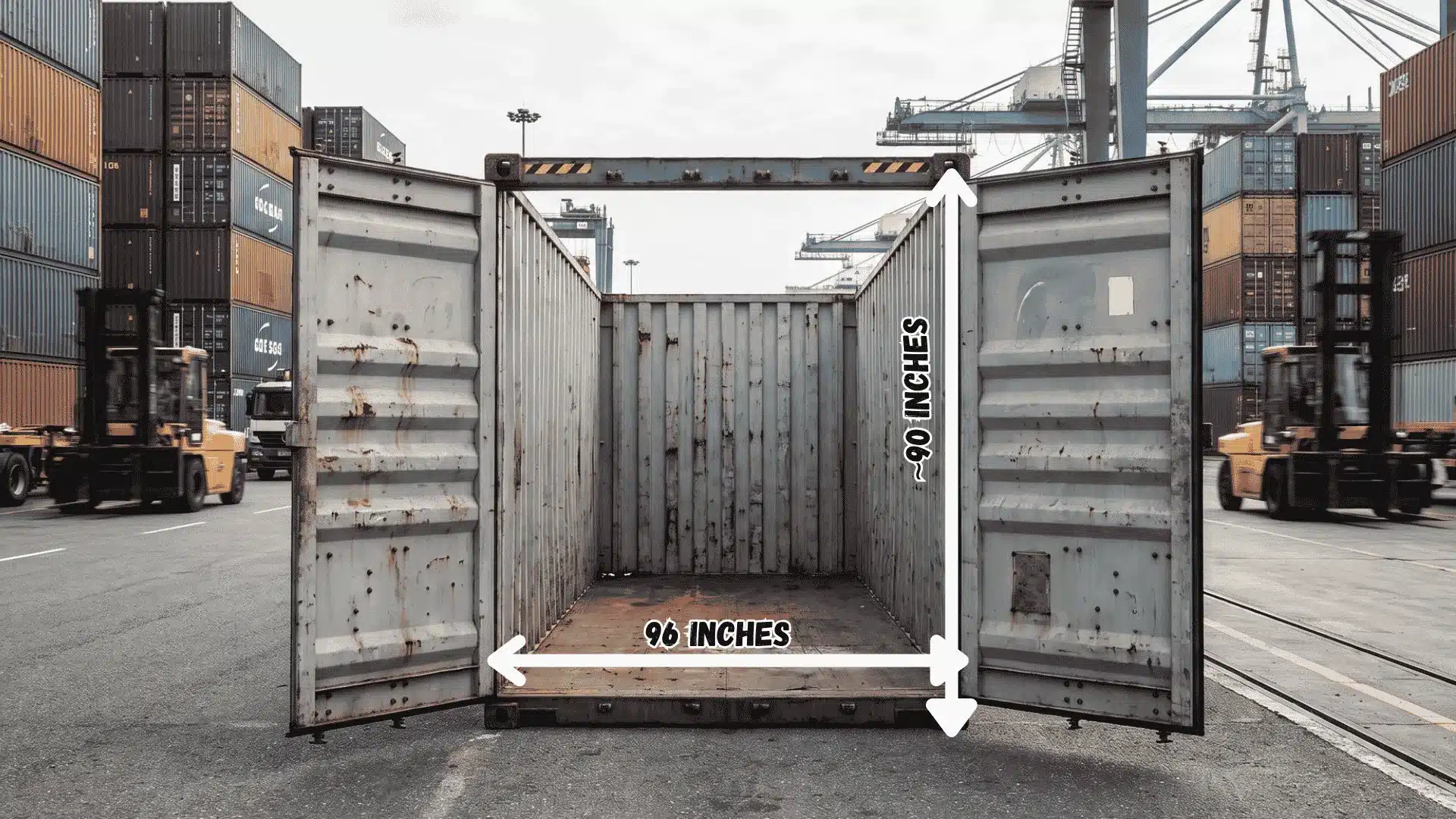
An 8-foot-wide shipping container sounds straightforward until you start planning what actually needs to fit inside it.
The outside measurement is only one factor, and relying on it alone can leave you short on usable space. The three measurements worth knowing are external width, internal width, and door opening width.
Each one answers a different planning question, whether you are placing the container on a site, fitting out the interior, or loading wide cargo through the doors.
1. External Width
External width is the number most people mean when they talk about shipping container size.
On a standard ISO container, it is usually about 8 feet, or 2.44 meters, whether the unit is 10, 20, or 40 feet long.
That measurement matters when you are planning the container’s footprint, delivery access, or clearance around a site. I would not use it for cargo planning, though.
The outside tells you how much space the container takes up, not how much usable room you actually have inside.
2. Internal Width
Internal width is the number that matters once you start fitting things inside.
Most standard containers give you roughly 7 feet 8 inches, or about 2.35 meters, of usable width. The space is smaller because the steel walls, framing, and any added insulation take up room.
That difference can become a real problem with shelving, machinery, pallets, or conversion layouts.
If you are planning a conversion instead of standard storage, I have laid out container house floor plans elsewhere that show how much of that interior width real layouts actually use.
If your fit is going to be tight, check the exact technical drawing for the container you are using. Small manufacturer differences can matter more than they seem.
3. Door Opening Width
Door opening width is easy to overlook, but it can be the measurement that decides whether your cargo gets inside at all. It is usually close to the internal width, but not always exactly the same.
Hinges, locking bars, seals, and door framing can reduce the opening slightly. That means something may fit comfortably once it is inside but still struggle to clear the entrance.
For wide equipment, furniture, pallets, or machinery, measure the door opening before loading day. It is a much easier problem to solve on paper than with a truck waiting outside.
Quick-Reference Width Comparison
Here is how the width numbers stack up across the container types covered on this page, side by side, so you can compare them at a glance instead of digging through paragraphs.
| Container Type | External Width | Internal Width (approx.) | Door Opening (approx.) |
|---|---|---|---|
| 20ft Standard | 8’0″ / 2.44m | 7’8″ / 2.35m | 7’8″ / 2.34m |
| 40ft Standard | 8’0″ / 2.44m | 7’8″ / 2.35m | 7’8″ / 2.34m |
| 40ft High Cube | 8’0″ / 2.44m | 7’8″ / 2.35m | 7’8″ / 2.34m |
| Pallet-Wide | 8’2″ / 2.50m | ~8’0″ / 2.44m | Wider than standard, varies by operator |
| 53ft Domestic | 8’6″ / 2.60m | ~8’2″ / 2.49m | Wider than standard, varies by manufacturer |
Treat these as planning numbers, not certified specs. Confirm exact figures against the CSC plate or spec sheet for the unit you are actually using before you build, load, or order.
Are All Shipping Containers 8 Feet Wide?
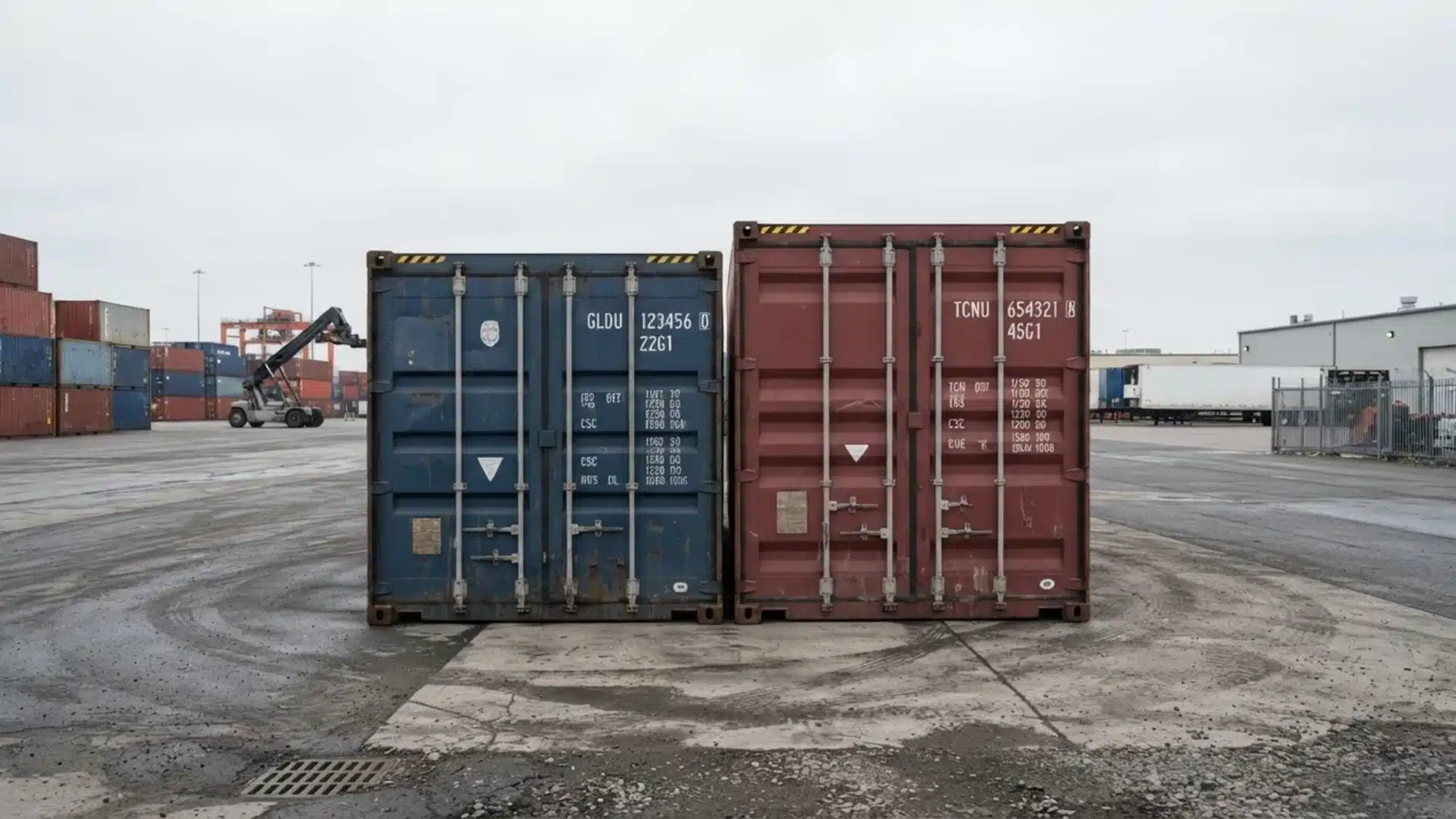
Not every shipping container sticks to the standard 8-foot width. Some are built slightly wider to handle specific pallet sizes, transport systems, or regional freight needs.
The two most common exceptions are pallet-wide containers and 53-foot domestic containers, and each serves a very different purpose.
Pallet-Wide Containers
Pallet-wide containers are slightly wider because they are designed to use pallet space more efficiently, especially in European freight.
- External width: About 8 feet 2 inches
- Metric width: Roughly 2.50 meters
- Main benefit: Less wasted space beside standard pallets
- Common use: European shipping and logistics
That extra width helps pallets sit more efficiently across the floor instead of leaving unused gaps near the walls.
If pallet capacity matters more than standard ocean dimensions, this format can make a noticeable difference.
53-Foot Domestic Containers
A 53-foot domestic container is built for a different transport system than a standard ocean container. It is wider and longer and is mainly used across North America.
- External width: About 8 feet 6 inches
- Main use: Road and rail transport
- Common region: United States and Canada
- Ocean freight use: Generally not standard
If you are comparing domestic transport with international shipping, do not assume the container dimensions match.
These units are typically built to domestic container specifications rather than ISO rules, so their wider body affects clearance, loading, and space planning.
Which Shipping Container Width Should You Use for Planning?
The right shipping container width depends on what you are measuring for. Site planning, interior fitting, and loading all use different numbers, and mixing them up can cause problems later.
This is exactly where storage and build projects tend to lose time.
The exterior number works for laying out a site, but it doesn’t determine whether a doorway, a piece of equipment, or a stack of pallets will actually clear the entrance, so it helps to know which figure applies before you commit to a plan.
| Width Type | When to Use It | Why It Matters |
|---|---|---|
| External width | Site layout, delivery access, and spacing between containers | Shows how much physical space the container needs |
| Internal width | Cargo, shelving, equipment, and conversion layouts | Shows how much usable room is available inside |
| Door opening width | Loading wide furniture, machinery, pallets, or equipment | Confirms whether the item can actually pass through the doors |
Match the measurement to the task before making plans.
If you are coordinating drop-off instead of a build, I have covered shipping container movers separately, including what they need for site access and clearance.
A quick check now can prevent tight clearances, loading delays, and expensive changes once the container is already on site.
Conclusion
Knowing how wide shipping containers are is only useful when you match the right measurement to the right job.
The outside width helps with delivery space and site layout, while the inside width and door opening matter more for cargo, shelving, equipment, or a container build.
Most standard containers stay close to 8 feet wide outside, but pallet wide and domestic containers can change the numbers enough to affect your plan.
That is why guessing from the length alone can lead to tight clearances or costly changes. Before you book, load, or build, check the exact spec sheet for your container and measure the space twice.
Planning a container project? Start with width, then check height next.
Frequently Asked Questions
Are All Shipping Containers 8 Feet Wide?
No, not every container matches that number. Most standard ISO containers, including common 20-foot and 40-foot models, measure about 8 feet, or 2.44 meters, wide on the outside.
Pallet-wide containers built for European freight run closer to 8 feet 2 inches, and some 53-foot domestic containers used across North America reach about 8 feet 6 inches.
How Wide is a 20-Foot Shipping Container?
A standard 20-foot container measures about 8 feet, or 2.44 meters, wide on the outside, the same external width shared by most ISO container sizes. Interior width typically runs closer to 7 feet 8 inches, since the steel walls and framing take up part of the usable space.
Confirm exact numbers before loading day.
How Wide is a 40-Foot Shipping Container?
A standard 40-foot container is also about 8 feet, or 2.44 meters, wide externally, since the extra length does not add any width. Internal width usually sits around 7 feet 8 inches, though exact numbers can shift slightly by manufacturer.
The door opening tends to run close to that internal figure, so measure it directly for wide cargo.
Is a High-Cube Container Wider than a Standard One?
Usually not. A high-cube container typically shares the same 8-foot external width as a standard dry container, since height is the only dimension that changes.
The extra vertical space can matter for tall cargo or ceiling clearance in a conversion project, but it will not add any floor width. Check the spec sheet when exact measurements matter.