You found the house. The kids already picked their rooms, the offer got accepted, and the move date is circled on the calendar. Now comes the part most families rush: figuring out whether the house itself can actually take care of them.
Here’s the uncomfortable truth: 86% of home inspections turn up something that needs to be fixed, and the expensive surprises almost always hide in five systems you can’t see from the driveway.
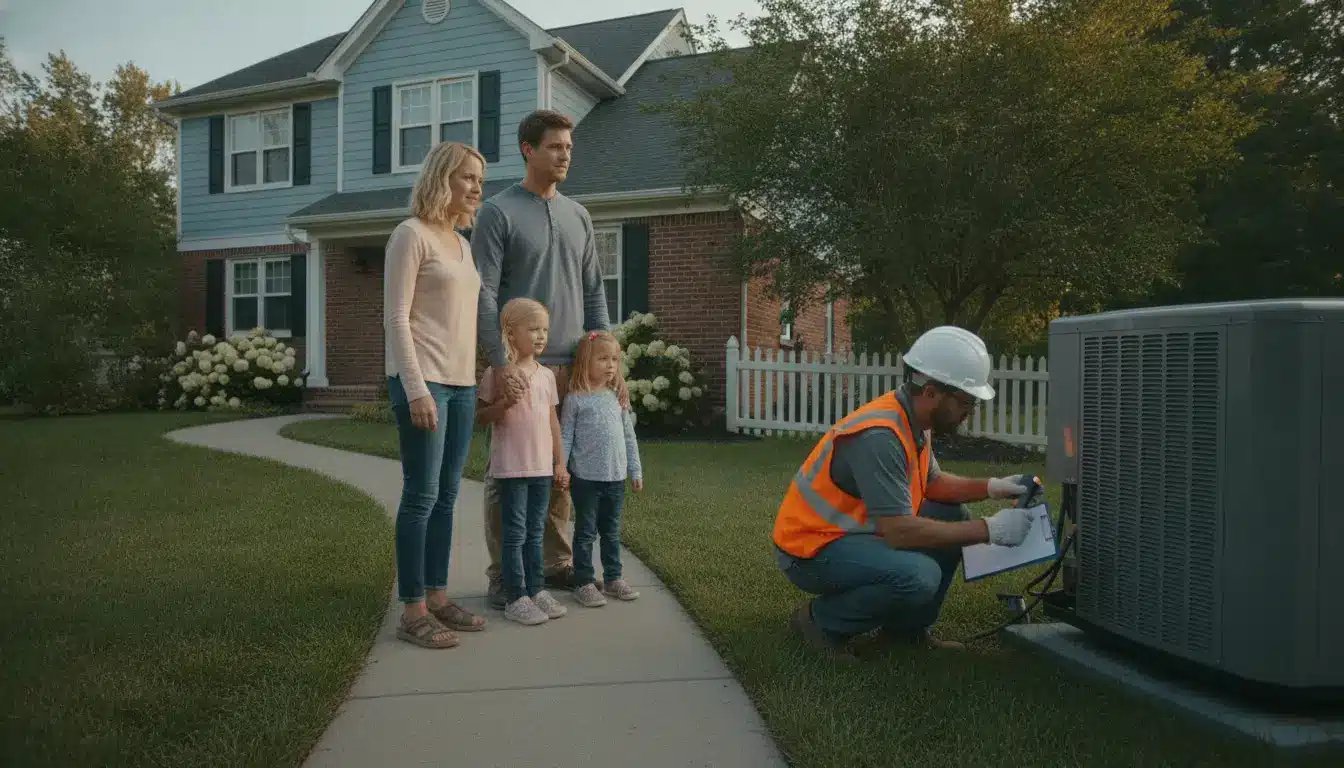
Before you sign anything, get eyes on the AC and furnace, because a failing unit is one of the priciest problems to inherit, and a quick call to a Residential Air Conditioning Service during the inspection window can save you a five-figure headache after you’ve already moved in.
Why This Matters More When You’re Moving a Family
Relocating with kids raises the stakes. In 2024, about 25.87 million Americans moved, and a large share were couples with one or two children chasing more space and better value. When it’s just you, a broken furnace is an inconvenience.
When it’s a house full of kids, a dead AC unit in July or a plumbing leak behind a wall becomes a health-and-safety problem and a cash-flow emergency at the exact moment your savings are already stretched thin from the move.
The systems below are ranked by how often they cause trouble and how much they cost to fix. Walk through each one with your inspector, and treat anything you find as leverage, not just a repair bill.
1. HVAC: The Most Expensive Comfort System in the House
Start here, because this is where the big money lives. Around 20% of inspections reveal HVAC problems, and a full system replacement is brutal on a fresh budget. A new HVAC system runs about $7,500 on average, with most jobs landing between $5,000 and $12,500.
The catch is age. HVAC equipment lasts roughly 12 to 25 years depending on the component, so a 14-year-old unit might run fine during a spring showing and quit on the first 95-degree afternoon after you unpack.
Ask for the install date on the furnace and condenser, look for rust and corrosion, and listen for grinding or short-cycling. Here’s the thing: sellers rarely disclose a system that’s technically working but near the end of its life. A licensed HVAC tech can tell you in one visit whether you’re inheriting five good years or a replacement you’ll be writing a check for by August.
If the unit is over a decade old and struggling, get a professional opinion before you close, not after. That single data point can shift a negotiation by thousands.
2. Electrical: The Cheapest Thing to Miss and the Most Dangerous
Electrical issues show up in 18.7% of inspections, which makes them one of the most common problems in the entire home, and the most common culprit is outdated wiring. This one matters twice over: it’s a safety risk for your family and a quiet budget drain if the panel can’t handle a modern household.
Electrical panels last 25 to 40 years, but “still standing” isn’t the same as “safe.” Older homes often carry knob-and-tube wiring, ungrounded outlets, or panels from brands with known failure histories. With kids in the house, you want grounded outlets near water, working GFCI protection in kitchens and bathrooms, and a panel with enough capacity for the way families actually live now: multiple devices, window units, EV chargers, the works.
Have the inspector open the panel and flag anything aluminum, scorched, or double-tapped. Rewiring a whole house is a five-figure job, so knowing before you close is the difference between negotiating a credit and eating the cost yourself.
3. Plumbing: The Leak You Won’t See Until the Ceiling Does
Roughly 30% of U.S. homes have some form of plumbing leak, and plumbing consistently lands in the top five inspection issues. Water damage is sneaky. It runs behind drywall and under floors for months before it announces itself with a stain or a smell, and by then you’re paying for both the pipe and the mold remediation.
During the inspection, run every faucet, flush every toilet, and check the water pressure. Look under sinks for corrosion and past water marks, and pay attention to the age and material of the supply lines. Homes built before the mid-1980s may still have galvanized steel or, worse, materials that fail without warning. Ask about the sewer line too, because a camera scope of the main line is cheap insurance against one of the nastiest surprises a new homeowner can face.
For a family, a plumbing problem isn’t just cost, it’s disruption. No functioning bathroom on move-in week with kids in the house is a special kind of misery. Verify it works before the truck arrives.
4. Roof: The System Most Likely to Have a Problem
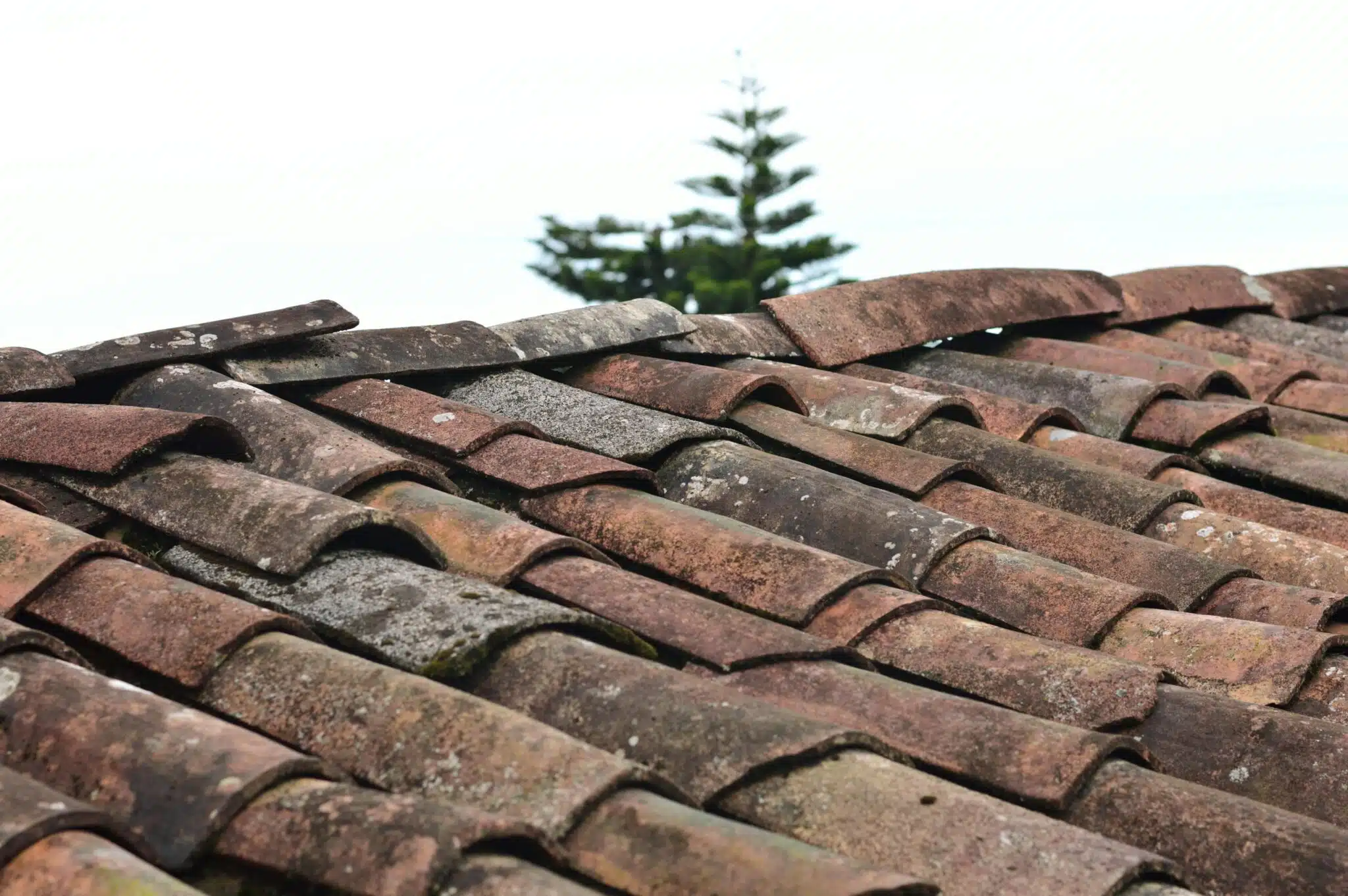
The roof is the single most common trouble spot inspectors find, with roof issues showing up in roughly 35% of inspections and roofing landing among the top five problems overall. It’s also easy to fake a good first impression: a roof can look fine from the curb and be two storms away from leaking.
Asphalt shingle roofs last 15 to 30 years depending on the shingle. Ask for the roof’s age and any records of past repairs or insurance claims. Have the inspector check for curling or missing shingles, soft spots, damaged flashing around chimneys and vents, and any sign of water intrusion in the attic. Attic inspection matters as much as the shingles, because that’s where you’ll spot daylight, staining, or the musty smell of a slow leak.
A full roof replacement is one of the largest expenses a homeowner can face, and unlike a furnace, it protects everything underneath it. A compromised roof quietly damages insulation, wiring, and framing while you sleep. Catch it now, and it becomes a negotiation point instead of a second mortgage.
5. Water Heater: Small Unit, Big Disruption
The water heater rarely makes headlines, but it fails more predictably than almost anything else in the house. Tank water heaters last only 8 to 12 years, which means a house that’s changed hands once or twice is very likely due for one. For a family that runs back-to-back showers, laundry, and dishes, a dying water heater is an everyday problem, not an occasional one.
Check the manufacture date stamped on the unit, look for rust around the base or on the tank, and watch for pooling water or corrosion on the connections. A tank near the end of its life can leak or rupture, and a rupture in a finished basement turns a $1,500 swap into a water-damage claim. It’s a small line item to inspect and an easy one to negotiate, so don’t let it slip through just because it’s not glamorous.
How to Turn These Five Inspections Into a Better Deal
Inspecting these systems isn’t about talking yourself out of a house you love. It’s about walking into it with clear eyes and real leverage. Nearly half of buyers use inspection findings to negotiate a lower price, and the ones who do it well save real money: that $14,000 average reduction is roughly two years of many families’ HVAC and roof reserves combined.
The play is simple. Book a standard home inspection, then bring in a specialist for anything expensive or ambiguous, especially the HVAC system, where age and hidden wear are hard for a generalist to fully judge. If the AC or furnace is on the older side, having a licensed HVAC company evaluate it before you close gives you a documented, dollar-figure basis to ask for a repair, a credit, or a price cut.
Families relocating into a new market can call a trusted local heating and cooling team to check the system, confirm what they’re inheriting, and set up service before the first heat wave hits. That one call protects both your comfort and your closing budget, and it’s a lot cheaper than finding out the hard way in the middle of moving week.
FAQ
Which home system should I worry about most before buying?
The HVAC system, because it’s the most expensive to replace, with a new system averaging around $7,500 and often reaching $12,500 or more. Roof issues are the most common finding at roughly 35% of inspections, but HVAC carries the biggest single price tag, so it deserves the closest look, particularly on any unit older than 10 to 12 years.
Is a standard home inspection enough, or do I need specialists?
A general inspection is a strong starting point, but it’s a broad overview. For big-ticket systems like HVAC, the roof, or the electrical panel, a specialist can catch problems a generalist may miss and give you a precise repair-or-replace cost. That specific number is what makes an inspection finding useful in a negotiation.
How old is too old for a home’s HVAC system?
HVAC equipment generally lasts 12 to 25 years depending on the component, but performance drops well before failure. If the system is past 12 years, running loud, or struggling to keep up, treat it as a replacement risk and get a professional evaluation before closing rather than after.
What’s the easiest expensive problem to overlook?
The water heater. Tank models only last 8 to 12 years and often get ignored during a walkthrough, yet a failed unit can leak, flood a finished space, and turn a routine replacement into a costly water-damage claim. Check the manufacture date and look for rust before you close.