Quick Takeaways
- Water damage isn’t always visible. Moisture can hide behind walls, beneath flooring, and inside ceilings.
- Acting within the first 24 to 48 hours helps reduce structural damage and lowers the risk of mold growth.
- Professional restoration companies use specialized equipment that removes hidden moisture and restores affected areas properly.
- Ignoring early warning signs can lead to more expensive repairs down the road.
Why Acting Fast Matters
Water has a way of spreading far beyond the area where the leak or flood started. It can soak into drywall, insulation, wood framing, and flooring before you notice any obvious damage. Even when surfaces look dry, trapped moisture may continue affecting your home for days or weeks.
That’s why early intervention is so important. The sooner water damage is addressed, the easier it is to prevent long-term issues like mold, wood rot, and structural deterioration.
If you notice any of the warning signs below, it’s worth having your property inspected by CAMCO Water Damage Restoration. Professional equipment can detect hidden moisture that household fans and dehumidifiers often miss.
1. Standing Water Doesn’t Disappear
Puddles left after a plumbing leak or storm should never be ignored.
Standing water quickly seeps into flooring, baseboards, drywall, and structural framing. Within hours, moisture begins spreading into areas that aren’t immediately visible.
Professional water extraction equipment removes moisture much faster than standard household tools, helping minimize further damage.
2. Your Home Has a Musty Smell
A persistent musty odor is often one of the earliest signs that moisture is trapped inside your home.
Even if you can’t see water, damp building materials create ideal conditions for mold growth.
Professional moisture detection tools help locate hidden water before it becomes a larger problem.
3. Water Stains Are Appearing
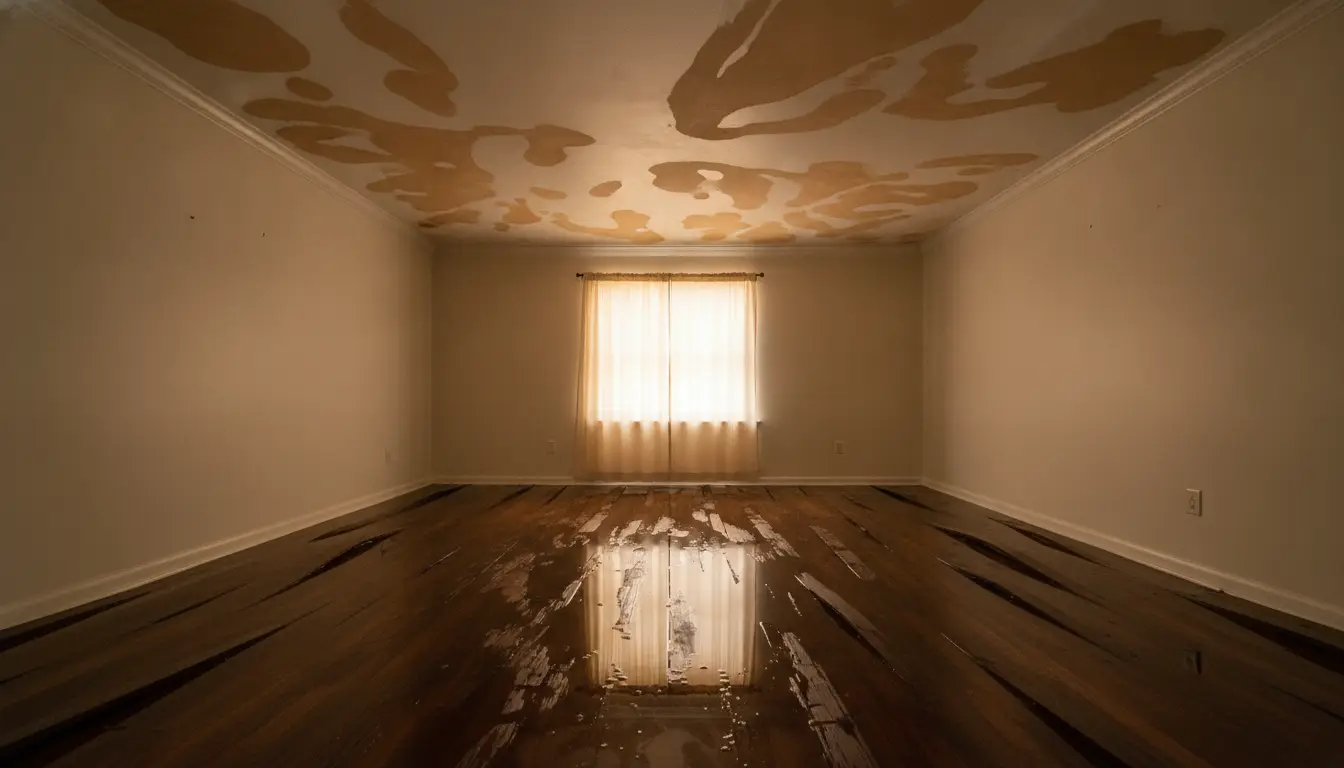
Brown stains on ceilings, bubbling paint, peeling wallpaper, or discolored drywall usually indicate that water has been present for some time.
Ignoring these signs rarely makes the problem disappear. Moisture can continue spreading behind finished surfaces and weaken the structure over time.
Having the source identified and professionally dried helps prevent additional damage before repairs begin.
4. Your HVAC System Has Been Affected
Water doesn’t just damage walls and flooring—it can also affect your heating and cooling system.
Moisture inside ductwork, condensate lines, or HVAC components may reduce efficiency, impact indoor air quality, and contribute to hidden mold growth.
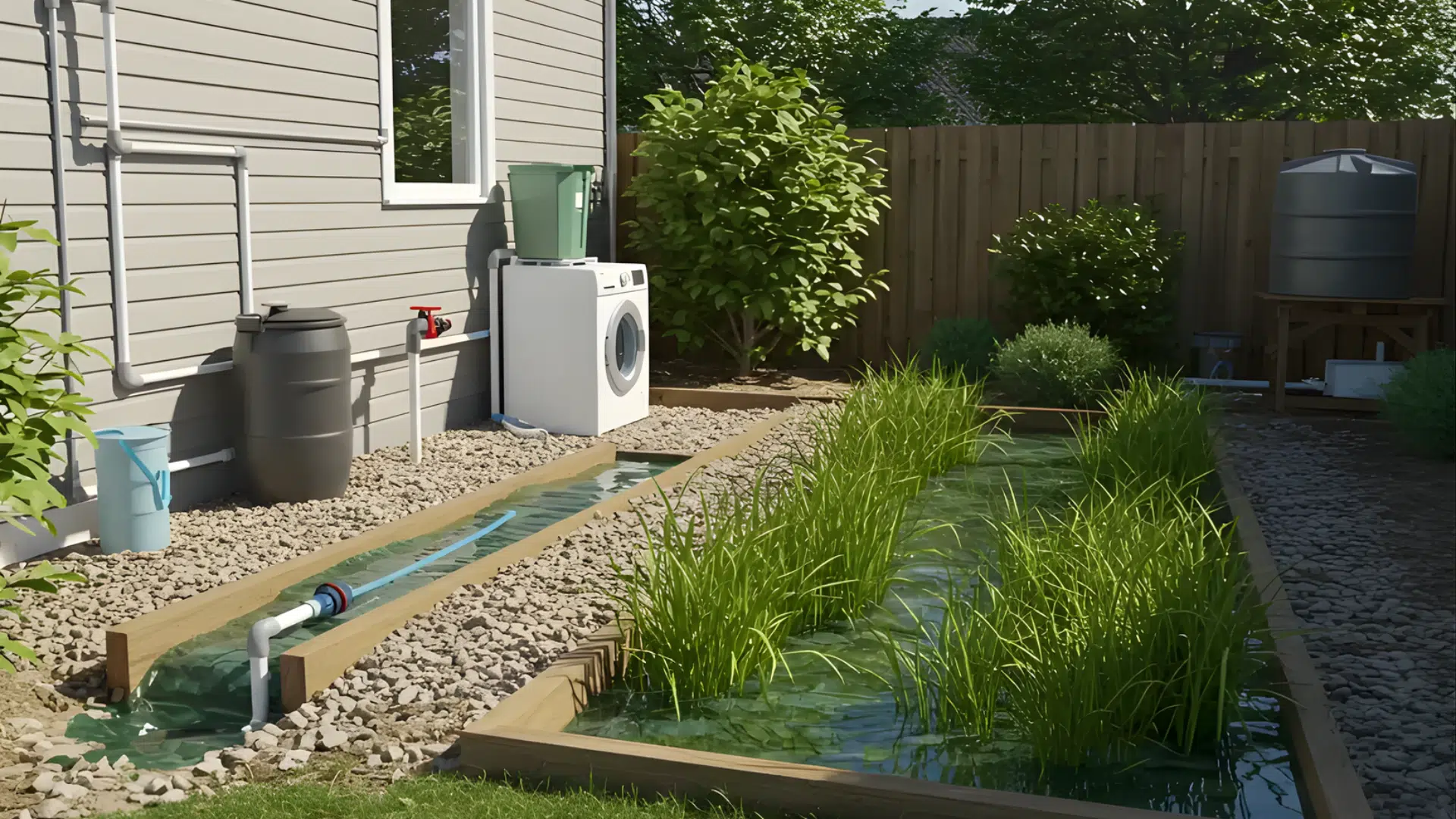
If your HVAC system has been exposed to water, learn more about water damage and HVAC drainage solutions to understand why proper inspection is an important part of the restoration process.
5. Floors Feel Soft, Warped, or Uneven
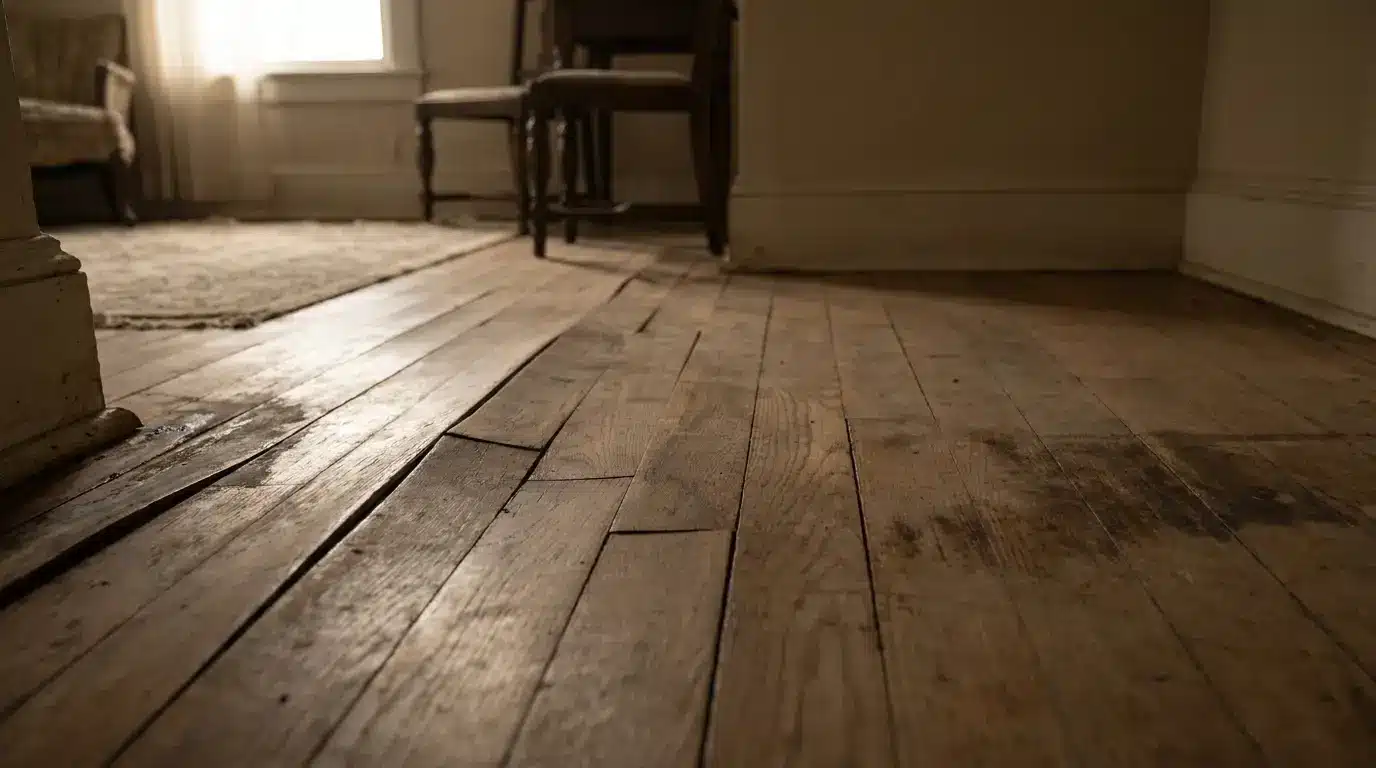
Water often settles beneath flooring before visible damage appears.
Signs include:
- Warped hardwood
- Buckled laminate
- Soft spots underfoot
- Loose tiles
- Cracked grout
These issues usually indicate that moisture has penetrated below the surface and requires professional drying.
6. Mold Starts Growing
Mold can begin developing surprisingly quickly after water exposure.
Common areas include:
- Behind drywall
- Under carpets
- Around windows
- Inside cabinets
- Crawl spaces
- Basements
Since mold often spreads beyond what’s visible, professional remediation is usually the safest solution.
7. Your Property Experienced Storm or Flood Damage
Heavy rainfall and severe storms are common causes of water damage throughout Nashville.
Floodwater may contain contaminants that require specialized cleanup procedures. Professional restoration companies follow industry standards to safely remove contaminated water, dry affected materials, and restore your property.
8. A Burst Pipe or Plumbing Leak Has Occurred
Burst pipes can release hundreds of gallons of water in just a few hours.
Even slow leaks hidden inside walls can cause significant damage before they’re discovered.
Quick action helps reduce repair costs and prevents secondary issues like mold growth and structural weakening.
What Happens During Professional Water Damage Restoration?
A professional restoration company typically follows these steps:
| Step | Purpose |
|---|---|
| Inspection | Assess the extent of the damage |
| Water Extraction | Remove standing water quickly |
| Moisture Detection | Locate hidden moisture |
| Structural Drying | Dry walls, flooring, and framing |
| Sanitization | Reduce bacteria and mold risks |
| Restoration | Repair damaged materials and return the property to its original condition |
This structured process helps ensure your home is thoroughly restored rather than simply dried on the surface.
Final Thoughts
Water damage rarely fixes itself. In fact, the longer moisture remains inside your home, the greater the risk of structural damage, mold growth, and costly repairs.
If you notice standing water, unusual odors, water stains, warped flooring, or signs of mold, don’t wait for the damage to worsen. Professional restoration can help protect your home, preserve your property, and restore your peace of mind.
Frequently Asked Questions
How Do I Know if Water Damage Is Serious?
Water damage should be taken seriously if you notice standing water, water stains, mold, musty odors, or structural changes such as warped flooring or sagging ceilings. Hidden moisture can continue causing damage even when surfaces appear dry.
How Quickly Should Water Damage Be Addressed?
Ideally, water damage should be addressed within 24 to 48 hours. Acting quickly helps reduce structural damage and lowers the risk of mold growth.
Can I Clean Up the Water Damage Myself?
Small spills may be manageable, but larger leaks, flooding, or hidden moisture often require professional equipment to ensure your property is thoroughly dried and restored.
Does Water Damage Always Lead to Mold?
Not always, but mold can begin growing within one to two days if moisture isn’t removed. Prompt drying significantly reduces the risk.
What Should I Do First After Discovering Water Damage?
If it’s safe, stop the source of the water, turn off electricity in affected areas if necessary, remove valuable belongings, and contact a professional restoration company as soon as possible.