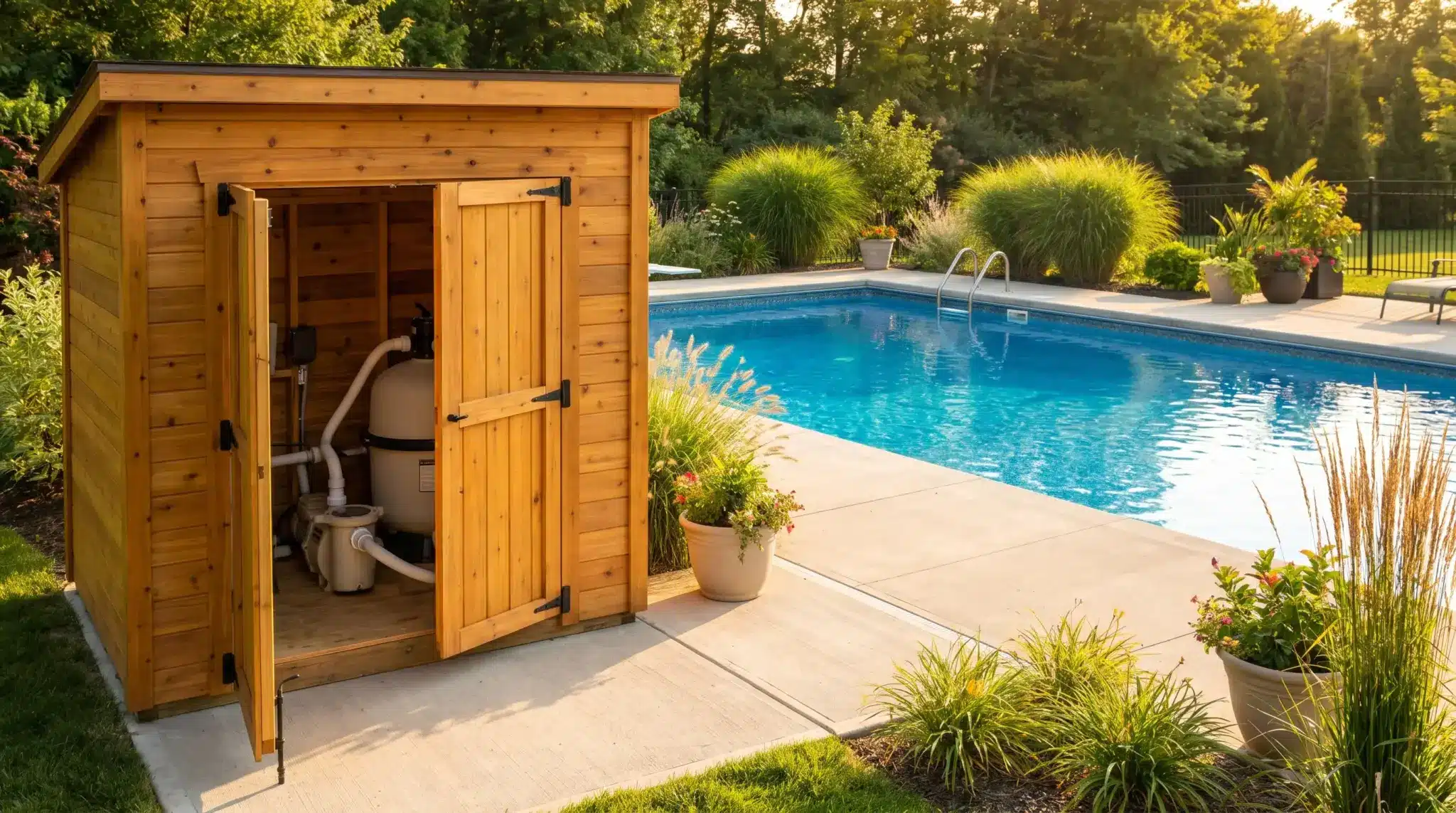
If you’ve ever owned a backyard pool, you know how much time and money it takes to keep the water crystal clear and the equipment in top shape. Pumps, filters, and heaters are all high‑ticket investments that make your pool function smoothly — but they’re also vulnerable to weather, debris, and neglect. The good news? A simple, affordable addition to your yard could protect that investment and save you thousands of dollars in the long run: a dedicated pool equipment shed.
The Hidden Costs of Exposed Pool Equipment
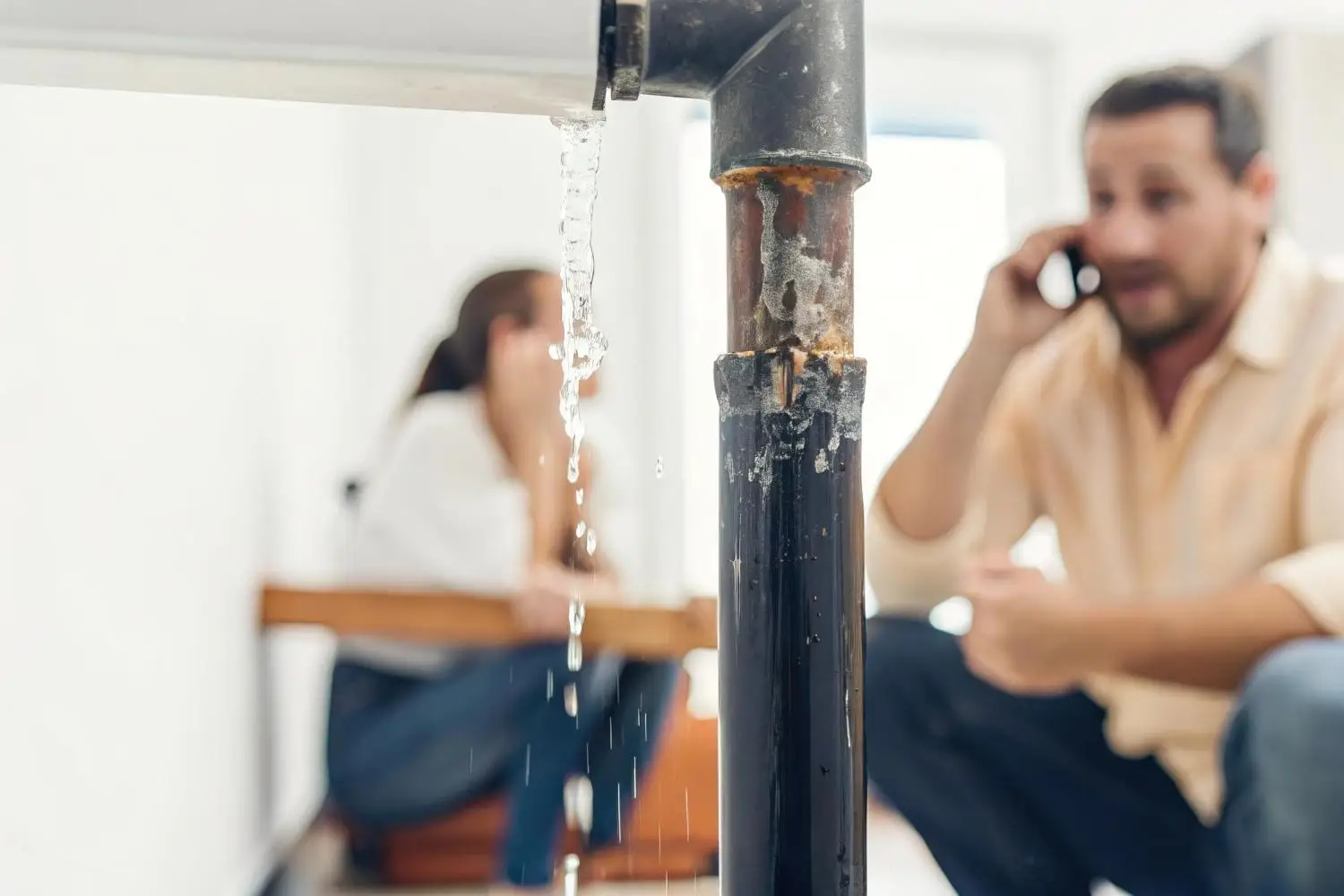
Pool equipment typically lives outdoors, often in direct sunlight or near splashing water. While these components are designed to handle some exposure, constant contact with the elements can significantly reduce their lifespan. UV rays dry out rubber seals and hoses, rain accelerates rust, and falling leaves or debris can clog delicate mechanisms. Over time, even minor exposure adds up to serious deterioration.
Imagine replacing a corroded heater or burned‑out pump every few years. The replacement alone can cost between $800 and $2,500, not including labor. Add in recurring maintenance and emergency service calls, and your pool’s operating costs skyrocket. A shed designed for pool equipment functions like insurance — a one‑time expense that shields your investment year after year.
Why Protection Matters More Than You Think
Moisture, heat, and pests are silent saboteurs of pool systems. Without protection, equipment often faces:
- Corrosion and electrical damage. Metal fittings, circuit boards, and wiring don’t mix well with constant humidity.
- Sun‑related wear. Prolonged UV exposure breaks down plastic housings and fades control panels.
- Pest interference. Rodents and insects are drawn to warm, sheltered crevices in pool heaters and automation panels.
- Temperature fluctuations. Extreme heat or cold can impair performance and cause fittings to contract and crack.
A simple shed provides consistent shelter that stabilizes temperature and prevents dust, rain, and pests from sneaking in. It’s the difference between running equipment for 10 years instead of five — and cutting major costs without sacrificing pool enjoyment.
What Makes an Ideal Pool Equipment Shed
Not every storage structure is created equal. The best setup balances ventilation, accessibility, and durability.
Here’s what to look for:
- Weather resistance. Choose materials such as vinyl, resin, or pressure‑treated wood that can withstand poolside conditions without warping or rotting.
- Ventilation. Equipment produces heat, so your shed needs air vents or louvered panels to prevent overheating.
- Drainage. Position the shed on slightly elevated ground or use a base that allows water to drain away after rain.
- Easy access. Double doors or a removable roof panel make routine maintenance simple and safe.
- Security. Lockable doors keep expensive pool controls and accessories protected from tampering.
A large shed may seem excessive at first glance, but having extra space lets you store tools, chemicals, hoses, and cleaning supplies neatly in one place. This organization makes maintenance more efficient and reduces clutter around your pool deck.
Installation Tips That Maximize Longevity
You don’t need to be a contractor to set up an efficient pool shed. Most homeowners can complete the project with basic tools and planning. Start by measuring the footprint of your existing equipment area, then add about two feet of clearance around pumps and filters to ensure easy access. Choose a level spot with adequate runoff, ideally with some shade. Installing a moisture‑resistant foundation — such as a gravel base or concrete paver platform — helps prevent flooding and keeps your shed structure sound for decades.
For additional protection, line the interior walls with foam insulation or weatherproof panels. This helps regulate temperature and dampens the noise from pumps and motors. You can also install modest shelving to keep smaller supplies off the ground, minimizing spills and moisture contact.
A Smart Way to Boost Property Value
A tidy, functional pool area doesn’t just safeguard equipment — it also enhances your home’s appeal. Buyers appreciate organization and low‑maintenance features, and a dedicated equipment shed checks both boxes. It communicates care, planning, and attention to detail. In many cases, the cost of materials and installation is recouped through reduced maintenance calls and improved overall appearance.
Homeowners who invest in consistent protection often find their equipment warranties remain valid longer, too. Many manufacturers specify that machinery must be kept free from environmental damage. Housing your system in a shed helps meet those requirements effortlessly.
Going Beyond Functionality
Think of your pool shed as more than a storage space. With a few design upgrades, it can blend beautifully into your backyard aesthetic. Add matching trim or paint it to complement your fence and deck. Small details, such as decorative lighting or surrounding plants, can make the structure look intentional rather than purely utilitarian.
If you maintain large water features or commercial‑sized pools, you might even include space for accessories like vacuum hoses or a pool cleaner for large pools, keeping every piece of equipment protected, organized, and ready to go.
A pool shed is one of those unsung backyard upgrades that quietly delivers big returns. For a modest upfront cost, it shields your equipment from weather damage, extends the life of your investment, and simplifies maintenance. Instead of shelling out thousands every few seasons for replacements, you’ll enjoy a well‑protected system that runs smoothly year after year.
So before the summer season kicks in, consider giving your pool tools the shelter they deserve. A simple shed today could be the reason you save thousands tomorrow.