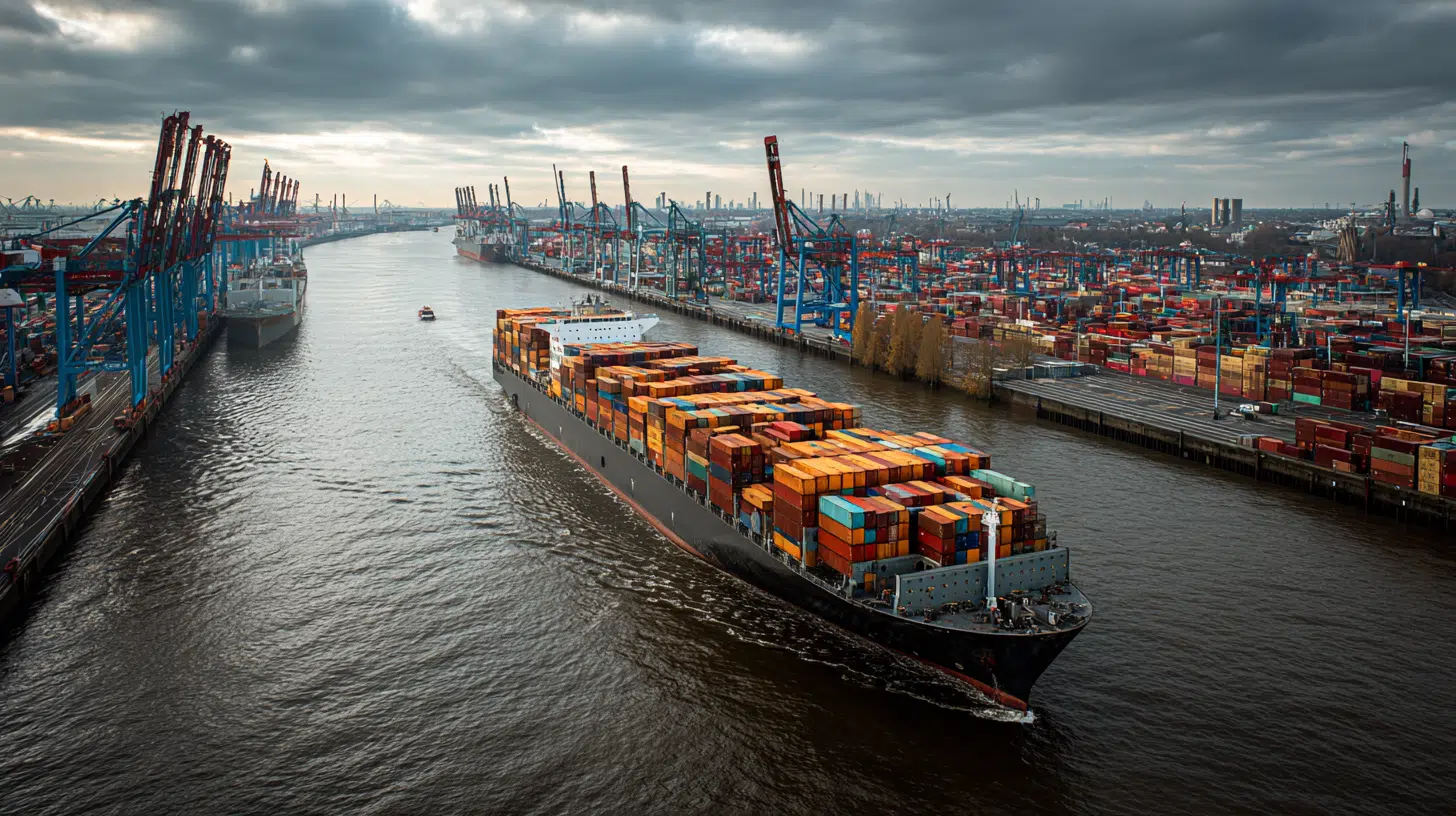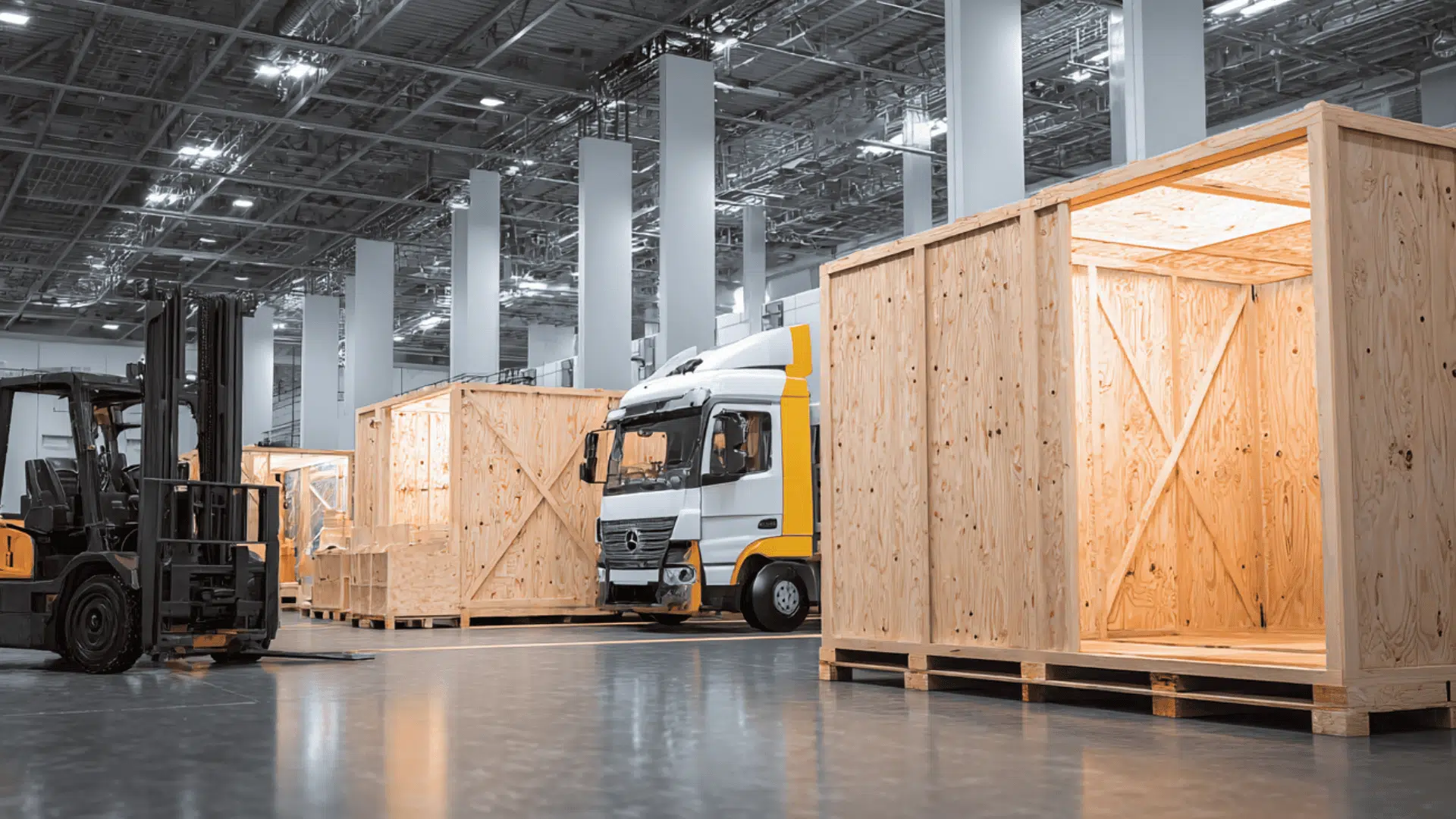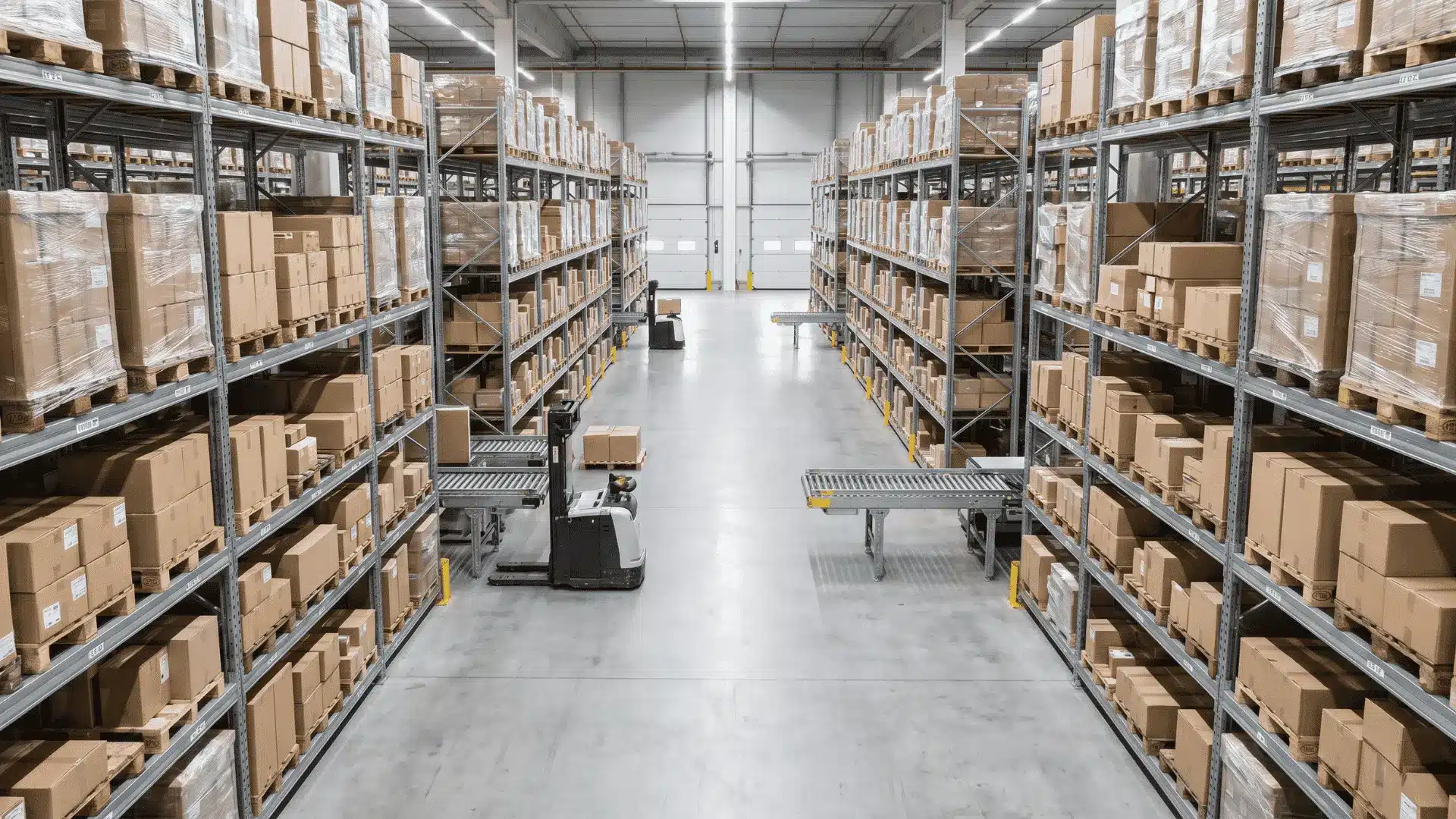
Moving boxes from a warehouse to a customer’s door sounds simple until you watch what actually happens behind the scenes of any growing business.
Coordinating suppliers, transportation routes, inventory levels, and delivery windows requires more than good intentions, since one missed handoff can cascade into late shipments and frustrated customers.
Mid-sized retailers often discover this during peak seasons, when warehouses overflow with stock while orders sit pending because the systems connecting supply to demand simply weren’t built for the surge.
Even thoughtful planning meets resistance from delays, supplier shortages, and unpredictable spikes, which is why proper logistics management matters for anyone trying to keep operations running smoothly.
Understanding What Logistics Management Is
Logistics management plans, implements, and controls the movement and storage of goods, services, and information across an entire operation, from origin point to final destination.
The goal is getting the right products to the right customers at the right time while keeping costs low and efficiency high throughout the process.
In simpler terms, logistics management ensures everything in the supply chain moves smoothly, so products reach their destination on time and in the best possible condition.
Logistics management is a key part of supply chain management, focusing specifically on the handling and movement of physical goods rather than broader sourcing strategy.
While the two terms are often used interchangeably, they cover different ground. Supply chain management coordinates everything: sourcing raw materials, supplier relationships, manufacturing, and final delivery.
Logistics management operates within that broader system, focusing specifically on physical movement and storage.
Key Components of Logistics Management
Logistics management includes several core components, each playing a distinct role in ensuring operations run efficiently from warehouse to doorstep.
- Transportation: Moving goods between locations is crucial for meeting deadlines and keeping costs manageable. Without effective management, shipments arrive late, damaged, or at margin-eroding costs.
- Inventory Control: Tracking stock accurately prevents two costly extremes, overstocking that ties up capital in storage fees, and stockouts that translate directly into lost sales.
- Warehousing: Organized storage ensures items are easy to locate and retrieve when needed, cutting the labor time between order placement and actual shipment.
- Material Handling: Moving goods within a warehouse or facility carefully reduces damage rates and keeps products flowing at pace, rather than stalling in manual sorting queues.
- Order Processing: Receiving, packing, and shipping orders accurately and quickly matters most here, since this is the last handoff before customers see any errors firsthand.
These components work together to maintain smooth logistics operations and deliver products efficiently, forming the operational backbone of the entire supply chain.
The 7 Rs of Logistics
The 7 Rs of logistics are guiding principles that help ensure that logistics operations are efficient and meet customer expectations. Here’s a breakdown:
| Principle | Description |
|---|---|
| Right Product | The correct item must be delivered. |
| Right Quantity | The amount of goods delivered must match the order. |
| Right Condition | Goods should be delivered in good condition, without damage. |
| Right Place | Delivering to the correct location is critical for customer satisfaction. |
| Right Time | Products must be delivered on time to meet deadlines and avoid delays. |
| Right Customer | The customer must receive the product they ordered. |
| Right Cost | Keeping delivery costs under control is essential for business profitability. |
These principles make logistics management efficient and help businesses meet customer needs.
Why is Logistics Management Important?
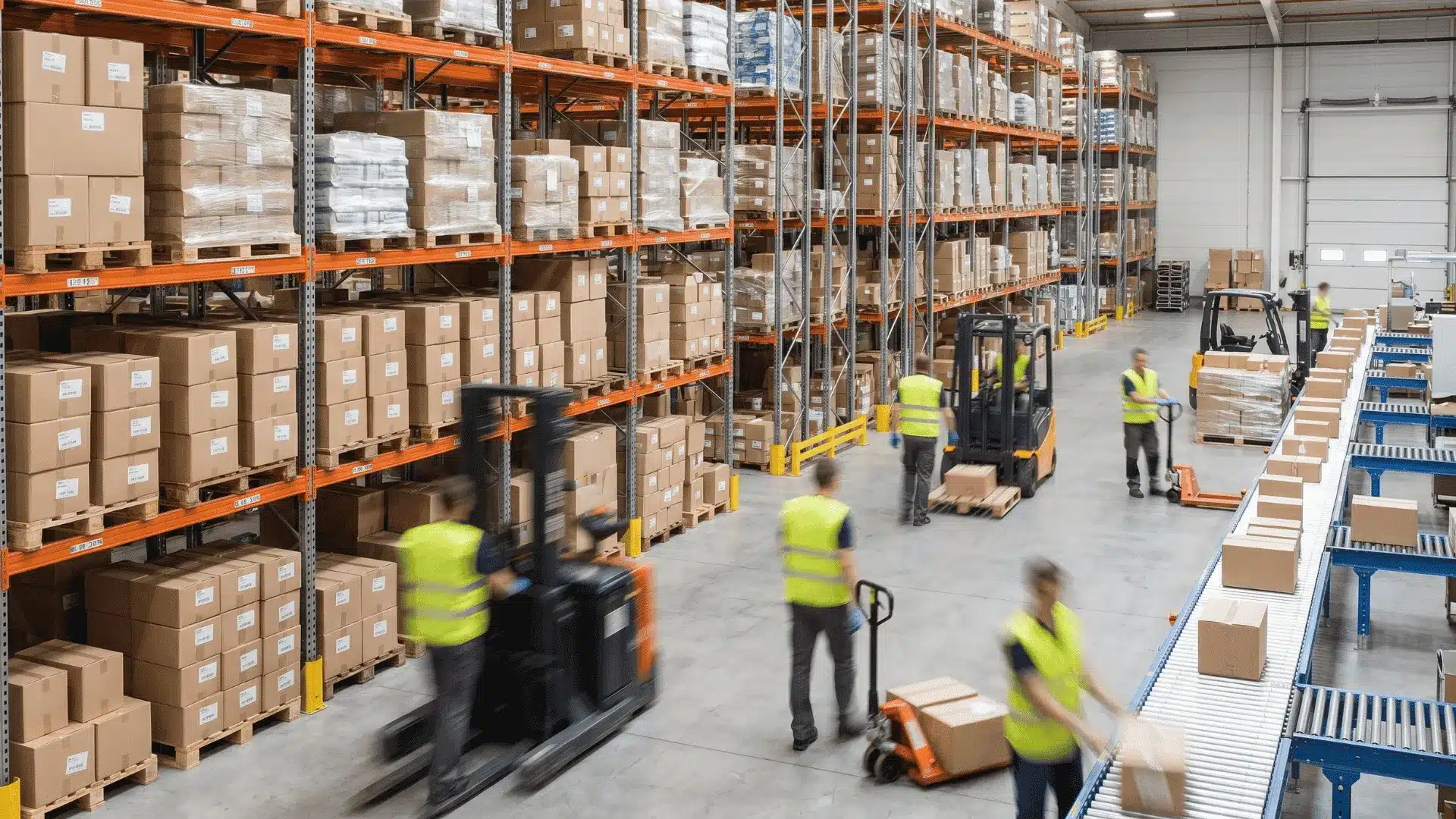
Efficient logistics management is vital for any business that wants to remain competitive, helping streamline operations and reduce costs across every stage of the supply chain.
Without a proper strategy, companies face delays, higher expenses, and poor service, which can ultimately hurt their reputation and profitability over time.
In today’s fast-paced world, customers expect quick deliveries, accurate order fulfillment, and competitive prices, leaving little room for operational missteps.
Businesses that manage logistics efficiently are better positioned to meet these demands, outperform competitors, and scale their operations without sacrificing service quality.
Impact on Cost Efficiency
Efficient logistics management directly improves cost efficiency by reducing operational expenses while maintaining the service quality customers have come to expect.
Careful planning of transportation routes minimizes fuel costs and prevents delivery delays, ensuring goods reach their destination on time without incurring extra expenses.
Proper inventory management avoids overstocking or understocking, which reduces wasted resources and prevents the lost sales opportunities that come with empty shelves.
Effective warehousing practices streamline storage and make products easier to access, cutting down on unnecessary labor and handling costs throughout the process.
Together, these strategies save money and improve profit margins while keeping day-to-day operations running smoothly and predictably.
Customer Satisfaction
Customer satisfaction depends heavily on timely delivery and accurate orders, since efficient logistics ensure products reach customers when expected, reducing frustration.
Accuracy in fulfilling orders is essential. Proper inventory control lets businesses send the correct product to the right customer, minimizing returns and complaints.
Product availability matters too. Companies that manage logistics well keep items in stock to meet demand, which strengthens customer trust and loyalty.
When logistics are handled effectively, customers are more likely to trust the business and make repeat purchases, directly supporting long-term success.
Scalability and Business Growth
Logistics management plays a vital role in supporting growth, since an expanding company’s logistics system must scale to handle higher demand and complexity.
Efficient management allows businesses to process larger order volumes without significantly increasing costs, keeping operations smooth and cost-effective at scale.
For companies expanding globally, logistics becomes even more critical, ensuring cross-border transactions run smoothly and regulatory requirements are met on time.
Flexibility matters as well. A logistics system that adapts to changing market conditions and customer needs helps businesses stay agile and responsive.
Overall, strong logistics management provides the infrastructure necessary for growth, enabling expansion without compromising efficiency or service quality.
Types of Logistics Management
Logistics management also involves the movement of raw materials, goods, and even returns, falling into four main categories that businesses use depending on where goods sit in the supply chain.
| Type | Process | Practical Approach | When to Use |
|---|---|---|---|
| Inbound Logistics | Moving raw materials from suppliers to the business, including transport and storage. | Build strong supplier relationships and optimize transport to cut costs and delays. | Manufacturers or construction companies reliant on raw materials. |
| Outbound Logistics | Order fulfillment, packaging, and shipping finished products to customers. | Maintain accurate inventory, efficient warehousing, and timely shipping. | Retailers or e-commerce brands selling directly to customers. |
| Reverse Logistics | Handling returns, exchanges, and recycling, including inspection and resale decisions. | Build efficient return systems to cut costs and support sustainability. | Businesses with frequent returns, like e-commerce or electronics. |
| Third-Party Logistics (3PL) | An external provider manages logistics using its own facilities and carriers. | Use 3PL to reduce capital costs and scale quickly. | E-commerce firms, new market entries, or low-volume operations. |
Each type plays a distinct role in the supply chain, and understanding when to apply each one helps businesses operate with maximum efficiency.
Challenges in Logistics Management
Here are the most common logistics challenges and ways to overcome them:
- Poor Route Planning: Leads to higher costs from delays and fuel, plus possible penalties. A TMS for route optimization and real-time tracking helps reroute shipments and notify customers proactively.
- Inventory Mismanagement: Wastes money on excess stock while causing lost sales from shortages. A WMS tracks inventory, prevents stock errors, and manages levels efficiently across locations.
- Lack of Visibility: Drives customer dissatisfaction and forces staff to spend time fixing avoidable errors. Real-time shipment tracking enables progress monitoring and earlier issue detection.
- Supply Chain Interruptions: Cause delays, shortages, unhappy customers, and higher costs overall. Continuous shipment tracking helps detect disruptions early and coordinate alternative suppliers or rerouting.
- Regulatory and Compliance Issues: Result in fines, shipment delays, and reputational damage. Monitoring compliance through logistics software prevents legal issues and keeps regulatory standards in check.
- General Operational Inefficiency: Forces staff to spend time firefighting problems instead of focusing on operations. Automation reduces manual tasks, freeing staff for strategic work and streamlining logistics overall.
Left unaddressed, these challenges compound quietly, but with the right systems in place, most are preventable rather than inevitable.
Wrapping Up
Logistics management goes beyond simple product movement; it’s about creating a resilient system that keeps operations running smoothly even under pressure.
While technology and strong supplier relationships improve control, flexibility remains essential as unexpected disruptions are inevitable.
Businesses that treat logistics as a strategic function, not just an operational necessity, are better positioned to absorb disruptions, control costs, and deliver consistently as they grow
Frequently Asked Questions
What is logistics management in simple terms?
Logistics management plans, implements, and controls the movement and storage of goods across the supply chain, from sourcing to final delivery. The goal is making sure the right products reach the right customers at the right time, while keeping operations efficient and costs under control throughout the entire process.
What are the main types of logistics?
The main types include inbound logistics, which handles raw materials moving from suppliers to a business, and outbound logistics, which covers delivering finished goods to customers through warehousing and distribution. Reverse logistics manages returns, recycling, and recalls, while third-party logistics involves outsourcing some or all of these functions to an external provider.
What are the 7 R’s of logistics?
The 7 R’s outline what efficient logistics should consistently deliver: the right product, in the right quantity, in the right condition, to the right place, at the right time, for the right customer, at the right cost. Together, these principles act as a checklist businesses can use to evaluate whether their logistics operations are actually working as intended.
What are common logistics challenges?
Common challenges include poor route planning that drives up fuel costs and delays, inventory mismanagement that leads to overstocking or stockouts, and a lack of real-time visibility into shipments. Supply chain interruptions, regulatory compliance issues, and general operational inefficiency also disrupt logistics, increasing costs, reducing efficiency, and ultimately harming customer satisfaction and trust.