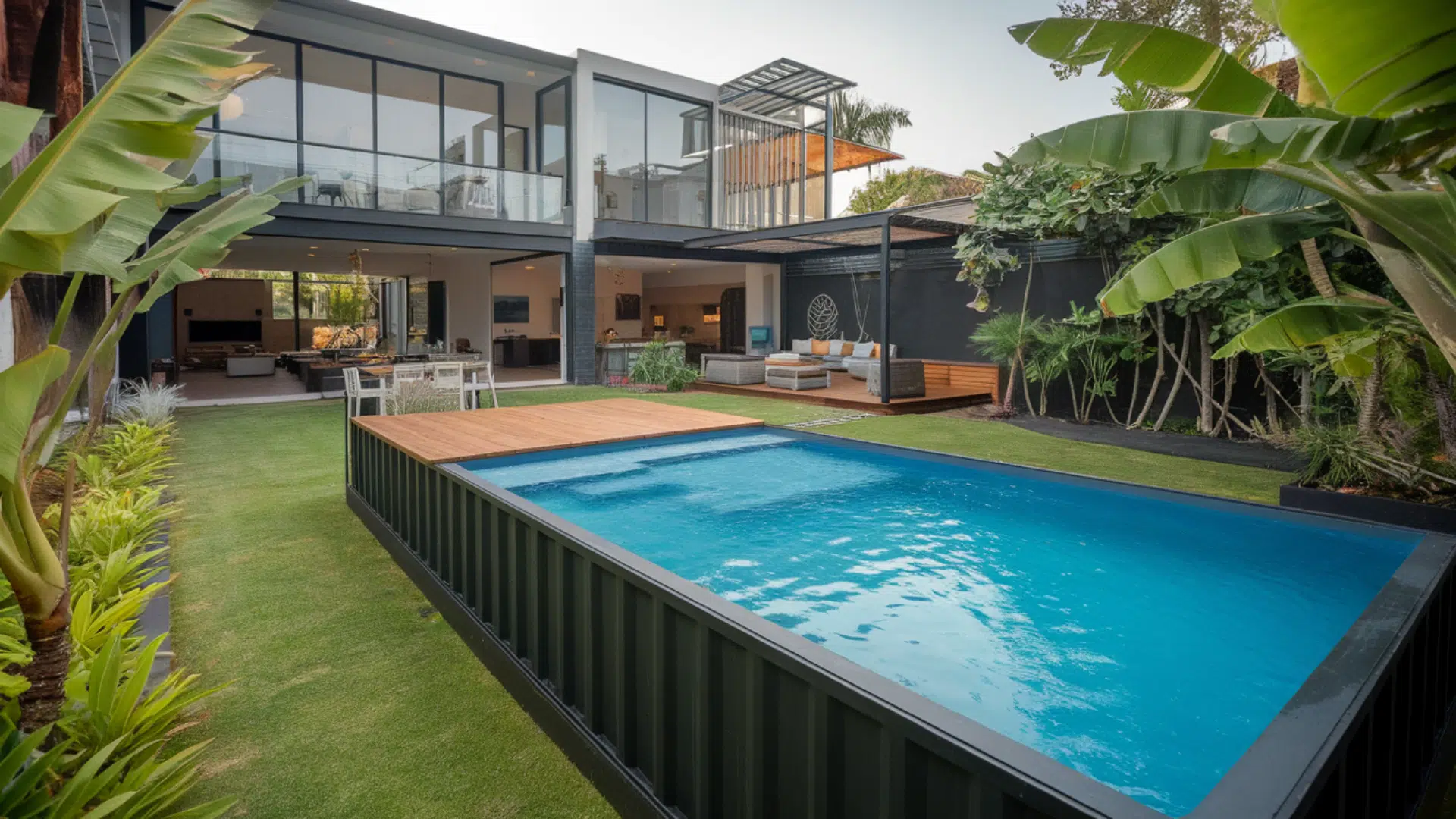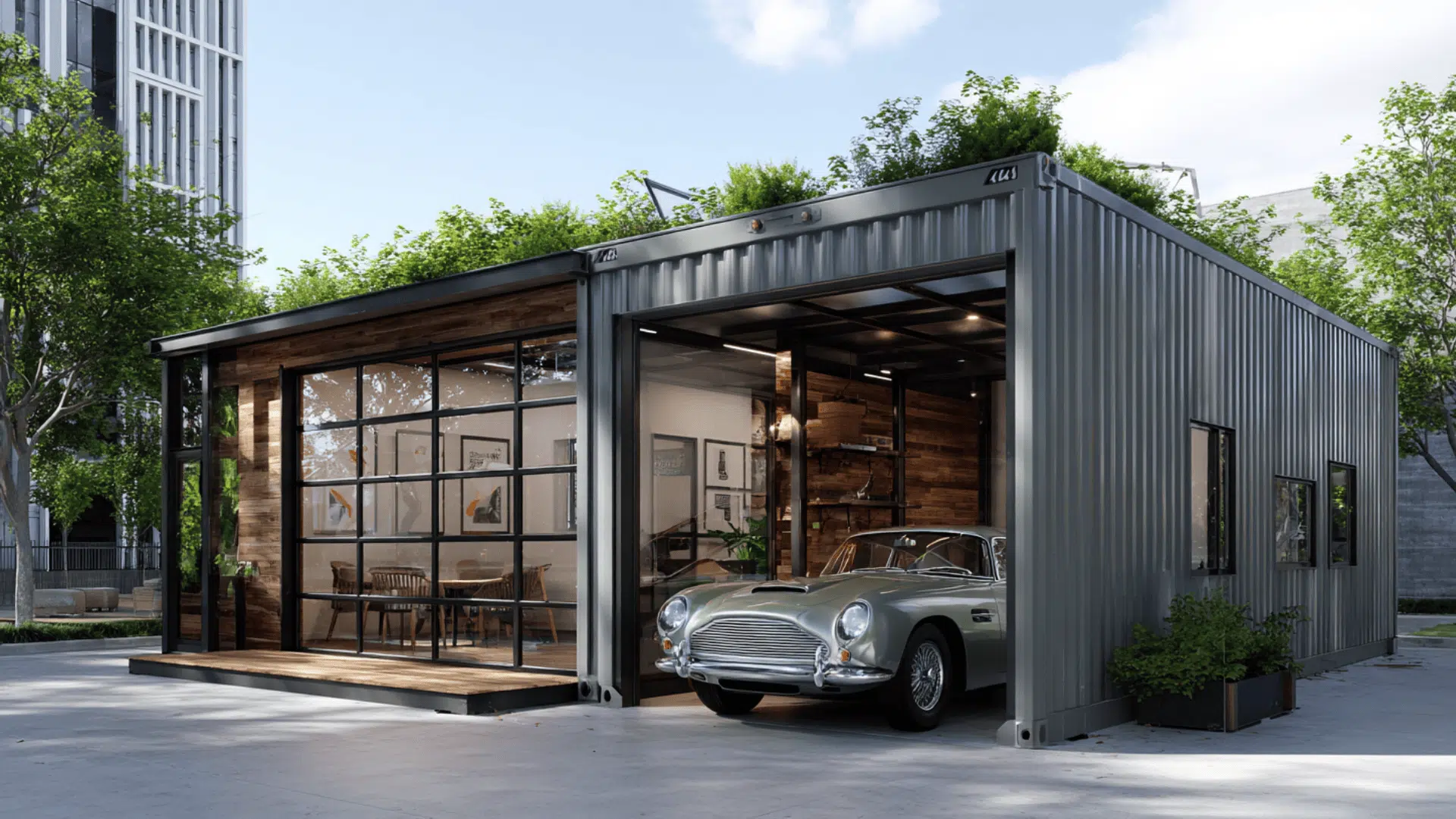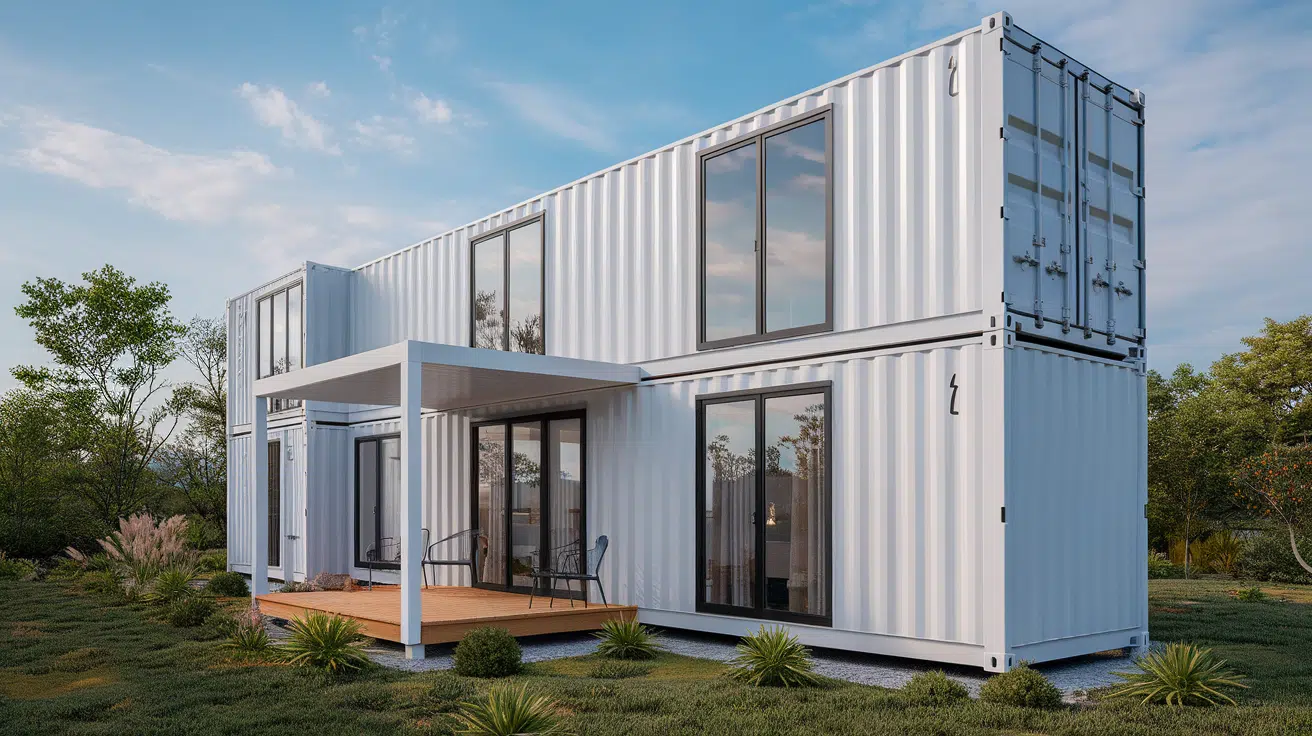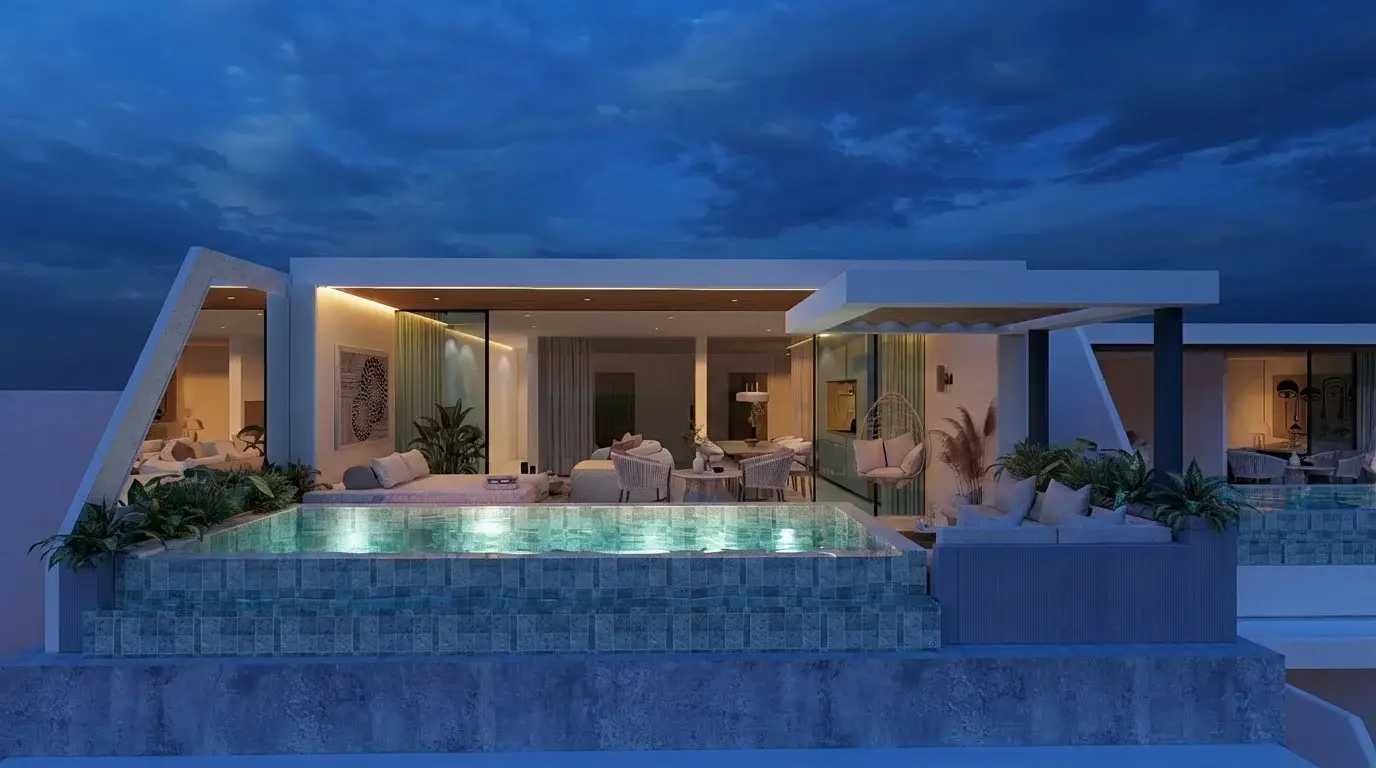
There is a moment in a well-designed home when it becomes difficult to say exactly where the interior ends and the landscape begins. Within Architect Koh Samui, creating that seamless relationship has become one of the defining characteristics of contemporary tropical homes.
That moment has very little to do with the size of a sliding glass door. It happens because the architecture quietly removes the sense of crossing a boundary. Moving from a living room to a shaded terrace feels as natural as walking from one room to another. When that transition feels effortless, the building begins to respond to the way people actually live rather than how architecture is often photographed.
Many homes attempt to achieve this experience by replacing walls with glass. While expansive glazing certainly opens a view, a view alone does not create a meaningful relationship with the outdoors.
Great Indoor-Outdoor Living Is Designed Around Transitions
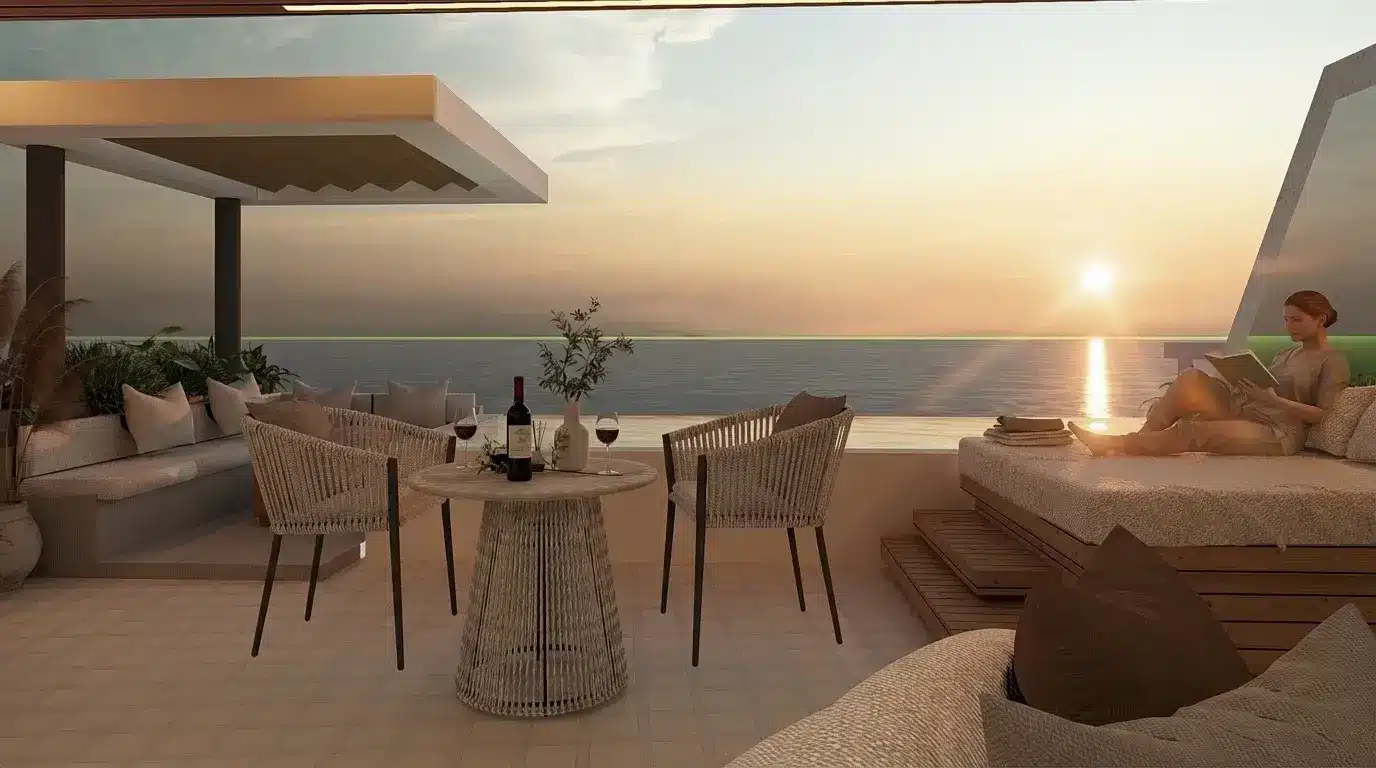
The most memorable homes rarely separate interior and exterior spaces into two distinct worlds.
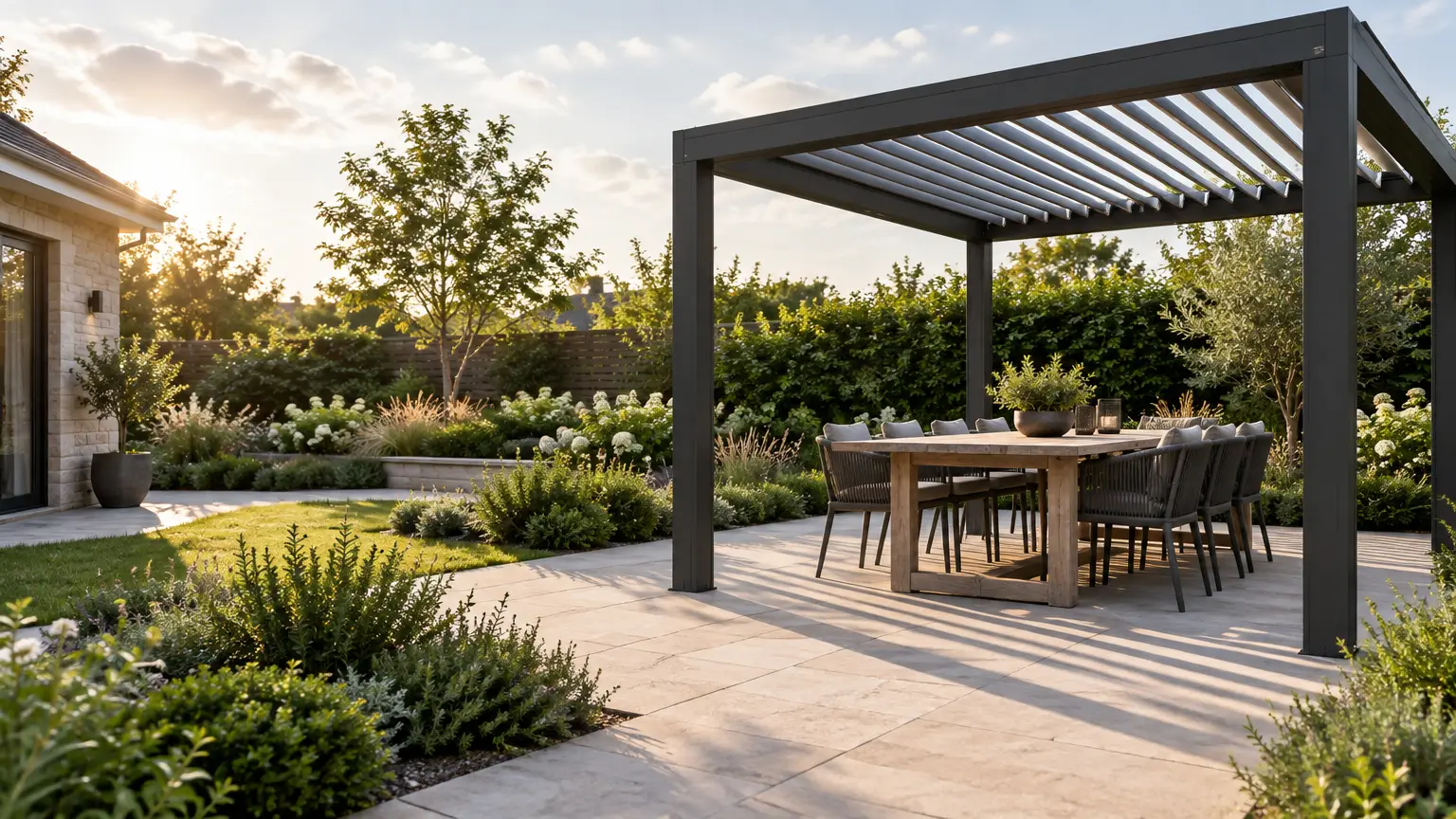
Instead, we think about the spaces that exist between them. Covered terraces, breezeways, courtyards, outdoor lounges, and shaded verandas are not secondary features in our design process. They are transitional environments that slow movement, soften the climate, and create moments of pause throughout the day.
Every Threshold Should Feel Intentional
A doorway is more than an opening in a wall.
The change in floor texture beneath your feet, the cooling effect of shade overhead, the sound of water nearby, or the scent of surrounding planting all contribute to how a transition is experienced. These subtle architectural decisions often leave a stronger impression than dramatic structural gestures.
When transitions are carefully considered, the home begins to unfold gradually instead of revealing everything at once.
The Journey Can Be More Memorable Than the Destination
Architecture is often experienced in motion.
We design homes where daily routines become enjoyable because movement itself has been thoughtfully choreographed. Walking from a bedroom to a garden may involve passing through filtered light, crossing a small courtyard, or following a covered walkway framed by tropical planting.
Those everyday moments create an emotional connection with the home that cannot be achieved through larger windows alone.
Outdoor Rooms Deserve the Same Attention as Interior Rooms
One of the most common design mistakes is treating outdoor areas as empty spaces waiting to be furnished after construction is complete.
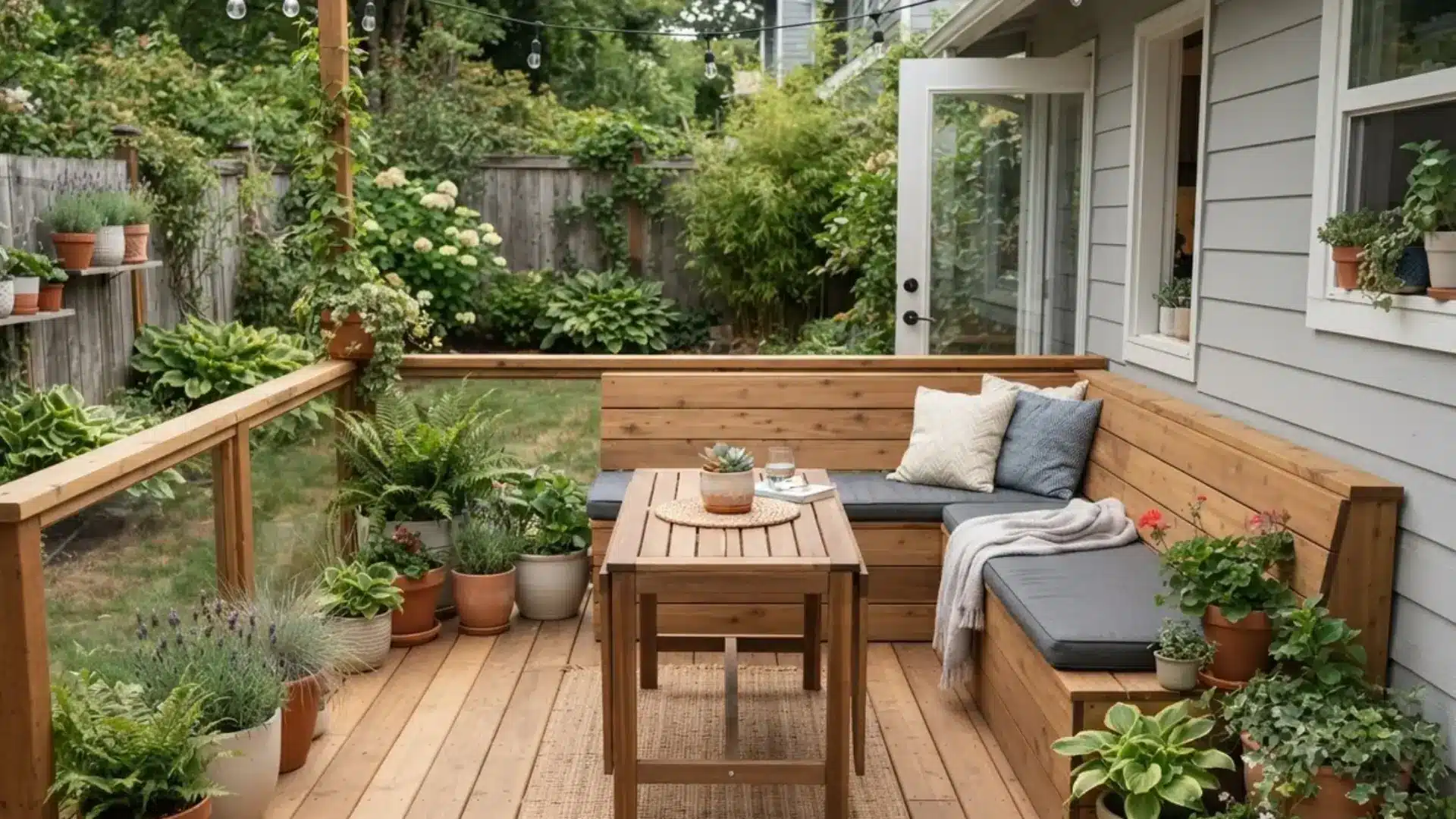
We prefer to approach them as complete architectural rooms. They deserve the same level of consideration for scale, proportion, comfort, privacy, and atmosphere as any living room or dining area inside the house.
A Terrace Should Have a Purpose
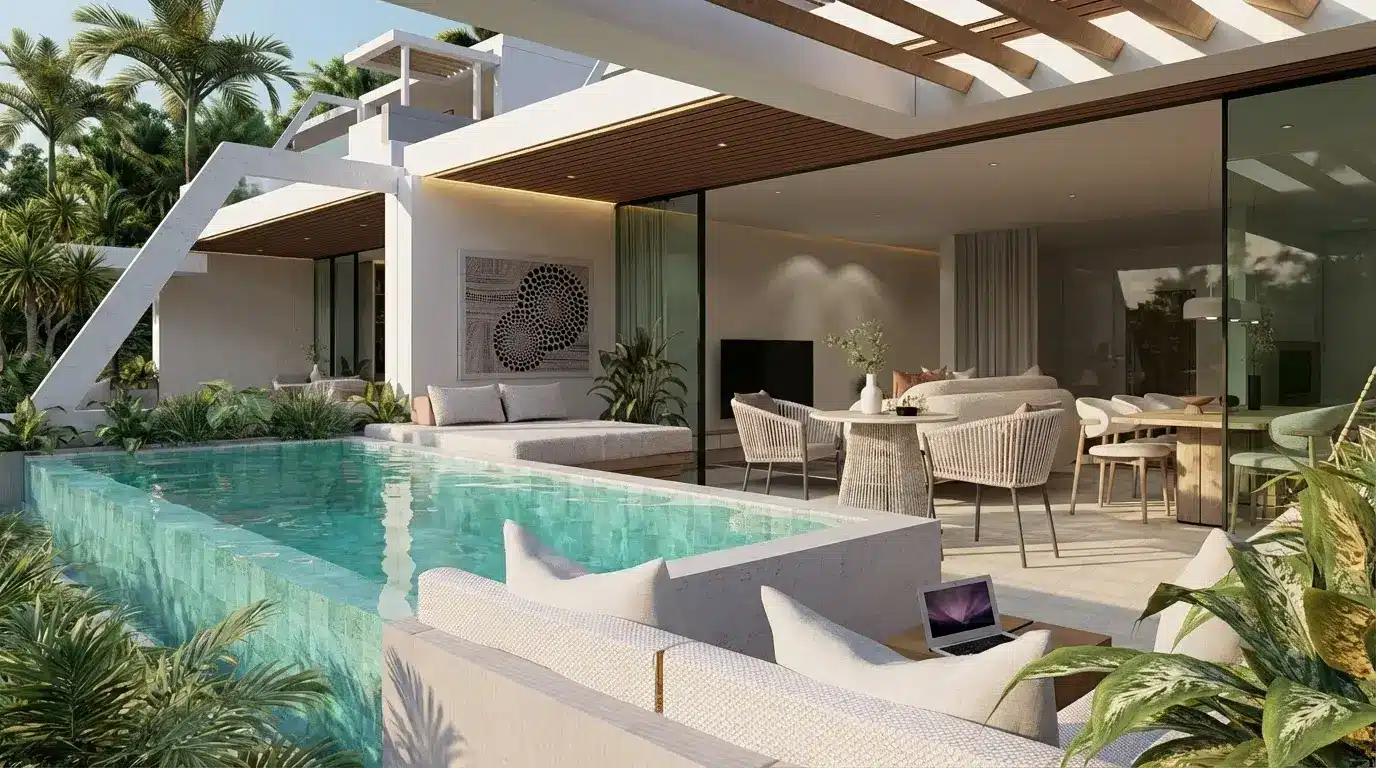
Not every outdoor space needs to serve the same function.
Some terraces encourage long family meals, while others become quiet places for reading in the afternoon or enjoying sunrise with a cup of coffee. Giving each outdoor area a clear purpose creates a home that supports different rhythms throughout the day instead of offering one large undefined space.
Purpose gives outdoor architecture lasting value.
Comfort Is Built Into the Space
Furniture alone cannot make an outdoor area comfortable.
Roof overhangs, natural shade, ceiling heights, breeze paths, and carefully positioned walls all influence how inviting a space feels across different seasons and times of day. These architectural decisions determine whether an outdoor room becomes part of everyday life or remains largely unused.
Within Architecture Koh Samui, designing for comfort often begins long before materials or furniture are selected.
The Landscape Should Participate in Everyday Living
Gardens are often viewed as something to admire from inside the house.
We see them differently. A landscape should become an active participant in daily routines, encouraging residents to move outdoors rather than simply look outside.
Nature Should Engage Every Sense
The success of a tropical home is rarely defined by visual beauty alone.
The sound of leaves moving in the breeze, changing patterns of sunlight, textured planting, the scent of flowering trees, and the cooling effect of shaded courtyards all contribute to how architecture is experienced. Together, these elements create environments that feel alive throughout the day.
A home becomes richer when the landscape is experienced with more than just the eyes.
Privacy Can Be Created Without Closing the Home
Many homeowners worry that opening a residence to nature means sacrificing privacy.
Our approach is to shape privacy through landscape rather than barriers. Carefully positioned trees, layered planting, garden walls, and internal courtyards allow spaces to remain open while creating a reassuring sense of enclosure.
Rather than shutting the home away from its surroundings, the landscape becomes part of the architectural composition.
Interior Design Continues the Architectural Story
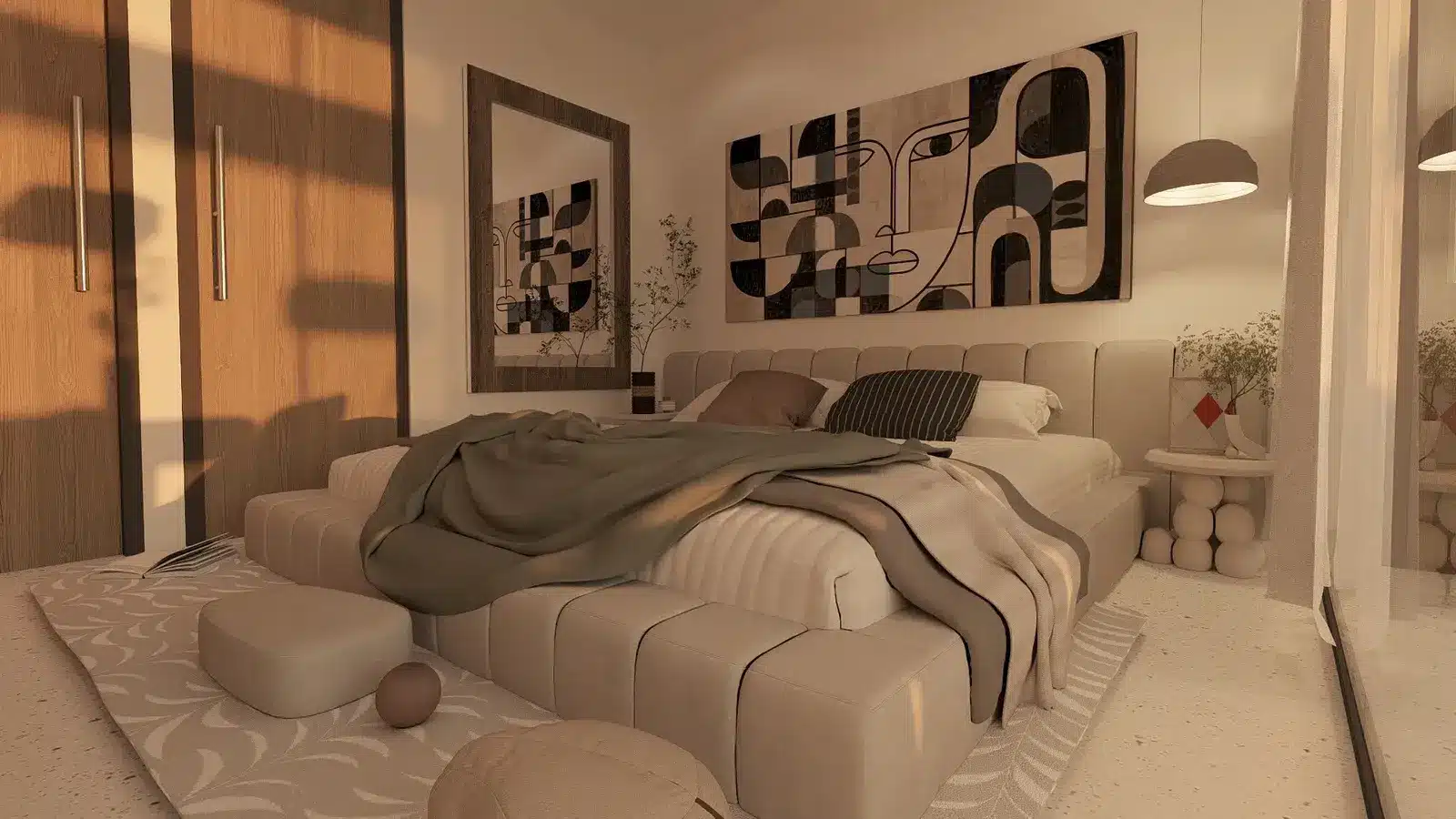
A seamless relationship between indoors and outdoors depends on more than architectural planning.
Every interior decision should reinforce that connection instead of interrupting it. Materials, furniture placement, lighting, and colour palettes all influence how naturally people move between different parts of the home.
Within interior design Koh Samui, continuity often matters more than visual statement. Inspired by the principles of a Bali architect, such as open living, natural materials, and a strong connection to the surrounding landscape, we create interiors that feel calm, functional, and deeply connected to their environment. Repeating natural textures, maintaining a restrained material palette, and aligning interior spaces with outdoor views allows the home to feel cohesive without appearing repetitive.
Instead of treating the interior as a separate project, we see it as another chapter in the same architectural narrative.
Thoughtful connections with related architectural topics might include:
- Landscape Architecture
- Climate-Responsive Home Design
- Custom Villa Architecture
- Spatial Planning
- Residential Design Philosophy
Architecture Should Respond to the Climate, Not Fight It
A comfortable tropical home is rarely defined by technology.
Long before we think about glazing specifications or mechanical systems, we study how the building will respond to sunlight, prevailing breezes, seasonal rainfall, and surrounding vegetation. These environmental conditions influence almost every architectural decision that follows.
At Adoani Architects, climate is not viewed as a limitation but as one of the most valuable design tools available to us. Rather than isolating residents from their surroundings, we aim to create homes that work with the environment and encourage a closer relationship with it.
This philosophy has become an essential part of our approach to Architecture Koh Samui, where successful homes are shaped as much by their setting as by their floor plans.
The Best Boundary Is the One That Disappears
Indoor-outdoor living is often marketed as a feature, but in reality it is an experience.
It cannot be measured by the width of a glass opening or the number of sliding panels within a façade. Instead, it is revealed through the ease with which daily life unfolds. Breakfast naturally moves outdoors on a shaded morning. A quiet courtyard becomes part of the living room. Evening conversations continue beneath a covered terrace without anyone consciously deciding to leave the house.
When architecture creates that effortless rhythm, the distinction between inside and outside gradually becomes irrelevant. What remains is not simply a home with larger openings, but a home that feels deeply connected to its environment through every season, every movement, and every ordinary moment.