Most renters think getting their bond back comes down to how hard they scrub. It doesn’t. It comes down to avoiding a handful of specific, predictable mistakes, and most of them have nothing to do with elbow grease. According to the [RTBA Annual Report 2023-24] published by Consumer Affairs Victoria, 64% of Victorian renters get their full bond back, but 36% lose part or all of it, and cleaning is the single most common reason for a claim. With the average Melbourne bond sitting around $2,320, that is real money walking out the door. Here are the seven end of lease cleaning mistakes that cost Melbourne renters the most, and exactly how to sidestep each one.
Key Takeaways
- 36% of Victorian renters lose bond money [RTBA 2023-24], with cleaning the leading cause of disputes.
- The biggest mistakes are about sequence, evidence and knowing the rules, not how hard you clean.
- Window tracks, oven interiors and grout are the spots agents check that renters most often miss.
- You only have to leave a property “reasonably clean” under Section 63 of the Residential Tenancies Act 1997 (Vic), not spotless.
- The new Rental Dispute Resolution Victoria (RDRV) service, launched mid-2025, has made disputes faster but documentation more important than ever.
Why Do So Many Melbourne Renters Lose Bond Money?
Before the mistakes, the context. Of the bonds repaid across Victoria in 2023-24, around 95% were settled by mutual agreement, with only 5% escalating to a formal dispute (RTBA 2023-24]. That single statistic tells you where the outcome is actually decided: at the final inspection, not in a tribunal.
The problem is rarely dirt. It is the gap between what a renter considers “clean enough” and what a property manager assesses against the original condition report. Close that gap and you are almost always in the 64% who walk away with the full bond. The seven mistakes below are where the gap opens up.
The 7 Mistakes (and How to Avoid Each One)
Mistake 1: Treating It as a Weekend Job Instead of a Process
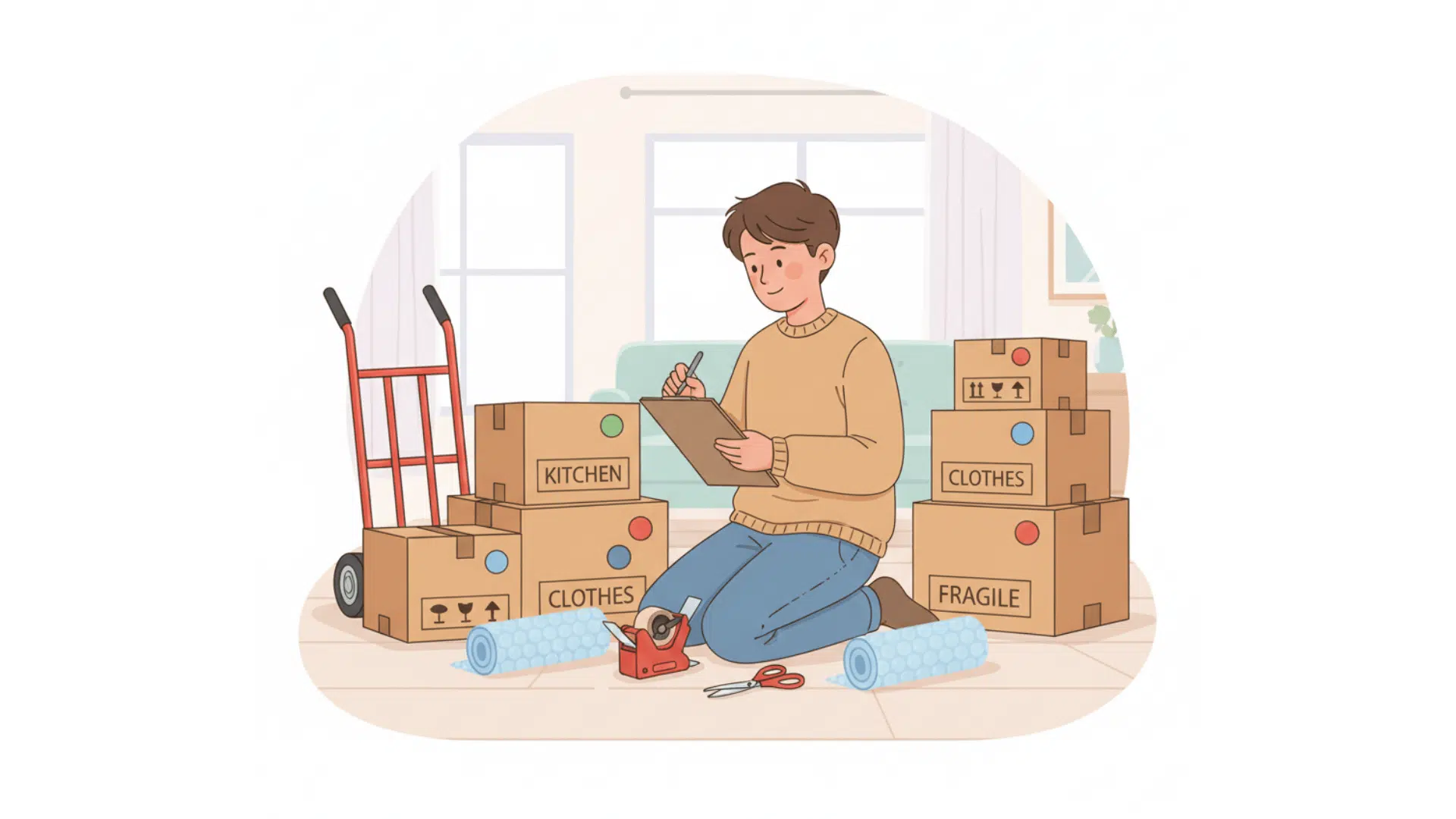
The single most expensive habit is leaving the clean to a frantic few hours the night before handover. A rushed clean misses things, and misses create disputes. Timeline beats intensity every time.
A disputed bond can take weeks to resolve, while an agreed refund is processed within one business day by the RTBA. Give yourself a week. Declutter and photograph early, deep-clean the kitchen and bathroom mid-week, and leave the final day for a calm walk-through, not a panic.
Mistake 2: Ignoring the Entry Condition Report
Your entry condition report is the single most powerful piece of evidence you own, and most renters never look at it again after move-in day. You cannot be held to a higher standard than the property was in when you arrived. If the oven had baked-on grease on day one and it was noted, the agent cannot demand a spotless oven on exit.
Pull the report out before you start. Photograph every surface, and email the photos to yourself so there is an independent timestamp. This one habit wins more bond disputes than any amount of scrubbing.
Mistake 3: Missing the Spots Agents Actually Check
Renters clean what they see every day and forget the spots agents are trained to inspect. The most commonly missed item across thousands of Melbourne vacate cleans is the humble window track, followed closely by the sliding balcony-door track. A finger-swipe is all it takes to fail that check.
Here is where inspections are most often won or lost:
| Area | Hotspot items | Why it fails |
|---|---|---|
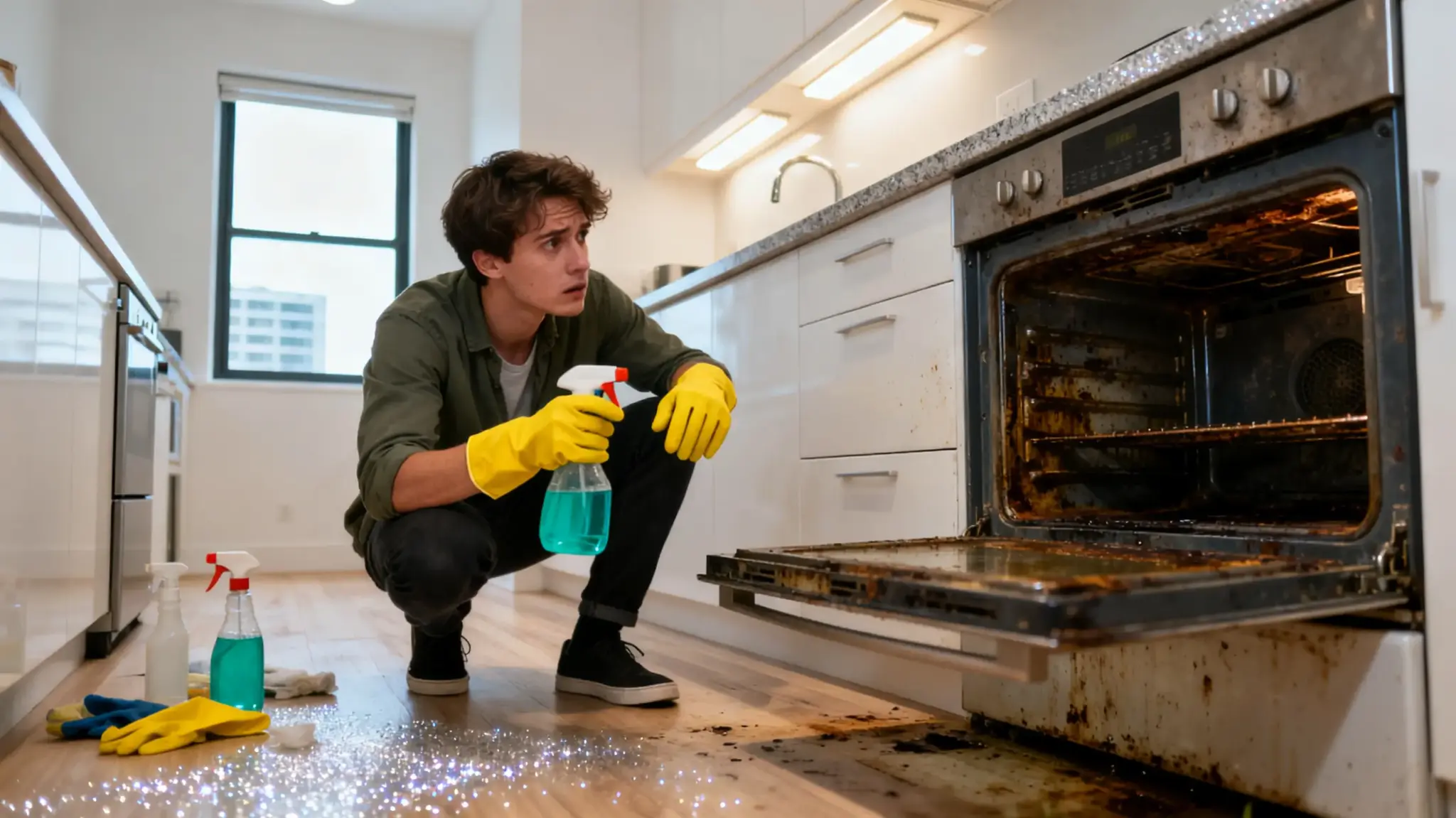
| Kitchen | Oven interior, rangehood filter, splashback grease | Highest single failure point at inspection |
| Bathroom | Shower screen scale, grout, silicone, exhaust fan | Calcium and mould build up fast in humid rooms |
| Windows | Tracks, sills, flyscreens | The most-missed item of all |
| Living areas | Sliding-door track, skirting boards, marks behind furniture | Easy to underestimate in large rooms |
Mistake 4: Misreading the “Reasonably Clean” Standard
Plenty of renters over-clean out of anxiety, and a few under-clean out of optimism. The law is clear about the line. Section 63 of the Residential Tenancies Act 1997 (Vic) requires you to leave a property “reasonably clean”, which Consumer Affairs Victoria defines as free from marks, dirt, cobwebs, stains and dust, where any extra cleaning would not improve the surface.
That is not spotless, and it is not showroom. A thoroughly degreased but aged oven passes. A 20-year-old carpet that has been steam cleaned passes, even if the traffic lanes still look tired. Knowing the real standard stops you wasting a day chasing perfection you do not owe, and stops you cutting a corner that will cost you.
Mistake 5: Doing It Yourself When the Stakes Don’t Justify It
DIY is completely legitimate. You are allowed to clean to the reasonably clean standard yourself. The question is whether it is the smart call for your situation, not whether it is allowed.
The numbers are worth weighing. A DIY clean of a two-bedroom home runs 8 to 10 hours across a weekend, with a re-clean request rate that industry data puts far higher than a professional clean, which typically takes a team 3 to 4 hours. For larger homes, heavy build-up, or a tight inspection deadline, a professional end of lease cleaning in Melbourne that comes with a bond-back guarantee often works out cheaper than the deduction you are risking. It is a practical choice, not a moral one.
Mistake 6: Not Knowing Your Lease’s Local Quirks
Two clauses trip up Melbourne renters more than any others: professional carpet steam cleaning, and “professional clean required” requirements. Many leases include them, but they are not always enforceable. An agent can only require professional cleaning if the property was professionally cleaned before your tenancy and that was disclosed to you in writing at sign-on. A clause alone is not enough.
Local context matters too. In student-heavy, share-house pockets of Melbourne’s south-east, leases are often signed by multiple co-tenants, and the exit clean has to satisfy a single agent assessing the whole property at once. When several people share one bond, a fixed-price professional clean is often both cheaper per person and easier to coordinate than splitting tasks five ways.
Mistake 7: Leaving No Paper Trail
The renters who lose disputes are almost always the ones who cleaned well but documented nothing. Without evidence, it is your word against the agent’s, and the condition report is the document that decides it.
Take “after” photos that match your “before” angles. Keep any receipts for professional cleaning or carpet steaming. Put any disagreement in writing on inspection day, not over the phone. If a claim is later disputed, this folder is what protects you.
A Quick Local Note: End of Lease Cleaning in Clayton
Clayton is a useful case study in how local market conditions shape the exit clean. As one of Melbourne’s busiest student-rental suburbs, thanks to Monash University’s main campus, it sees a high turnover of share houses and apartments, often with international tenants on tight moving timelines and end-of-semester deadlines that bunch up demand.
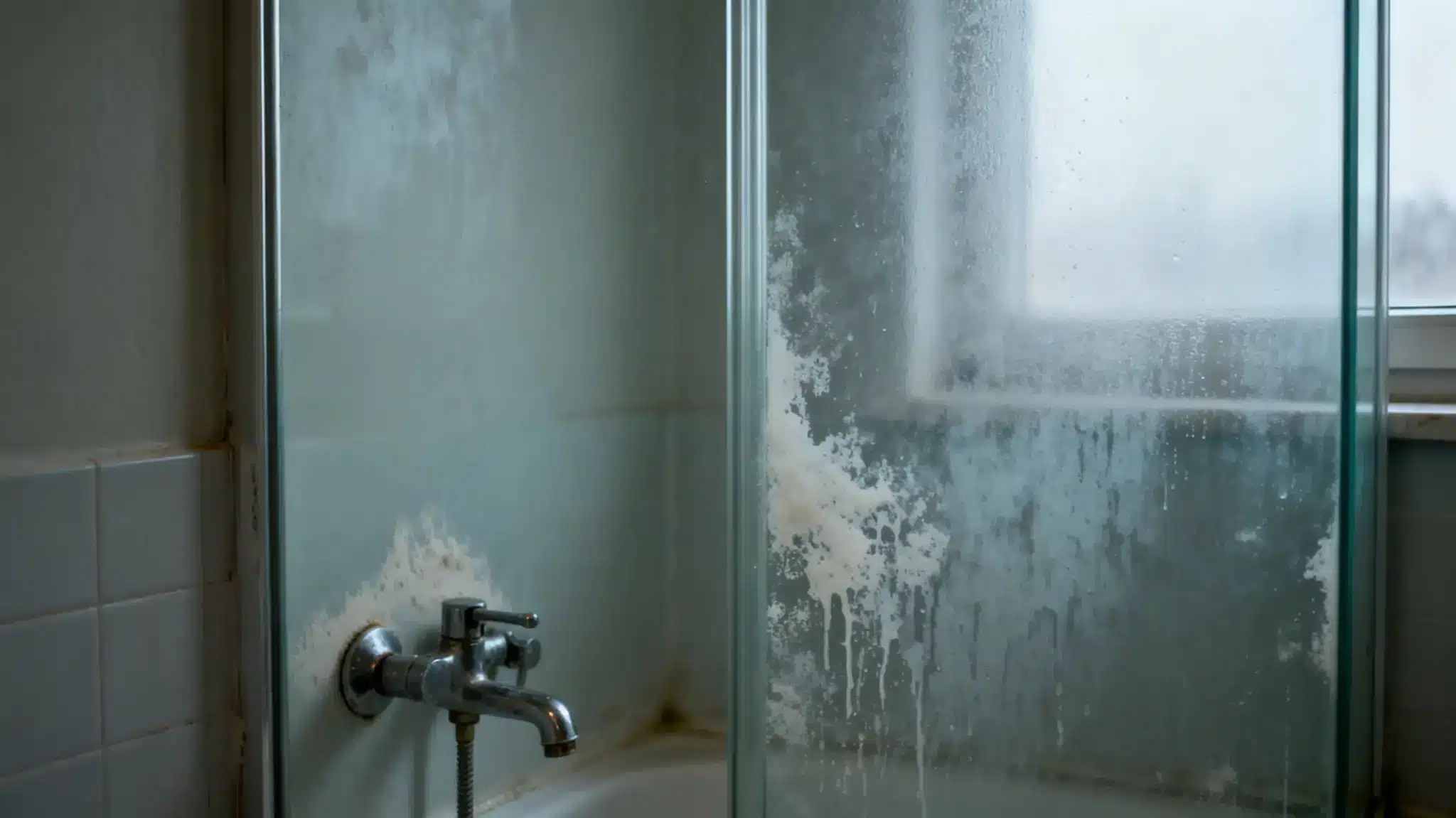
That combination raises the stakes on two fronts. First, share-house bonds are large in aggregate, so a deduction hits several people at once. Second, the suburb’s harder water leaves more visible scale on shower screens and taps, which agents notice. Renters arranging end of lease cleaning in Clayton benefit most from the fixed-price, guaranteed approach: a predictable cost split across the household, and a re-clean safety net if the agent flags anything.
What Changed in 2026?
The dispute pathway has shifted. The Rental Dispute Resolution Victoria (RDRV) service launched in mid-2025 as a faster, free alternative to VCAT for bond disagreements, taking pressure off the tribunal system. The inspection itself is unchanged, but resolution is quicker now, and the trade-off is that clean documentation matters more than ever. The renter who arrives with a dated photo folder and receipts is in a far stronger position than one relying on memory.
Frequently Asked Questions
What is the most common reason Melbourne renters lose their bond?
Cleaning is the leading cause of bond deductions in Victoria. Of the 36% of renters who lose bond money, most disputes trace back to cleaning gaps, with oven interiors, grout and window tracks the most frequently flagged items [RTBA 2023-24].
How clean does a rental have to be at the end of a lease in Victoria?
You must leave the property “reasonably clean” under Section 63 of the Residential Tenancies Act 1997 (Vic). Consumer Affairs Victoria defines this as free from marks, dirt, cobwebs, stains and dust. It is not the same as spotless, and you are only required to return the property to the condition recorded at the start, allowing for fair wear and tear.
Can my agent force me to pay for professional cleaning?
Only if the property was professionally cleaned before your tenancy and that fact was disclosed to you in writing at the start of the lease. A clause requiring professional cleaning, on its own, is generally not enough to enforce.
Is it cheaper to clean myself or hire a professional?
It depends on the home. For a small, well-maintained property with time to spare, DIY can save money. For larger homes, heavy build-up, or a tight deadline, a professional clean with a bond-back guarantee often costs less than the bond deduction you would otherwise risk.
What should I photograph before moving out?
Photograph every room wide-angle plus close-ups of known problem areas (oven, shower screen, grout), matching the angles in your entry condition report. Email the photos to yourself for an independent timestamp, and keep any cleaning receipts.
Conclusion
Getting your full bond back is less about how hard you clean and more about avoiding the seven mistakes above: treat it as a process, use your condition report as evidence, clean the spots agents actually check, know the real “reasonably clean” standard, choose DIY or professional based on the stakes, understand your lease, and document everything. Do that, and you put yourself firmly in the 64% who walk away with the whole bond, not the 36% who learn these lessons the expensive way.