The strongest marketing campaigns 2026 has produced so far share one habit: they treat attention like match fitness, not luck. Super Bowl LX arrived on February 8 at Levi’s Stadium in Santa Clara, and the ad break still behaved like a final with 127 million expected viewers in the building by proxy. The Drum noted humor, nostalgia, and technology across the slate, with Poppi, Dunkin’, Anthropic, and Instacart all in the conversation. Sharp work showed up early. The better campaigns did not try to explain culture; they entered it, took the hit, and kept moving.
AI Got a Human Face
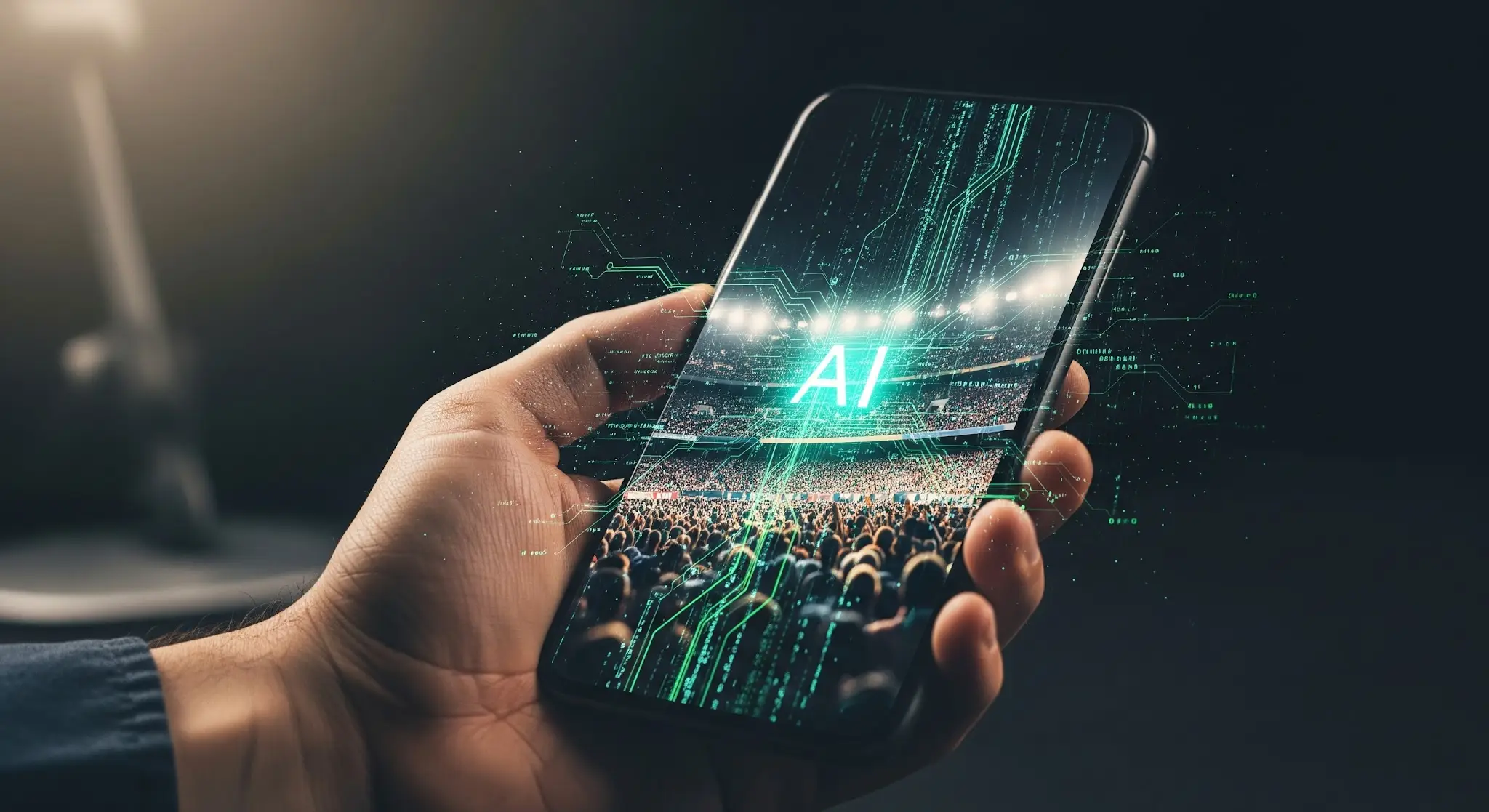
Anthropic’s Claude work cut through because it understood the room. AI advertising in 2026 carries suspicion, so the campaign leaned into unease rather than pretending everyone had already made peace with machine-written answers and synthetic images. EDO’s Super Bowl LX ranker put ai.com first, with 9.1x as much engagement as the average Super Bowl LX ad airing. That number matters because the campaign did not rely solely on a celebrity wink or a glossy future shot; it gave viewers a clear point of conflict and a reason to look for after the spot ended.
Nike Turned the World Cup Into a Movie Set
Nike’s “Rip the Script” landed just before the 2026 FIFA World Cup with Cristiano Ronaldo, Kylian Mbappé, Erling Haaland, Vini Jr., LeBron James, Travis Scott, Kim Kardashian, Ted Lasso, LISA, Ronaldinho, Zlatan Ibrahimović, Didier Drogba, and Eric Cantona in the same football circus. The small observation is how the film keeps the ball work alive even with that many famous faces; the ad cuts back to movement before the cameos swallow the pitch. That is why it fits among the strongest brand marketing examples of the year. It sells football instinct, not just casting.
Casino Screens Learned the Same Attention Game
Advertising trends also show how digital leisure has borrowed from sports media, streaming, and mobile gaming. A user reading about bd online casino during a quiet halftime window is still evaluating the same design cues that make strong campaigns work: fast load, clear visual hierarchy, recognizable game categories, visible RTP, and simple payment prompts. The casino message has to carry useful information, not just a bright banner, because real-money products depend on trust, KYC, bankroll tools, and transparent terms. The best creative in that space feels closer to a match center than a billboard, with short paths to slots, live casino, account limits, and support. One messy menu can kill the session.
Coca-Cola Went Straight for Fan Emotion
Coca-Cola’s FIFA World Cup 2026 push already had a physical component before kickoff: the Trophy Tour began on January 3 in Riyadh and is scheduled to visit 30 countries and 75 stops, giving the campaign a physical presence rather than a purely digital launch. That is old sponsorship discipline with 2026 mechanics attached: bottle codes, WhatsApp entries in selected markets, social clips, and street-level fan moments. A small note from the campaign logic: Coca-Cola’s strongest football work often gives the crowd the first line, then lets the match sit behind it.
Mobile Conversion Decided the Second Act
The first half of 2026 kept proving that a campaign does not end at the TV spot, the stadium board, or the six-minute hero film. People search, tap, compare, save, and move on while a game is still being played, which is why a decision to download Melbet android app fits into a wider pattern of mobile-first casino and betting behavior rather than a separate habit. An app install is the second act after awareness: users expect sportsbook markets, casino categories, live sections, payment options, and account tools to be housed within a single, smooth interface. For gambling brands, the creative promise has to survive the first tap after the ad, because a slow Android flow or an unclear APK page can undo the media spend in 20 seconds.
The Winners Had a Second Touch Ready
The best campaigns of the first half did not stop at one famous slot. Claude had the search spike, Nike had the replay value, Coca-Cola had the tour map, and Super Bowl brands had social cuts ready before the postgame show ended. The practical lesson is simple enough for any brand team: build the second action before buying the first impression. A user should know what to do next after the laugh, the goal clip, the QR code, or the celebrity reveal.