Quick Takeaways
- Shut off the water source immediately if possible.
- Stay away from standing water near electrical systems.
- Take photos and videos for insurance claims.
- Move valuables and electronics to a dry area.
- Begin removing water if it is safe to do so.
- Increase airflow with fans and open windows when conditions allow.
- Contact a professional restoration company as soon as possible.
Why Fast Action Matters After Water Damage
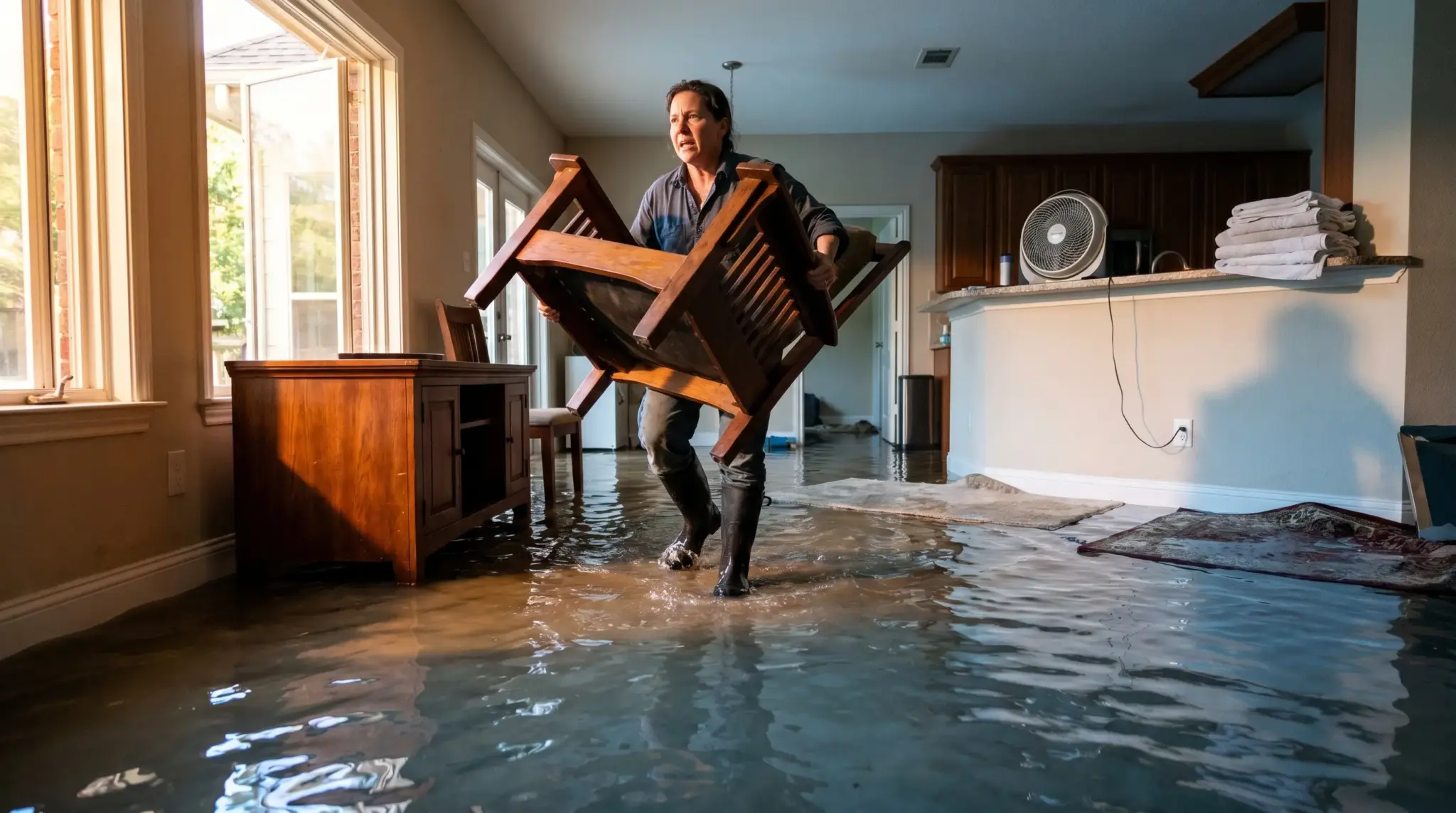
Water damage can become a serious problem in a matter of hours. In Houston, where heavy rain, hurricanes, plumbing failures, and flash flooding are common, property owners often face water emergencies with little warning.
The first 24 to 48 hours are especially important. Moisture can spread through drywall, flooring, insulation, and structural materials. If left untreated, water damage may lead to mold growth, weakened building materials, and expensive repairs. Studies from restoration professionals show that mold can begin developing within 24 to 48 hours after water exposure.
Taking the right steps before professional help arrives can significantly reduce damage and restoration costs.
Step 1: Ensure Everyone’s Safety
Safety should always come first.
Before entering affected areas:
- Check for electrical hazards.
- Avoid standing water if electrical outlets or appliances are nearby.
- Wear waterproof boots if available.
- Keep children and pets away from flooded spaces.
- Avoid contact with contaminated floodwater.
If the water source is unknown or appears contaminated, wait for professionals to inspect the area.
Step 2: Stop the Source of Water
If the damage is caused by a burst pipe, leaking appliance, or plumbing failure, shut off the main water supply immediately.
Common sources include:
- Burst water lines
- Water heater failures
- Dishwasher leaks
- Washing machine hose failures
- Overflowing toilets
Stopping the source prevents additional water from entering your home and reduces overall damage.
Step 3: Turn Off Electricity if Safe
Water and electricity create a dangerous combination.
If you can safely access your electrical panel without walking through standing water, turn off power to affected areas.
If there is any doubt about safety, do not attempt it yourself. Wait for qualified professionals.
Step 4: Document the Damage
Before moving items or beginning cleanup, document everything.
Take:
- Wide-angle photos of affected rooms
- Close-up photos of damaged materials
- Videos showing water levels
- Images of damaged furniture and belongings
This documentation can help support your insurance claim and provide a clear record of losses.
Step 5: Remove Standing Water
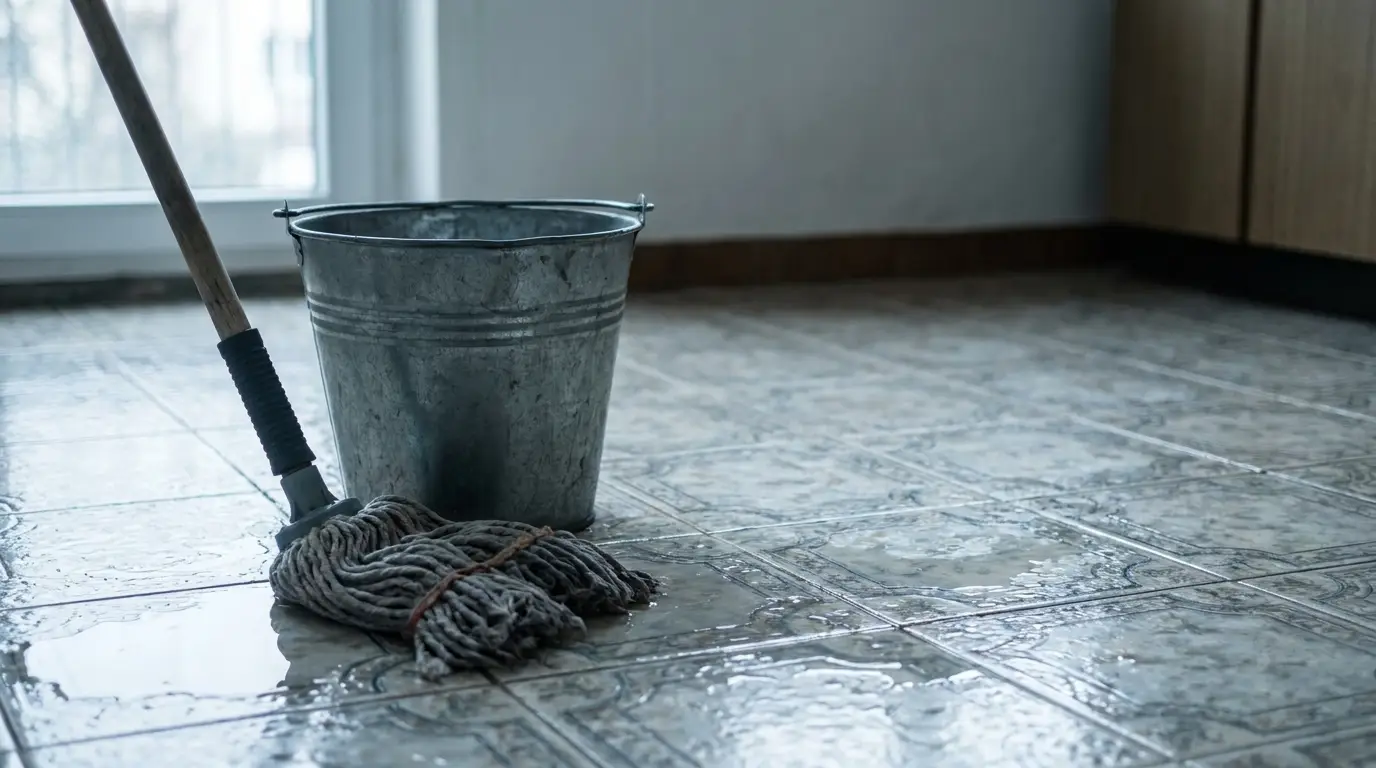
The faster standing water is removed, the less damage it can cause.
If conditions are safe:
- Use mops and towels
- Use buckets for larger amounts of water
- Use a wet/dry vacuum if electrical safety is confirmed
Even partial water removal can help slow damage progression before restoration crews arrive.
Step 6: Protect Furniture and Valuables
Move important items to a dry location whenever possible.
Priority items include:
- Electronics
- Documents
- Artwork
- Family photos
- Area rugs
- Furniture
If large furniture cannot be moved, place aluminum foil or wooden blocks under the legs to reduce moisture absorption.
For Houston homeowners dealing with extensive flooding, contacting professionals such as Rhino Water Damage Restoration early can help prevent additional losses and begin the drying process sooner.
Step 7: Increase Airflow and Drying
Improving airflow can help slow moisture buildup.
Consider:
- Opening windows when outdoor humidity is low
- Opening interior doors
- Opening cabinets and closets
- Running fans if electrical systems are safe
While these actions help, they do not replace professional drying equipment.
Industrial air movers and dehumidifiers are often needed to remove moisture trapped inside walls, flooring, and structural materials.
Step 8: Watch for Hidden Moisture Problems
Visible water is only part of the problem.
Crawl Spaces
Many Houston homes have crawl spaces where moisture can remain hidden for weeks.
Persistent moisture beneath a home can contribute to:
- Mold growth
- Wood deterioration
- Musty odors
- Increased indoor humidity
If you notice damp conditions below your property, learn about the warning signs that indicate you may need crawl space encapsulation services to reduce future moisture issues.
Wall Cavities
Water often travels inside walls where damage is not immediately visible.
Watch for:
- Bubbling paint
- Stains
- Soft drywall
- Musty odors
Flooring Systems
Wood floors, laminate flooring, and subfloors can absorb moisture quickly.
Signs of hidden moisture include:
- Warping
- Buckling
- Uneven surfaces
- Squeaking
When to Call a Professional Restoration Company
Professional help should be requested immediately when:
- Flooding affects multiple rooms
- Water has been present for several hours
- Sewage contamination is involved
- Structural materials are saturated
- Mold is suspected
- Storm damage is involved
Professional restoration companies use moisture meters, thermal imaging equipment, industrial extraction tools, and commercial drying systems to locate and remove hidden moisture.
Water Damage Timeline
| Time After Water Exposure | Potential Impact |
|---|---|
| 0-24 Hours | Water spreads through flooring and walls |
| 24-48 Hours | Mold growth may begin |
| 48-72 Hours | Materials start to warp and deteriorate |
| 3-7 Days | Significant structural damage risk increases |
| 1 Week+ | Extensive restoration and reconstruction may be required |
Acting quickly can dramatically reduce repair costs and restoration time.
Conclusion
Water emergencies can be overwhelming, but quick action can make a major difference.
Remember these key steps:
- Prioritize safety.
- Stop the water source.
- Document all damage.
- Remove standing water when safe.
- Protect belongings and improve airflow.
- Contact restoration professionals immediately.
For homeowners facing flooding, burst pipes, or storm-related damage, professional restoration services can help limit property damage and begin the recovery process before hidden moisture creates larger problems.
FAQs
How Quickly Should I Respond to Water Damage?
Immediately. Water can begin damaging materials within hours, and mold growth may start within 24 to 48 hours.
Can I Clean Up Water Damage Myself?
Minor water issues may be manageable, but extensive flooding or hidden moisture often requires professional equipment and expertise.
Should I Call My Insurance Company Before Cleanup?
Document the damage first, then contact your insurance provider and restoration company as soon as possible.
What Items Should I Move First?
Prioritize electronics, important documents, artwork, family photos, and valuable furniture.
Can Water Damage Affect My Crawl Space?
Yes. Moisture trapped in crawl spaces can contribute to mold growth, wood deterioration, and indoor air quality issues.