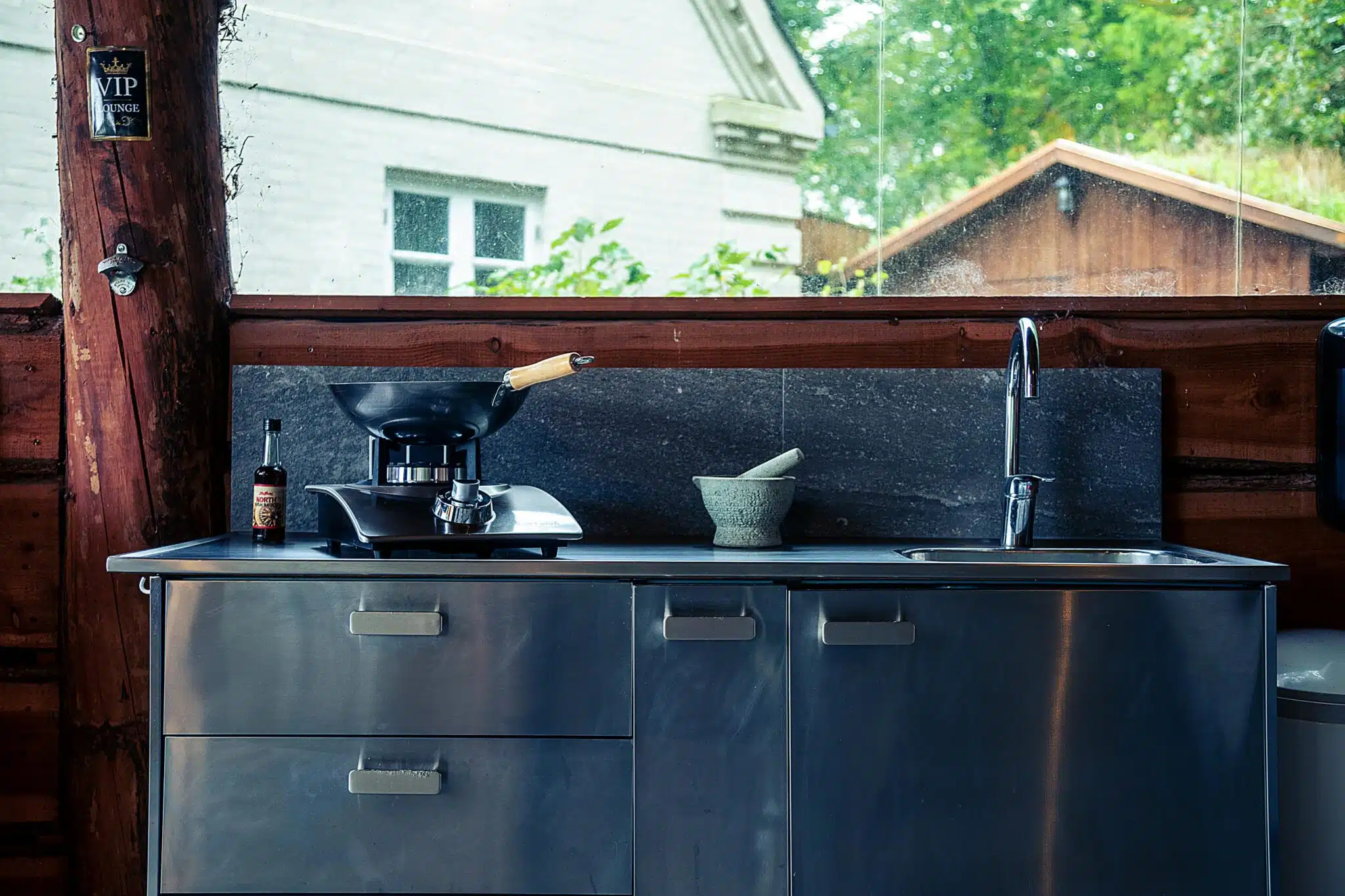
Outdoor kitchens have evolved far beyond a simple grill and patio table setup. Today, homeowners want outdoor spaces that feel just as functional and welcoming as the inside of their homes. The best outdoor kitchens are not only beautiful to look at, but also practical enough to support everyday cooking, casual family dinners, and entertaining guests throughout the year.
The challenge is finding the right balance between style, durability, and functionality. A thoughtfully designed outdoor kitchen should make cooking easier, create better flow for gatherings, and hold up well against changing weather conditions.
Start With How You Actually Use the Space
One of the biggest mistakes homeowners make is designing an outdoor kitchen around appearance alone. A layout may look impressive in photos, but if it lacks prep space, storage, or comfortable movement between stations, it quickly becomes frustrating to use.
Before selecting finishes or appliances, it helps to think about how the space will function day to day. Do you regularly host large gatherings? Do you want quick weeknight grilling access? Will the outdoor kitchen serve as a second dining area for the family?
Answering these questions early makes it easier to prioritize the features that truly matter instead of adding elements that rarely get used.
Storage Is More Important Than Most People Expect
Storage often becomes an afterthought in outdoor kitchen projects, but it has a major impact on convenience. Without proper storage, homeowners constantly carry utensils, serving trays, spices, and grilling tools back and forth between the indoor and outdoor kitchen.
Well-designed cabinetry can completely change how functional the space feels. Features like pull-out drawers, corner storage solutions, and weather-resistant organization systems help reduce clutter while keeping everything within reach during meal prep.
Many homeowners planning outdoor renovations turn to Cabinet IQ for ideas on organizing kitchen spaces more efficiently without sacrificing design.
Durable Materials Make Everyday Use Easier
Outdoor kitchens are exposed to heat, rain, moisture, and changing temperatures, so material selection matters far more than it does indoors. Choosing surfaces that are durable and easy to maintain can save homeowners from costly repairs and ongoing frustration later.
Concrete has become increasingly popular in outdoor kitchen design because of its strength, versatility, and ability to complement both modern and rustic aesthetics. From countertops and paver patios to retaining walls and entertainment areas, durable hardscape materials help outdoor kitchens feel more complete and cohesive.
Many homeowners researching outdoor renovations consider materials from Rochester Concrete Products for their durability, clean finish, and ability to complement custom outdoor spaces.
Think Beyond the Grill
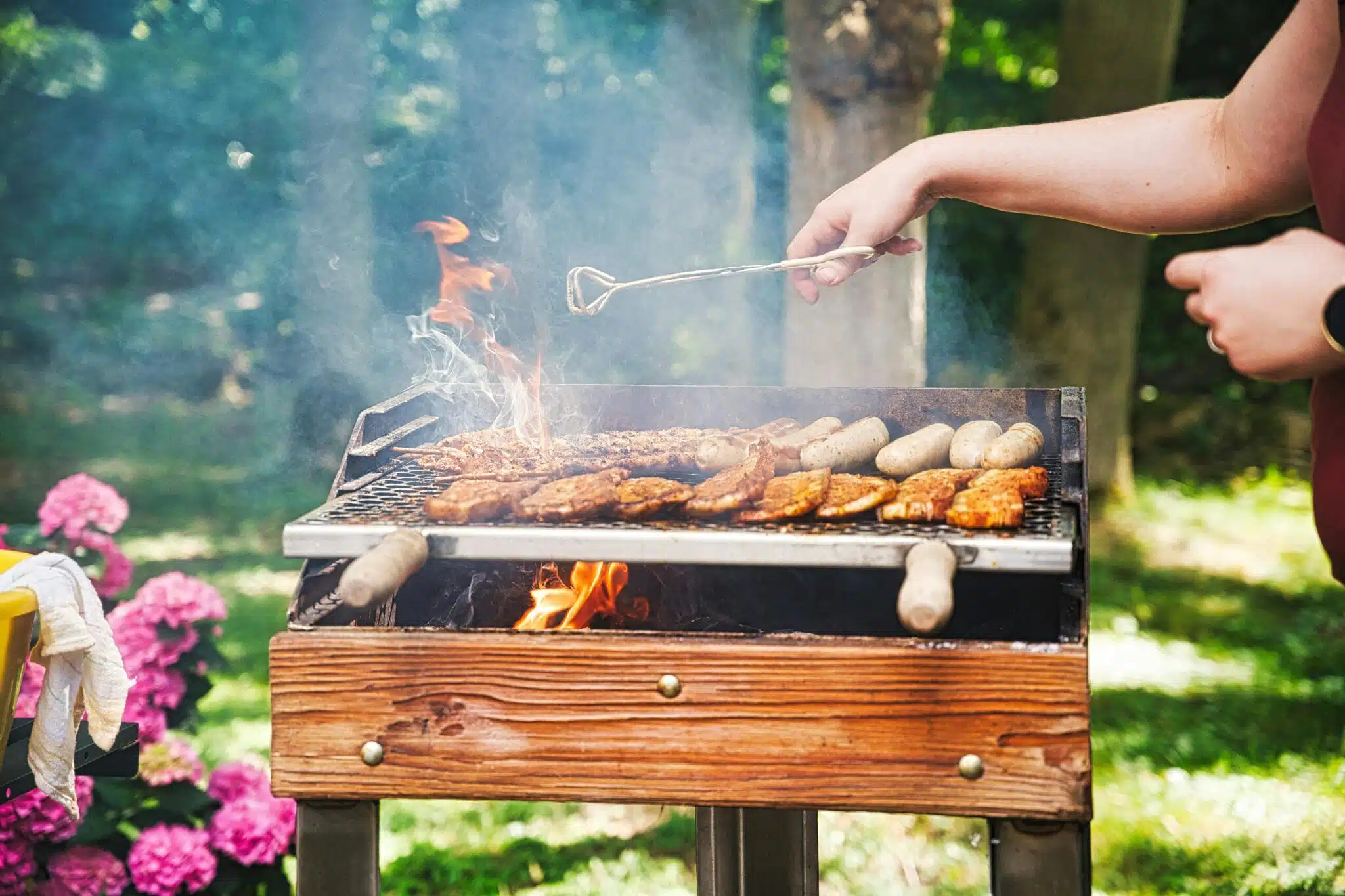
A functional outdoor kitchen is really about creating an experience rather than simply placing cooking equipment outside. Features like shaded seating areas, built-in lighting, prep sinks, beverage stations, and nearby dining space can make the area feel significantly more usable throughout the day.
Comfort also plays a major role. If guests naturally gather around the outdoor kitchen while meals are being prepared, the space becomes more social and inviting instead of isolating the cook from everyone else.
Even smaller upgrades, such as additional counter space or better traffic flow, can dramatically improve how often the outdoor kitchen gets used.
Design for Long-Term Flexibility
Trends will continue to change, but practical outdoor kitchens tend to remain timeless. Neutral materials, efficient layouts, and adaptable seating areas usually age better than overly trendy designs that may feel outdated within a few years.
It also helps to leave room for future upgrades. Many homeowners eventually add pizza ovens, smokers, outdoor refrigerators, or expanded seating once they realize how much time they spend outside.
The most successful outdoor kitchens are the ones designed around real lifestyle needs. When the layout is functional, the storage is practical, and the materials are built to last, the space naturally becomes an extension of everyday living rather than something used only on special occasions.