If you’re running a business that involves deliveries, you already know how messy things can get: missed timelines, confused drivers, unhappy customers, and a lack of clarity in daily operations.
That’s exactly where a delivery management system comes in.
If you’re managing a small fleet or scaling operations, understanding how delivery management works can save you time, help control operational expenses, and seriously improve customer satisfaction.
What is a Delivery Management System?
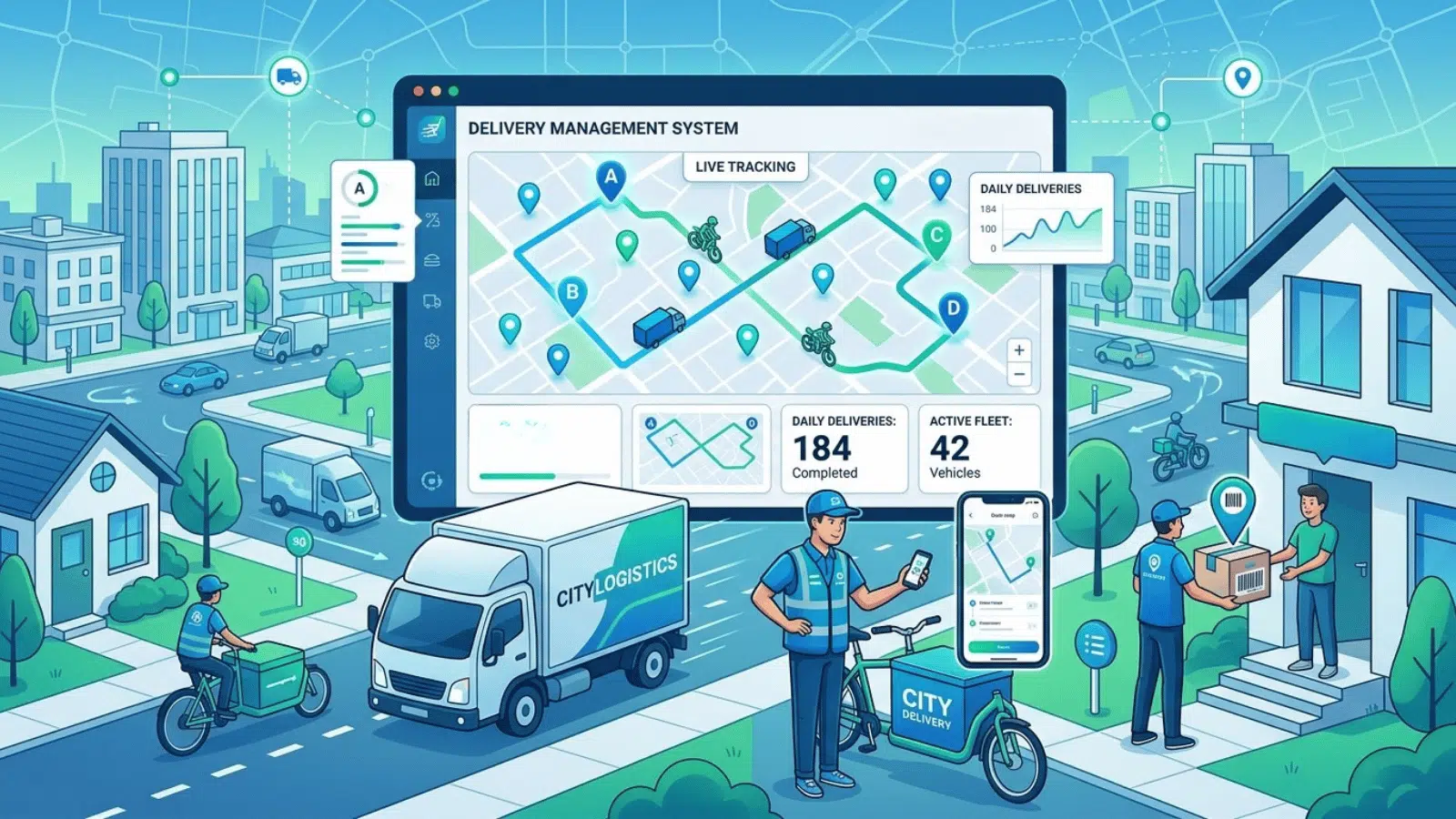
A delivery management system is a software solution that helps you plan, execute, and track deliveries more efficiently and in a more organized way.
Instead of relying on manual coordination, spreadsheets, or constant phone calls, the system automates key parts of delivery management, like assigning orders to drivers, optimizing routes, tracking deliveries in real time, and confirming successful drop-offs.
In simple terms, it helps you monitor and manage deliveries from one place, making the entire process smoother for both your team and your customers.
Why Businesses Need a Delivery Management System
A delivery management system helps you bring structure, automation, and visibility into your operations, making it easier to handle growing demand while keeping costs and errors under control.
- Reduces delivery delays: ensures more consistent delivery timelines.
- Provides real-time visibility: It lets you track deliveries and drivers, so you’re never in the dark.
- Keeps customers informed: Accurate ETAs and timely updates keep customers satisfied.
- Lowers delivery costs: Optimized routes help save fuel, time, and overall operational expenses.
- Minimizes human errors: reduces dependency on manual processes.
- Boosts scalability: Makes it easier to handle higher-order volumes as your business grows.
- Improves accountability: Features like proof of delivery reduce disputes and increase transparency.
What is a Delivery Management Software?

While the terms are often used interchangeably, delivery management software refers specifically to the digital application or platform that powers your delivery management system.
Think of the system as the overall process, and the software as the tool that powers it.
It gives you a centralized dashboard where every part of your delivery operation, orders, drivers, routes, and customer communication is managed from one place.
Most modern delivery management software is cloud-based, meaning you access it through a browser or app without installing anything on your own servers.
It is faster to set up, easier to scale, and accessible from any device.
Types of Delivery Management Systems
Different types of solutions are available depending on your business size, needs, and level of control required. Choosing the right type can make a big difference in how efficiently your delivery management runs.
| Type of System | Best For | Key Features |
|---|---|---|
| Cloud-Based | Growing businesses, remote teams | Web access, real-time tracking, automatic updates, scalability |
| On-Premise Solutions | Large enterprises, data-sensitive businesses | Local hosting, full customization, internal data control |
| Industry-Specific | Food delivery, retail, and logistics companies | Tailored workflows, niche features, optimized routing |
Key Features of a Delivery Management System

A delivery management system comes packed with features that help you streamline operations and improve overall delivery performance. These features work together to make delivery management faster and smarter.
1. Real-Time Tracking and Visibility
This feature lets you monitor your deliveries and drivers in real time. You can see exactly where each order is, accurately estimate delivery times, and quickly respond to delays or issues.
It also allows you to share live updates with customers, improving transparency and reducing support queries. Over time, this visibility helps you build a more reliable and predictable delivery process.
2. Route Optimization and Planning
Route optimization uses AI and algorithms to calculate the most efficient delivery paths. It considers traffic, distance, and delivery windows to reduce travel time and fuel usage.
This not only speeds up deliveries but also cuts down unnecessary fuel usage and improve driver productivity. It also allows you to handle multiple deliveries in a single trip more efficiently.
3. Automated Dispatching
Automated dispatching eliminates the need for manual driver assignment. The system intelligently assigns deliveries based on proximity, availability, and capacity, ensuring faster allocation and better resource utilization.
This reduces human error and keeps operations running smoothly even during peak demand. It also ensures a fair distribution of workloads among drivers.
4. Proof of Delivery
Proof of delivery ensures that every completed delivery is properly verified and recorded. This can include digital signatures, photos, OTP verification, or timestamps.
It helps reduce disputes, builds customer trust, and provides clear documentation for successful deliveries. This added layer of verification is especially useful for high-value or sensitive shipments.
5. Analytics and Reporting
Analytics and reporting provide insights into your delivery operations by tracking key performance metrics such as delivery time, success rates, and driver efficiency.
These insights help you identify bottlenecks, optimize processes, and make data-driven decisions to improve your delivery management continuously. Over time, this data helps you refine strategies and scale operations more effectively.
How to Choose the Right Delivery Management System
Choosing the rightsystem isn’t just about picking the most popular tool; it’s about finding one that fits your business needs and supports your growth.
- Identify your business needs: Start by understanding your delivery volume and the types of products you handle, as these factors directly impact the system and features you’ll require.
- Check essential features: Ensure the system includes core capabilities such as real-time tracking, route optimization, and automation to support smooth, efficient operations.
- Consider scalability: Choose a system that can grow with your business, so you don’t have to switch platforms as your delivery operations expand.
- Evaluate ease of use: A user-friendly interface is crucial, as your team and drivers should be able to use the system without extensive training or confusion.
- Compare pricing and support: Check whether the system offers a subscription model or a one-time fee, and ensure reliable customer support is available when you need assistance.
Future Trends in Delivery Management
The future of delivery management is being shaped by rapid technological advancements and changing customer expectations.
AI and automation are playing a major role, with features such as predictive analytics helping businesses forecast demand and optimize operations, while smart dispatching ensures faster, more efficient order allocation.
At the same time, last-mile delivery is evolving with innovations like drones and autonomous vehicles, aiming to make deliveries quicker and makes deliveries more resource-efficient.
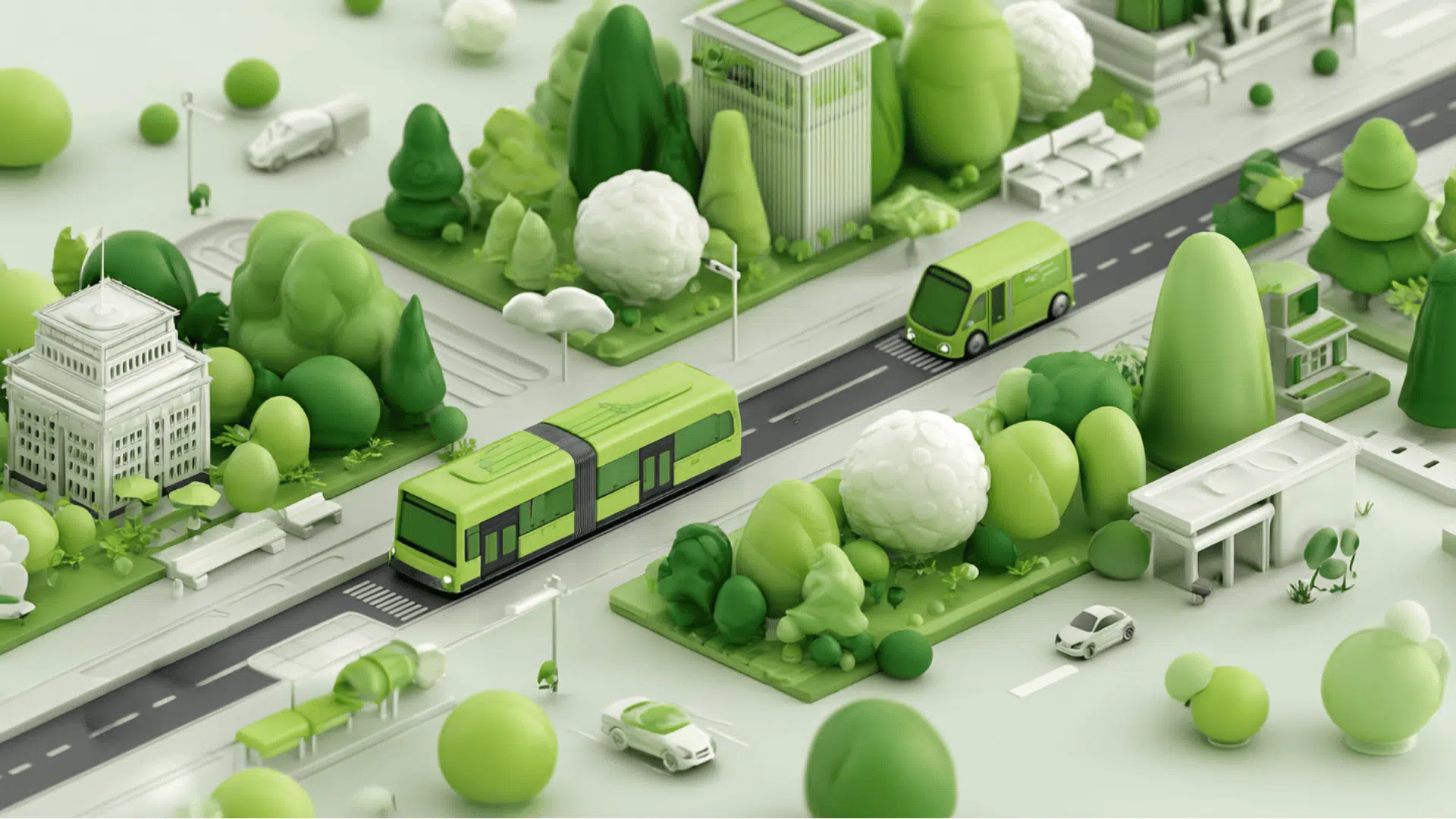
Sustainability is also becoming a key focus, with businesses adopting eco-friendly routes and electric delivery vehicles to reduce their environmental impact while maintaining efficiency.
Conclusion
A delivery management system is no longer just a nice-to-have; it’s a crucial tool for businesses that want to stay competitive and meet growing customer expectations.
By automating processes, improving visibility, and optimizing operations, you can deliver faster, reduce costs, and enhance customer satisfaction.
If you’re starting or scaling your delivery operations, investing in the right system can make your entire delivery management process smoother, smarter, and more future-ready.