Vinyl siding is one of the most popular exterior cladding materials in the United States, and for good reason. It is affordable, low maintenance, and available in a wide range of colors and profiles. But no material lasts forever, and every homeowner eventually faces the same question: how long will my siding actually hold up?
Understanding the typical lifespan of vinyl siding, what shortens it, and when replacement makes more financial sense than repair can save you thousands of dollars and a lot of frustration down the road.
What Is the Average Lifespan of Vinyl Siding?
Most industry sources place the lifespan of vinyl siding somewhere between 20 and 60 years, depending on the quality of the product and how well it has been maintained. The Vinyl Siding Institute cites a typical range of 20 to 40 years for standard grade panels, while the National Association of Home Builders has noted that premium vinyl siding can potentially last up to 60 years under favorable conditions.
That is a wide range, and for good reason. The actual life of your siding depends on several factors that vary from house to house.
What Affects How Long Your Siding Lasts?
Climate and sun exposure. UV radiation is the biggest threat to vinyl. South facing walls in hot, sunny climates tend to fade and become brittle faster than shaded or north facing surfaces. In regions with harsh winters, repeated freeze and thaw cycles can cause panels to crack over time, especially if the siding was struck by debris or impacted while cold.
Installation quality. Vinyl siding needs room to expand and contract with temperature changes. Panels that are nailed too tightly or installed without proper overlap can buckle, warp, or pull away from the wall. A siding replacement near Westminster project handled by a certified installer, for example, will follow manufacturer specifications that help the material perform as intended over time.
Product thickness and grade. Entry level vinyl panels (around 0.040 inches thick) are more affordable but tend to fade, chalk, and dent more easily. Premium panels in the 0.046 to 0.055 inch range include better UV stabilizers and impact resistance. If your siding is builder grade material from a 1990s construction, it may already be approaching the end of its useful life.
Maintenance habits. Vinyl siding is often marketed as maintenance free, but that is slightly misleading. An annual wash with a garden hose and mild soap removes mold, mildew, and grime that can degrade the surface over time. The NAHB recommends regular exterior inspections as part of any homeowner maintenance routine, and that includes checking siding for cracks, loose panels, and moisture intrusion.
Signs It Is Time to Replace, Not Repair
Small cracks and a single damaged panel can usually be fixed without tearing everything off. But when several warning signs appear together, replacement is the smarter long term investment.
Widespread fading or discoloration. Uneven color across the exterior usually means the UV stabilizers in the vinyl have broken down. Once that happens, the material becomes more prone to cracking and warping.
Bubbling or warping. Siding that bulges away from the wall is often trapping moisture behind it. That moisture can damage sheathing, insulation, and framing if left unchecked.
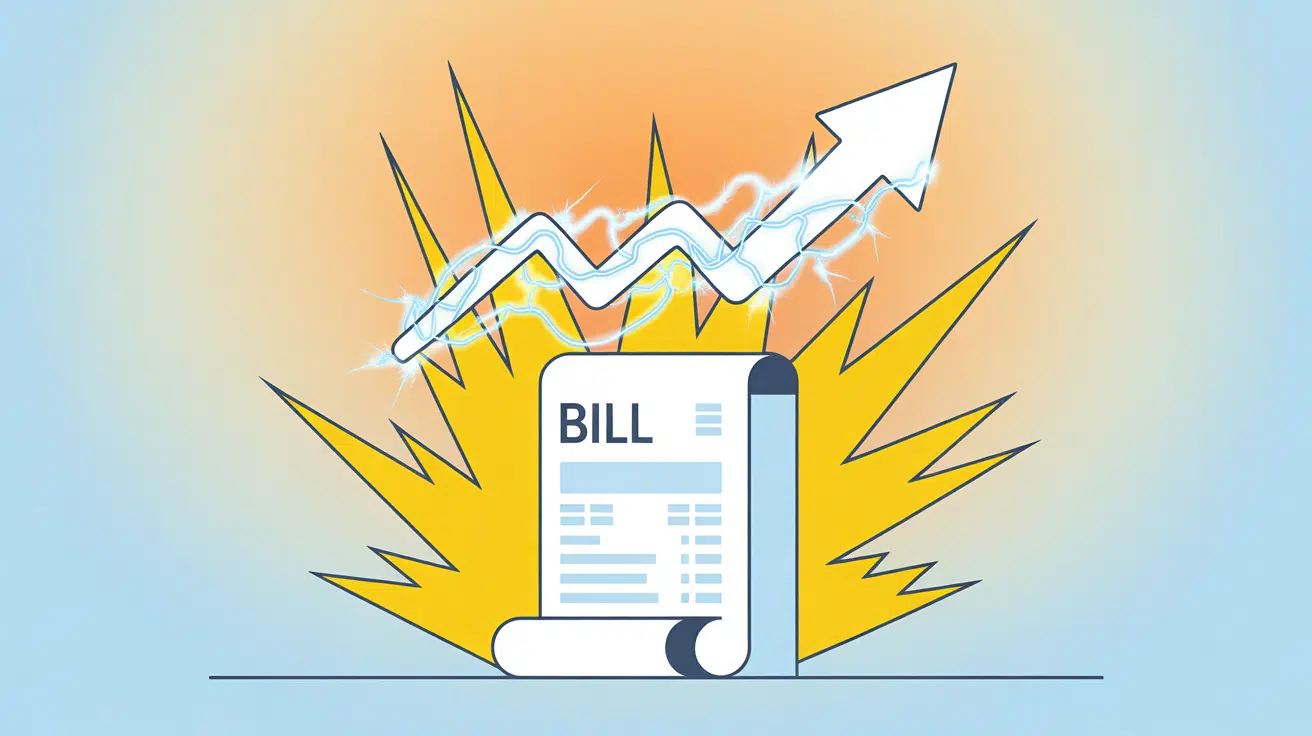
Rising energy bills. Older siding, especially uninsulated panels, offers very little thermal resistance. If your heating and cooling costs have been climbing, your siding may be part of the problem. Modern insulated vinyl siding products provide a measurable boost in wall R value.
Visible mold or rot on the structure beneath. If you pull back a loose panel and see dark staining or soft wood underneath, the siding has already failed in its most basic job: keeping water out.
Homeowners dealing with exterior improvements that stand up to weather often discover that aging siding is the weakest link in their home’s defense against wind and rain.
Replacement vs. Overlay: Which Approach Makes Sense?
Some contractors offer to install new siding directly over the old panels. While this saves on labor and disposal costs, it has drawbacks. Overlaying hides potential damage to the sheathing and house wrap, traps moisture, and adds weight to the wall assembly. In most cases, a full tear off and replacement gives you a cleaner starting point and a longer lasting result.
A full replacement also gives you the chance to upgrade house wrap, add rigid foam insulation, and inspect for any structural issues that would otherwise go unnoticed.
Choosing a Contractor for Siding Replacement
The quality of the installation matters as much as the quality of the product. When evaluating contractors, look for verifiable credentials such as a VSI (Vinyl Siding Institute) certification, proof of state licensing, and consistent reviews from past customers.
For homeowners in Maryland, Certified Home Improvement is one example of a contractor that holds both VSI certification and a Maryland Home Improvement Commission license, backed by over four decades of local work. That combination of credentials and longevity is a useful benchmark when comparing bids from any contractor in your area.
Making the Decision
Vinyl siding is a solid investment, but it is not a set it and forget it material. Knowing what to look for, understanding when repair crosses over into replacement territory, and choosing the right installer can add decades of protection and curb appeal to your home.
If your siding is showing its age, take a walk around the exterior and look closely at each wall. Check for fading, warping, soft spots, and moisture. The earlier you catch the warning signs, the more options you have and the less expensive the fix will be.