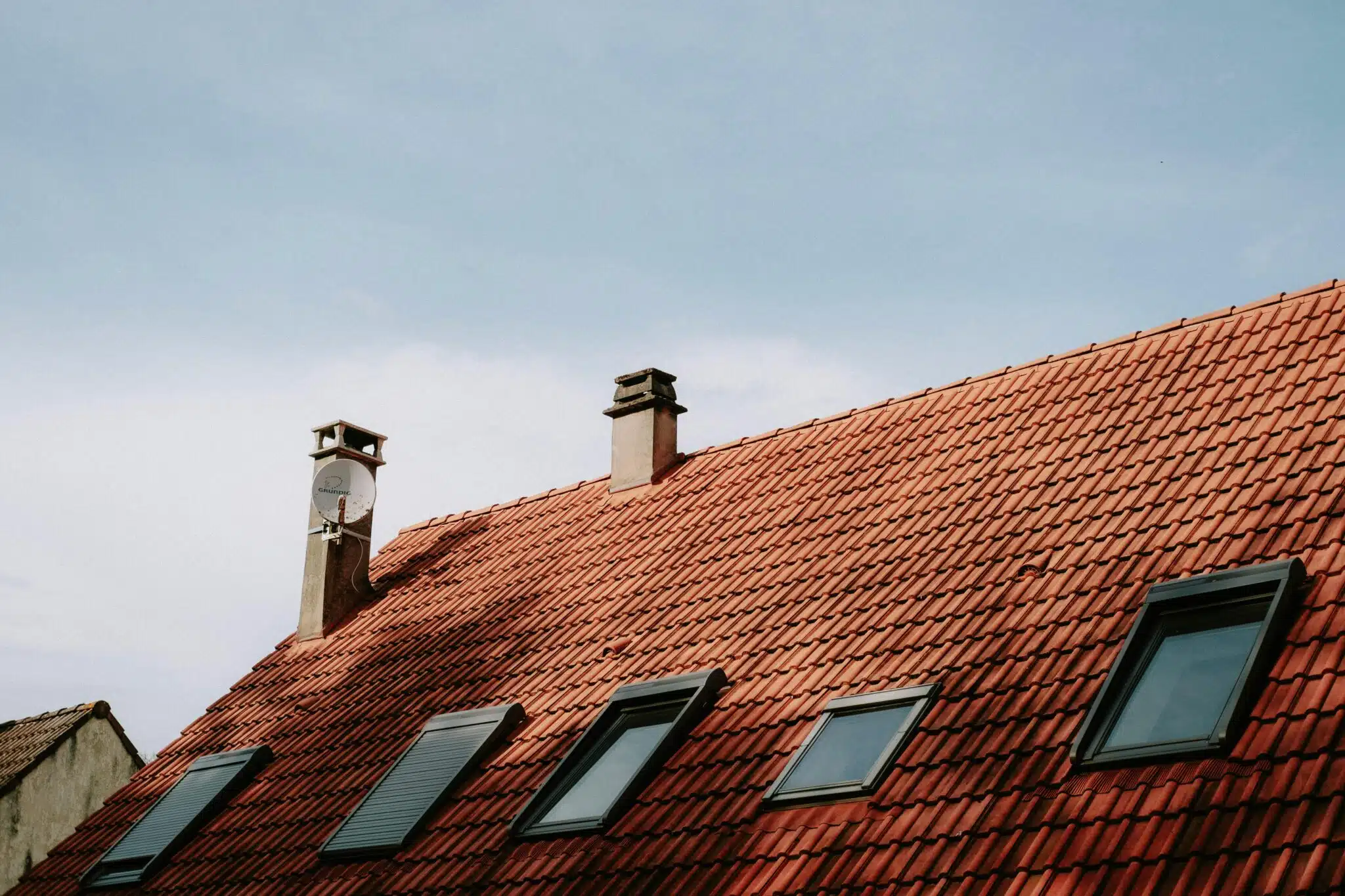
In cities like San Antonio, TX, where heat, humidity, and seasonal storms create the perfect environment for roof contamination, property owners are facing a growing challenge: how to maintain roofs without causing damage. Traditional cleaning approaches often fail to address long-term surface health, especially when delicate roofing materials are involved.
This has led to a noticeable shift in the industry. More professionals are adopting soft wash roof cleaning methods that prioritize both effectiveness and preservation. Unlike outdated techniques, soft washing focuses on treating the root cause of stains rather than just removing surface buildup. As a result, homeowners and commercial property managers are becoming more selective, seeking solutions that extend roof life while maintaining structural integrity.
Understanding this evolution is essential for anyone responsible for property maintenance in San Antonio’s demanding climate.
Why San Antonio Roofs Require Specialized Cleaning Approaches
San Antonio’s climate plays a significant role in roof deterioration. The combination of intense sun exposure, high humidity, and airborne organic matter creates ideal conditions for algae, mold, and lichen growth. Over time, these contaminants don’t just affect appearance—they begin to break down roofing materials at a structural level.
What makes this region particularly challenging is the speed at which buildup occurs. Even newer roofs can show signs of dark streaks and discoloration within a short period. This means standard cleaning methods often fall short, especially if they only address visible debris.
Soft wash roof cleaning stands out because it targets organic growth at its source. Instead of relying on force, it uses specialized cleaning solutions that penetrate and eliminate contaminants deeply embedded in roofing surfaces. This approach is especially important in San Antonio, where repeated exposure to environmental stressors can accelerate roof aging if not properly managed.
For property owners, this means adopting a method that aligns with local conditions rather than relying on one-size-fits-all solutions.
The Science Behind Soft Wash Roof Cleaning
Soft washing is not just a trend—it’s a method grounded in proven cleaning science. At its core, it involves applying eco-conscious cleaning solutions designed to break down organic matter without harming roofing materials. These solutions work by neutralizing algae, bacteria, and fungi at a microscopic level.
One of the key advantages of this approach is its ability to provide longer-lasting results. Since the root organisms are treated, regrowth is significantly delayed compared to surface-level cleaning methods. This is particularly valuable in San Antonio, where environmental conditions can quickly lead to recurring issues.
Professionals who specialize in this field, such asroof cleaning experts, understand the importance of using the correct solution ratios and application techniques. Precision matters, as improper handling can reduce effectiveness or impact surrounding landscaping.
By combining technical knowledge with the right tools, soft washing delivers a balance between deep cleaning and material preservation—something traditional methods struggle to achieve.
Industry Standards and Professional Expertise in San Antonio
As demand for safer roof cleaning grows, industry standards are evolving. In San Antonio, property owners are increasingly looking for service providers who follow best practices rather than quick-fix solutions. This includes proper chemical handling, controlled application methods, and a clear understanding of different roofing materials.
Professional expertise plays a critical role here. Not all roofs are the same, and factors such as shingle type, age, and previous maintenance history must be considered before any cleaning process begins. This level of assessment ensures that the method used is both effective and safe.
Established service providers likeSan Antonio Pressure Washing have adapted to these expectations by focusing on soft wash techniques tailored to local conditions. Their approach reflects a broader industry movement toward precision and care rather than aggressive cleaning.
For clients, this shift means access to services that prioritize long-term roof health over short-term visual improvements.
Long-Term Property Value and Maintenance Strategy
Roof cleaning is no longer viewed as a one-time task—it’s becoming a key part of long-term property maintenance strategies. In San Antonio’s competitive real estate market, a well-maintained roof contributes directly to property value and curb appeal.
Soft washing supports this by offering a sustainable maintenance solution. Since it minimizes wear and tear, it helps extend the lifespan of roofing materials, reducing the need for costly repairs or replacements. This is particularly important for homeowners looking to protect their investment over time.
Additionally, regular soft wash cleaning can prevent minor issues from escalating into major structural concerns. By addressing organic growth early, property owners can avoid moisture retention problems that often lead to deeper damage.
This proactive approach aligns with modern property management practices, where prevention is prioritized over reactive maintenance. In a city like San Antonio, where environmental factors are constantly at play, having a reliable cleaning strategy is essential.
Conclusion
The evolution of roof cleaning in San Antonio, TX reflects a broader shift toward smarter, more sustainable property care. As environmental challenges continue to impact roofing systems, traditional methods are being replaced by solutions that emphasize both effectiveness and preservation.
Soft wash roof cleaning stands at the forefront of this change. By addressing contaminants at their source and minimizing surface damage, it offers a balanced approach that meets the demands of modern property maintenance.
For homeowners and property managers, the message is clear: choosing the right cleaning method is no longer optional—it’s a critical decision that affects long-term value and performance. As industry standards continue to rise, those who adopt advanced techniques like soft washing will be better positioned to protect their properties for years to come.