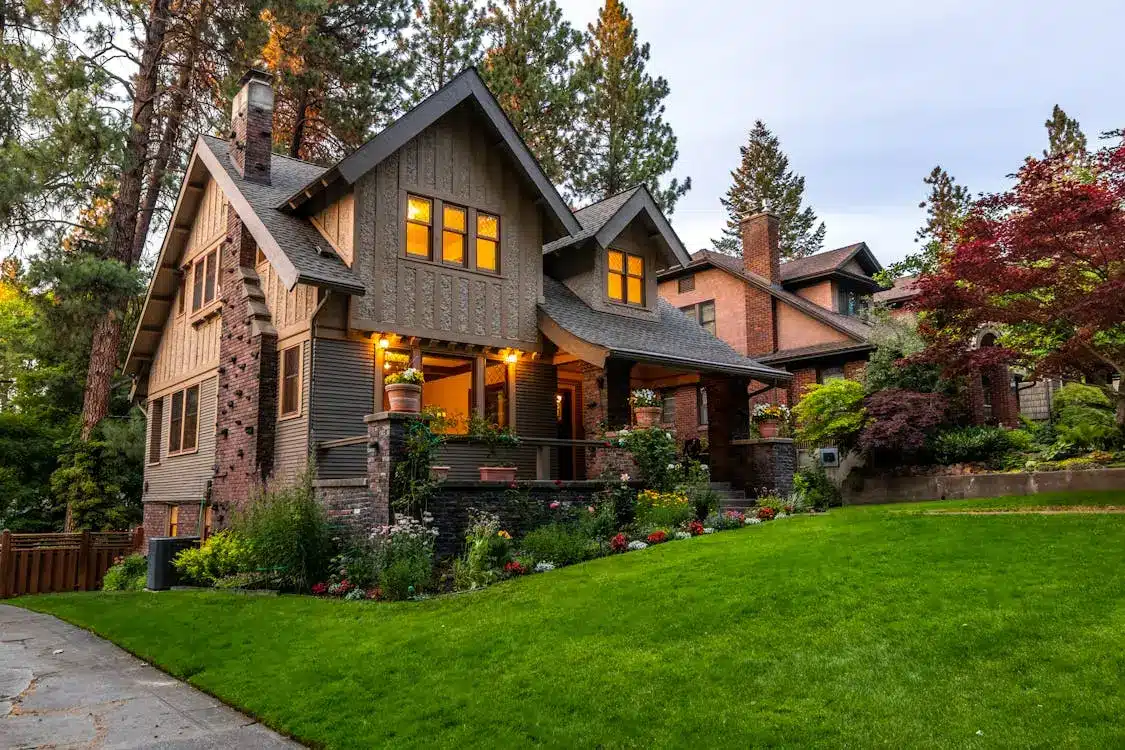
Most homeowners suspect that landscaping matters when it comes time to sell, but few realize just how strongly the numbers back that up. According to NAR’s 2023 Remodeling Impact Report, 92% of realtors recommend curb appeal improvements before listing a property.
That kind of consensus from the National Association of Realtors says a lot about how buyers perceive a well-kept exterior. Smart landscaping upgrades can recover a meaningful share of their cost at resale, which makes them a solid investment in home value.
Still, the real payoff goes beyond what a home sells for. The best outdoor improvements that add value also cut down on long-term upkeep. Every upgrade covered here was chosen for that dual benefit: better curb appeal and lower maintenance over time.
What Landscaping ROI Actually Looks Like
The data makes a compelling case for prioritizing your yard. When 92% of real estate professionals agree on something, it’s worth paying attention. Landscaping upgrades can recover significant cost at resale, but the real savings come from choosing upgrades that also reduce ongoing maintenance.
That’s the framework for everything that follows. Each upgrade below was selected because it improves appearance and reduces long-term upkeep costs. In other words, the best landscaping investments work double duty.
Ground Cover Alternatives to a Full Lawn
Of all the line items in a typical yard budget, lawn care tends to eat the most. Mowing, watering, fertilizing, and weed control add up fast, especially when that grass covers the entire front yard. Cutting back on turf, even partially, is one of the simplest ways to lower those recurring costs.
Mulch beds offer a good starting point. Adding mulch around trees and along borders reduces weeding time and helps the soil hold moisture longer. It also creates clean visual definition between planting areas and walkways, which ties into strategic landscape design without adding complexity.
Native ground covers take things a step further. Plants like clover, creeping thyme, and sedge fill open space without needing to be mowed. They spread on their own, tolerate foot traffic reasonably well, and require far less water than traditional turf.
For small, high-visibility areas like the strip between a sidewalk and curb, you as a homeowner might also consider artificial turf for your next landscaping project. It eliminates mowing and watering entirely, which makes it practical where a manicured look matters but regular upkeep is hard to justify.
None of these options require ripping out an entire lawn. Even replacing 30% to 40% of turf with low-maintenance landscaping alternatives can produce a noticeable drop in annual yard costs.
Native Plants That Save Water and Money
Replacing turf with ground cover solves one part of the maintenance equation, but what fills the rest of the yard matters just as much. Native plants offer a practical answer because they already thrive in local soil and climate conditions. That means less watering, fewer soil amendments, and stronger natural resistance to regional pests.
Drought-tolerant perennials are especially worth considering. Unlike annuals that need to be purchased and replanted each season, perennials come back year after year. Over a three- to five-year window, the savings on replanting alone can be significant.
Grouping plants by their water needs, a technique called hydrozoning, also simplifies irrigation. Instead of overwatering one area to keep another alive, each zone gets only what it requires. This reduces waste and keeps utility bills in check.
Layered planting adds another practical benefit. Mixing varying heights and textures across a bed creates visual depth that reads as professional landscaping. It gives curb appeal a lift without the ongoing reshaping or trimming that formal hedges and topiaries demand.
Landscape Lighting Does More Than You Think
While the upgrades above focus on what buyers see during the day, curb appeal doesn’t clock out at sunset. Landscape lighting extends a front yard’s visual impact into the evening hours, and it costs surprisingly little to maintain.
Solar LED path lights are one of the cheapest entries into outdoor lighting. They require no wiring, no electrician, and nothing to run once installed. Positioning them along a front walkway or near the entry creates a clear, welcoming sightline after dark.
For a more polished effect, low-voltage LED systems allow homeowners to uplight specimen trees, accent key plantings, or illuminate house numbers. These systems last for years with virtually no bulb replacements, especially compared to older wired alternatives.
The key is restraint. Lighting the entry, one or two focal plantings, and the path to the door is usually enough. Over-lighting a front yard tends to flatten the effect rather than enhance it.
Smart Irrigation Pays for Itself
Keeping plants and ground covers alive through dry spells requires consistent watering. However, running a standard sprinkler system on a timer often delivers more water than the yard actually needs. A smart sprinkler controller solves that problem by adjusting schedules based on weather forecasts and soil moisture readings, which cuts water waste without any manual effort.
Drip irrigation works well alongside smart controllers, especially in planting beds and borders. It sends water directly to the root zone, reducing evaporation loss that conventional sprinkler heads produce.
Beyond the savings on water bills, automated irrigation protects the investment in landscaping and lawn care by preventing drought damage that would otherwise require costly replanting. The upfront cost for most smart systems stays moderate, and lower utility bills typically offset the expense within the first year or two.
A Seasonal Schedule Keeps Costs Down
All of the upgrades covered so far work best when they are maintained on a simple recurring schedule. Without one, small issues pile up into expensive reactive fixes.
In spring, refreshing mulch, checking irrigation lines, and pruning winter damage sets the yard up for the growing season. Summer calls for monitoring watering efficiency and trimming back overgrowth before it crowds out plantings.
Fall is the time to clean beds, plant spring bulbs, and winterize irrigation systems. During winter, homeowners can assess lighting performance and plan next season’s changes while costs are lower.
This kind of low-maintenance landscaping rhythm keeps the front yard looking sharp year-round and protects the home value those upgrades were designed to build.
Small Upgrades, Long-Term Returns
The most effective landscaping upgrades share one trait: they look good without sending maintenance costs climbing year after year. Curb appeal gains only hold their value when the yard behind them doesn’t demand constant spending to stay presentable.
Homeowners who start with just one or two changes, whether that’s swapping turf for ground cover or adding path lighting, often find that each improvement makes the next one easier, and for those planning multiple phases, a landscape design service can help sequence the work so each step builds on the last.