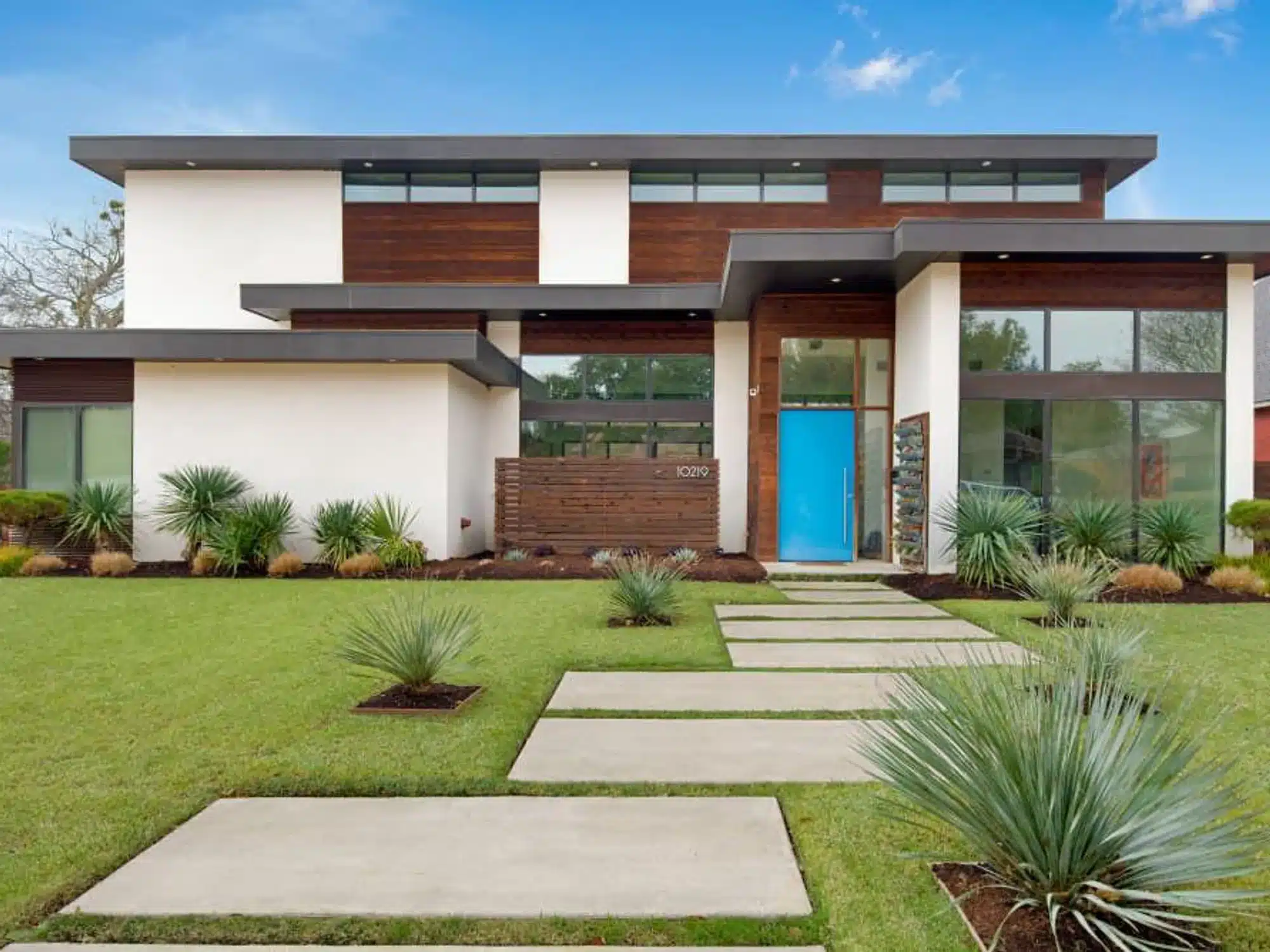
In Dallas, outdoor space is part of how a house functions. People use their yards more often than they do in cooler climates, even if it’s just early mornings and evenings during the summer. A home with a usable outdoor setup feels easier to live in. A home without one feels unfinished.
The mistake many homeowners make is copying ideas that work somewhere else and forcing them into North Texas conditions. Heat, soil movement, and sun exposure that are present here change the rules. The upgrades that add value are the ones that account for that reality and hold up without constant maintenance.
Creating Shade in Dallas Backyards
Shade isn’t a luxury in Dallas. It determines whether a backyard gets used at all. An uncovered patio can hit temperatures that make it uncomfortable to stand on, much less sit and relax.
Covered patios remain one of the most practical upgrades. They don’t need to be elaborate. A basic cover blocks direct sun, lowers surface temperatures, and protects furniture. Homeowners who add them usually start using their outdoor space immediately instead of waiting for cooler months.
Pergolas are another common option. They don’t block all the light, but they break it up enough to make a difference. In yards where a full cover feels too heavy, pergolas offer a balance. Some homeowners add retractable fabric or let vines grow across the top for extra shade. Popular vine choices include crossvine and star jasmine. Crossvine grows quickly and handles heat well. Star jasmine takes longer to establish but stays green and adds light fragrance without aggressive growth.
Shade sails work well for specific problem areas. Play spaces, side yards, or sections that get intense afternoon sun. They’re less permanent and easier to adjust, which appeals to those who want flexibility.
Trees add natural shade, but they require planning. Planting too close to foundations or fences can create problems later. When placed correctly, though, trees cool the yard and reduce heat around the home itself. Common shade trees include live oak, cedar elm, and bur oak. Live oaks provide wide, dense shade and hold up well in North Texas. Cedar elms grow faster and adapt well to local soil. Bur oaks take longer but are extremely durable once established.
Hardscaping That Holds Up in Texas Heat
Hardscaping has to deal with more stress in North Texas than many homeowners expect. Long heat cycles cause expansion. Clay soil shifts, and poor installation shows up quickly.
Concrete patios are popular because they’re straightforward and durable. When poured correctly with proper spacing, they handle temperature changes well. Decorative finishes can improve appearance, but structure always matters more than surface detail.
Pavers offer another reliable option. They allow for slight movement, which helps prevent cracking as the soil shifts. That flexibility also makes repairs easier if a section gets damaged.
Stone features like seating walls, steps, or raised planters give a yard structure without adding maintenance. Stone handles heat well and doesn’t need frequent attention. It also helps define how a space is used, which makes outdoor areas feel intentional instead of scattered.
The most common hardscaping problems come from poor preparation. Inadequate base work leads to uneven surfaces and water pooling. Those issues don’t just look bad. They shorten the life of the entire project.
Lawn and Grass Choices for North Texas
A lawn doesn’t need to be perfect to add value. It just needs to look healthy and consistent. In Dallas neighborhoods, that still makes a strong first impression.
North Texas lawns deal with long stretches of heat, heavy soil, and changing watering rules. Choosing grass without accounting for those factors usually leads to constant repairs.
Bermuda grass is common because it handles sun and foot traffic well. It works best in open yards with full exposure. St. Augustine does better in shaded areas but needs more attention and regular watering. Zoysia offers a slower-growing option with a clean look and moderate upkeep.
Many homeowners try to fix thin or damaged areas with patching. Sometimes that works. Often it doesn’t. When bare spots keep returning, replacing the lawn with sod becomes a more efficient solution.
Local suppliers like The Grass Store DFW help homeowners choose sod based on how the yard actually functions. Sun exposure, soil conditions, pets, and usage all matter. Picking the right grass from the start saves time and avoids repeated failures.
A healthy lawn connects everything else in the yard. Hardscaping looks cleaner. Fencing blends better. Even simple landscaping feels finished when the grass works with the space.
Fencing and Privacy for Suburban Homes
Privacy has become more important as Dallas neighborhoods continue to grow denser. Fencing helps create separation and makes outdoor spaces more comfortable to use. Wood fencing remains a popular choice. It fits most home styles and provides solid privacy. Proper sealing and maintenance make a big difference in how long it lasts.
Metal fencing has gained popularity, especially in newer developments. It provides security without completely closing off the yard. Some homeowners pair it with landscaping to increase privacy while keeping the space open.
Before installing a fence, homeowners should check HOA rules and city guidelines. Height limits and material restrictions vary by neighborhood. Planning around those rules prevents costly changes later.
Privacy changes how people use their yard. They relax more. They spend more time outside. That comfort adds value in ways that don’t always show up on paper but matter when buyers walk the property.
Final Words
Outdoor upgrades add the most value when they’re planned together. Dallas homes benefit from outdoor spaces that are easy to maintain and built for the climate. Flashy features don’t matter if they don’t hold up. Practical improvements tend to last longer and appeal to more buyers.
For homeowners, these upgrades improve daily life right away. For future buyers, they signal care and thoughtful planning. Outdoor space isn’t an extra feature, but a part of how a home works. When improvements reflect that, value follows naturally.