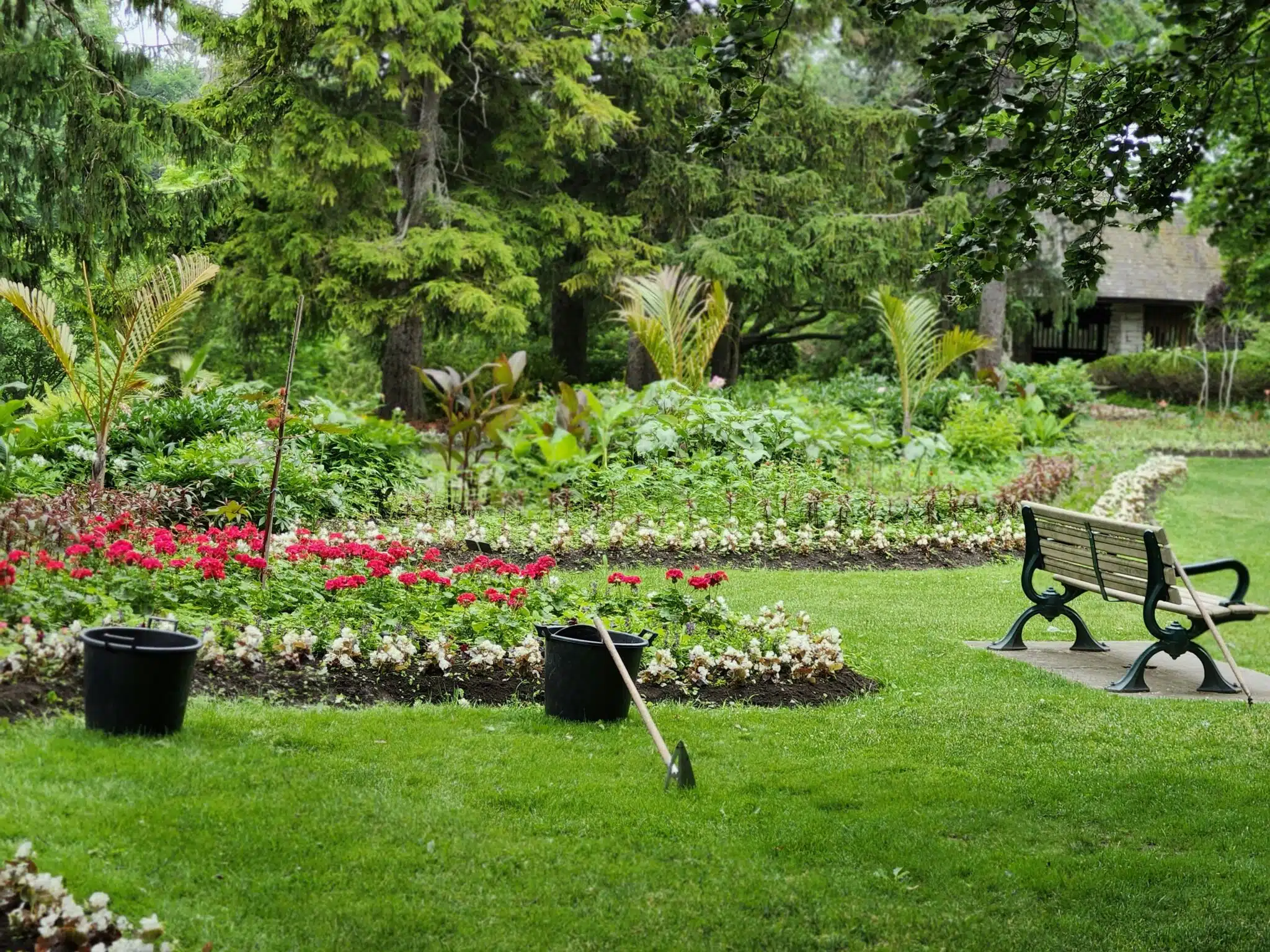
A lawn is often one of the first things people notice about a home. Whether it is a small front yard or a large outdoor space, landscaping plays a major role in how a property looks, feels, and functions. While many homeowners think of landscaping as purely decorative, its benefits go far beyond appearance.
Modern landscaping combines design, environmental planning, and practical outdoor living. A well-maintained lawn can improve curb appeal, increase property value, support environmental health, and even contribute to mental wellbeing.
According to housing and landscaping studies, outdoor improvements consistently rank among the most valuable home upgrades for both lifestyle and resale potential.
Landscaping Creates Strong First Impressions
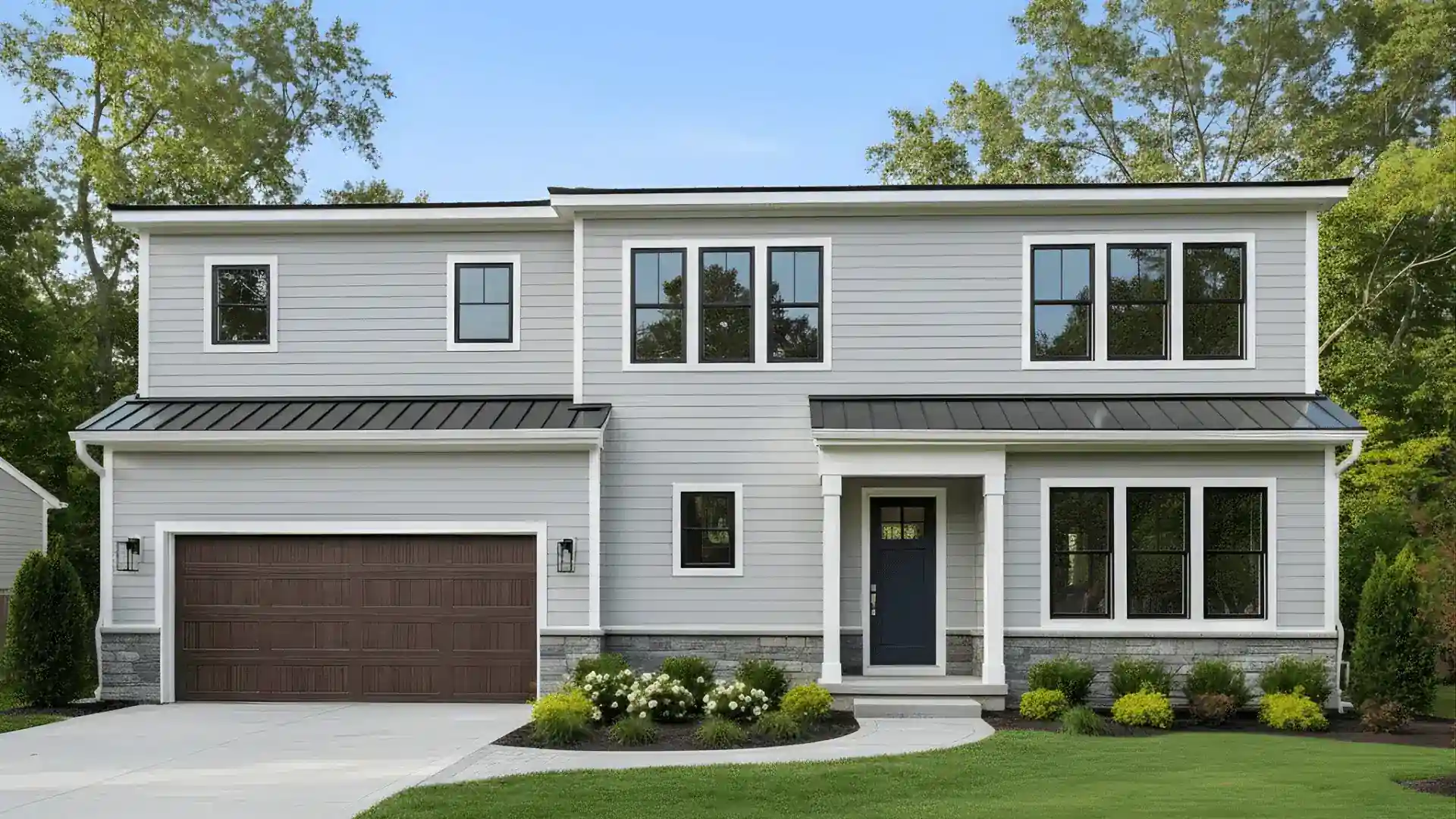
One of the biggest reasons landscaping matters is curb appeal. The exterior of a home shapes how visitors, neighbors, and potential buyers perceive the property before they even step inside.
A healthy lawn, trimmed hedges, flowers, and organized outdoor spaces make a home look cared for and welcoming. On the other hand, overgrown grass, weeds, or neglected landscaping can create the opposite impression. Real estate professionals frequently note that buyers form opinions about a property within seconds of arriving.
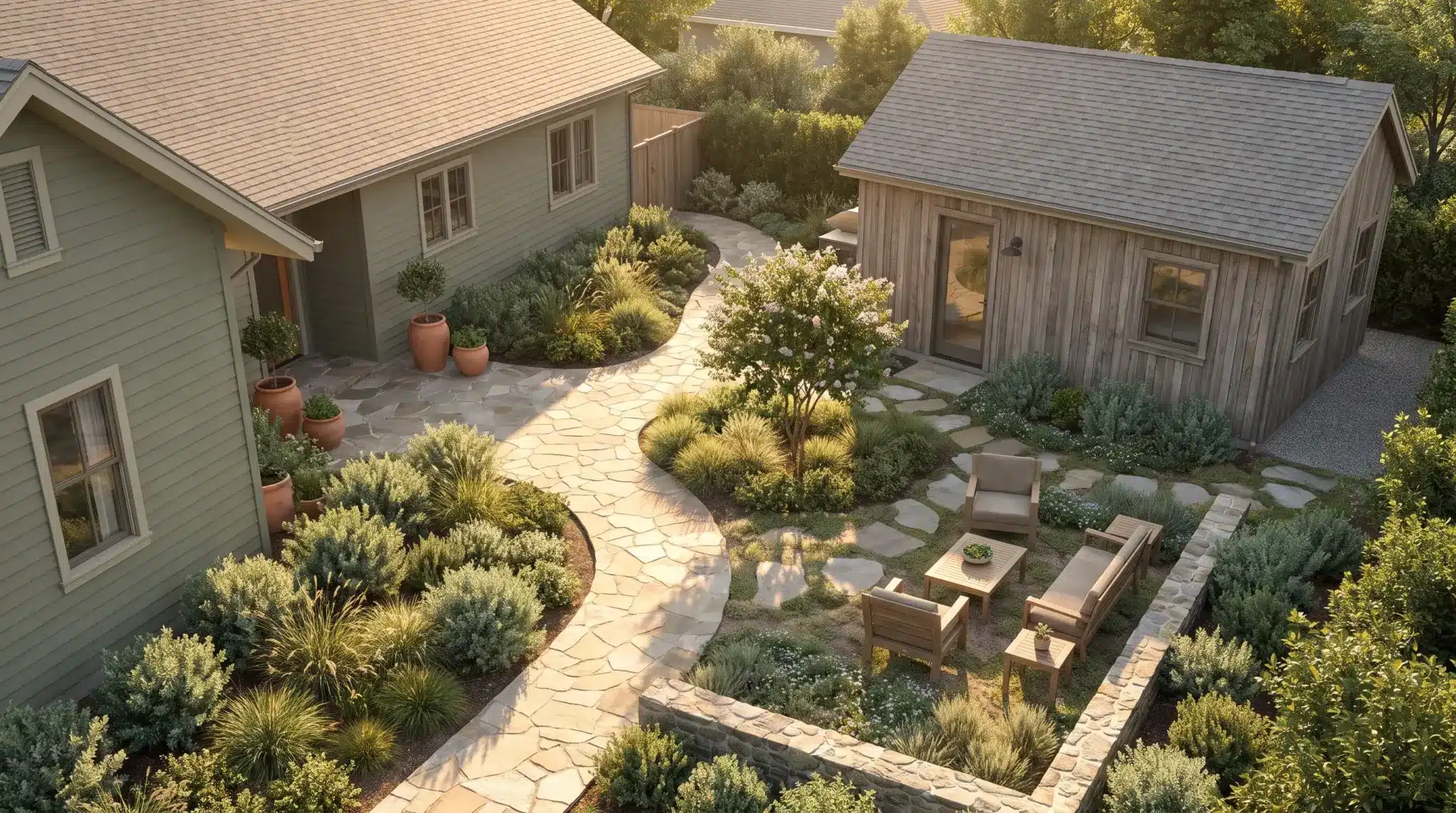
Today, many homeowners even use digital tools and landscape app design platforms to visualize outdoor improvements before starting projects. These apps can help users experiment with pathways, plants, lighting, and garden layouts, making landscaping decisions more practical and accessible.
Landscaping does not necessarily require expensive renovations. Simple improvements such as mowing regularly, adding mulch, planting flowers, or installing pathways can dramatically improve the appearance of a home.
Even small landscaping upgrades can make outdoor spaces feel more inviting and polished.
Landscaping Can Increase Property Value
Well-designed landscaping is also closely connected to home value. Multiple studies and housing reports suggest that quality landscaping can increase perceived property value by anywhere from 5 to 15 percent, depending on the location and condition of the property.
Trees, lawn maintenance, lighting, patios, and outdoor living spaces are often considered valuable additions because they improve both aesthetics and functionality. According to reports from the National Association of Realtors and landscaping professionals, even standard lawn care services can provide a strong return on investment.
Mature trees are particularly valuable because they provide shade, improve visual appeal, and can help reduce cooling costs during warmer months. Some real estate experts estimate that strategically planted mature trees can add thousands of dollars to a property’s value.
For homeowners planning to sell in the future, landscaping can make a property more competitive in the market while helping it stand out online and during viewings.
A Healthy Lawn Benefits the Environment
Landscaping is not only about appearance. Healthy lawns and green spaces also provide environmental benefits that are often overlooked.
Research from environmental and agricultural organizations shows that properly maintained lawns help:
· Reduce soil erosion
· Improve water absorption
· Filter pollutants
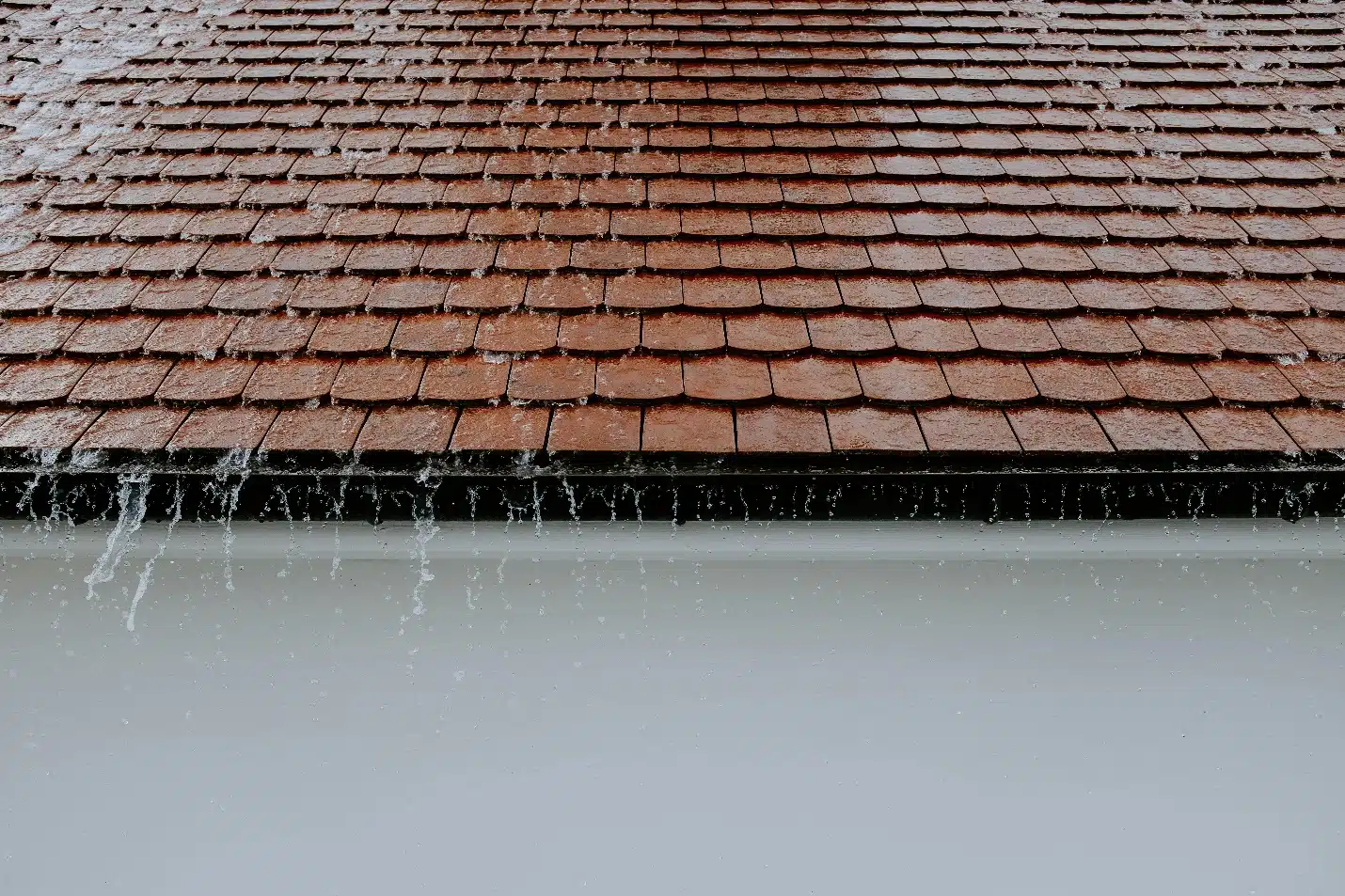
· Reduce runoff during heavy rain
· Lower surface temperatures
· Improve air quality
Grass and plants act as natural filters, slowing water movement and helping moisture soak into the ground instead of flooding streets or drains. Dense root systems also stabilize soil and reduce erosion caused by wind and rain.
Green spaces also contribute to cooling effects in urban and suburban environments. Lawns and trees absorb less heat than concrete or asphalt, helping reduce the “urban heat island” effect commonly found in cities.
When maintained responsibly, landscaping can support healthier ecosystems while making outdoor environments more comfortable.
Landscaping Improves Outdoor Living Spaces
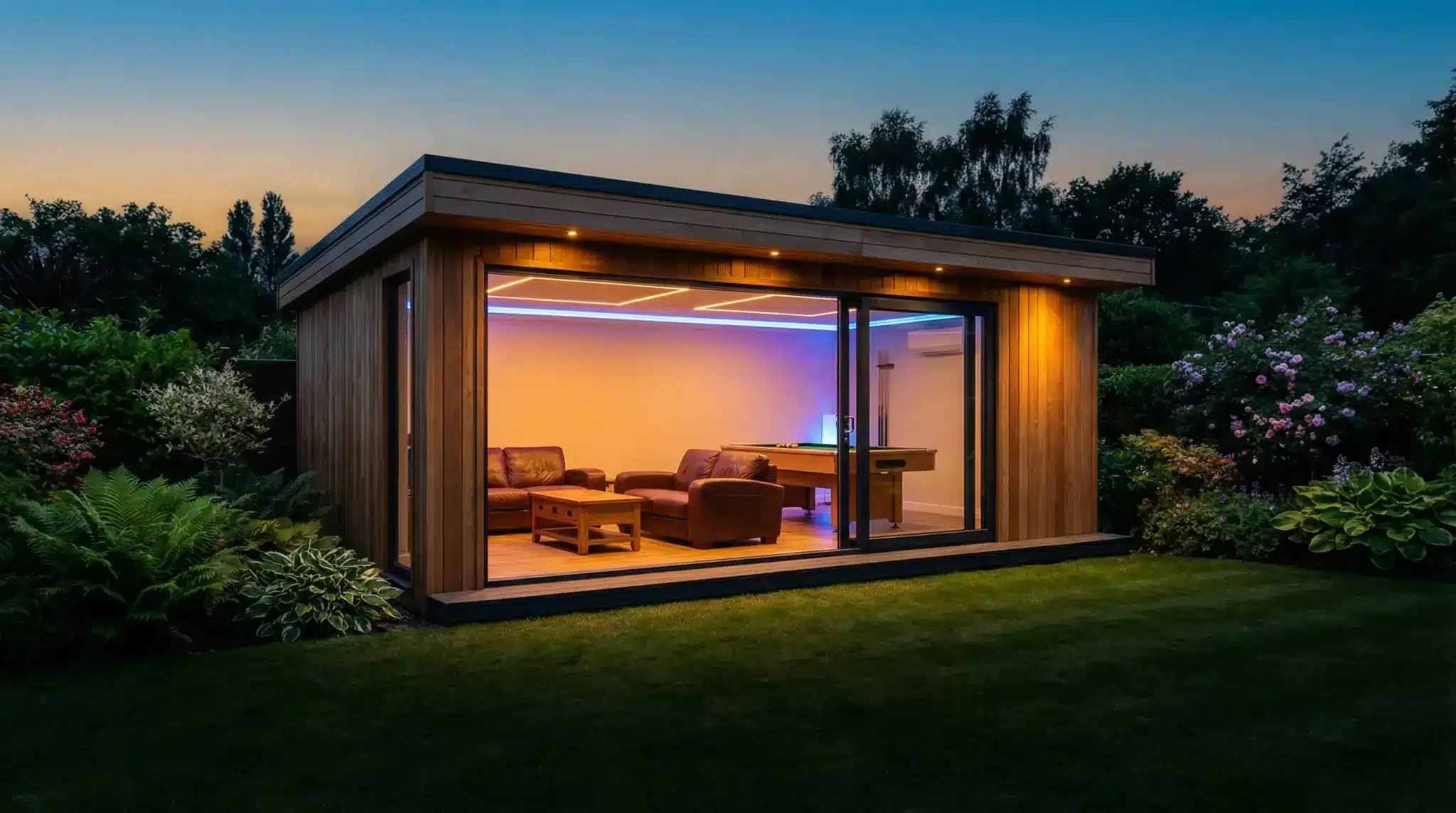
Modern homeowners increasingly view outdoor areas as extensions of their indoor living spaces. Landscaping helps transform lawns into usable environments for relaxation, entertainment, exercise, and family activities.
Features such as patios, pathways, outdoor lighting, fire pits, and shaded seating areas make yards more functional and enjoyable. Well-planned landscaping creates spaces where people can gather, host guests, or simply spend quiet time outdoors.
This shift toward outdoor living has become more noticeable in recent years as people place greater importance on comfort and flexibility at home. Landscaping helps maximize the usability of outdoor areas without requiring major construction projects.
Even simple additions such as garden beds or seating areas can make a lawn feel more inviting and personalized.
Landscaping Supports Mental Wellbeing

Spending time around greenery has long been associated with positive mental health effects. Studies on urban green spaces suggest that natural environments can help reduce stress, improve mood, and encourage relaxation.
A landscaped lawn provides homeowners with easier access to nature without needing to leave home. Gardening, lawn care, and simply sitting outdoors can create calming routines that support emotional well-being.
Researchers also note that green spaces may encourage:
· Physical activity
· Social interaction
· Reduced stress levels
· Improved focus and mental clarity
These effects are especially important in busy urban environments where access to natural spaces may be limited.
Many homeowners also describe lawn care and gardening as rewarding hobbies that create a sense of accomplishment and connection to their environment.
Proper Landscaping Helps Prevent Problems
Landscaping is not only decorative. It can also help prevent expensive property issues when designed correctly.
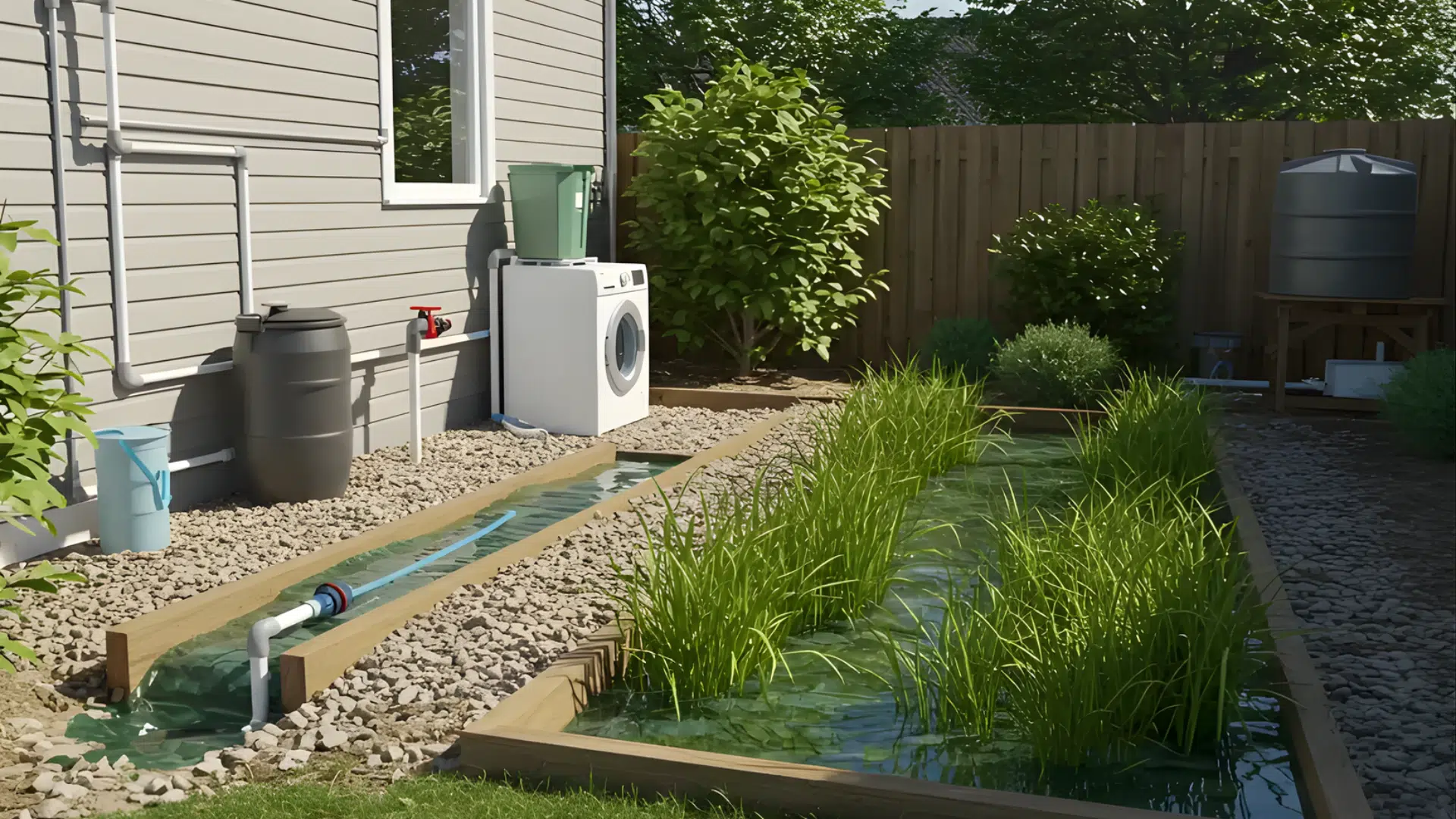
For example, proper grading and drainage systems help direct water away from a home’s foundation, reducing the risk of flooding or structural damage. Trees and shrubs can provide wind protection, while strategically placed plants may reduce soil erosion on sloped properties.
Poor landscaping, on the other hand, can create long-term problems. Overgrown tree roots, improper drainage, or neglected lawns can contribute to:
· Water pooling
· Foundation damage
· Pest problems
· Dead grass and erosion
· Reduced curb appeal
Professional landscaping often focuses not just on beauty, but also on long-term maintenance and functionality.
This practical side of landscaping is one reason why planning matters just as much as aesthetics.
Landscaping Encourages Community Appeal
Well-maintained lawns and green spaces can positively influence entire neighborhoods. Homes with attractive landscaping often contribute to cleaner, more visually appealing communities.
Neighbourhoods with mature trees and healthy outdoor spaces are frequently associated with higher desirability and stronger community identity. Some studies even suggest that greener urban environments can influence how safe and welcoming neighbourhoods feel.
Landscaping can also encourage social interaction. Front yards, gardens, and outdoor seating areas naturally create opportunities for neighbours to connect and spend more time outside.
In many ways, landscaping affects not just individual properties, but the atmosphere of the surrounding area as well.
Sustainable Landscaping Is Becoming More Important
As environmental awareness grows, many homeowners are adopting more sustainable landscaping practices. This includes:
· Planting native species
· Using drought-resistant plants
· Reducing excessive water use
· Installing efficient irrigation systems
· Limiting chemical fertilizers and pesticides
Sustainable landscaping can lower maintenance costs while supporting local ecosystems and reducing environmental impact. Experts increasingly recommend choosing plants suited to local climates because they require less water and upkeep over time.
Low-maintenance landscaping is also becoming more attractive to buyers who want visually appealing outdoor spaces without excessive maintenance demands.
This balance between beauty and sustainability is shaping many modern landscaping trends today.
Landscaping Is an Investment in Daily Living
One important thing homeowners often realize is that landscaping is not only about resale value. It is also about everyday enjoyment.
A clean, comfortable outdoor environment can improve how people experience their home daily. Whether it is children playing in the yard, family gatherings on a patio, or simply enjoying a quiet evening outside, landscaping contributes to quality of life in meaningful ways.
Many homeowners invest in landscaping because they want to enjoy their space while living there, not simply because of future property value. This personal aspect often becomes one of the most rewarding benefits of maintaining a lawn and garden.
More Than Just Grass and Plants
Landscaping your lawn is about far more than appearances. A well-maintained outdoor space can improve property value, support environmental health, enhance comfort, and create a more enjoyable home environment.
From better curb appeal to stronger mental well-being, landscaping affects how people experience both their homes and their communities. It also reflects a growing understanding that outdoor spaces are just as important as interior design when creating a functional and welcoming property.
Whether through simple lawn care or more advanced landscape design, investing in outdoor spaces continues to offer long-term benefits that go beyond aesthetics alone.