Architectural hardware shapes how people experience a home from the first moment they enter it. Door handles, cabinet pulls, hinges, and related details affect movement, touch, sight lines, and the rhythm of daily use. When architects and designers consider brands such as Rocky Mountain Hardware early in the process, they can treat hardware as part of the architecture itself and create a more resolved design from room to room.
Hardware Influences the Whole Design Language
A successful interior depends on consistency. Materials, finishes, proportions, lighting, and furnishings need to speak the same visual language. Hardware may appear small within that larger composition, yet it often repeats throughout the entire home.
The finish selected for an entry handle may also appear on interior doors, cabinetry, bath fittings, and custom millwork. These repeated points create a quiet sense of order. When the hardware supports the architectural style, each space feels connected to the next.
Early decisions give the design team more control over that relationship. They can compare finishes beside stone, wood, plaster, and metal samples before major selections become fixed.
Scale and Proportion Need Careful Study
Hardware must feel right in the hand and in the room. A large pivot door may call for a handle with greater visual weight, while a refined cabinet front may need a smaller piece with a clean profile.
These choices affect both comfort and appearance. Hardware that feels too small can disappear against a large door. A piece that feels too heavy may distract from fine millwork or a quiet material palette.
Architects and designers can study these proportions during the drawing and sample phase. Mockups and physical samples help the team understand grip, projection, spacing, and scale before fabrication or installation begins.
Material Quality Shapes Long-Term Character
Luxury homes rely on materials that age with grace. Stone develops depth, wood gains warmth, and quality metal takes on a richer surface through use. Architectural hardware belongs in that same material conversation.
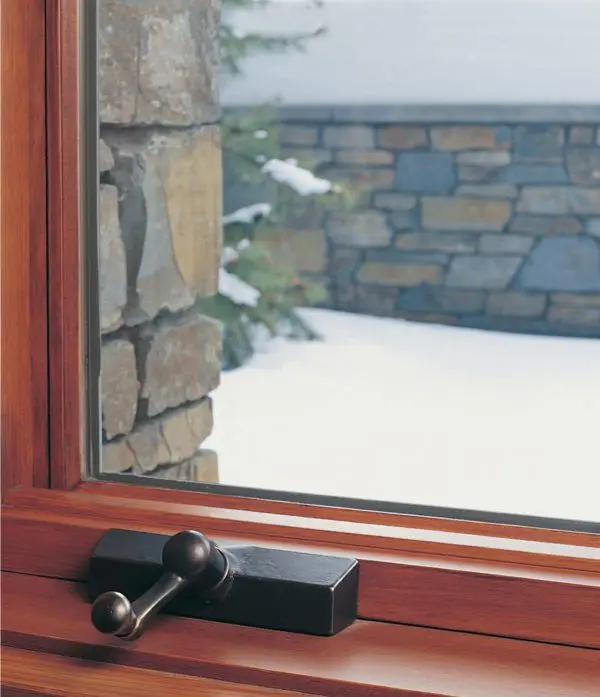
Solid bronze offers weight, strength, and a tactile quality that becomes clear the moment someone opens a door or drawer. Its surface can also develop a natural patina, giving the home a sense of history and character over time.
This matters in projects designed for long life. A well-made piece can support years of daily use while becoming more personal to the people who live with it.
Early Selection Supports Better Coordination
Hardware touches many parts of a project. Door thickness, backset, handing, lock functions, cabinet construction, accessibility, and finish schedules all affect the final selection.
When teams delay these decisions, they may discover conflicts after doors, frames, or millwork have entered production. Early review allows architects, interior designers, contractors, and fabricators to confirm technical details before work advances.
This coordination also improves the specification process. Clear schedules and approved samples reduce uncertainty during ordering and installation. The project team can solve questions while there is still time to protect the design intent.
Custom Work Requires More Lead Time
Many high-end residential projects include custom doors, unusual dimensions, specialty finishes, or bespoke millwork. Standard hardware may not suit those conditions.
Early conversations allow the design team to explore custom sizing, unique functions, and finish options that align with the project. They can also review lead times and production needs as part of the broader construction schedule.
This planning helps preserve creative freedom. It gives designers room to develop details with care, while contractors gain a clearer path for procurement and installation.
Hardware Creates Important Tactile Moments

People interact with hardware many times each day. They turn a lever, pull a drawer, open a cabinet, or secure an entry without giving the action much thought. These small moments still shape how the home feels.
A handle with balanced weight and a comfortable grip can make daily use feel smooth and natural. Fine surface texture can add warmth and depth. Strong construction can create a sense of trust through every movement.
For discerning homeowners, these tactile details often carry as much value as visual beauty. They bring craftsmanship into direct contact with everyday life.
Finish Decisions Affect the Broader Palette
Metal finishes can shift the mood of an interior. Dark tones may add depth and definition. Warm bronze can complement wood, leather, and natural stone. Lighter finishes may support a softer or more restrained palette.
Designers need time to study how these finishes respond to daylight, electric light, and nearby materials. A sample that looks one way in a studio may read differently within the finished space.
Early selection also helps prevent a scattered mix of tones. The design team can create a clear finish strategy and apply it with purpose across doors, cabinetry, plumbing, lighting, and decorative elements.
Details Support a Sense of Permanence
Luxury often comes from restraint, precision, and material honesty. A home does not need excess detail to feel special. It needs thoughtful choices that work together and reward close attention.
Architectural hardware supports that sense of permanence when it reflects the quality of the doors, cabinetry, and rooms around it. It becomes part of the home’s lasting fabric, not a surface addition selected near the end.
This approach also helps the finished project feel complete. Every touchpoint reinforces the care invested in the larger design.
Better Conversations Lead to Better Results
The best hardware decisions often come from collaboration. Architects understand the building, interior designers shape the material story, contractors bring practical knowledge, and homeowners provide insight into daily needs.
Starting the conversation early gives each group time to contribute. The team can balance beauty, function, durability, budget, and schedule with greater confidence.
When hardware enters the design process from the beginning, it can do far more than complete a door or cabinet. It can strengthen the architecture, improve daily use, and help create a home that feels considered in every detail.