Domestic shipping is something most people use without thinking about it, but the way it works has a bigger impact on speed, cost, and reliability than many realize.
Whether you’re mailing a single package or running a business that ships every day, knowing the basics helps you avoid delays and make better choices.
In this guide, I’ll walk you through how domestic deliveries actually move through the system, what affects pricing, how different carriers handle timelines, and the steps you can take to keep your shipments smooth from start to finish.
By the end, you’ll feel more confident every time you send something out. Now let’s look at how it differs from international shipping.
Domestic Shipping Meaning Explained
Domestic shipping is when a package moves from one place to another inside the same country. That’s it. No borders. No customs forms. You’re just sending something from point A to point B without dealing with international rules or extra fees.
So if you mail a box from Florida to Texas, that’s domestic shipping. Carriers handle the pickup, move it through their network, and get it to the final address. The whole process is usually quick, easy, and predictable.
Why It Matters for Businesses and Everyday Shippers
Domestic shipping keeps things moving. If you’re running a business, it’s how products reach customers fast enough to keep them happy. If you’re an everyday shipper, it’s how you send gifts, returns, or packages without stress.
A few big reasons it matters:
- It’s usually cheaper than international shipping
- Delivery times are shorter, which helps with customer satisfaction
- The rules are simpler, so you spend less time dealing with paperwork
- It gives both businesses and consumers reliable ways to send and receive things
How Domestic Shipping Works Step-by-Step

Domestic shipping follows a pretty straightforward flow. Each step helps move a package from the sender to the final address without any extra hassle.
1. Order Creation
This is where everything starts. Someone places an order or decides to send a package. The details go into the system so the right label and delivery info can be created.
2. Packaging
The item gets packed so it stays safe in transit. This usually means choosing a good box, adding padding, and making sure the weight and size are accurate.
3. Labeling
A shipping label is printed and attached to the package. It lists the destination address, return address, tracking number, and the shipping service chosen.
4. Carrier Pickup
A carrier like USPS, UPS, FedEx, or a regional service picks up the package. This might happen at a business, a drop-off spot, or a home pickup.
5. Transit
The package moves through the carrier’s network. It passes through sorting centers and hubs until it gets close to the final location. Tracking updates show each stage.
6. Delivery
The driver brings the package to the final address. Tracking updates confirm delivery, and sometimes a signature is required.
How It Differs from International Shipping
Domestic shipping stays inside one country, so the whole process runs smoother. That’s why it feels easier for both businesses and everyday shippers. Here are the main differences:
- Faster: Packages move through local networks, so delivery usually takes a few days instead of weeks.
- Cheaper: There are no customs fees, duties, or international surcharges, so the overall cost stays lower.
- Less paperwork: A basic shipping label is all you need. You don’t deal with customs forms or extra documents.
- No border checks: Nothing has to clear customs, which removes delays and keeps the process simple.
Domestic shipping keeps things simple because everything stays inside one country. You skip the extra steps, save money, and get faster delivery. That’s why it’s the go-to option for most everyday shipments.
How Long Does Domestic Shipping Take

Domestic shipping times usually fall between one and five days, but it depends on the carrier and the service you choose. Faster options cost more, while budget services take a little longer.
Here’s a quick breakdown so you know what to expect:
USPS Delivery Times
- Ground Advantage: Most packages arrive in two to five days. It’s the budget option for lightweight items.
- Priority Mail: Delivery is usually one to three days. It’s a good balance of speed and price.
- Priority Mail Express: This is the fastest USPS service. Many deliveries arrive overnight or the next day.
UPS/FedEx Delivery Times
- Ground: Both carriers deliver in about one to five days, depending on distance.
- 2-Day: Packages reach their destination in two business days, no matter the zone.
- Overnight: This is the fastest option. Delivery usually happens the next business day.
Regional Carrier Deliveries
Same-day, next-day, zone-based timings: Regional carriers focus on specific areas, so they move faster in those zones. Some offer same-day or next-day service, especially for short-distance routes. Even standard deliveries can land within a day or two because the packages stay in a smaller network.
What Affects Domestic Shipping Costs
Domestic shipping prices change based on a few key factors. Knowing these helps you pick the right service and avoid surprises at checkout.
- Weight: Heavier packages cost more to move, so each extra pound can raise the rate.
- Size: Large boxes take up more space in delivery trucks, which bumps up the price even if the item isn’t heavy.
- Distance: The farther the package has to travel, the higher the cost. Longer zones usually mean higher rates.
- Speed: Faster delivery comes with a higher price. Slower services stay cheaper because they use standard routes.
These factors work together to set the final price, so even small changes can make a difference. When you know what affects the cost, it’s easier to choose the option that fits your budget.
Ways to Lower Domestic Shipping Costs
- Carrier discounts: Many carriers offer discounted rates for businesses or frequent shippers. Even small savings per package add up fast when you’re shipping often.
- Flat-rate alternatives: Flat-rate boxes help keep costs predictable, especially for heavier items. If it fits in the box, it ships for one set price, no matter the weight.
- Packaging optimization: Using the right box size and avoiding unnecessary padding helps keep both weight and volume down. Smaller, lighter packages cost less to ship.
- Using regional carriers: Regional carriers often charge lower rates for nearby deliveries. They can also move packages faster since they stay within a smaller network.
Common Domestic Shipping Services
Domestic carriers offer a few main service types, and each one works better for certain situations. Knowing the differences helps you pick the option that makes the most sense for your shipment.
1. Ground vs. Express Shipping
Ground shipping: Ground is the go-to service for most packages. It’s affordable and works well when you don’t need the fastest delivery. It usually takes one to five days, depending on the distance.
Express shipping: Express is all about speed. Packages move by air and arrive much sooner, sometimes the next day. It’s a better fit when timing is a priority or when customers expect quick delivery.
When to choose each: Choose ground when cost matters more than speed. Choose express when you’re on a tight deadline or need guaranteed fast delivery.
2. LTL and FTL Freight Shipping
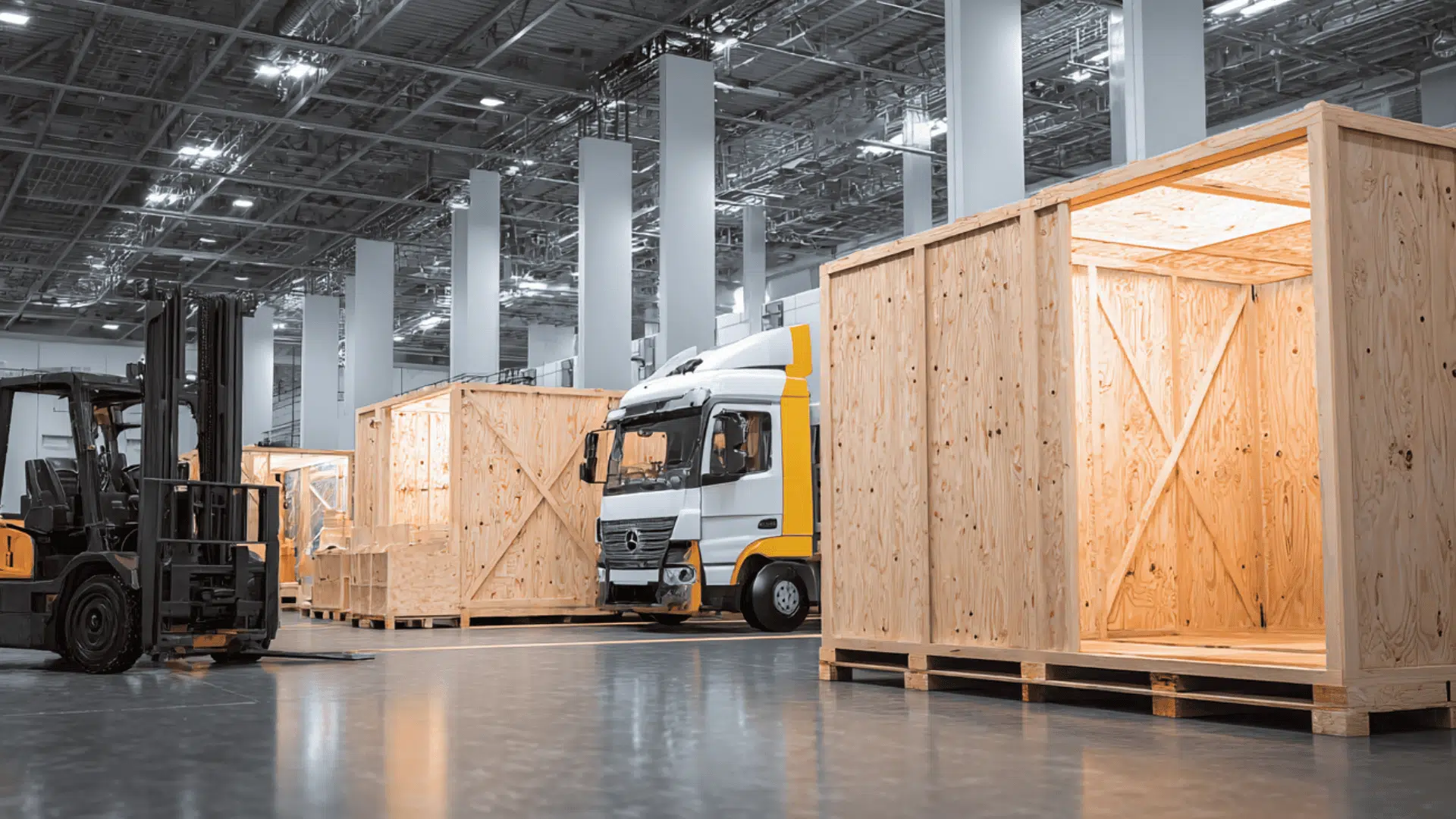
LTL (Less-Than-Truckload): LTL is used when your shipment doesn’t fill a whole truck. Your freight shares space with other shipments, which keeps the cost lower. It’s a good fit for midsize loads like pallets or bulky items.
FTL (Full-Truckload): FTL is when one shipment fills the entire truck. It moves directly from pickup to delivery without extra stops. This works best for large loads, quicker transit, or shipments that need less handling.
Clear use cases: Use LTL for moderate-size freight that doesn’t need the whole truck. Use FTL when you have a full load, want fewer stops, or need faster point-to-point delivery.
3. Flat-Rate Shipping
Flat-rate shipping gives you one fixed price as long as the package fits in the box. Weight doesn’t matter, which makes it ideal for heavy or dense items that would normally cost more to ship. It’s a popular choice for businesses that ship products with consistent sizes.
Domestic Shipping Tracking, Insurance, and Delivery Issues
When you ship something, you want to know where it is, that it’s protected, and what to do if it doesn’t show up on time. These parts of domestic shipping can feel confusing at first, but they’re pretty manageable once you know the basics.
How Domestic Tracking Works
Tracking starts as soon as the carrier scans the package into their system. That scan creates a tracking number you can follow online. As the package moves from one facility to another, new scan updates show each stop.
When it reaches the final address, the system logs a delivery confirmation, and some carriers even add a photo or signature for extra clarity.
When Packages are Delayed
Delays happen for all kinds of reasons: weather issues, busy seasons, rerouting, or a package sitting a little too long at a sorting center.
Most delays clear up on their own, but if you don’t see any tracking movement for a couple of days or the delivery window has passed, that’s when it makes sense to reach out to the carrier and ask for help.
Filing a Claim
If a package is lost or arrives damaged, you can file a claim right on the carrier’s website. You’ll usually need a few things ready, like proof of value, photos if there’s damage, and your original receipt.
Once they have those details, the carrier reviews the claim and lets you know if you qualify for reimbursement.
Wrapping Up
Domestic shipping stays simple, fast, and reliable, which is why it plays such a big role in how people send and receive things every day.
The real advantage comes from understanding how different carriers work and knowing which services match your needs.
When you pay attention to timing, cost, and the type of package you’re sending, you make smarter choices and avoid most shipping problems. It also helps to keep an eye on tracking updates and know what to do if something goes off schedule.
If you want to ship smarter and keep your deliveries on track, this is your chance to put these tips into action; start applying them today.