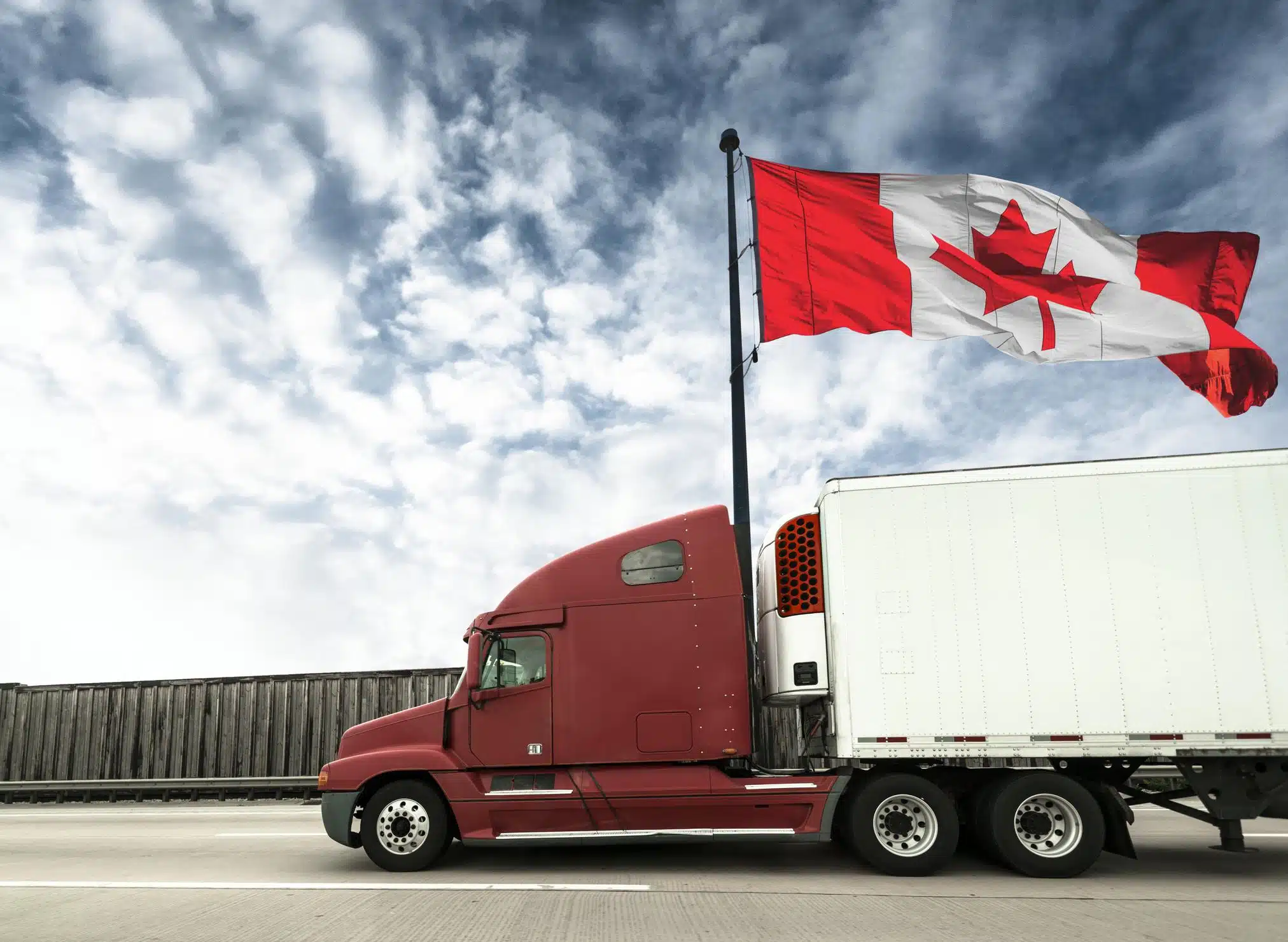
Canadian freight is being reshaped by a handful of powerful forces: a shrinking pool of drivers, the slow shift toward cleaner trucks, and smart technology that plans routes and predicts delays. Add rising fuel prices and tighter cross-border rules, and the picture becomes clear. Carriers that adapt quickly, invest in their people, and use data wisely will lead the road ahead in the years to come.
Introduction
Picture a head of lettuce grown in California landing on a dinner plate in Halifax. Somewhere along that journey, a truck did the heavy lifting. Roughly 70% of goods in Canada move by road at some point, which means the health of the freight sector touches nearly every purchase you make.
That sector is changing fast. Fleets are wrestling with an aging workforce, climbing costs, and pressure to cut emissions, all at once. Companies like Calgary trucking services by Steele’s Transportation Group sit right in the middle of these shifts, balancing day-to-day deliveries against a future that looks very different from the past. The choices carriers make now will decide who thrives.
So what forces are steering the road ahead? A few stand out, and each one carries real weight for shippers, drivers, and business owners alike.
The Forces Redrawing Canada’s Roads
Several shifts are hitting the freight sector at once, and each one reshapes how goods move across the country. Understanding them helps business owners plan smarter and avoid nasty surprises. Below are the biggest currents pulling the industry forward.
The Driver Gap Keeps Widening
The most talked-about challenge is finding enough people to sit behind the wheel. The average Canadian trucker is now in their early fifties, and younger workers aren’t signing up fast enough to replace those retiring. Trucking HR Canada projects a shortfall of tens of thousands of drivers within a few years.
To hold onto talent, carriers are rethinking the job itself:
- Flexible home time so drivers aren’t stuck on the road for weeks
- Better pay and benefits that reflect the skill the work demands
- Mental health support and improved rest facilities
- Cleaner, newer equipment that makes daily shifts more comfortable
The lesson is simple: treating drivers well is now a business strategy, not a perk.
Cleaner Trucks, Slowly Arriving
Sustainability has moved from talking point to expectation. Federal carbon pricing and clean fuel rules are nudging fleets toward lower emissions, and modern supply chain trends increasingly reward carriers who can prove they’re shrinking their footprint.
Full electrification still faces real hurdles, though. Range limits and thin charging networks make long hauls tricky, so most progress is happening on shorter regional routes. Pilot programs in British Columbia and southern Ontario are showing what’s possible.
| Approach | Best Suited For | Current Reality |
|---|---|---|
| Battery-electric | Short regional hauls | Limited range, growing slowly |
| Hydrogen | Longer routes | Early-stage, few fill stations |
| Aerodynamic upgrades | All distances | Available and paying off now |
| Route optimization | All fleets | Immediate fuel savings |
Technology That Thinks Ahead
Smart tools are quietly transforming daily operations. Freight automation now handles tasks that once ate up hours, from matching loads to flagging engine trouble before it becomes a breakdown. AI-powered systems study weather, traffic, and border wait times, then suggest better routes in real time.
The payoff shows up in the numbers. With the industry averaging a 22% empty-mile rate, even small routing gains translate into meaningful savings on fuel and time. That efficiency is where many carriers are finding their edge.
These pressures rarely act alone, which is why the smartest operators are weaving several responses together at once. That blended approach is where the real opportunity lies.
Turning Pressure Into Advantage

Knowing the freight industry trends is one thing; acting on them is another. The carriers pulling ahead treat these shifts as openings rather than threats. Here’s how forward-thinking operators are responding, and what business owners who rely on freight can watch for.
Small Moves, Real Savings
The flashiest solutions aren’t always the smartest first step. Plenty of gains come from practical changes any fleet can make today:
- Preventive maintenance that catches problems before they park a truck
- Load consolidation to fill trailers and cut wasted trips
- Telematics that track engine health and driver habits
- Smarter scheduling to dodge border backups and peak traffic
These steps cost little but add up quickly, protecting thin margins when fuel and insurance keep climbing.
The Cross-Border Puzzle
Shipping between Canada and the U.S. got more complex in 2026. The CARM system now requires importers to manage their own trade data through a digital portal, so a missing certificate or wrong code can freeze a shipment for days. Businesses that once left everything to a broker now need direct visibility into their paperwork.
Tariff swings on steel, aluminum, and heavy trucks have added another layer of uncertainty, pushing many shippers to favour reliable partners over the cheapest quote.
Building for Reliability
Across the transportation industry in Canada, the theme heading into the future is resilience. Shippers increasingly value predictability, choosing carriers with strong track records and modern tracking over bargain rates that come with hidden risk. That trust, once earned, tends to last.
The freight players who blend efficiency, technology, and genuine care for their drivers are setting themselves up to weather whatever comes next. That mindset points straight to what the future holds.
The Road Ahead
Canada’s freight sector is at a genuine turning point. The forces reshaping it, from a thinning driver pool to cleaner trucks and smarter software, aren’t passing fads. They’re rewiring how goods move across a country too big to run on anything else. The winners won’t be the fleets with the most trucks, but the ones that adapt fastest.
For business owners, the takeaway is practical: choose freight partners who invest in their people, their equipment, and their technology. Those qualities now signal reliability far better than a low quote ever could. The wider transportation logistics landscape rewards foresight, and the pace of change only quickens from here.
The industry has weathered pandemics, supply shocks, and shortages before. That same grit will carry it into a leaner, greener, and more connected future, one delivery at a time.