Most people think about home owners insurance only when the bill shows up or when something goes wrong. That makes sense. Insurance lives in the background until it does not. But this coverage is not just paperwork or a box to check for a mortgage lender. It is the thing standing between a bad day and a life-altering one, and that difference matters more than most homeowners realize.
A home is not just walls and wiring. It is routines, photos taped to the fridge, furniture you hunted down for months, and the sense that you can shut the door at night and feel settled. Home owners insurance exists to protect that whole picture, not just the structure itself. When storms roll through, pipes burst, or a freak accident turns into a big mess, the right policy keeps your life moving forward instead of grinding to a halt.
What Home Owners Insurance Really Covers
At its core, home owners insurance is about restoring normalcy. It covers the physical structure of your home, your personal belongings, and liability if someone gets hurt on your property. That sounds simple, but the details are where things get real.
Dwelling coverage handles damage to the house itself from events like fire, wind, or hail. Personal property coverage steps in when furniture, clothing, electronics, and everyday essentials are damaged or stolen. Liability coverage protects you if someone trips on your front steps or your dog bolts through the door and causes an accident. Many policies also include loss of use coverage, which helps pay for temporary housing if your home becomes unlivable during repairs.
This is not about luxury or excess. It is about being able to replace what you use every day and keep your family stable while repairs happen. Without that safety net, even a moderate incident can spiral into months of stress and financial strain.
Why Local Expertise Still Matters
Insurance is not one size fits all, especially when it comes to homes. Climate, building style, neighborhood risks, and even local building codes play a role in what kind of coverage makes sense. That is where personal guidance comes in, and it is why local insurance agents are the way to go because they understand the realities on the ground, not just the numbers on a screen.
A local agent knows what storms actually do damage in your area. They know whether basements flood, roofs take a beating, or power outages are common. That knowledge helps shape coverage that reflects real risks, not generic assumptions. It also makes claims easier. When you are dealing with a stressful situation, talking to someone who knows your town and your policy can make a frustrating process feel manageable.
This kind of relationship also helps you avoid common gaps. Many homeowners are surprised to learn what is not covered after a claim is denied. A good agent flags those issues early, before they turn into expensive lessons.
Coverage and Home Improvements
Home owners insurance should evolve as your home does. Renovations, additions, and upgrades can increase your home’s value and change what needs protection. This is where home improvements come into play, and why keeping your policy current is essential.
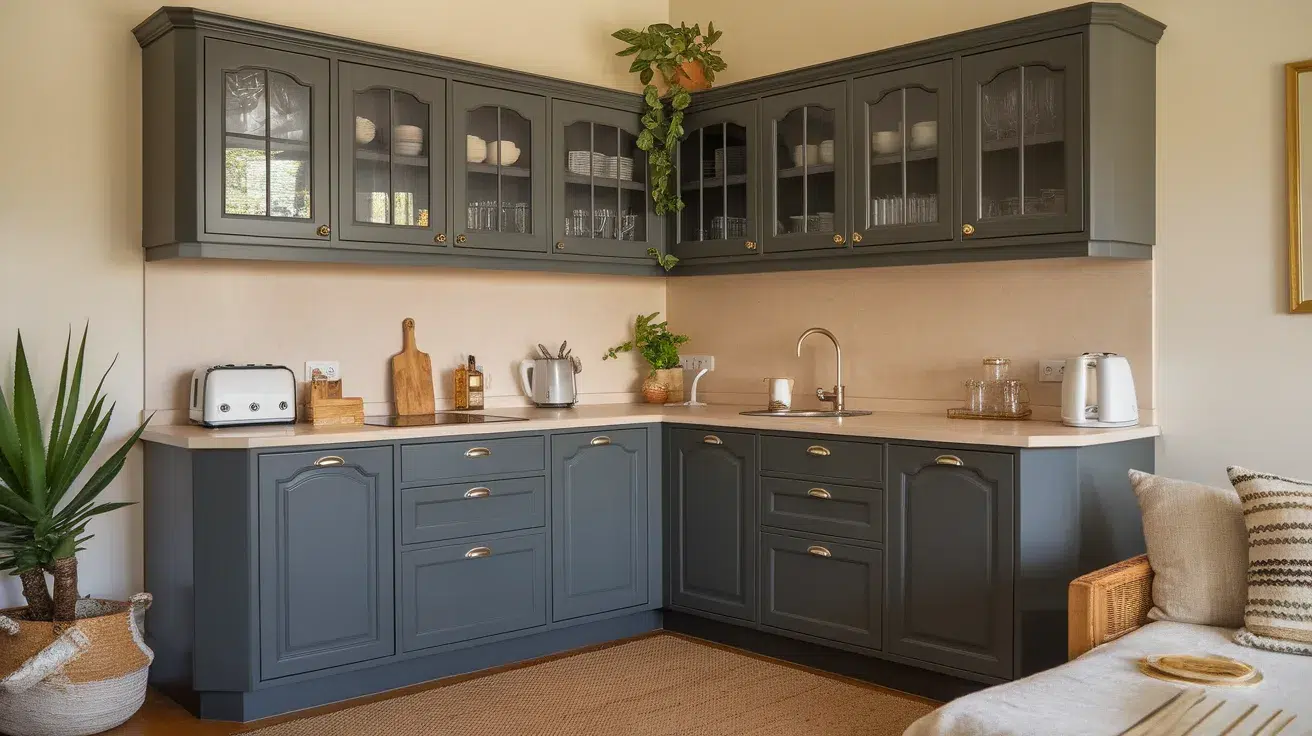
A renovated kitchen, finished basement, or new deck adds value, but it also raises the cost to rebuild or repair your home. If your coverage does not reflect those changes, you may end up underinsured. That means a claim could fall short of covering the actual cost of restoring your home to its current condition.
Even smaller upgrades matter. New appliances, flooring, or custom built-ins all add up. Updating your policy when changes happen ensures that the investment you made in your home is fully protected, not partially covered based on outdated information.
What Happens When Coverage Falls Short
Underinsurance is more common than people like to admit. It often happens gradually as homes appreciate in value or as renovations stack up over time. The problem only becomes obvious when a claim is filed and the numbers do not work out.
When coverage falls short, homeowners may have to pay out of pocket to complete repairs or replace belongings. That can mean delaying fixes, compromising on quality, or taking on debt at a moment when stress is already high. Adequate coverage helps avoid those trade-offs. It allows you to focus on getting back to normal rather than juggling financial decisions under pressure.
This is also where deductibles and limits matter. Choosing the cheapest policy can save money upfront but cost far more later. Understanding how your coverage works in real situations makes a big difference when it counts.
Planning Ahead Without Overthinking It
Good home owners insurance is not about worst-case thinking. It is about realistic planning. Most claims are not dramatic disasters. They are water leaks, storm damage, or accidental fires that disrupt daily life. Having solid coverage turns those events into manageable projects instead of crises.
Regular policy reviews help keep things aligned. Life changes, property values shift, and risks evolve. A quick annual check-in can catch gaps and adjust coverage before problems arise. It is a practical habit that pays off quietly in the background, letting you enjoy your home without constant worry.
Home owners insurance is about protection that feels steady and reliable. It supports the life you have built inside your home, not just the structure itself. When coverage matches your home and your needs, it creates breathing room during tough moments and confidence during calm ones. That kind of stability is easy to overlook until you need it, and invaluable when you do.