Home goods retailers face mounting pressure to deliver faster, cheaper, and with a smaller environmental footprint than ever before.
The last-mile delivery segment, which accounts for over 50 percent of total logistics emissions, has become a critical competitive battleground where brands that act boldly gain significant advantages.
In 2026, sustainable last-mile delivery is no longer a marketing advantage but a business necessity that directly impacts profitability, customer loyalty, and market share.
Understanding the Current State of Home Goods Delivery
The home goods and furniture sectors have unique delivery challenges that distinguish them from apparel or small electronics fulfillment.
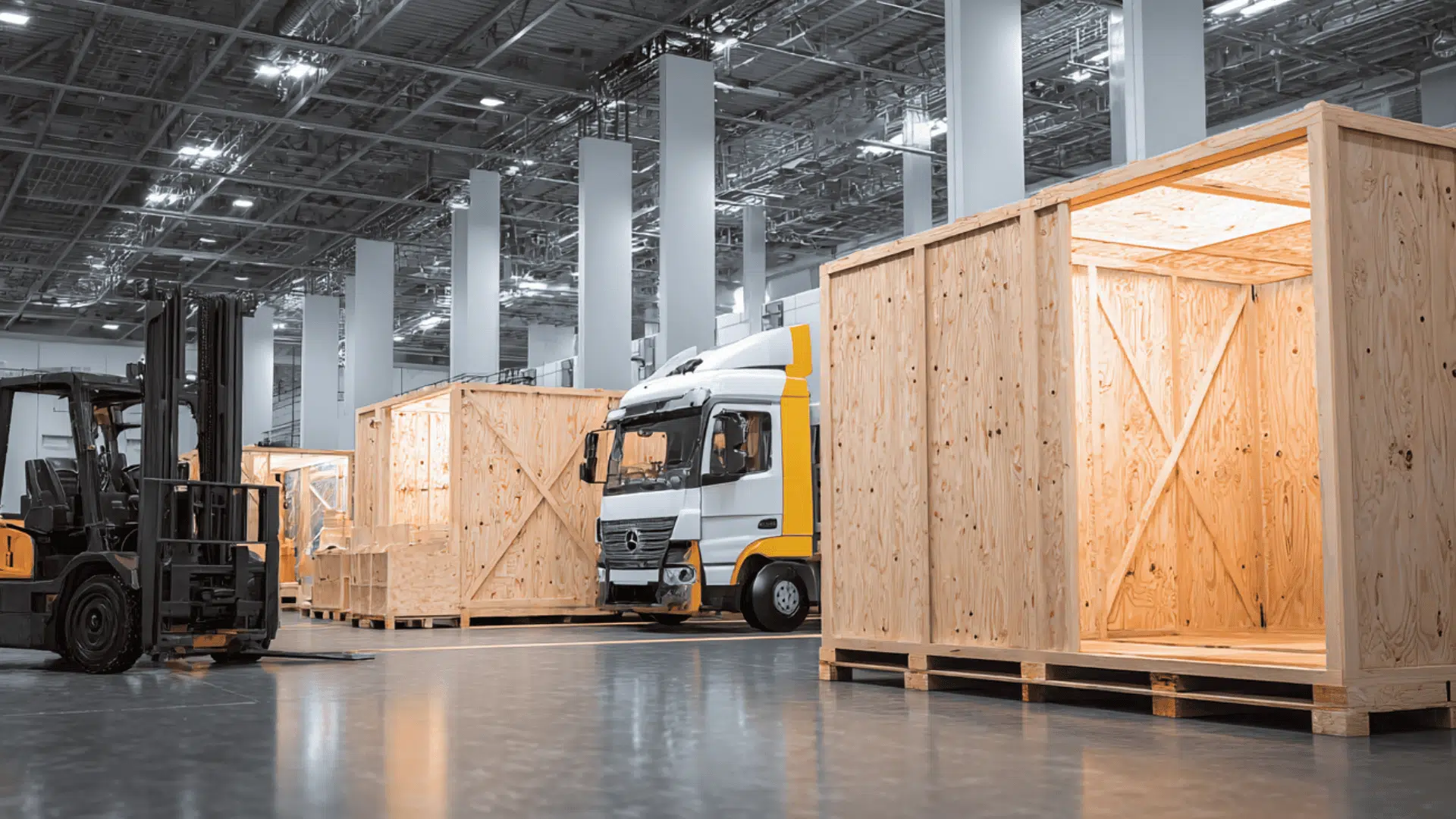
Heavy items like mattresses, sofas, bedding, and home decor require specialized handling, larger vehicles, and more complex logistics than traditional parcel delivery.
Traditional carriers using diesel trucks create massive carbon footprints for each delivery, especially when handling oversized or heavy products destined for residential addresses.
Customer expectations around delivery speed have become unrealistic for the home goods sector, yet environmental consciousness is simultaneously growing among conscious shoppers.
This creates a paradox where retailers must deliver faster while reducing environmental impact, a challenge that requires reimagining the entire last-mile delivery model.
The brands that solve this paradox first will capture market share from competitors still using outdated logistics approaches.
Key Takeaways
- Sustainable last-mile delivery reduces operational costs while meeting customer expectations for speed and environmental responsibility, creating a powerful competitive advantage.
- Strategic partnerships with sustainable 3PL providers enable home goods retailers to access specialized infrastructure and carbon-neutral delivery options without massive capital investment.
- Retailers implementing sustainable delivery by 2026 will enjoy improved brand perception, higher customer retention, and premium pricing power with environmentally conscious consumers.
Why Home Goods Retailers Need Sustainable Logistics Solutions
Home goods retailers currently operate with thin margins that make logistics costs particularly significant to profitability calculations.
A single couch delivery using traditional methods might generate as much carbon as a week’s worth of apparel shipments due to the weight and distance involved.
Retailers continue using these inefficient methods not because they prefer high emissions but because they lack access to scalable sustainable alternatives.
Younger consumers shopping for home goods increasingly prioritize sustainability alongside quality and price when making purchase decisions.
Research shows that up to 60 percent of millennial and Gen Z shoppers actively consider environmental impact when choosing which retailer to purchase from.
Home goods retailers that can credibly communicate sustainable delivery options gain measurable advantages in customer acquisition and lifetime value metrics.
The regulatory environment around carbon emissions continues to tighten, with many regions now imposing fees or restrictions on diesel deliveries in urban areas.
Cities like Vancouver, Toronto, and major US metropolitan areas are rapidly implementing low-emission zones that make traditional delivery methods prohibitively expensive.
Retailers who transition to sustainable delivery now avoid future penalties while gaining operational cost advantages before regulations force competitors to act.
The Carbon Cost of Traditional Last-Mile Delivery for Home Goods
A single mattress delivery using standard carrier methods can generate between 20 and 30 kg of CO2 emissions depending on distance and vehicle utilization.
When multiplied across thousands of annual deliveries, a mid-sized home goods retailer contributes hundreds of tons of carbon to the atmosphere purely from shipping logistics.
This environmental impact translates directly into brand perception damage among conscious consumers who increasingly research company sustainability practices.
Traditional last-mile networks optimize for speed rather than efficiency, resulting in partially filled trucks making redundant stops and longer routes.
A delivery truck traveling half-empty to service a neighborhood produces the same emissions as one at full capacity, effectively doubling the carbon cost per package.
Sustainable logistics providers consolidate shipments intelligently, ensuring vehicles operate at maximum efficiency while maintaining rapid delivery timelines.
Building Your Sustainable Last-Mile Delivery Strategy
Home goods retailers should start by auditing their current logistics costs and carbon output to understand the baseline they’re trying to improve.
This analysis typically reveals significant opportunities to reduce costs while simultaneously reducing environmental impact, creating a win-win scenario.
Many retailers discover that sustainable delivery options are actually cheaper than traditional carriers once consolidation efficiencies are factored in.
Partnering with specialized sustainable 3PL providers gives home goods retailers immediate access to optimized networks without building internal infrastructure.
These providers operate strategically positioned warehouses across major metropolitan areas that enable faster delivery at lower cost.
When you choose Go Bolt as a sustainable partner, you gain access to carbon-neutral electric vehicle delivery options, advanced tracking technology, and fulfillment expertise specific to home goods and furniture retail.
The best sustainable logistics partners understand home goods-specific challenges, including fragile items, large package dimensions, and complex delivery requirements.
They consolidate shipments intelligently to maximize vehicle utilization and minimize trips, proving that sustainability doesn’t mean sacrificing capability.
Integration with modern retail technology ensures real-time tracking, flexible delivery windows, and seamless customer communication throughout the shipping journey.
Competitive Advantage in Customer Experience
Sustainable delivery directly improves customer experience because optimized logistics means faster, more reliable delivery windows.
A home goods customer who receives their sofa on time from an eco-conscious retailer becomes a loyal repeat buyer who recommends the brand to friends.
The combination of speed, reliability, and environmental responsibility creates an unbeatable competitive positioning.
Retailers using sustainable delivery can highlight this commitment prominently in marketing, earning customer preference and premium pricing power.
A customer willing to pay slightly more for sustainable delivery confirms that environmental responsibility is a genuine value driver in purchasing decisions.
This premium positioning protects margins while attracting higher-lifetime-value customers who care about more than just price.
Scalability and Growth Implications
Home goods retailers are rapidly discovering that their logistics infrastructure cannot support growth without significant capital investment and operational complexity.
Sustainable 3PL partnerships solve this problem by providing scalable infrastructure that grows with your business without requiring ownership.
This allows retailers to focus resources on product development, marketing, and customer experience rather than building logistics teams.
A home goods brand shipping 5,000 orders monthly faces different demands than one shipping 20,000 orders, yet many providers cannot scale effectively.
Sustainable partners specifically built for fast-growing DTC brands understand these scaling challenges and adjust operations accordingly.
This flexibility means retailers can accelerate growth without fear that logistics will become a limiting factor.
Measuring Impact and Communicating Sustainability
Smart retailers communicate their sustainability efforts around delivery practices to demonstrate genuine environmental commitment.
These efforts become powerful marketing assets that show concrete progress toward carbon reduction goals by using electric vehicle delivery partners.
Customers appreciate transparent sustainability reporting that highlights real environmental benefits rather than superficial greenwashing.
Creating sustainability content around your delivery practices builds brand affinity and differentiates you from competitors still using traditional logistics.
A home goods retailer that can say “every mattress delivery uses electric vehicles for carbon-neutral operations” gains tremendous competitive advantage.
This storytelling transforms logistics from a hidden operational detail into a brand-building asset.
Preparing for the Future of Home Goods Retail
The home goods retail landscape will continue to shift toward retailers who prioritize sustainability and innovation.
First-movers implementing sustainable last-mile delivery in 2026 will establish market position and brand reputation that slower competitors cannot easily replicate.
The competitive advantage compounds over time as loyal customers continue choosing the sustainable option and spreading positive word of mouth.
Conclusion
Sustainable last-mile delivery has evolved from a nice-to-have advantage into a critical business requirement for home goods retailers competing in 2026.
The retailers who implement sustainable delivery solutions today are building customer loyalty, protecting margins, and positioning themselves for long-term success in an increasingly conscious marketplace.
By partnering with sustainable logistics providers and communicating your environmental commitment transparently, you transform delivery from a cost center into a brand-building asset that drives growth.
Frequently Asked Questions
Are sustainable deliveries more expensive than traditional options?
No, sustainable last-mile delivery options are often more cost-effective than traditional carriers due to superior consolidation efficiency and optimized route planning. Electric vehicle operations have lower fuel and maintenance costs compared to diesel trucks, and these savings are passed to retailers. Many retailers reduce overall logistics costs while simultaneously reducing their carbon footprint.
How can I measure the environmental impact of switching to sustainable delivery?
Switching to sustainable last-mile delivery partners using electric vehicles and optimized consolidation reduces your overall supply chain carbon emissions compared to traditional carriers.
You can communicate your commitment to sustainable delivery practices to customers as a brand differentiator and environmental responsibility statement.
Many sustainable logistics providers can provide information about their operational carbon reductions, though your primary benefit comes from using their lower-emission delivery methods.
Does sustainable delivery work for heavy items like mattresses and furniture?
Yes, modern sustainable logistics providers operate specialized vehicles designed specifically for heavy items including mattresses, sofas, and large furniture pieces.
Electric vehicles have advanced significantly and can handle the weight and dimensions of typical home goods without compromising on speed or reliability. Sustainable delivery is not limited to small or light packages.
How long does it take to implement a sustainable logistics partnership?
Most retailers can transition to a sustainable 3PL partner within 2 to 4 weeks depending on current infrastructure and order volume.
The onboarding process includes integration with your ecommerce platform, inventory transfer if needed, and process training for your team.
Sustainable providers prioritize quick implementation to minimize disruption to ongoing operations.
What should I communicate to customers about sustainable delivery?
Communicate specific environmental benefits like carbon-neutral delivery using electric vehicles or offsetting programs with verified environmental projects.
Highlight faster delivery times and improved tracking capabilities alongside sustainability benefits.
Transparency about your logistics partner and their practices builds customer trust and reinforces your environmental commitment.
Can sustainable delivery work with my existing fulfillment operations?
Yes, you can transition only the last-mile delivery to a sustainable provider while keeping your current fulfillment center, or move everything to a comprehensive 3PL.
Many retailers benefit from moving both fulfillment and last-mile to a single sustainable provider to eliminate coordination complexity. The flexibility allows you to choose the transition approach that works best for your business.
How do I choose between different sustainable logistics providers?
Compare providers on their geographic coverage, vehicle capacity for home goods, cost structure, and sustainability reporting transparency.
Look for industry-specific experience with home goods and furniture deliveries rather than providers specializing only in lightweight packages.
Request references from similar retailers and ask about their scalability to support your projected growth.
What if sustainable delivery isn’t available in my service area yet?
Many sustainable providers are rapidly expanding service areas based on demand from forward-thinking retailers.
Contact providers about their expansion plans and express interest in your markets, which influences prioritization of new locations.
You can also implement sustainable practices for service areas where it’s currently available while maintaining traditional delivery in other regions.