![[Cargo ship being loaded with shipping containers at a commercial port for insured freight transport]](https://www.jackcooper.com/wp-content/uploads/2026/06/cargo-ship-being-loaded-with-shipping-containers-at-a-commercial-port-for-insure.webp)
Not every lost or damaged package ends in a full refund. Carriers limit what they cover, and without the right protection, that financial gap falls on the shipper.
Shipping insurance fills that gap by covering the declared value of a package when something goes wrong during transit. The cost is usually small, but the protection can be significant.
Here you’ll find a clear breakdown of how coverage works, what affects the price, when it makes financial sense, and when skipping it is the smarter call.
Whether you ship occasionally or run a high-volume operation, understanding your options helps you make better decisions and avoid preventable losses.
What is Shipping Insurance?
Shipping insurance is a paid service that protects the financial value of a package if it is lost, damaged, or stolen during transit. The shipper pays a small fee, and the insurer agrees to compensate for approved losses based on the declared value of the item.
This helps reduce financial loss after a shipping problem occurs. It does not prevent delays, damage, or loss of the package during delivery.
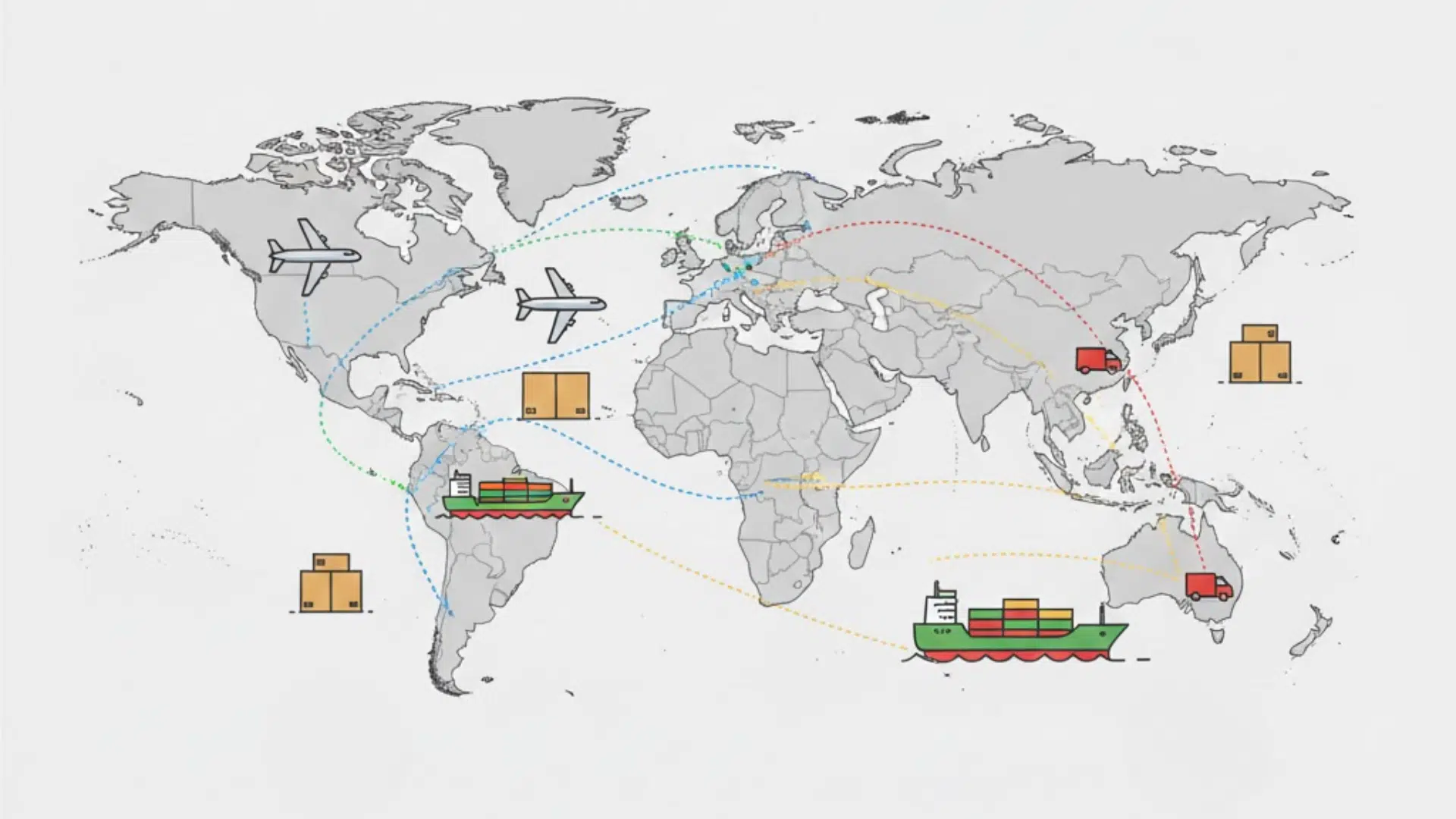
Insurance can be purchased for both domestic and international shipments through carriers like USPS, FedEx, and UPS, or through third-party insurance providers.
Factors that Affect Shipping Insurance Cost
Shipping insurance cost is not fixed for every package. The final price depends on the shipment value, delivery risk, and the type of coverage being purchased.
- Declared Item Value: Higher-value items usually cost more to insure because the possible payout amount is larger.
- Shipment Type: Fragile, oversized, or specialty shipments may increase insurance costs due to higher handling risk.
- Delivery Destination: International shipments or deliveries to high-risk areas often cost more due to longer transit routes and additional handling.
- Carrier or Insurance Provider: Insurance rates can vary between carriers and third-party providers based on their coverage terms and pricing models.
- Risk Level of the Item: Items that are expensive, fragile, or commonly stolen usually have higher insurance costs because they carry greater financial risk.
As a general rule, shipping insurance is priced as a percentage of the declared value.
Third-party providers typically charge between 0.5% and 1% of the declared value. Carrier-provided coverage tends to run slightly higher, closer to 2% to 3%.
For example, insuring a $500 item through a third-party provider might cost $3 to $5, while the same coverage through a carrier could run $10 to $15.
USPS fees start at $2.70 for declared values up to $50 and increase in tiers. FedEx and UPS both include $100 of automatic declared value coverage in their base shipping rates, with additional coverage available at an extra cost.
What Shipping Insurance Covers and What It Doesn’t
Once a package leaves your hands, your control over it ends, and that is the window shipping insurance is designed to cover. Most policies cover lost shipments, shipping damage, and theft before delivery confirmation.
Coverage usually begins when the carrier accepts the package and ends after delivery. However, claim approval depends on policy rules, proper packaging, and proof of loss or damage.
What Does a Shipping Insurance Claim Pay Out?
Shipping insurance does not always pay the full declared value of an item. Most insurers pay the lesser of the declared value, repair cost, or the item’s actual cash value at the time of loss.
Actual cash value means the item’s current market value after depreciation, not the original purchase price.
For example, if a used laptop is declared at $500 but its market value is only $300, the payout may be limited to $300.
Insurers may also request documents such as:
- Purchase receipts
- Repair estimates
- Photos of damage
- Proof of value
- Shipping records
Without proper proof, claims may be delayed, reduced, or denied.
What Shipping Insurance Doesn’t Cover?
Shipping insurance does not cover every type of shipment or every type of damage.
Common exclusions are:
- Cash and currency
- Live animals
- Hazardous materials
- Perishable items
- Illegal or restricted products
- Pre-existing damage
Poor packaging is also a major reason claims get denied. If the insurer determines the package was not properly packed for the item type, reimbursement may be denied even if insurance was purchased.
Understanding these limits is important because shipping insurance reduces financial risk only when policy conditions are properly followed.
Carrier Shipping Insurance vs. Third-Party Providers
![[Visual comparison between carrier shipping insurance and third-party shipping insurance options]](https://www.jackcooper.com/wp-content/uploads/2026/06/visual-comparison-between-carrier-shipping-insurance-and-third-party-shipping-in.webp)
Carrier shipping coverage and third-party shipping insurance may appear similar, but they work differently.
Carrier programs such as USPS insurance, FedEx declared value coverage, and UPS declared value protection are tied directly to the carrier. Third-party insurance is provided by independent companies such as Shipsurance and U-PIC.
FedEx and UPS do not offer traditional insurance. Instead, they provide declared value coverage that reimburses the lesser of repair costs, depreciated value, or replacement cost.
Both carriers automatically include $100 of declared value coverage with every shipment. Shippers must purchase additional coverage at the time of shipping if needed.
USPS also includes $100 of coverage on Priority Mail and Priority Mail Express shipments. Certain international Priority Mail services automatically include up to $200.
This difference affects claims handling, pricing, coverage flexibility, and the type of shipments each option works best for.
| Feature | Carrier Coverage | Third-Party Shipping Insurance |
|---|---|---|
| Provider | USPS, FedEx, UPS, InsureShield | Shipsurance, U-PIC |
| How It Works | Additional coverage was purchased during shipping checkout by declaring the item value | Separate insurance purchased through e-commerce platforms, shipping software, or providers like Shippo and Easyship |
| Claims Handling | The carrier investigates and decides on the claim | An independent insurer reviews the claim |
| Main Limitation | Claims may be denied for packaging, documentation, or policy issues | Coverage rules still vary by provider |
| Cost | Convenient for occasional shipping | Often lower cost for high-volume shipping |
| Best For | One-time shipments, low-value items, simple domestic shipping | International shipping, high-value inventory, ecommerce businesses, multi-carrier operations |
| Coverage Flexibility | Usually tied to one carrier | Often supports multiple carriers under one policy |
| Shipping Volume | Better for occasional senders | Better for frequent or large-scale shipping |
Which to Choose?
The right option depends on the shipment value, shipping frequency, and the level of risk you want to manage.
| Choose Carrier Coverage If | Choose Third-Party Insurance If |
|---|---|
| You ship occasionally | You ship products daily or weekly |
| The item value is relatively low | You ship high-value inventory |
| You want quick checkout protection | You manage large ecommerce volumes |
| Convenience matters most | You use multiple carriers |
| You only need basic shipment protection | You want broader claims support options |
| You mainly ship domestic packages | You regularly ship internationally |
| You prefer handling everything directly with the carrier | You want potentially lower costs at scale |
Businesses that ship in large volumes often focus on long-term shipping costs, claims experience, and coverage flexibility rather than just the upfront insurance fee.
When is Shipping Insurance Worth it?
![High-value and fragile packages prepared for insured shipping]](https://www.jackcooper.com/wp-content/uploads/2026/06/high-value-and-fragile-packages-prepared-for-insured-shipping.webp)
Shipping insurance is worth it when the possible financial loss is much higher than the cost of coverage. The decision depends on the shipment value, transit risk, and how difficult it would be to replace the item if something goes wrong.
Before purchasing coverage, compare the insurance premium, the item’s declared value, and the estimated risk of loss. This simple calculation helps determine whether coverage is worthwhile.
For example, paying $5 to insure a $400 item may not make sense when the risk of loss is minimal. However, a $4 premium for replacement protection often justifies coverage.
Businesses can divide annual replacement costs by yearly shipment volume to estimate average loss per package. If losses exceed insurance costs, coverage pays off.
1. High-Value Items
Ship insurance is wise when item value exceeds carrier liability. Electronics, jewelry, artwork, and medical equipment may need coverage due to high cost or irreplaceability.
Expensive items can cause major financial loss if damaged. Insurance helps cover part or all of approved claims, reducing financial risk during transit.
2. Fragile Shipments
Fragile items like glass, ceramics, and breakable equipment are prone to damage, even with strong packaging, making insurance advisable for costly or hard-to-replace items.
3. International Shipping
International shipments face higher risks due to longer routes, customs checks, and multiple handling points. Insurance adds protection against loss, damage, or delays during cross-border transit.
Customs delays increase handling time and risk. High-value international items benefit from third-party insurance, which often exceeds carrier liability coverage limits.
4. High-Volume Business Shipping
Businesses shipping many orders face cumulative losses from damaged or lost packages. Third-party insurance helps reduce costs from refunds, replacements, and inventory loss.
Using services like Shipsurance or InsureShield is cost-effective for companies using multiple carriers or shipping large volumes regularly.
5. When Replacement Costs Are High
Items with significant replacement costs, like expensive inventory, limited editions, or important orders, justify insurance to avoid major financial setbacks in case of loss or damage.
When to Skip Shipping Insurance?
Shipping insurance may not be worth it for low-value items that are cheap and easy to replace. This often includes inexpensive clothing, household products, and non-fragile items.
For domestic shipments with reliable carriers, insurance often isn’t worth buying for items under $50–$100, since USPS, FedEx, and UPS already include $100 of coverage.
It may also make less sense when the insurance cost is close to the item’s value. Some shipments may already be covered under homeowners or business insurance policies, depending on the policy terms.
The best way to decide is to compare the insurance cost with the possible financial loss if the package is lost or damaged.
Wrapping Up
Shipping insurance protects your money when valuable, fragile, or international packages face real transit risk, and the cost is usually a small fraction of what you stand to lose.
Understanding coverage limits, payout rules, and the difference between carrier and third-party options helps you choose the right protection for each shipment.
Now that you know how shipping insurance works, you can make smarter decisions about when coverage is worth it and when default carrier protection is enough.
Compare your item’s value against the premium before every shipment; that one habit will save you from paying for coverage you don’t need and from skipping it when you do.
Frequently Asked Questions
Does shipping insurance cover porch piracy after delivery?
Most shipping insurance policies stop coverage once the package is marked as delivered. Some providers may offer limited protection against porch theft, but this depends on the policy terms and proof requirements.
Can shipping insurance be transferred to the package recipient?
In most cases, the shipping insurance belongs to the shipper who purchased the coverage. However, reimbursement may still be used to refund or replace the buyer’s order, depending on the agreement between both parties.
How long do shipping insurance claims usually take?
Claim processing time varies by carrier and insurer. Simple claims may take a few days, while complex cases involving investigations or missing documents can take several weeks.
Is signature confirmation better than shipping insurance?
Signature confirmation and shipping insurance serve different purposes. A signature helps prove delivery, while insurance helps cover financial losses if the package is lost, damaged, or stolen in transit.