Roofing projects generate a surprising number of questions before any material reaches the house.
Which shingles are available? Does the color come in the product line being considered? What underlayment belongs with the system? Which accessories are required? What happens around a chimney or valley? Does damaged decking need replacement? How should an older section connect with new work?
These questions may all sound like part of one roofing conversation, but they belong to different stages of the project.
Some are product questions. Others can only be answered after someone evaluates the actual roof.
Knowing the difference helps homeowners ask better questions and prevents product selection from being confused with installation judgment.
Start by Separating the Product From the Property
A roofing product has defined characteristics before it reaches a house.
Manufacturers specify dimensions, installation requirements, compatible accessories, color options, warranties, and intended applications.
The house adds another set of variables.
Roof pitch, valleys, penetrations, existing materials, decking condition, previous repairs, wall intersections, ventilation details, and access all influence how a roofing project must be approached.
This means the same product can be suitable for two homes while the installation plan for those homes is completely different.
The product does not change.
The roof does.
Product Availability Is a Material Question
Homeowners sometimes choose a roofing material from a photograph or sample only to learn that a particular color, accessory, or product line is unavailable when the project is ready to begin.
Availability affects planning.
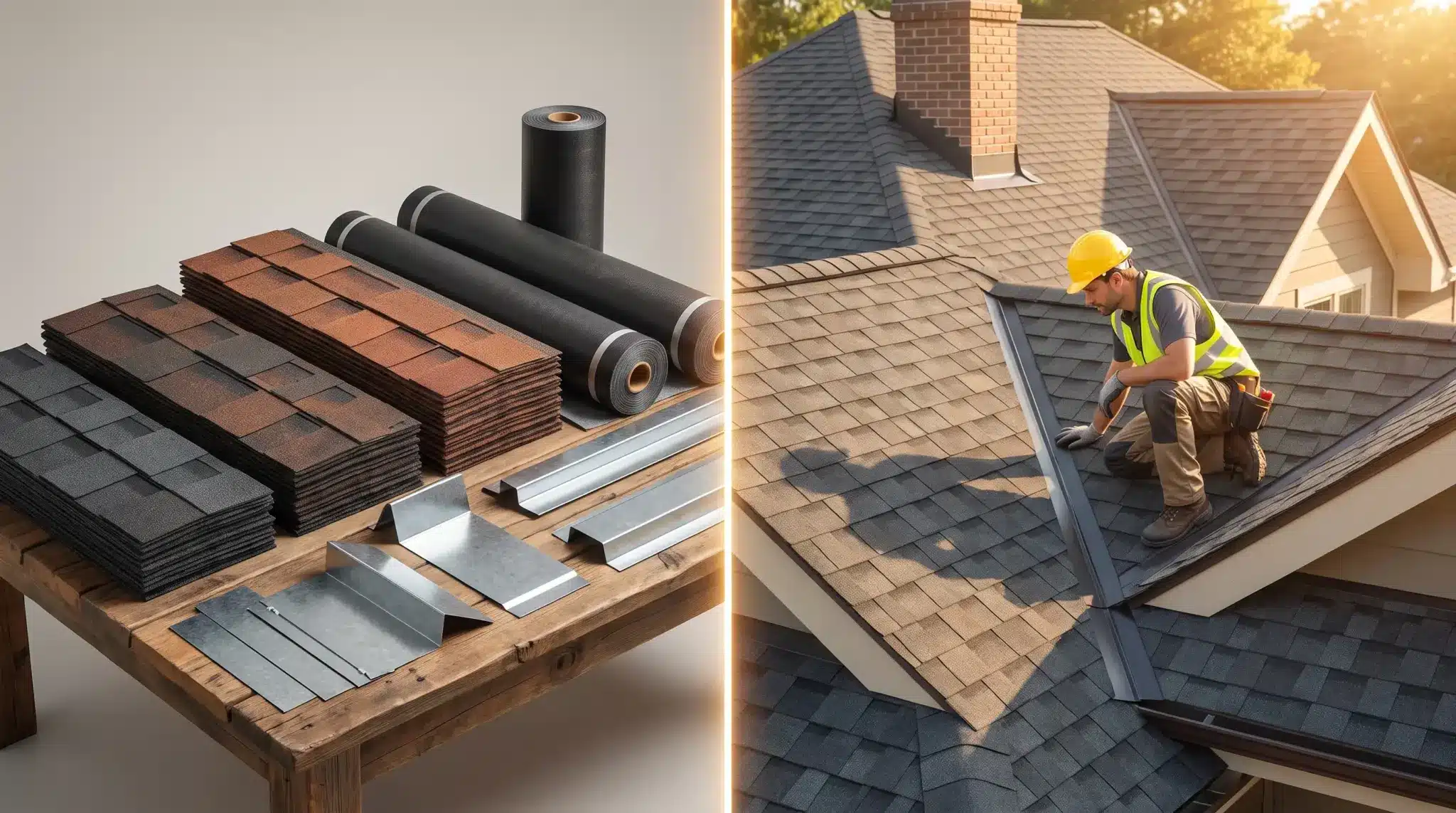
A contractor may need matching ridge components, underlayment, ventilation products, flashing materials, or other accessories in addition to the main roof covering.
If one required component is difficult to source, substituting another item may need more thought than simply finding something that looks similar.
This is where a roofing supplier service belongs in the decision process. Questions about current product options, manufacturer specifications, compatible accessories, quantities, and material availability are different from questions about how those materials should be installed on a specific house.
Keeping those roles clear makes the next decisions easier.
A Warranty Cannot Diagnose a Roof
Manufacturer warranties are useful documents, but they cannot tell a homeowner whether roof decking is damaged or whether flashing around a chimney needs rebuilding.
Those are field conditions.
A warranty describes what applies to a product under stated conditions. It does not inspect the building receiving that product.
The same applies to technical literature.
A product specification may explain how a material should be installed, but it cannot determine whether an old roof has hidden deterioration beneath the visible surface.
That distinction matters whenever homeowners try to use product information to answer a building-condition question.
The paperwork explains the material.
The roof itself still needs to be evaluated.
Roof Geometry Creates Installation Questions
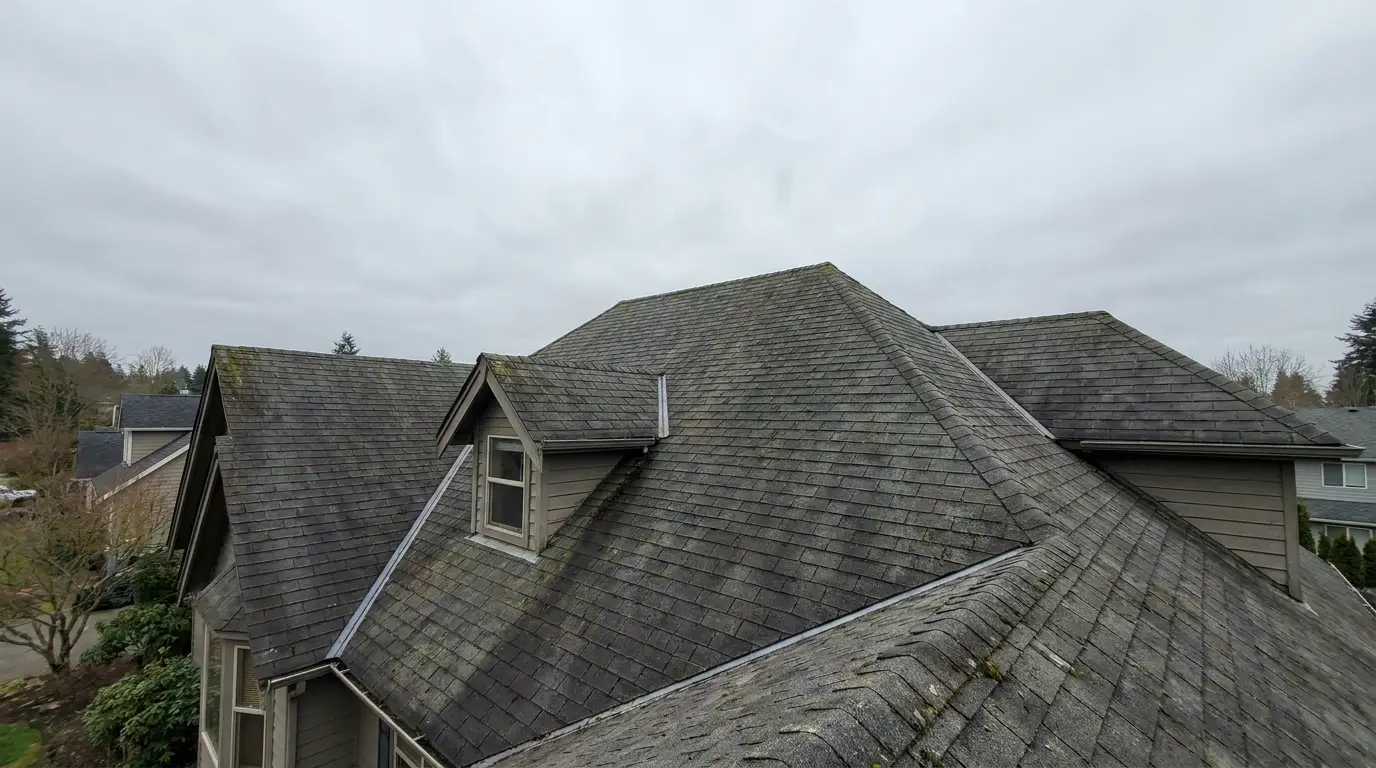
A simple roof plane has fewer transitions than a roof containing several dormers, valleys, walls, skylights, or changes in pitch.
Those features affect installation even if the same shingles are being used.
A valley has to manage concentrated water flow. A roof-to-wall intersection depends on flashing. A chimney creates several transition points within a small area.
None of these conditions can be resolved by choosing a better-looking product.
They require installation decisions based on how water will move across the actual roof.
This is why estimates based only on square footage can miss important complexity.
Two roofs with similar surface area may demand very different amounts of detail work.
Existing Conditions Can Change the Plan
A replacement project begins with an existing structure, not a blank surface.
Once old roofing is removed, contractors may discover deteriorated decking, past repairs, unexpected layers, altered flashing, or other conditions that were not fully visible beforehand.
Those findings can change the scope.
The important point is that the material order and the installation plan are connected but not identical.
A supplier may provide the products expected for the project, while field conditions determine whether additional repair work or different details become necessary.
Homeowners should allow room for this possibility instead of assuming every decision can be finalized before the roof is opened.
Material Substitution Is Not Always a Simple Swap
Sometimes a specified roofing product becomes unavailable or another option is proposed.
The natural question is whether one product can simply replace another.
That depends on what is changing.
If the substitute has different dimensions, installation requirements, accessory needs, or system details, the change may affect more than appearance.
The surrounding components may need to be reviewed too.
This is why material substitutions should not be judged only by color or price.
The better question is whether the proposed replacement works correctly with the rest of the roofing system and with the roof already being built.
Installation Details Belong to the House
Once the products are selected, the project shifts toward field judgment.
Where should flashing be replaced rather than reused? How should a valley be rebuilt? Does damaged decking need to be removed? What should happen at roof edges or penetrations? Are previous repairs affecting the new work?
These questions depend on what is physically present.
They may also change from one part of the roof to another.
A contractor cannot answer them accurately from a product brochure alone.
The same roofing material may cross an uncomplicated open slope in one area and meet a difficult wall transition only a few feet away.
Installation decisions live at those specific locations.
Good Roofing Requires Both Product Knowledge and Field Judgment
A successful roof depends on more than choosing reputable materials.
Those materials still have to be applied correctly to the building in front of them.
This is where expert roofing services become relevant. Once product choices have been narrowed, the roof itself has to be evaluated for decking condition, flashing, penetrations, ventilation components, roof geometry, and the sequence in which the new materials will be installed.
This part of the process cannot be outsourced to a product label.
A roof performs as an assembly built on a particular house.
Ask the Supplier One Set of Questions
Material-focused questions may include:
- Which product lines are currently available?
- Are matching accessories available?
- What colors and profiles are offered?
- What underlayment or ventilation products are intended to work with the system?
- Are there manufacturer specifications that affect ordering?
- How should materials be stored before installation?
These are valuable questions because they clarify what is being purchased.
They also help prevent surprises when the project is ready to begin.
Ask the Installer a Different Set
Installation-focused questions should be tied to the actual roof.
For example:
- What existing conditions may need repair?
- How will valleys and wall intersections be handled?
- What happens if damaged decking is found?
- Which flashing will be replaced?
- Are any roof penetrations creating unusual details?
- How will the work sequence protect exposed areas during installation?
These questions reveal how the contractor intends to turn individual roofing products into a functioning roof.
The distinction is simple: the supplier explains the materials; the installer explains the application.
Clear Roles Make Roofing Decisions Easier
Homeowners do not need to become experts in product catalogs or roofing installation methods.
They do benefit from knowing who should answer which question.
Material selection, availability, compatibility, and manufacturer specifications belong on one side of the project. Roof condition, geometry, flashing, sequencing, and workmanship belong on the other.
Those two sides meet during installation.
Confusion begins when a product choice is expected to solve an installation problem—or when an installation decision is made without confirming that the required materials actually support it.
A better roofing project starts by separating the questions, then bringing the answers together in the right order.