Bay Area homeowners with foam roofing systems often wonder how to maximize their roof’s lifespan without resorting to expensive full replacements.
The answer lies in scheduled roof recoating, a maintenance practice that can stretch a foam roof’s useful life well beyond three decades.
If your spray polyurethane foam (SPF) roof is showing signs of wear, chalking, or minor leaks, professional Roof Recoating in the Bay Area offers a smart, affordable, and sustainable alternative to a full tear-off.
This comprehensive guide explores everything Bay Area property owners need to know about foam roof recoating and why it remains the most cost-effective path to long-term roofing performance.
What Is Foam Roof Recoating?
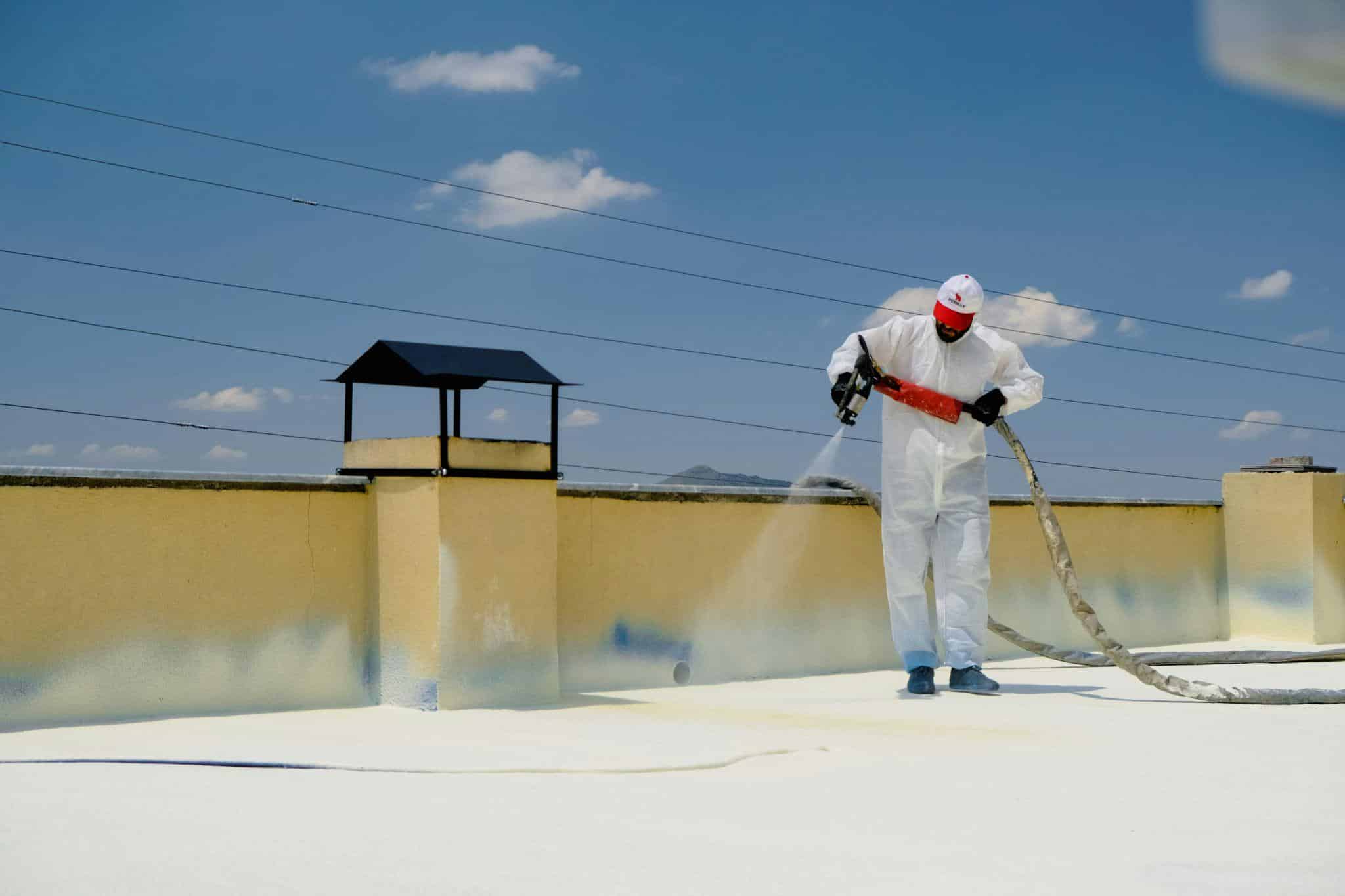
Foam roof recoating is the process of applying a fresh elastomeric protective layer over an existing SPF roofing system.
This protective topcoat shields the underlying polyurethane foam from UV rays, weather damage, and general environmental wear that can degrade the roof over time.
Without periodic recoating, the elastomeric coating naturally chalks and thins due to constant sun exposure, fog, and temperature swings unique to Northern California.
Recoating restores the seamless, waterproof barrier that originally made your foam roof such a powerful performer.
Why Bay Area Foam Roofs Need Regular Recoating
The San Francisco Bay Area presents unique climate challenges that directly affect roof longevity.
From the persistent coastal fog in San Francisco and Daly City to the intense summer heat in Walnut Creek and Livermore, your foam roof faces year-round stress from UV rays, salt air, and dramatic temperature variations.
Coastal microclimates expose roofs to moisture and salt, while inland Bay Area regions experience harsh thermal cycling that can wear down protective coatings faster than expected.
Regular recoating ensures your roofing investment stands up to these regional pressures and continues delivering reliable protection.
The Ideal Recoating Schedule for Foam Roofs
Most foam roofing experts recommend a structured maintenance plan to optimize performance over decades.
The widely respected 5 and 25-year recoating plan calls for the first recoat at year 5, a second recoat at year 25, and additional recoats every 20 years thereafter.
Following this schedule allows a Bay Area foam roof to perform reliably for 45 years or more without requiring a costly tear-off and full replacement.
Skipping the early recoat at year 5 can allow surface degradation to advance, making future coatings less likely to bond properly to the foam substrate.
Top Benefits of Roof Recoating in the Bay Area
Property owners across Santa Clara County, San Mateo County, and Alameda County are increasingly choosing recoating over replacement for several compelling reasons.
From cost savings to sustainability, the advantages are substantial and long-lasting.
Recoating delivers significantly lower upfront costs compared to a full roof replacement, often at a fraction of the price.
It also avoids the disruption of tearing off existing materials, meaning your home or commercial property stays operational throughout the project.
UV Protection and Cool Roof Performance
The Bay Area receives plenty of strong California sun, and ultraviolet rays are the leading cause of premature foam roof breakdown.
A fresh elastomeric coating reflects sunlight and shields the foam beneath from UV damage, preventing the slow erosion that occurs at roughly 1/16 of an inch per year on unprotected foam.
White elastomeric topcoats also create a powerful cool roof effect, lowering rooftop temperatures by more than 50 degrees on hot summer days.
This reflectivity can reduce heating and cooling costs by up to 40 percent, making recoating one of the smartest energy efficiency upgrades available for Bay Area homes.
Seamless Waterproofing for Flat and Low-Slope Roofs
Many Bay Area properties, especially classic Eichler homes throughout Palo Alto, Sunnyvale, and Mountain View, feature flat or low-slope roof designs that are particularly vulnerable to water intrusion.
A properly applied recoating reinforces the monolithic, leak-proof barrier that gives foam roofs their reputation for outstanding waterproofing.
Unlike traditional roofing systems with seams, fasteners, and joints, a recoated foam roof creates one continuous protective surface with no weak points.
This is especially valuable during winter rainy seasons when prolonged moisture exposure tests every roof in the region.
Sustainability and Environmental Advantages
Foam roof recoating is widely recognized as one of the greenest roofing solutions available today.
Because recoating eliminates the need for tear-offs, it dramatically reduces the volume of construction waste sent to Bay Area landfills.
Recoating also lowers a building’s overall carbon footprint by extending the life of existing materials and improving energy efficiency.
For environmentally conscious property owners in cities like Berkeley, San Francisco, and Oakland, this aligns perfectly with California’s broader sustainability goals.
How to Tell If Your Foam Roof Needs Recoating
Several visual and functional signs indicate that your foam roof is ready for a fresh protective layer.
The most obvious signal is chalking, which appears as a powdery white residue on the roof surface caused by UV degradation of the elastomeric coating.
Other warning signs include faded or discolored coating, small surface cracks, minor leaks despite a sound foam structure, and visible thinning of the topcoat.
If your foam roof is at least five years old and shows any of these symptoms, scheduling a professional inspection should be your next step.
Cost Considerations for Bay Area Roof Recoating
The cost of recoating a foam roof in the Bay Area depends on several factors, including roof size, current condition, accessibility, and the type of coating selected.
Silicone, acrylic, and polyurethane coatings each offer different price points and performance characteristics.
Despite these variables, recoating consistently costs significantly less than tearing off and replacing an entire roofing system.
Over 45 years, two well-timed recoats can save Bay Area property owners tens of thousands of dollars compared to multiple full roof replacements.
Choosing the Right Recoating Contractor
Selecting an experienced, locally trusted contractor is essential for getting maximum value from your roof recoating investment.
Look for companies with extensive Bay Area experience, strong customer reviews, proper licensing, and certifications from organizations like the Cool Roof Rating Council and Energy Star.
A reputable contractor will offer free roof inspections, transparent pricing without high-pressure sales tactics, and detailed warranties that protect your investment for years to come.
Always verify accreditations such as BBB ratings and Factory Mutual certifications before committing to any roofing project.
Why Eichler Homeowners Should Prioritize Recoating
Eichler homes are an iconic part of the Bay Area’s mid-century modern architectural heritage, especially in neighborhoods across Palo Alto, San Mateo, and the Greenmeadow area.
Their distinctive flat roof designs make foam roofing the ideal modern solution, and consistent recoating preserves both performance and aesthetic appeal.
Many Eichler owners find that a properly maintained foam roof not only protects their home but actually enhances its long-term resale value.
Recoating maintains the clean architectural lines these homes are famous for while delivering modern energy efficiency benefits.
Common Mistakes to Avoid With Foam Roof Maintenance
One of the biggest mistakes Bay Area property owners make is waiting too long between recoats, allowing the foam to be exposed to direct UV damage.
Once the underlying polyurethane foam begins to degrade, simple recoating may no longer be enough to restore the system to peak performance.
Another common error is hiring inexperienced contractors who use mismatched coating products that fail to bond properly with existing foam systems.
Always work with specialists who understand SPF roofing and use manufacturer-approved coatings designed for your specific roof type.
Schedule Your Roof Recoating Today
The smartest way to protect your foam roof is to act before significant damage occurs, which is why scheduling regular inspections is so important.
A trusted local team can assess your roof’s condition and recommend the right recoating timeline for your specific property.
Investing in regular foam roof recoating is one of the most strategic decisions a Bay Area property owner can make for long-term value.
It saves money, protects against the unique climate stresses of Northern California, supports sustainability goals, and keeps your home or commercial building comfortable year-round.
Final Thoughts on Bay Area Roof Recoating
Rather than waiting for a full roof failure that demands costly replacement, partner with an experienced local contractor and follow a proven maintenance schedule.
A well-timed recoat at year 5, followed by another at year 25, can keep your foam roof performing like new for decades to come.
With smart recoating, your foam roof can deliver dependable performance while remaining energy-efficient, leak-free, and ready for whatever the Bay Area weather brings next.
Make recoating a planned part of your property maintenance strategy and enjoy the peace of mind that comes with a roof built to last a lifetime.
Drawing on 10+ years in LTL/FTL operations, Olivia Barnes writes practical guides for small-space ideas, smart home setup, and home energy/storage basics. She holds a B.A. in Communications from the University of Arizona and has implemented device rollouts and documentation for homeowners and property managers. Olivia focuses on plug-and-play automations, safe wiring handoffs, and starter energy monitoring; making selection, labeling, and maintenance simple for busy households.