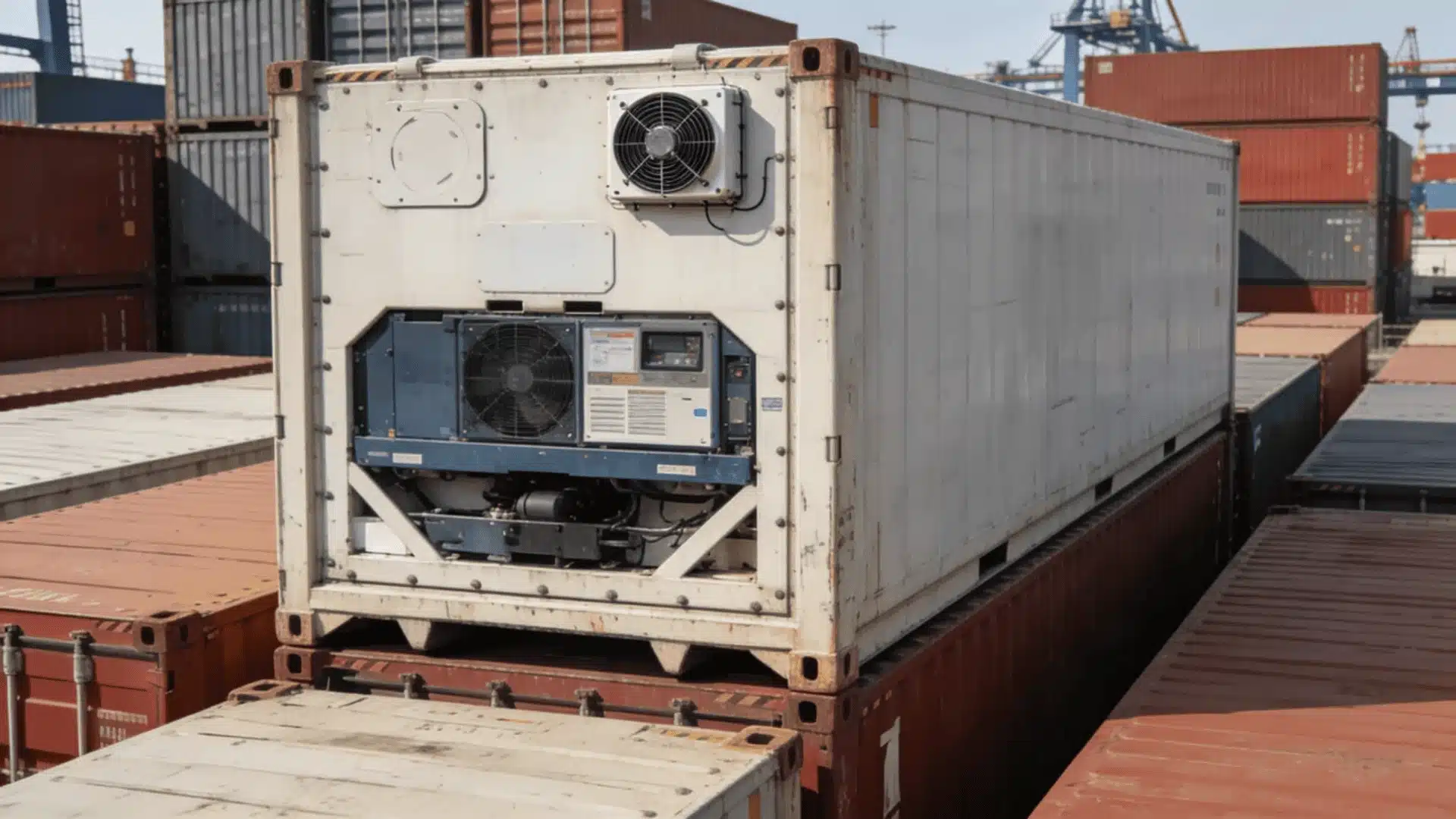
I’ve spent hours loading and monitoring reefer containers, and the first thing I noticed is that they’re far more complex than a simple fridge on wheels.
These units don’t just “stay cold”; they actively manage temperature, airflow, and humidity, and any misstep can ruin a shipment.
I’ll walk you through how a reefer container functions from pre-cooling cargo to airflow design, insulation, and sensors. You’ll see the differences between 20ft, 40ft, and High Cube units, what they’re best used for, and mistakes people make that compromise their effectiveness.
Understanding this can save your cargo and your budget.
What is a Reefer Container?
A reefer container is a temperature-controlled shipping container with a built-in cooling system. It keeps cargo at a stable temperature during transport.
It is also called a refrigerated container or reefer unit. These containers are used for goods that need controlled conditions.
The main function is to maintain a controlled internal environment, which helps protect sensitive cargo throughout the journey.
It is not a regular container with ice or passive cooling. It uses an active system to precisely control temperature.
Most standard reefers operate between -25°C and +25°C. Specialist units extend that range further, some reach -35°C, and super freezer containers can hold as low as -70°C for products like certain vaccines and tuna.
How a Reefer Container Works Step-By-Step
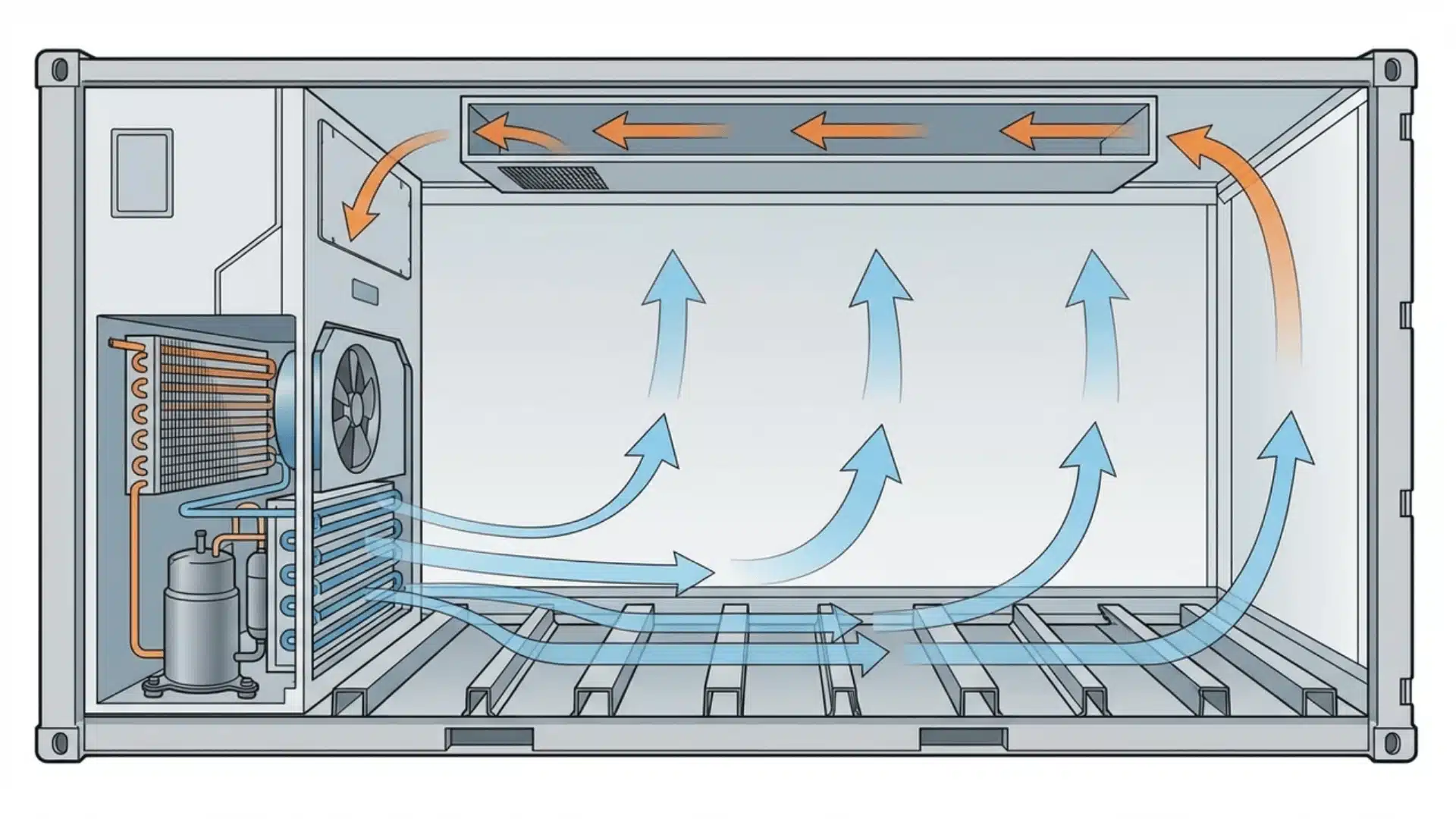
A reefer container uses a controlled system that manages temperature, airflow, and insulation. Each step plays a role in keeping cargo stable throughout the journey.
Step 1: Pre-Cooling the Cargo
Reefer containers are not built to rapidly cool down hot goods. Their cooling capacity is limited to maintaining a pre-set temperature.
This means cargo must be pre-cooled before loading. If warm goods are loaded, they may spoil even when the container is working properly.
Step 2: Refrigeration Unit Operation
The reefer uses a refrigeration cycle built around four components: a compressor, condenser, evaporator, and expansion valve. Here is what each one does:
- Compressor: pressurises refrigerant gas into a high-pressure liquid, which raises its temperature
- Condenser: releases that heat to the outside air, cooling the refrigerant back into a liquid
- Expansion valve: drops the pressure of the liquid refrigerant, causing it to cool rapidly
- Evaporator: the cold refrigerant absorbs heat from inside the container, chilling the air
This cycle runs continuously. The refrigerant loops from liquid to gas and back again, pulling heat out of the container on each pass. If the compressor fails or refrigerant leaks, the cycle stops, and the internal temperature rises quickly.
Step 3: Air Circulation Through T-Floor
Cooling is not just about cold air; it’s about proper airflow. Reefer containers use a T-shaped floor design to evenly distribute air.
Chilled air flows through these channels and circulates around the cargo. If airflow is blocked, uneven cooling and hotspots can damage goods.
Step 4: Insulation and Thermal Retention
The container walls are heavily insulated to reduce heat transfer to and from the outside. This slows the rate at which heat enters or leaves the container.
As a result, the internal temperature stays stable, and energy use is reduced. If insulation is damaged, the system becomes less efficient and unstable.
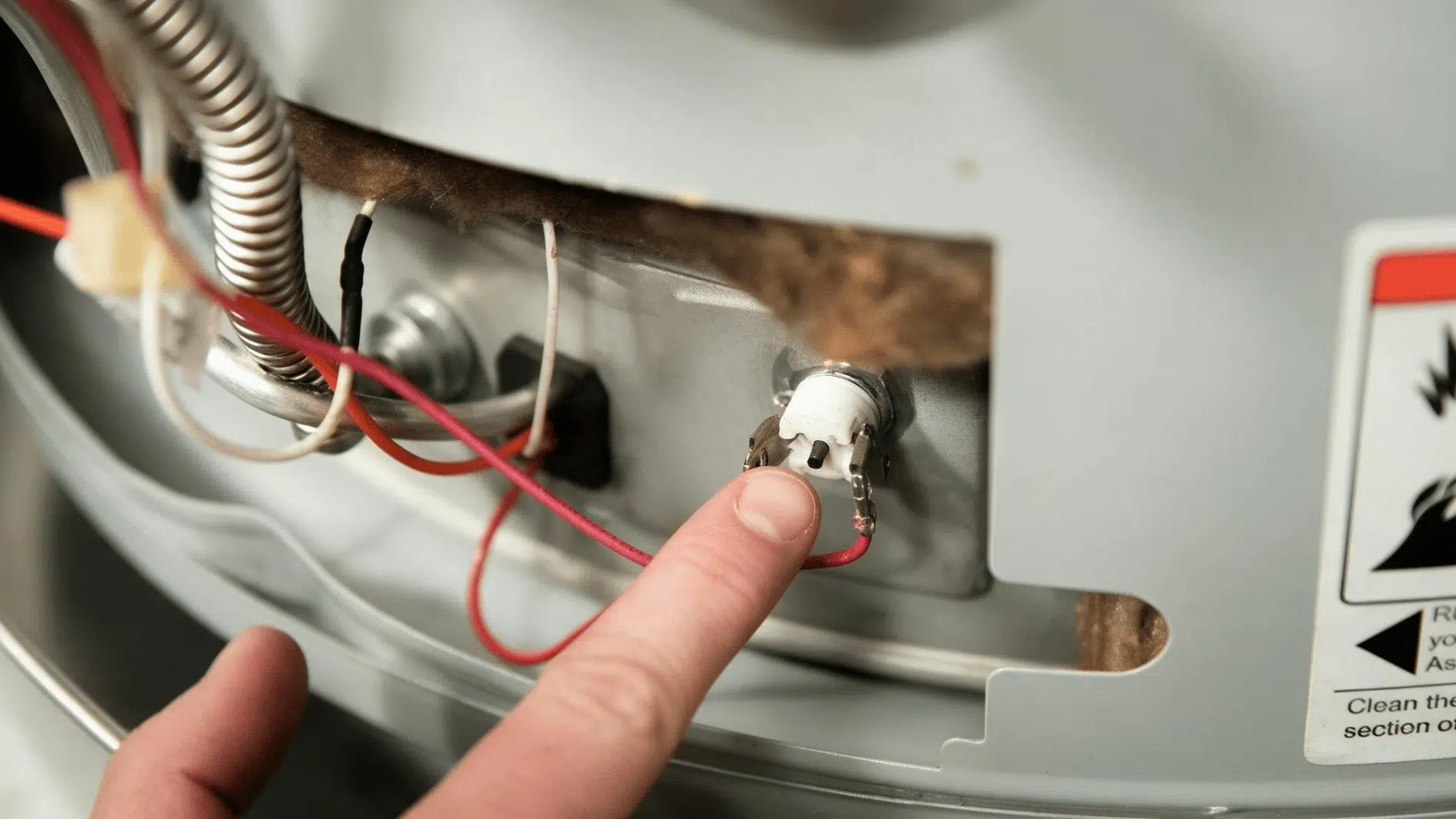
Step 5: Sensors and Control Systems
Sensors inside the container track temperature, humidity, and airflow conditions. These readings are constantly monitored.
A microprocessor adjusts the cooling system in real time to maintain the set conditions. Incorrect settings or faulty sensors can lead to cargo damage.
Together, these steps ensure the container maintains a stable environment, but only when each part is working correctly and used the right way.
Key Components that Make a Reefer Container Work
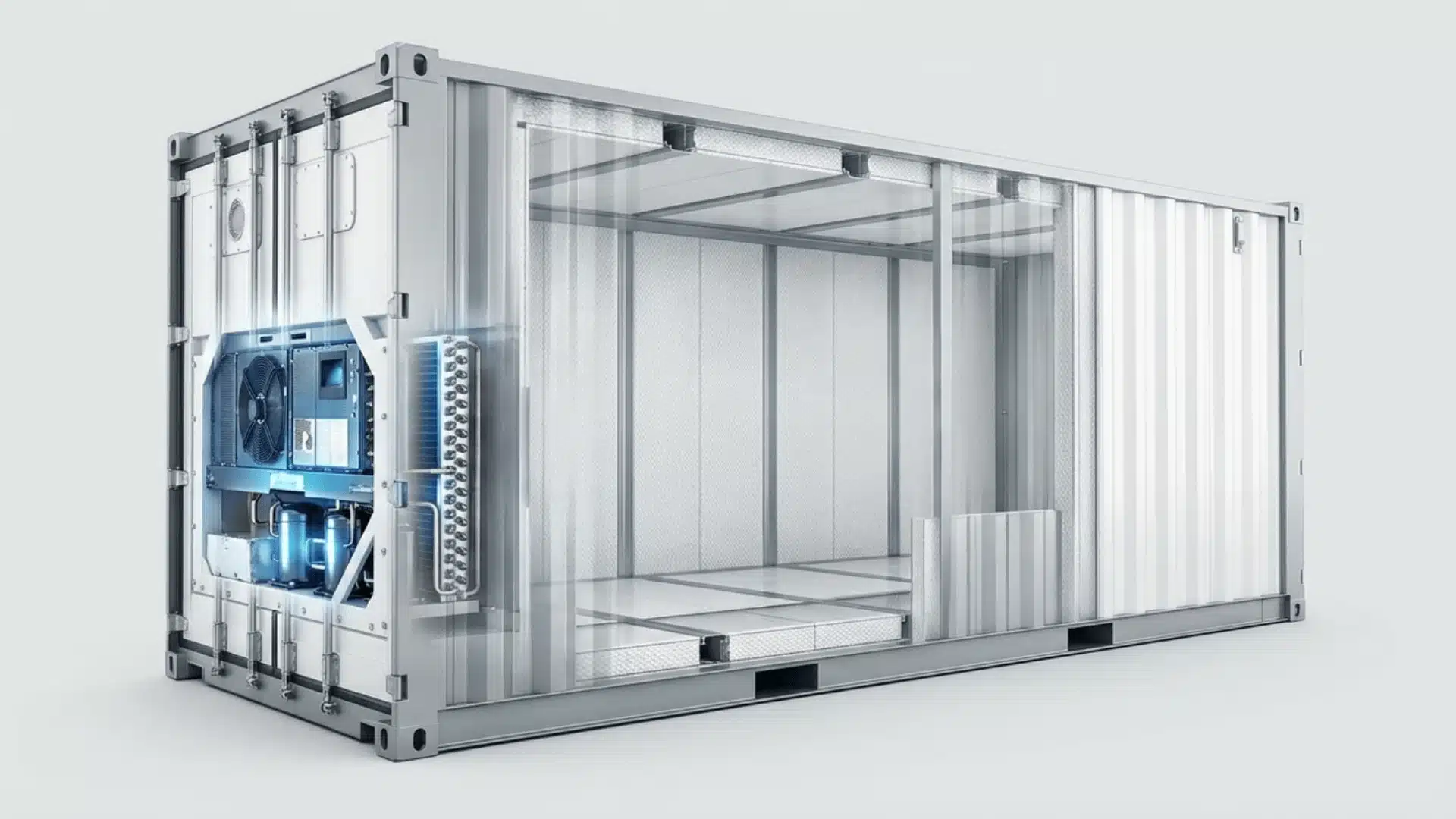
A reefer container runs on five components. Each one has a specific job, and the system depends on all of them working together.
Refrigeration Unit: The core of the system. The compressor pressurises refrigerant, the condenser releases heat outside, and the evaporator absorbs heat from inside the container. This cycle runs continuously to hold the set temperature.
Insulated Walls and Panels: Typically 100–160mm of polyurethane foam lines the container walls, floor, and ceiling. This slows heat transfer from outside, reducing how hard the refrigeration unit has to work.
T-Bar Floor: Cold air from the refrigeration unit is forced through aluminium channels in the floor, then up through and around the cargo. Without this, air pools at the front and never reaches the full load.
Power Supply: At sea, containers plug into the vessel’s reefer points. On the road, a diesel genset powers the unit. At port, shore power takes over. Loss of power at any stage means the cooling cycle stops.
Monitoring and Control System: Sensors track supply and return air temperature, humidity, and airflow. A microprocessor compares readings against the set point and adjusts the unit in real time. Most modern units log 3,000+ events per trip and support remote tracking via GPS and telematics.
Humidity and Ventilation Controls: Separate from temperature, these manage moisture levels and fresh air exchange. Fresh produce generates CO₂, heat, and ethylene gas during transit; without ventilation, these accumulate and accelerate spoilage. Standard operating range is 60–85% relative humidity.
If any single component fails, the rest cannot compensate. Temperature can drift faster than the monitoring system can flag it.
What Reefer Containers are Used for and Why They Matter
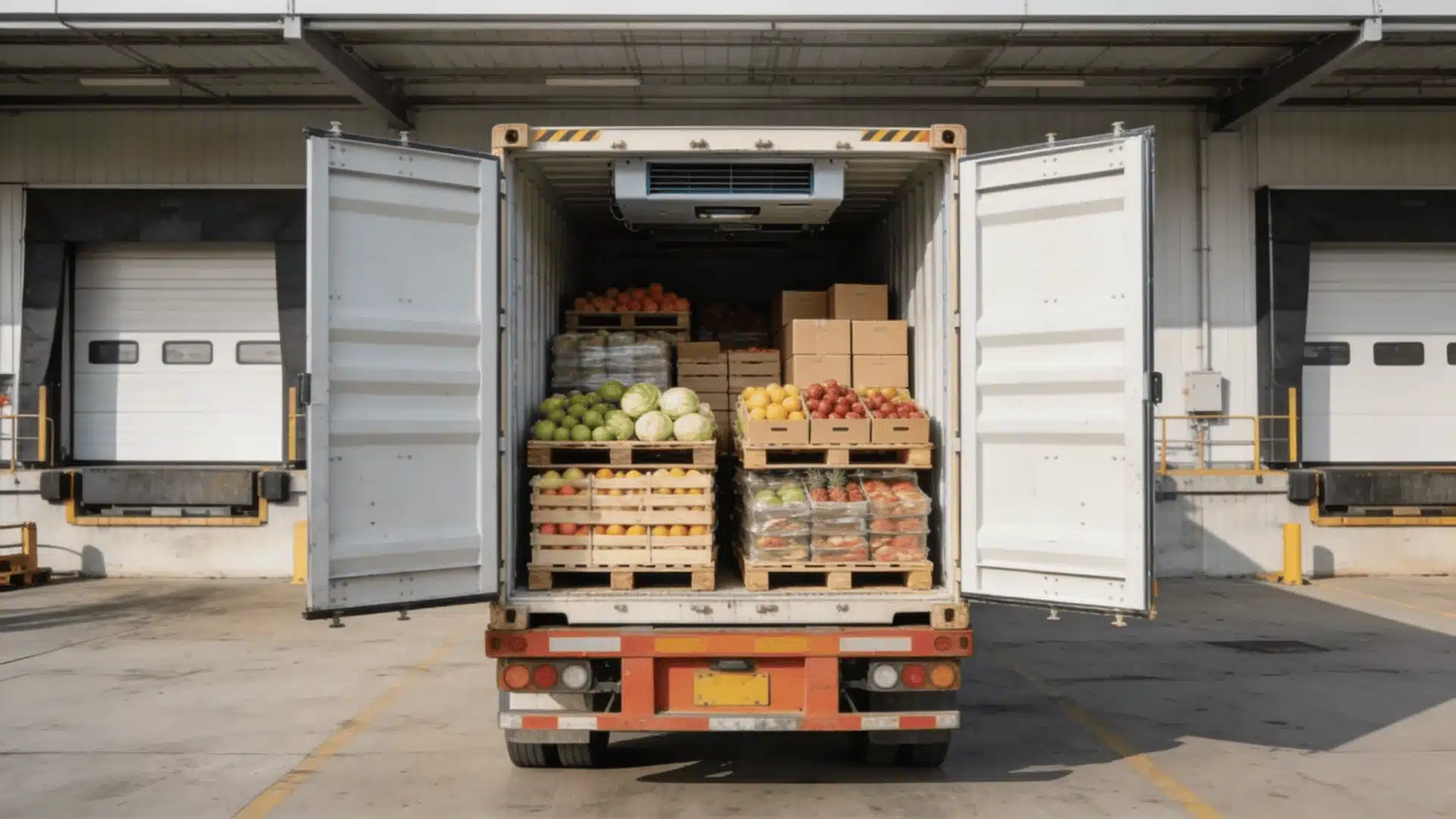
Reefer containers are mainly used to transport goods that need controlled temperatures. These include items that can spoil, degrade, or lose quality if conditions are not maintained.
They are commonly used for food products like fruits, vegetables, dairy, meat, and seafood. They are also used for pharmaceuticals, flowers, and certain chemicals that require stable conditions.
The main reason reefers are needed is to slow down biological and chemical changes.
Most spoilage bacteria are most active between 4°C and 60°C; drop the temperature below 4°C and their reproduction rate slows significantly, extending shelf life without preservatives or modified packaging.
This allows goods to travel long distances without losing freshness or safety. As a result, reefers support the global trade of perishable goods.
If the temperature is not maintained correctly, goods can spoil or become unsafe. This can lead to contamination, financial loss, and supply chain disruption.
Powering a Reefer Container: How It Stays Operational
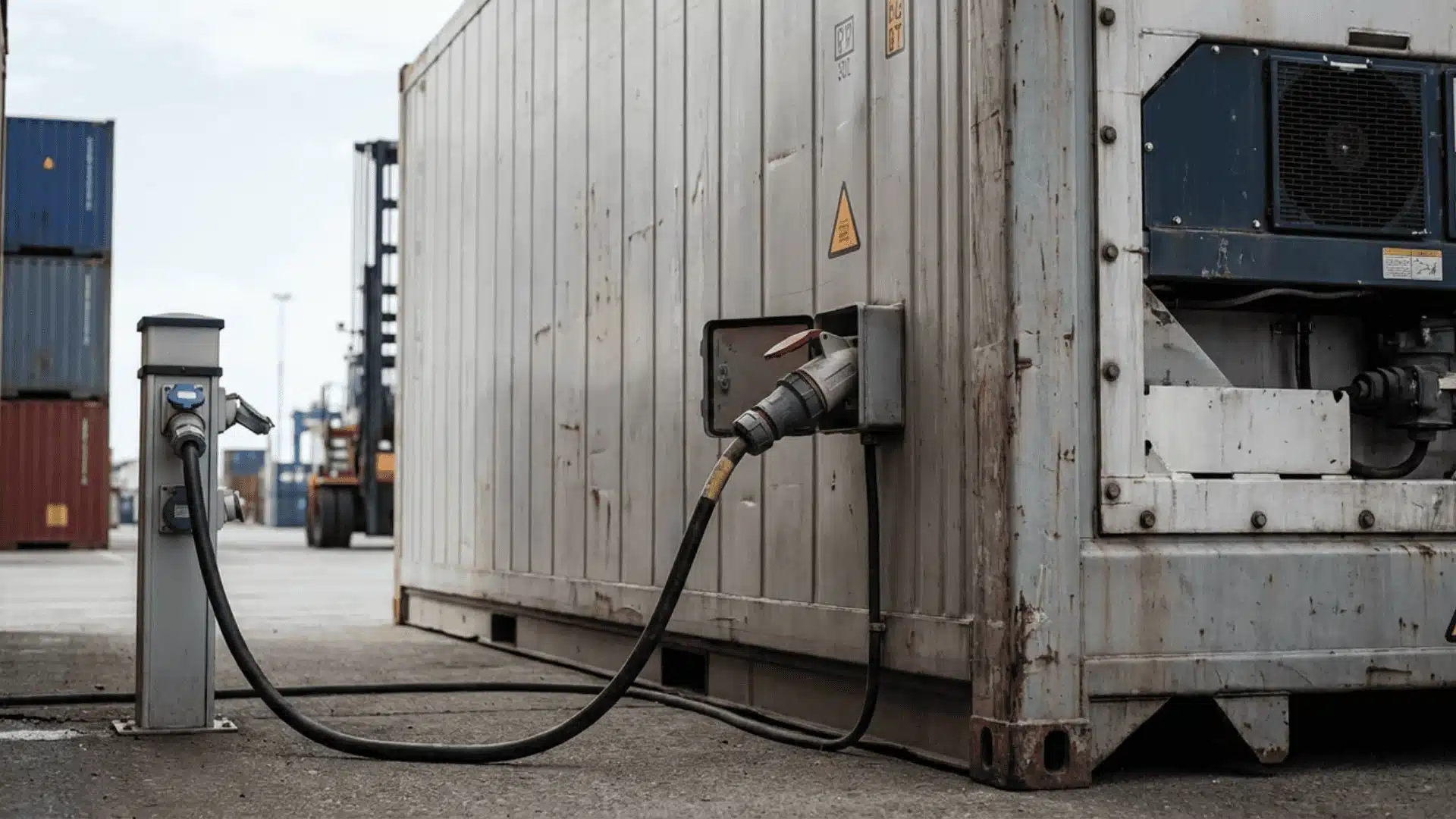
A reefer container depends on a continuous power supply to keep its cooling system running. Without power, it cannot maintain the set internal temperature.
The refrigeration unit uses this power to run its cooling cycle. It converts electrical energy into a process that removes heat and maintains stable conditions inside.
Power is supplied in different ways depending on the transport stage.
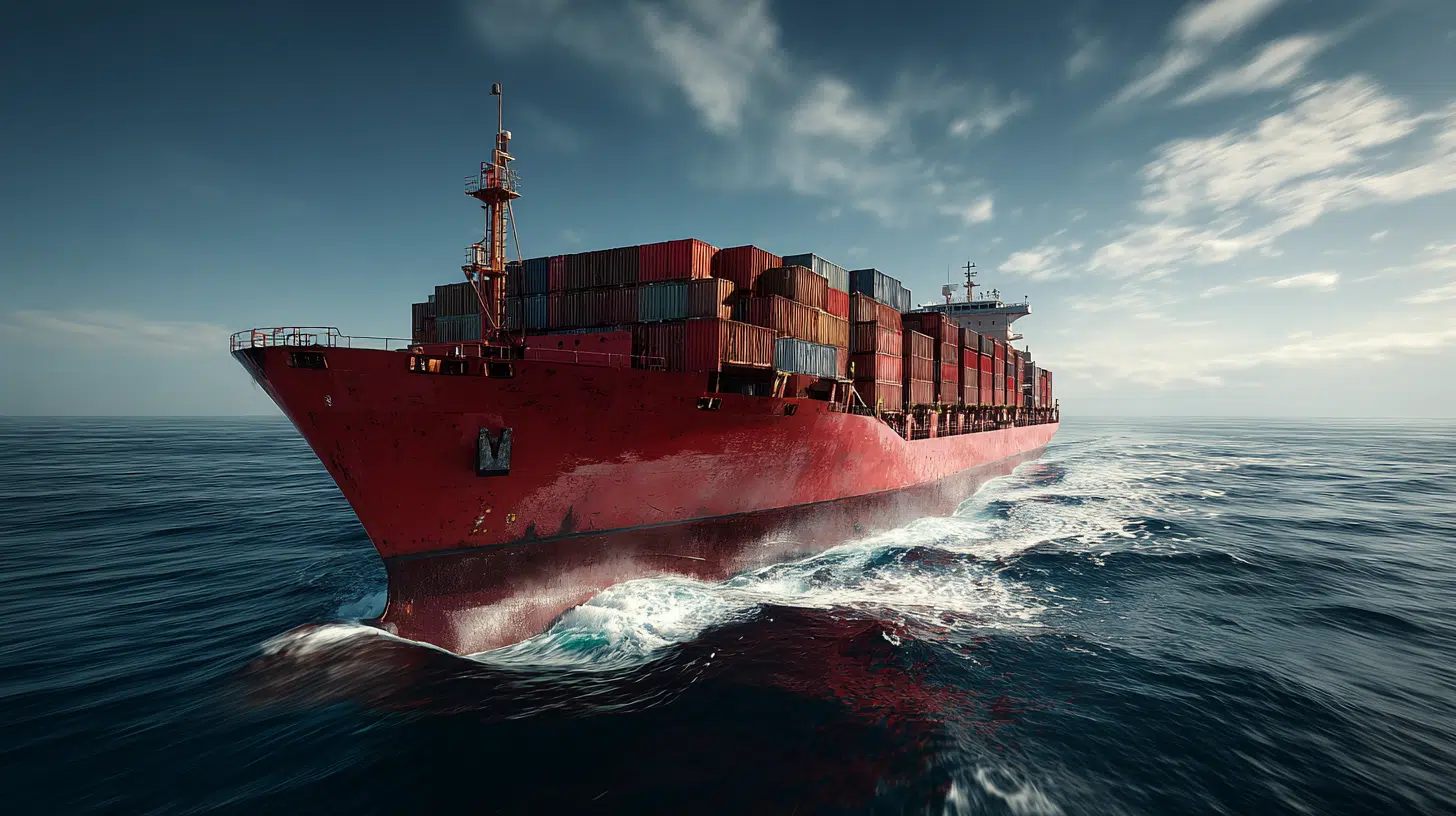
- Ships provide built-in electrical connections for containers during sea transit.
- On roads, trucks and trailers use diesel generator sets to power their equipment. These generators keep the container running even in remote or long-distance routes.
- At ports and warehouses, reefers are connected to grid electricity. This ensures stable operation during loading, unloading, and storage.
If power is lost, the temperature inside the container begins to drift. This can quickly lead to spoilage, damage, or cargo loss.
Reefer Container Types and Sizes Comparison
Different reefer containers are designed to handle different cargo volumes and temperature needs.
| Type of Reefer Container | Key Feature | Capacity Impact | Airflow & Function | Best Use Case |
|---|---|---|---|---|
| 20ft Reefer | Compact size | Lower capacity | Easier airflow control due to a smaller space | Small shipments or limited cargo volume |
| 40ft Reefer | Standard large size | High capacity | Balanced airflow for bulk cargo | Large-scale transport of perishable goods |
| High Cube Reefer | Extra height (more vertical space) | Increased storage without a larger footprint | Better stacking and airflow for tall loads | Bulky or taller cargo requiring more space |
| Deep-Freezer Reefer | Ultra-low temperature capability | Similar to standard sizes | Designed for extreme cold distribution | Frozen goods need very low temperatures |
Each type serves a specific purpose, so choosing the right one depends on cargo size, temperature needs, and how the container will be used.
Limits and Misconceptions of Reefer Containers
Two misunderstandings cause most reefer problems.
The first is that the unit will cool warm cargo; it will not. Reefers maintain a pre-set temperature; they cannot bring warm goods down to that temperature after loading.
The second is that all reefers freeze cargo. The temperature is fully adjustable and set to match the specific cargo, whether chilled or frozen.
Beyond those, the main operational risks come from blocked airflow, incorrect settings, and mechanical failure. Any one of them can produce uneven cooling or spoilage; even when the unit is running and the display shows the correct temperature.
For example, setting the temperature to -18°C for frozen seafood but loading pallets that block the T-floor channels can cause the floor-level cargo to stay several degrees warmer than the unit’s display shows. The sensor reads the return air temperature, not the temperature inside each pallet. By the time the problem is visible, the cargo is already compromised.
How to Load a Reefer Container Correctly
Loading cargo correctly is as important as the cooling system itself. Poor stowage blocks airflow and creates warm pockets, even when the unit is running at full capacity.
The right approach depends on cargo type:
- Chilled goods (fresh produce, dairy): use ventilated stacking. Air must flow through the cargo, not just around it. Use cartons with ventilation holes and avoid solid walls of packaging that block circulation.
- Frozen goods (meat, seafood): use block stacking. Pack the cargo tightly so air flows around the load. Gaps between the cargo and the walls allow warm air to circulate and create hot spots.
A few rules apply to both:
- Never load cargo above the load line marked near the ceiling; blocking this area cuts off return airflow to the refrigeration unit
- Spread cargo evenly across the T-floor; uneven loads create short-circuit airflow paths where cold air bypasses cargo entirely
- Do not block the air channels at the front or rear of the container
Pre-cooling the cargo, not the empty container, is the correct approach. Chilling an empty container causes condensation when warm air enters on loading, which can damage packaging and reduce cooling efficiency.
Wrapping Up
Working with reefer containers taught me that temperature control isn’t automatic.
Every detail counts: pre-cooling cargo, correct loading, unblocked airflow, continuous power, and properly functioning sensors. Skip one, and the cargo can quickly spoil.
These containers are designed to maintain precise environments, but their performance depends on human oversight as much as technology. Knowing the differences between container sizes, the importance of insulation, and the limits of cooling ensures goods stay safe from origin to destination.
If you’re planning to ship perishable or sensitive items, taking the time to understand the system fully can prevent costly mistakes and protect your investment.
Frequently Asked Questions
How long can a reefer container maintain temperature without power?
A reefer container maintains temperature for a brief period using insulation, but prolonged power outages cause temperature drift and risk cargo spoilage or damage.
Can a reefer container control humidity levels?
Yes, many reefer containers allow basic humidity and ventilation control to suit different cargo requirements and maintain proper internal storage conditions.
Do reefer containers need regular maintenance?
Yes, reefer containers need regular maintenance, including inspection of cooling systems, sensors, and insulation, to ensure consistent performance and prevent failures.