In real estate, the obvious issues get attention, but the smaller, less visible problems often cause the most friction during a transaction. These are the items that show up in inspection reports and lead to renegotiation. They also affect how buyers judge maintenance standards across the entire property. Addressing them early keeps deals on track and protects pricing.
Refrigerant Issues
Air conditioning systems rely on proper refrigerant levels to function correctly. When levels are low or leaks develop, the system loses efficiency and struggles to maintain temperature. This often appears in inspection notes as a system that needs servicing or further evaluation. Sellers who try to patch the issue without a full repair risk having it flagged again before closing. The better approach is to address it fully and document the work, especially since leaving the AC repair to the professionals is a standard expectation in inspection reports. A verified repair reassures buyers and reduces follow up questions.
Drainage Grading
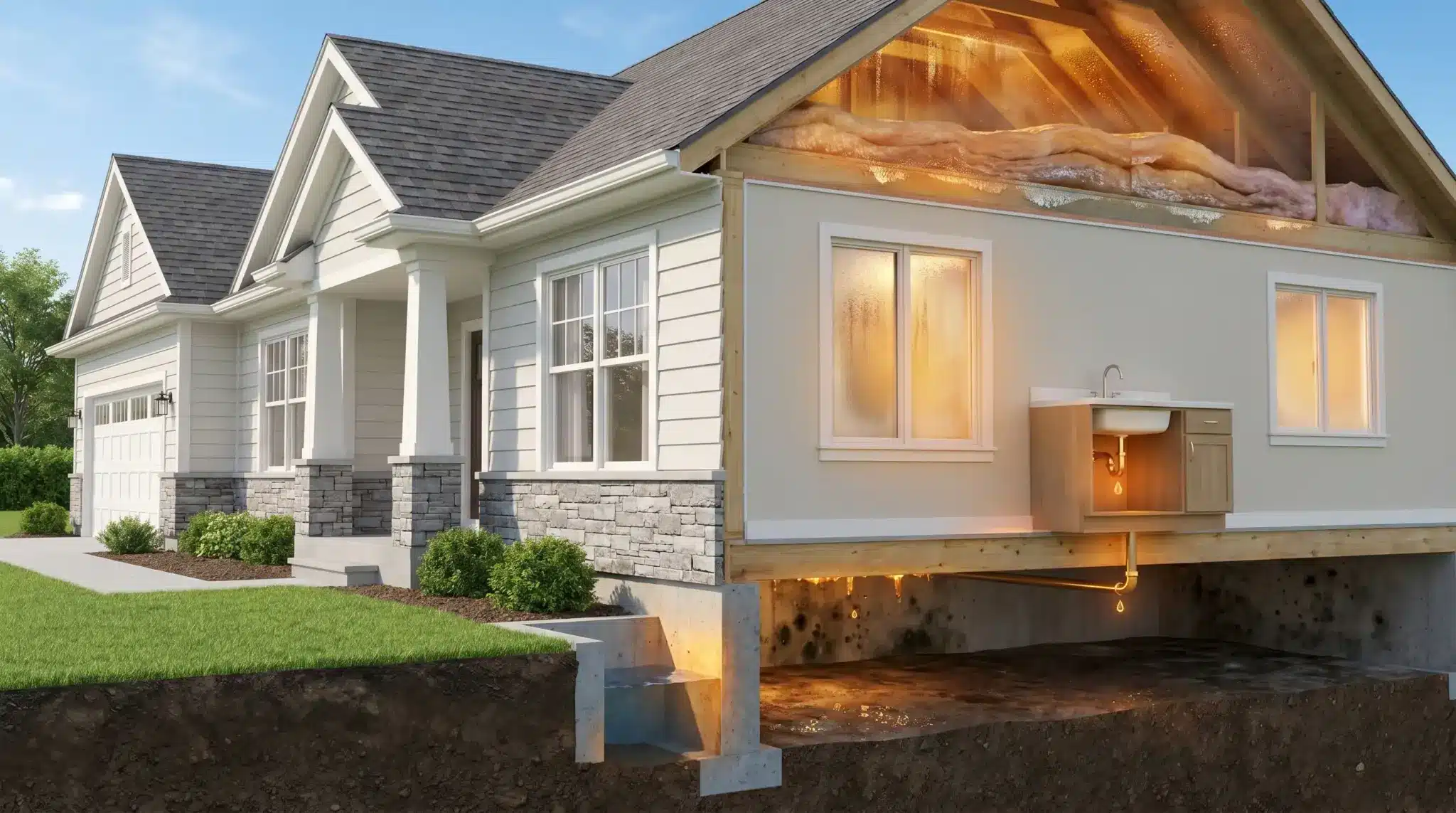
Soil grading around a home controls how water moves during rain. If the ground slopes toward the foundation, water can collect and seep into basements or crawl spaces. Inspectors look for this because it signals potential structural risk. Fixing grading involves adding soil, adjusting slope, and sometimes extending downspouts. It is not a complex job, but ignoring it can lead to foundation repairs that are far more expensive. Buyers tend to walk away or ask for credits when they see signs of moisture intrusion.
Attic Ventilation
Attics play a major role in temperature control and moisture management. Poor ventilation traps heat and humidity, which can damage roofing materials and insulation. It can also lead to mold growth that complicates a sale. Buyers may not see the attic during a showing, but inspectors will. Proper airflow helps with saving energy in a house because it reduces strain on heating and cooling systems. Installing vents or clearing blocked airflow paths is a relatively low cost improvement that supports both efficiency and resale value.
Minor Plumbing Leaks
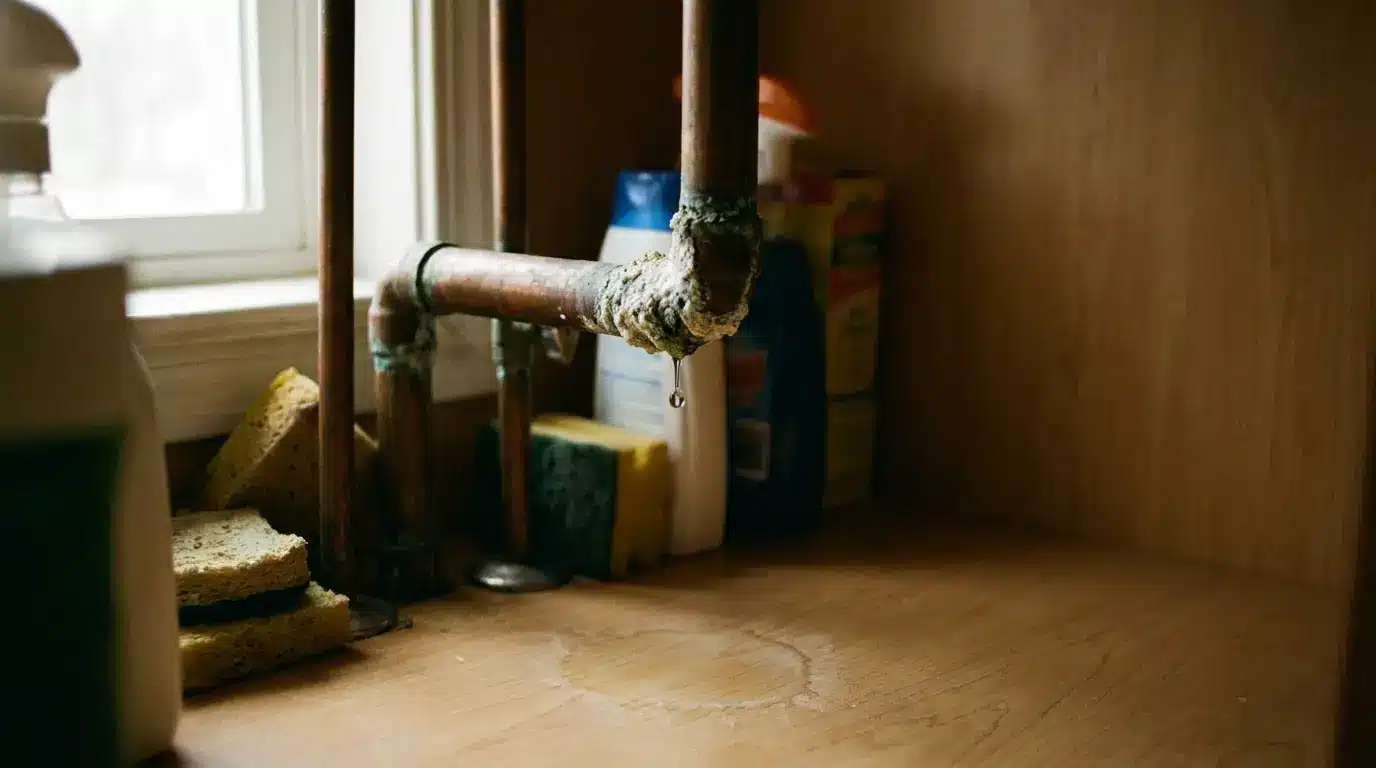
Small leaks under sinks or behind fixtures often go unnoticed until they create visible damage. Over time, they can warp cabinetry, stain walls, and promote mold growth. These issues show up clearly in inspection reports and photos. Even if the leak seems minor, the visible damage raises concerns about hidden problems. Fixing leaks early and repairing affected materials keeps the home looking well maintained and prevents buyers from assuming neglect.
Electrical Panel Labeling
An unlabeled or poorly labeled electrical panel may seem minor, but it creates hesitation for buyers and inspectors. Clear labeling improves safety and usability, and it signals that the system has been managed responsibly. In some cases, inspectors will recommend further evaluation if the panel is confusing or outdated. Taking time to organize and label circuits can prevent unnecessary concerns during due diligence.
Window Seal Failures
Double pane windows rely on sealed air space for insulation. When seals fail, condensation forms between panes, reducing efficiency and clarity. Buyers notice fogged windows right away, and inspectors flag them as defects. Replacing or repairing failed seals improves appearance and energy performance. It also prevents the issue from being used as a bargaining point during negotiations.
GFCI Outlet Failures
Ground fault circuit interrupter outlets are required in areas with water exposure, such as kitchens, bathrooms, and garages. When these outlets fail or are missing, inspectors note it as a safety concern. Buyers may request immediate correction because it relates to electrical protection. Replacing or upgrading outlets is not expensive, but ignoring the issue can delay a sale or lead to repair credits. Ensuring proper function also supports code compliance and reduces liability for the seller.
Small, less visible repairs often carry more weight in real estate transactions than owners expect. Addressing these issues early helps maintain value, supports smoother inspections, and reduces the chance of last minute concessions.