Ten years back, it was an experiment conducted by federations, clubs, and even broadcast sports. Their revenue came through TV rights and tickets, and smaller studios produced short-lived apps each season. Now things are different, and the statistics prove that. In Iran, Cafe Bazaar is the local app store which runs parallel to Google Play and has a monthly user base of over 47 million. The share of sport apps is increasing steadily in the app store, where live score apps, club apps, fantasy football, and (Farsi: شرط بندی ) apps join the league with the other officially made IRIB and federation apps. The share of sport apps is estimated at 8%, according to company stats released this year.
What the Iranian Sports App Stack Looks Like
There exist three main categories of the sports application market in Iran. First, there are official applications belonging to various sports bodies or IRIB, which is the broadcasting body in Iran. Second, there are applications designed by Iranian developers to provide various features that include scores and video content. Third, there are fan applications that include score streamers and prediction games.
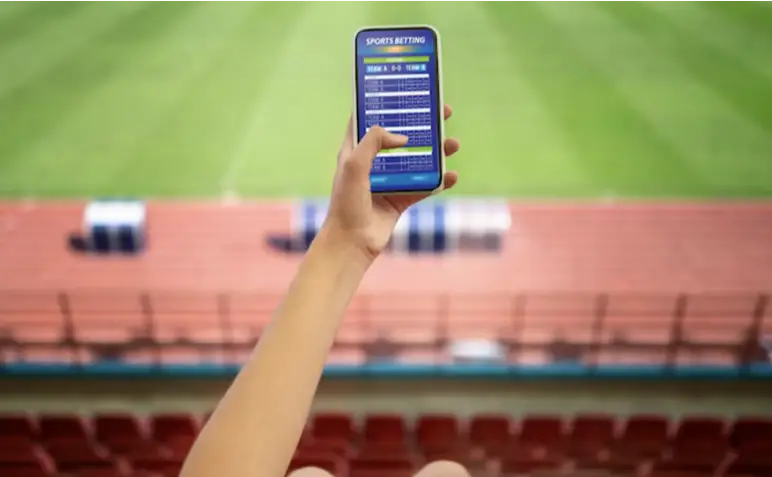
The main Iranian sports apps active in 2024 sit in this table:
App | Function | Approximate active users |
|---|---|---|
Footballi | Football news and fan content | 4.2 million |
Varzesh3 | General sports news | 2.8 million |
ChiBaazi | Fantasy football | 1.1 million |
Stadio | Live scores and stats | 900,000 |
Telewebion (IRIB) | Live TV streaming | 12 million across all categories |
Aparat Sport section | Video content and replays | 6 million monthly active |
On its own, Footballi attracts nearly the same number of monthly visitors as the total circulation of Iran’s top three sports newspapers combined. The Live Scores section of Stadio has emerged as the go-to source for Pro League enthusiasts who want to find out the scores while they are on the move. While Telewebion stands apart due to its link with IRIB, the consumption of sports content via Telewebion now exceeds that of some other entertainment sections.
Who Builds These Apps and Where They Live
Cafe Bazaar takes care of the bulk of the distribution of apps for Android users in Iran. Without access to Google Play, Iranians can use Cafe Bazaar or Myket, which is a little-known but still active platform. iOS users face a similar predicament: they cannot download from the official Apple App Store, which means that apps have to be installed using various technical hacks.
The developers are almost always Iranian. The Footballi app was created by an Iranian team based in Tehran back in 2014 and has remained independent since then. The ChiBaazi app comes from a small studio, which later began producing other prediction games. Telewebion was developed by IRIB using an in-house software development team. It is worth noting that the Iranian app industry has evolved so much that there is now a sub-sector of sports apps.
There are international applications involved too, although in a more subtle way. They exist using Facebook pages, Telegram bots, and even Persian-language websites. MelBet Facebook Iran is one example, where odds comparison content, free tips, and stream links can be found for Iranian footballers. These platforms may not be typical apps. However, they offer similar features. These include regular updates, push notifications, and community discussions in the comments section.

Common categories of sports apps available to Iranian users:
- The club applications for Persepolis, Esteghlal, Sepahan, and Tractor football clubs;
- the federation applications for ticket booking, schedule planning, and federation news from the Iranian Football Federation;
- applications with live scores and statistics such as Stadio and international FotMob through the use of the proxy network;
- applications to view videos such as Aparat and YouTube using the proxy network;
- gambling and betting applications based on the Persian Gulf Pro League and Iran national team matches;
- and streaming aggregation applications for grey market content.
The complete list of sports app choices for Iranian users adds up to thousands when combined between Café Bazaar, Myket, and APK installations. The operational layer is crowded, and the user is presented with more choices than in an ordinary football app market.
Apps in the Hands of Clubs and Federations
Now, apps have become the main method through which tickets are sold, and members interact. For instance, Persepolis recently released a new version of their official app, with functions such as purchasing tickets, reading club news, and accessing player content. Similarly, Esteghlal introduced another app at the beginning of 2024 that features the same functions. While Sepahan and Tractor FC do not use apps to the same extent, they still employ them in the same manner.
Moreover, the Iranian Football Federation runs an app focused on national team news and the latest FIFA rankings. Meanwhile, the Persian Gulf Pro League features an application with league news, including game videos. These are all practical programs rather than fancy gimmicks; they process significant amounts of traffic and ticketing sales.
The functional value of these official apps for clubs includes:
- no middle-man transaction fees when buying tickets;
- matchday alerts for players’ progress and new merchandise launches;
- club-owned subscribers that aren’t under the control of a media company;
- controlled space where sponsorship activations and marketing opportunities can occur;
- less reliance on Telegram and Instagram, social networks that may be cut off from users at any time.
This issue is no joke. Iranian teams that only use social media to connect with their fans take risks because of such an approach. Indeed, when Telegram was banned in Iran back in 2018, clubs that didn’t have any applications lost the connection with their millions of followers right away.
Where the Industry Is Heading Next
This represents an important milestone for the sports apps industry in Iran. The foundational work has already been done. The important issue now is what will be developed based on that foundation over the next three to five years. These three developments seem most promising:
- closer integration of club apps with payment services for purchasing in-app items and ticketing procedures;
- the inclusion of fantasy and prediction games in the age group below 25, who still don’t have loyalty to any particular club;
- more commitment from clubs to produce app-exclusive content which is not available anywhere else on other platforms like Instagram or Telegram.
Constraints affecting the industry are obvious as well. The sanctions prevent companies from getting access to international cloud technologies, ad networks, and processors. Moreover, Apple does not have its App Store in Iran, and people have to use a workaround to download their apps. Inflation affects prices on app subscriptions. None of these constraints is expected to be resolved soon.
The path remains defined by today’s circumstances. Mobile applications for Iranian sports have come a long way from an auxiliary product to the mainstay of the industry. Those who see the mobile application not just as another marketing tool but as a product itself are those who will dominate the market and gain the trust of young audiences.