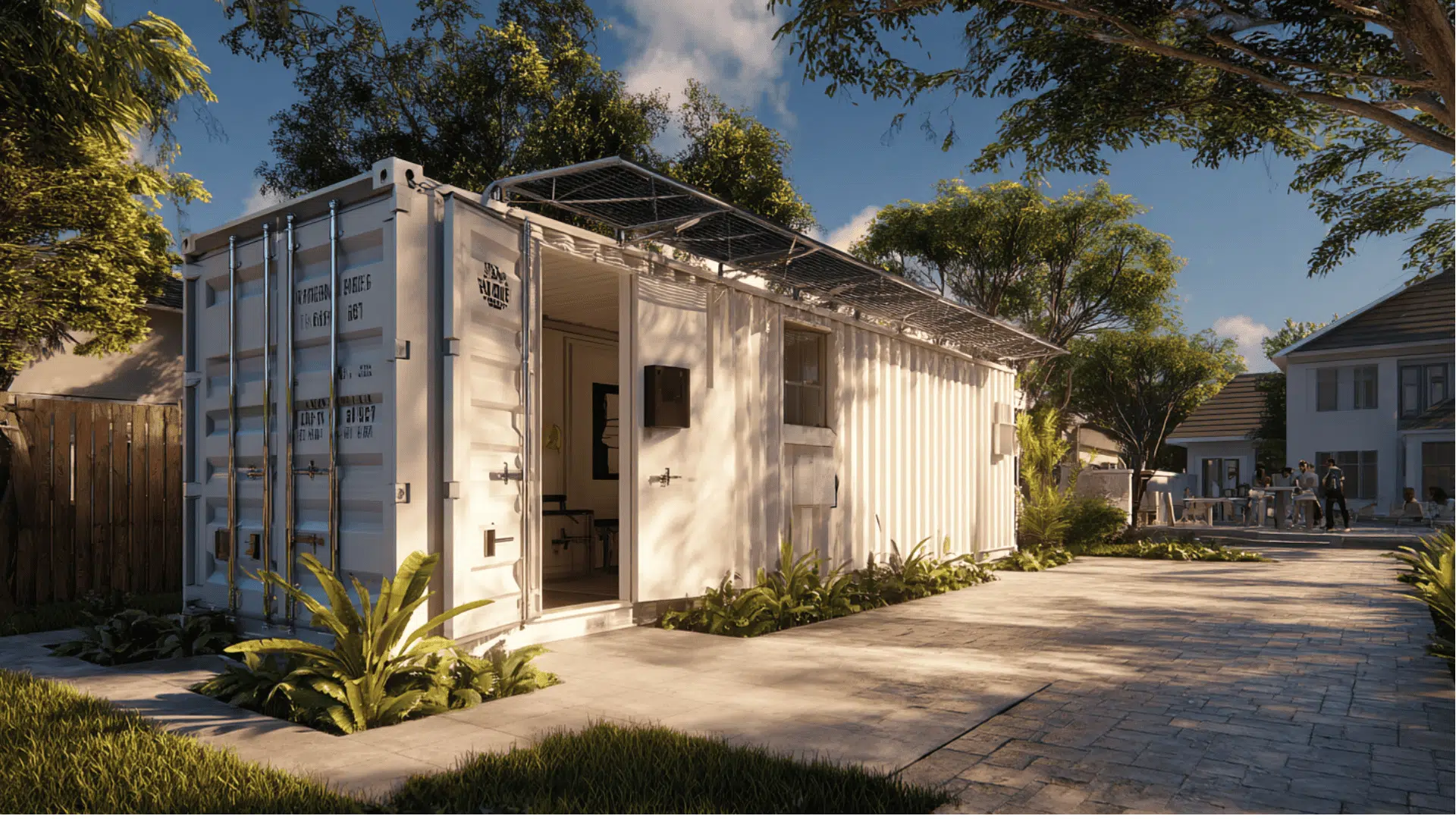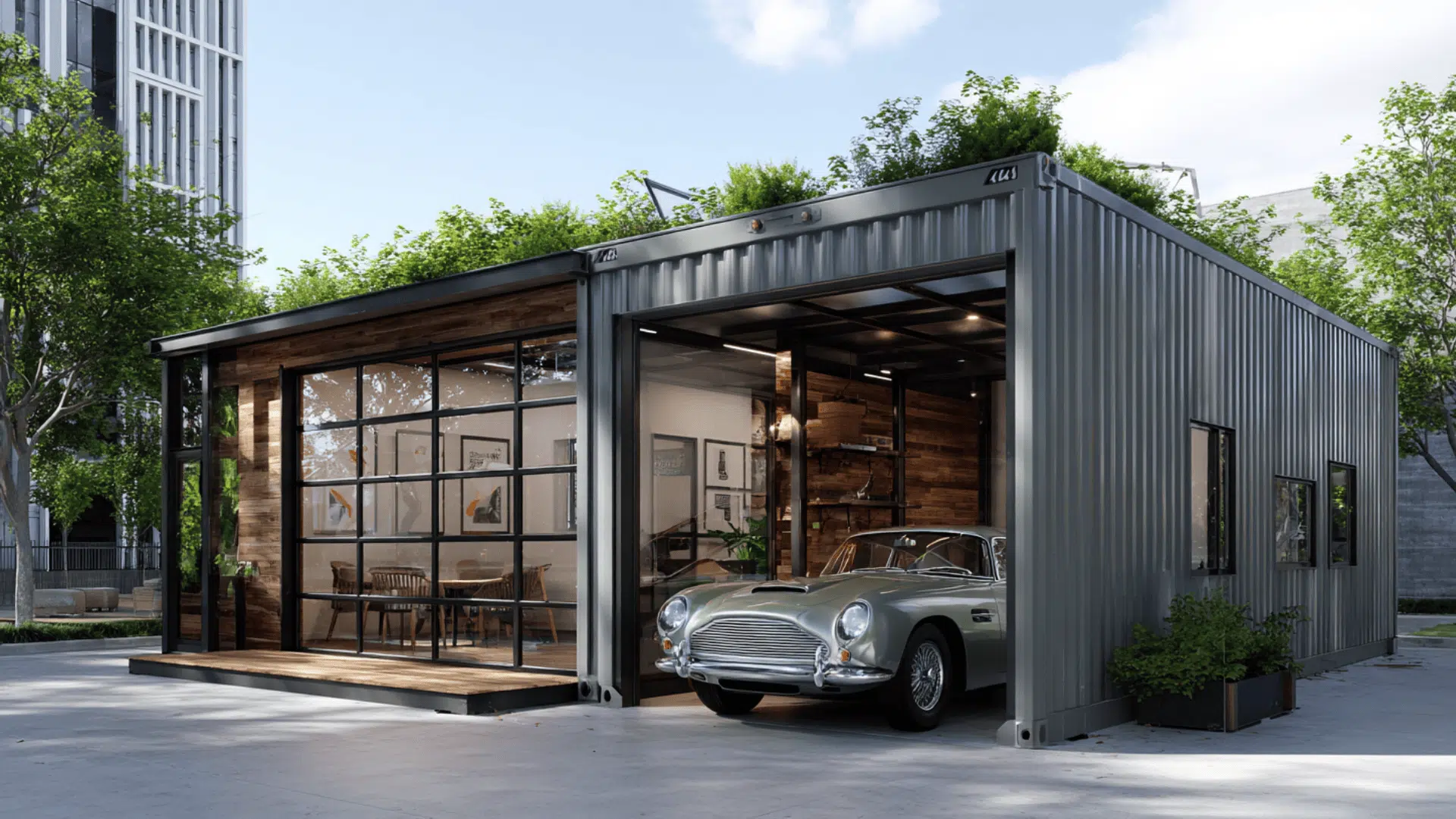
Luxury shipping container homes keep showing up in more places now, and it’s easy to see why. They feel solid, they look sharp, and they give you a lot of freedom in how you set them up.
What surprises most people is how different each build can be once you start choosing layouts, finishes, and long-term upgrades. The space doesn’t feel prefab when it’s done well. It feels intentional.
In this guide, I’ll walk you through the details that shape comfort, cost, design, durability, and the overall experience of owning one of these homes. You’ll see what actually matters before you build and what’s worth paying attention to early.
Now let’s look at what makes a container home feel truly high-end.
What Makes a Shipping Container Home “Luxury”?
A luxury container home usually comes down to better materials, cleaner design, and a setup that feels smooth to live in. Nothing squeaks. Nothing feels temporary. The space looks finished, not improvised.
High-end materials matter right away. Solid flooring. Larger windows. Quality appliances. Fixtures that don’t feel hollow. When the basics feel good, the whole home feels better.
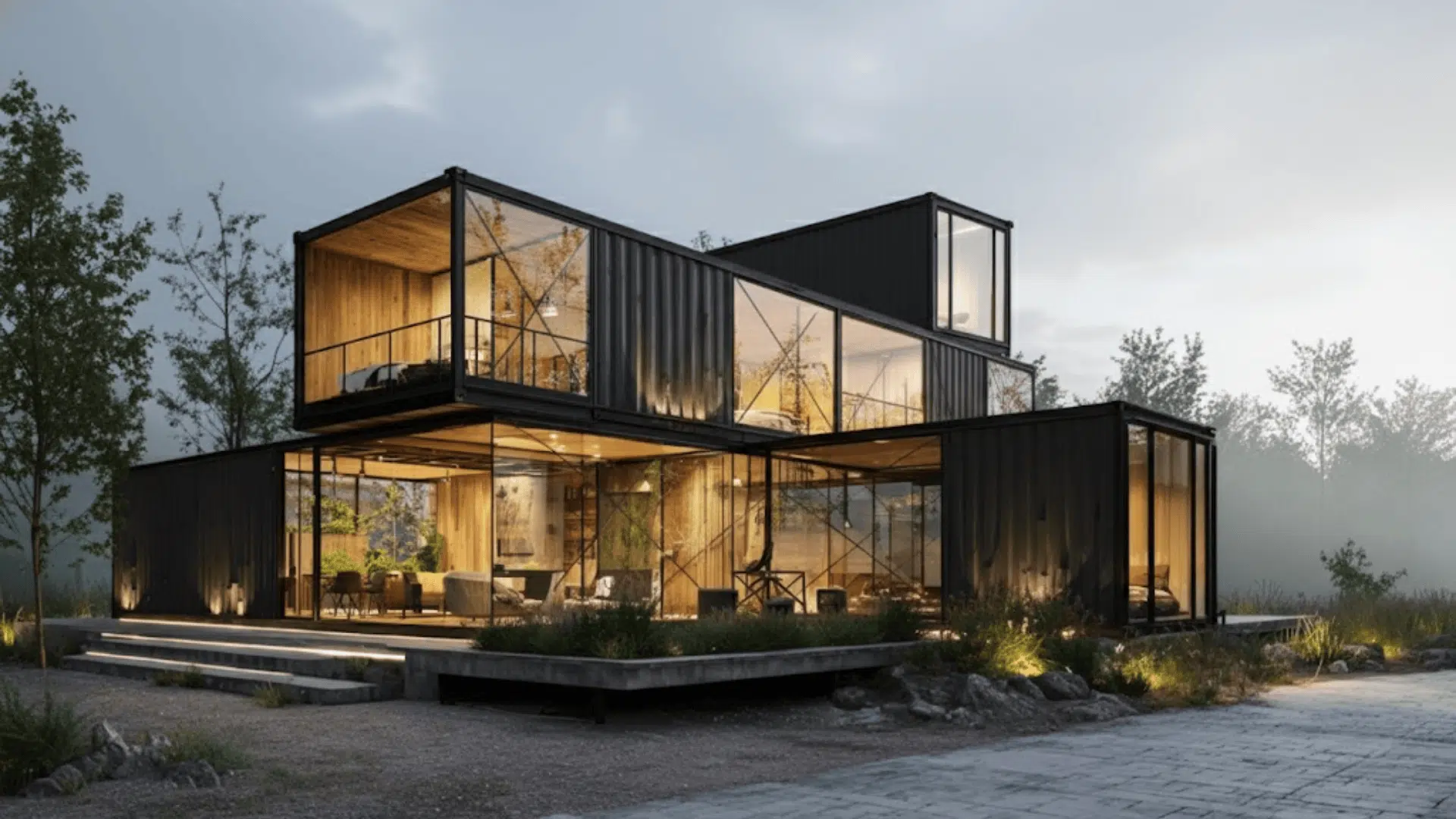
Design plays a big role too. Multi-container layouts open things up. Cantilevered sections add space without adding footprint. Rooftop decks give the home a real outdoor area instead of a small step or platform. Good layouts keep the home from feeling tight or awkward.
Tech upgrades help more than people expect. Simple automation for lighting or climate keeps things easy. Stronger energy systems keep the place running without hiccups.
Off-grid features round things out. Solar, battery storage, and rainwater setups make the home more independent. You get more reliability and fewer surprises.
Luxury Container Home Costs
Prices vary a lot depending on size, features, and how finished the home is. Some prefab units look nice but are simple inside. Custom builds can feel more refined but cost more. Getting a clear sense of what things cost helps you plan without surprises.
1. Price Ranges for 20ft vs. 40ft Models
Smaller 20-foot units usually come in lower. You might see them listed under $30,000 with basic finishes. Bigger 40-foot models with nicer touches move into higher ranges. Some examples from listings:
- Bob’s Containers models often sit toward the higher end for 40-foot builds that come with lots of features.
- Chomex Corp offers a range that can feel affordable but still modern.
- Kozzi Space Containers has options with multiple bedrooms and decent finishes at various price points.
Listing prices don’t tell the whole story, but they give a sense of where things start.
2. Custom Builds vs. Prefab Costs
Prefab means a lot is done before it reaches your site. That usually keeps costs tighter, especially on labor. You pay for quality materials and finishes, but assembly and design usually come with less premium.
Custom projects are different. You pay for design time, structural changes, bespoke finishes, and more hands-on labor. That adds up fast. Insulation choices, built-in features, and layout tweaks all affect price. Delivery costs also move around based on distance and site access.
3. Hidden Costs Most Buyers Miss
There are costs that don’t show up in the headline price:
- Permits required by local codes.
- Foundations like concrete pads or piers.
- Transport costs to get containers to your land.
- Crane time to place and secure containers.
These add up and can change what you thought was affordable into something heavier on the budget.
4. Cost Comparison Chart
| Model Type | Size | Base Price | What’s Included | Extra Costs to Expect |
|---|---|---|---|---|
| Basic 20ft Unit | 20ft | $15,000–$30,000 | Simple finishes, basic insulation, standard windows | Permits, foundation, delivery, crane |
| Basic 40ft Unit | 40ft | $30,000–$60,000 | Standard layout, mid-grade finishes | Transport distance, utility hookups |
| Bob’s Premium 40ft Models | 40ft | $80,000–$110,000+ | Higher-end finishes, upgraded windows, better appliances | Foundation, crane, land prep |
| Chomex Expandable Homes | 40ft expandable | $40,000–$55,000 | Fold-out panels, larger interior footprint | Electrical setup, plumbing connections |
| Kozzi Multi-Unit Builds | 3-container sets | $100,000–$180,000+ | Multi-bedroom layouts, upgraded cladding, full interiors | Structural engineering, septic/well, extended crane time |
| Custom Architectural Build | 1–6 containers | $150,000–$400,000+ | Full design, premium materials, unique layouts | Design fees, site survey, permits, full utility installation |
Floor Plans & Luxury Design Ideas
Most luxury container homes aim for a layout that feels open and easy to move through. Good design keeps everything simple and comfortable, and the style you choose shapes how the home feels once you’re inside.
Popular 1–3 Bedroom Floor Plans

One-bedroom layouts usually fit into a single forty-foot container. The living area and kitchen share the same stretch, and the bedroom sits in a quieter corner. It feels straightforward and calm.
1. One-Bedroom Layouts
A single forty-foot container is usually enough for a one-bedroom home. The bedroom sits at one end, giving privacy, while the rest of the space stays open for living, dining, and cooking. With smart window placement and minimal walls, the layout feels balanced and surprisingly comfortable.
2. Two-Bedroom Layouts
Two-bedroom container homes often place bedrooms on opposite ends of the unit or units, with a shared living space in the center. This layout helps reduce noise and creates a sense of separation. Even in a compact footprint, the space feels more functional and less crowded.
3. Three-Bedroom Layouts
Three-bedroom designs usually require multiple containers. This allows for hallways, split wings, or separate zones for sleeping and living. The result feels closer to a traditional home, with defined rooms and better flow, rather than a long open box.
Modern, Minimalist, Industrial, and Rustic Styles

Each style changes the whole atmosphere of the space, even when the floor plan doesn’t move much.
4. Modern
Modern container homes focus on clean lines, large windows, and simple finishes. Light colors and open layouts help the space feel bigger and less boxed in. This style works well for container builds because it emphasizes brightness and flow without relying on heavy details or decoration.
5. Minimalist
Minimalist container homes keep things simple and intentional. Storage is built in where needed, and decoration stays limited. The focus is on open space, natural light, and function. This style works well in containers because it avoids visual clutter in a compact layout.
6. Industrial
Industrial container homes lean into the structure instead of hiding it. Exposed metal, darker finishes, and sharper lines are common. This style keeps some of the container’s original character while adding modern touches, making the space feel bold, intentional, and less like a traditional home.
7. Rustic
Rustic container homes soften the metal structure with wood, warm lighting, and natural textures. This contrast changes the entire mood of the space. Even with the same layout, rustic finishes can make the home feel warmer, more relaxed, and less industrial overall.
Indoor–Outdoor Features

Outdoor spaces make the home feel larger and give you places to sit that aren’t inside the container footprint.
8. Deck Options
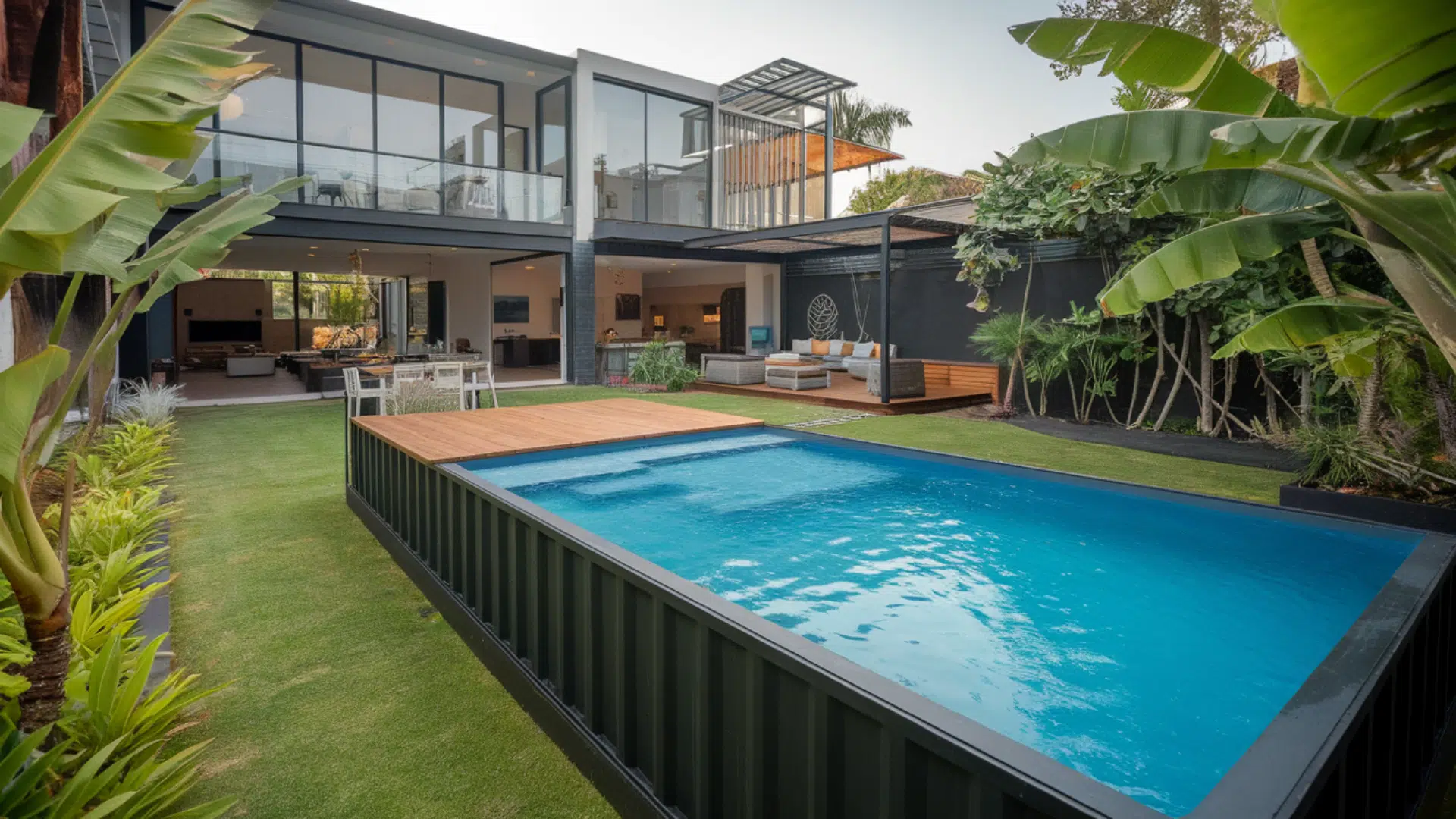
Decks extend the living space beyond the container walls. A front deck or upper deck creates a natural transition between indoors and outdoors. It also makes the home feel larger by adding usable space without increasing the container footprint.
9. Hot Tub or Fire Pit Zones
Some luxury container homes include dedicated outdoor areas for a hot tub or fire pit. These zones don’t take up interior space but add comfort and function. They’re often placed near decks or patios to keep the layout simple and practical.
10. Exterior Cladding Choices
Cladding plays a big role in how a container home looks. Wood, metal, or composite panels can completely change the exterior. The right choice makes the home feel more finished and intentional, helping it blend better with its surroundings.
Multi-Container Mega Builds

Larger homes that use four, five, or six containers create layouts that feel closer to a full-size house.
11. Four-Container Layouts
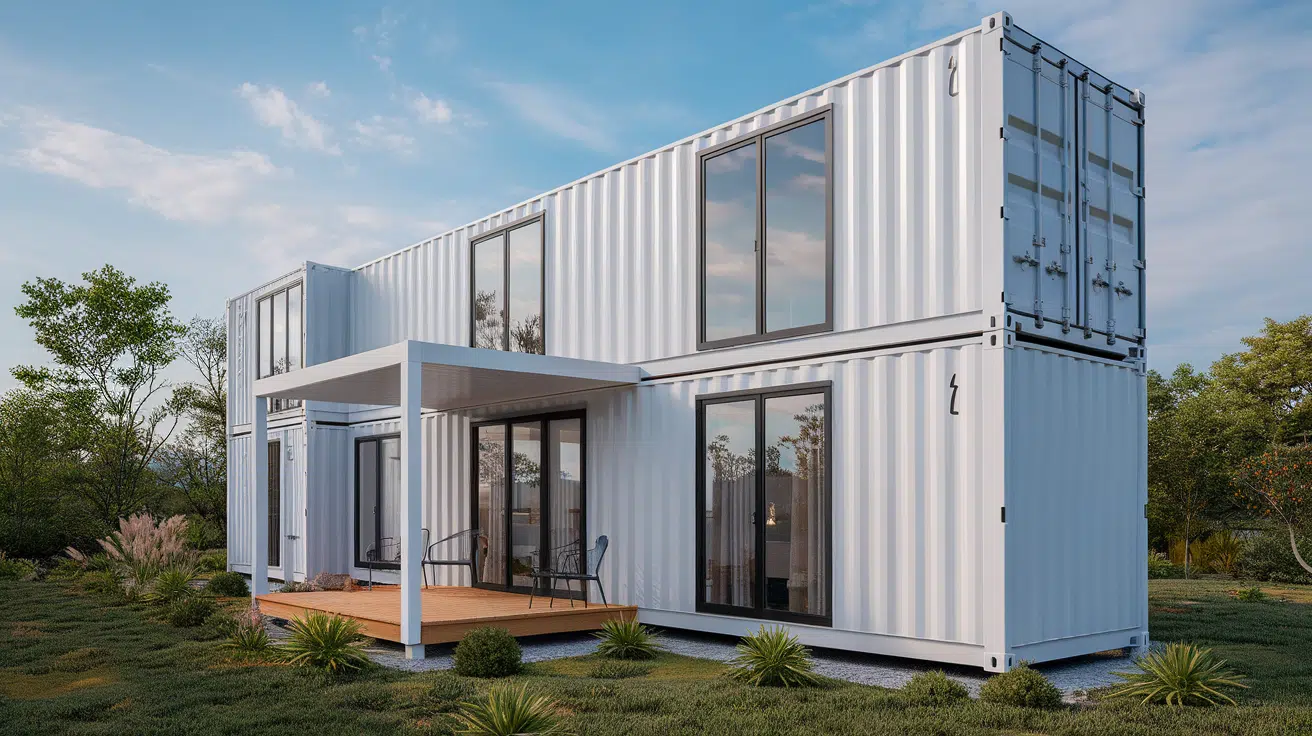
Four-container homes often use a stacked design. Two containers form the base, with two more on top. This creates a clean two-story layout with better separation between living and sleeping areas, while still keeping a compact footprint.
12. Five-Container Layouts
Five-container designs allow more flexibility. Builders can extend living spaces, add extra rooms, or create unique shapes. This layout gives more freedom without making the home feel scattered, especially when the containers connect around a central space.
13. Six-Container Layouts
Six-container homes feel close to full-size houses. Designers can add split wings, large common areas, or rooftop decks. At this scale, containers stop feeling restrictive, and design choices matter more than the limitations of the structure itself.
How Durable are Luxury Shipping Container Homes?
Container homes hold up well because the core structure is already built for heavy use. The upgrades around that steel frame decide how comfortable and long-lasting the home feels day to day.
1. Structural Strength of High-Cube Containers
High-cube containers are made to stack while fully loaded, so the corners carry huge weight without bending. That same strength stays in place after conversion.
Openings for windows and doors get reinforced, so the frame doesn’t lose integrity. The result is a home that feels settled and doesn’t shift much over time.
2. Insulation and Climate Control
Insulation changes everything. Spray foam seals the interior and handles moisture well, which keeps temperatures steady. Rockwool offers cleaner sound control and works nicely in framed cavities.
HVAC units usually sit in a utility corner or along a long wall, so air moves evenly through the space. A good setup keeps the home stable in most climates.
3. Weather Resistance
The steel shell deals with strong winds better than wood framing. With proper anchoring, the home stays steady during storms.
Snow load depends on the roof you add. A pitched roof handles weight better than a flat one. In earthquake zones, the container’s built-in flexibility helps it absorb movement without cracking.
4. Maintenance Requirements
Upkeep stays simple. The exterior needs occasional checks for rust around cut edges. A quick touch-up or seal keeps it under control.
HVAC filters need replacing. Roof areas and gutters deserve a look after heavy weather. Most owners say the maintenance feels lighter than a traditional house because the structure doesn’t warp or swell.
Customization Options (Complete Guide)
Here’s where most of the upgrades happen and how they change the feel of the home.
- Interior customization covers cabinets, layout tweaks, and finishes. These choices decide how the space feels day to day and whether it leans modern, warm, or more minimal.
- Exterior options include cladding, roof styles, and porch additions. These shift the look of the home and affect how well it handles different weather.
- Utility add-ons cover solar, battery storage, water systems, and septic setups. These upgrades make the home more independent and cut down on outside reliance.
- Expandable models open up on-site to create more room without adding more containers. Standard containers keep their fixed size but stay stronger and easier to maintain.
Are Luxury Container Homes Legal Where You Live?
A lot of the approval process depends on your city and county. Some places welcome container homes. Others make the process slow or limit where they can be placed.
The rules aren’t complicated once you know where to look, but every area handles them a little differently.
1. Zoning Laws & Local Restrictions
Zoning decides whether you can place a container home on a specific piece of land. The easiest way to check is through your county’s planning department.
Most cities have an online zoning map where you can search by address. From there, you look for what’s allowed on that parcel. Some zones treat container homes like modular homes, which makes things easier. Others require a full review to make sure the structure fits the neighborhood.
2. Permits Required
Permits follow the same pattern as any other home. Electrical and plumbing both need sign-off from licensed inspectors.
The foundation usually needs approval too, whether you’re using piers, a slab, or a hybrid setup. Once the structure is anchored and utility-ready, the final inspection clears the home for occupancy.
3. HOA Rules and Land Requirements
HOAs can be stricter than cities. Some won’t allow any type of modular or alternative home. Others allow container builds but require specific exterior finishes so the home matches the neighborhood.
Land requirements also matter. Smaller lots might limit multi-container layouts or certain add-ons like porches or decks.
4. States/Areas More Container-Home Friendly
Some states move smoother than others. Rural counties tend to be the most flexible. Areas with active tiny-home or modular-home communities also make approvals easier because the process is already familiar.
Places with strict aesthetic rules or dense urban zoning usually add more steps. It comes down to how comfortable the local offices are with nontraditional housing.
Choosing the Best Shipping Container Home Builder
Picking the right builder matters more than most people expect. A good one makes the whole process smooth. A bad one leaves you fixing problems you didn’t plan for.
How to Evaluate a Builder
A solid builder stays transparent about pricing, timelines, and what’s included. You should know exactly what you’re paying for before anything starts.
Certification matters too. Builders who follow modular or residential building standards usually deliver cleaner, safer work.
Warranty coverage is another clue. Strong warranties show confidence in the build and protect you if anything settles or shifts after setup.
Comparison Table of Popular Builders
| Builder | What They’re Known For | Who They Fit Best |
|---|---|---|
| Bob’s Containers | Higher-end finishes and more complete models | Buyers who want a polished home delivered mostly ready |
| ROXBOX | Strong structural work and custom shells | Buyers who want to design their own layout from a solid base |
| Custom Container Living | Consistent prefab layouts with good durability | Buyers who want a simple, reliable design without heavy customization |
| Containing Luxury | Clean designs and smaller footprint homes | Buyers looking for compact luxury setups |
| Kozzi Space Containers | Multi-unit layouts and larger footprints | Buyers who want more bedrooms and bigger interior space |
Delivery, Setup, and Installation of Shipping Container Homes

Getting a container home on-site comes down to preparation and clear access. When those pieces are handled early, the rest feels simple.
- Site prep starts with clearing the land, leveling the ground, and marking the layout. Builders check soil conditions to confirm whether you need a slab, piers, or concrete pads.
- Utility stubs get planned before delivery. That includes electrical conduit, water lines, and septic placement so everything lines up once the home is set down.
- Access roads matter. Trucks need room to turn, and low branches or soft ground can slow everything down. Most builders do a quick access check before scheduling transport.
- Crane placement gets mapped out ahead of time. The crew needs a stable surface, enough reach, and no overhead obstacles like power lines or tree limbs.
- Delivery usually happens in one trip unless the home uses multiple containers. Each unit gets lifted, positioned, and anchored to the foundation.
- Once the home is placed, the builder seals the seams, tightens anchors, and checks the frame to make sure everything settled correctly.
- Utility hookups follow right after. Electricians, plumbers, and HVAC techs finish their connections so the home becomes fully livable.
- Final inspections confirm the foundation, electrical work, plumbing, and structural placement. After that, move-in happens pretty quickly.
Financing & Long-Term Value
The long-term outlook matters just as much as the upfront build. How you pay for the home, protect it, and eventually benefit from it shapes the overall value.
1. Financing Options
Banks are slowly becoming more comfortable with container homes, but approval still depends on the area.
Some lenders treat them like modular homes if the structure meets local building codes. Personal loans work when you want fewer restrictions, though the rates are usually higher.
Specialized lenders focus on alternative housing and move faster because they already understand the process. Most buyers end up comparing all three before choosing.
2. Insurance for Container Homes
Insurance depends on how the home is classified. Once it’s on a permanent foundation and passes inspections, many companies insure it like a traditional home.
Some areas require extra coverage for wind or flood zones. The more finished and compliant the build is, the easier the process becomes.
3. Resale Value & Market Trends
Resale value is climbing as more people look for smaller, efficient homes that still feel modern. Well-built models with clean finishes hold value better than rushed conversions.
Multi-container homes tend to perform strongest because they feel closest to standard residential layouts. Areas with active short-term rental markets also boost demand.
4. Airbnb Income Potential for Luxury Units
Luxury units do well on rental platforms because they stand out. Clean designs, strong amenities, and outdoor features bring higher nightly rates.
Unique builds like multi-container layouts or homes with rooftop decks often rank higher in search results.
In the right location, a single unit can outperform a traditional tiny home because of the upgraded feel and better photo appeal.
Wrapping Up
A luxury shipping container home works best when everything feels balanced. The structure gives you strength, and the upgrades shape the comfort.
What really stands out long-term is how flexible these homes are. You can start small, expand later, or build in stages without losing the overall look.
That freedom makes the idea practical for more people than you’d expect. If you plan carefully and work with a builder who communicates clearly, the process stays predictable from start to finish.
Luxury shipping container homes keep growing in demand because they offer stability without the usual waste. If you’re ready to explore your own build, now’s a good time to start the next steps.