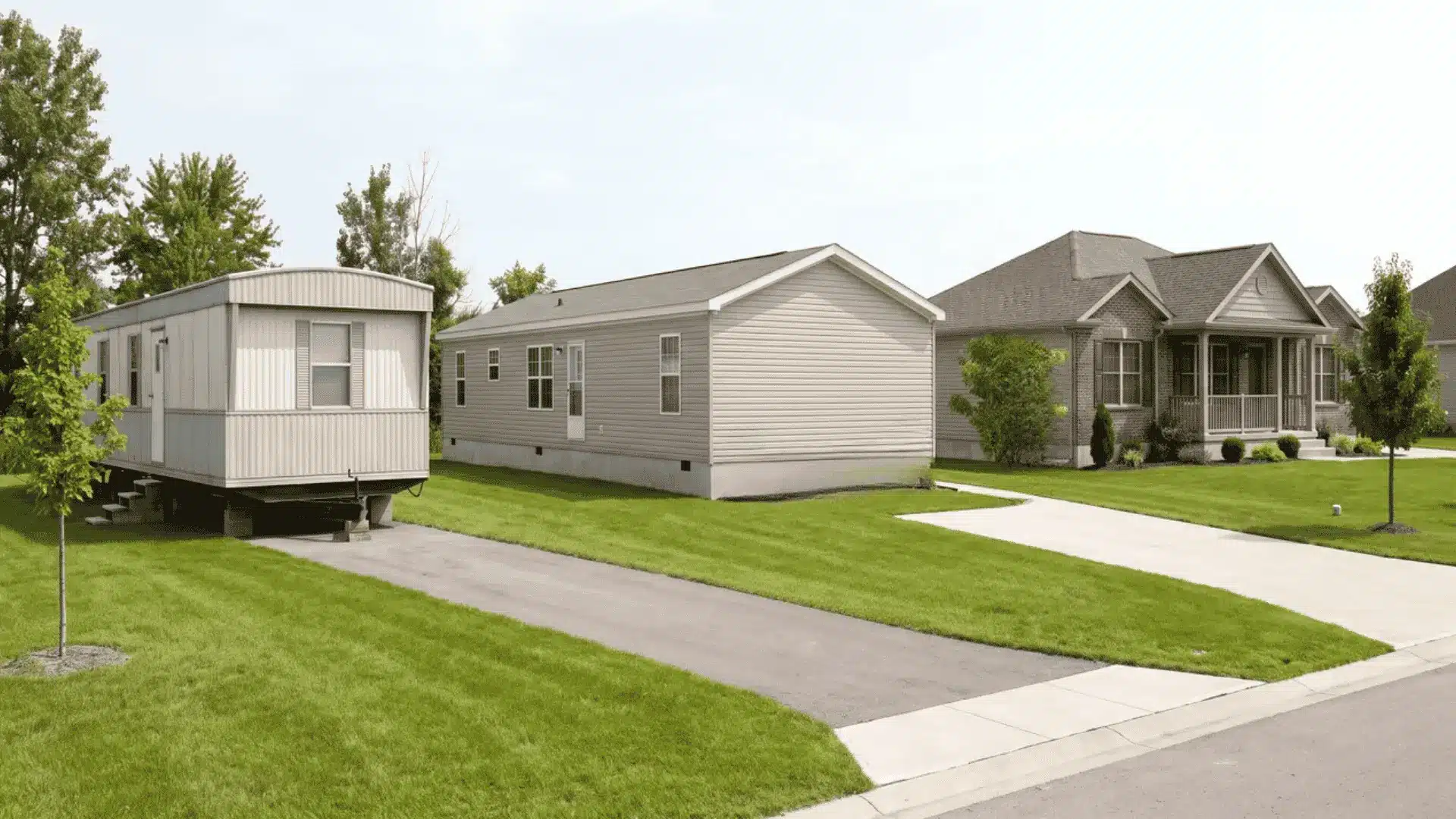
Ask ten people is a manufactured home a mobile home, and you’ll get ten different answers, most of them are half right.
The terms get used interchangeably in conversation, on listings, even by some agents who should know better. But there’s a specific legal line separating the two.
It comes down to a date, a federal code, and rules most people never think to check. Get it wrong and you could face financing surprises or paperwork headaches you didn’t see coming.
Here’s what actually separates these two home types, what it means for financing and ownership, and where the rules get more complicated than a simple date.
Is a Manufactured Home a Mobile Home?
A lot of people assume manufactured and mobile homes are two completely different products. They’re not, both are built in a factory, both sit on a permanent steel chassis before they’re moved to the final site.
I used to think “manufactured” was just a fancier sales term for the same old trailer, turns out, the real split comes down to one date.
| Feature | Mobile Home | Manufactured Home |
|---|---|---|
| Build date | Before June 15, 1976 | On or after June 15, 1976 |
| Federal standard | Built before the HUD Code existed | Built under the federal HUD Code |
| Construction rules | No consistent federal construction standards | Must meet federal safety and construction standards |
| Building method | Built in a factory and transported to a lot | Built in a factory and transported to a lot |
| Main difference | Older legal classification | Newer regulated classification |
| Terminology | Not simply an outdated name | Not simply a modern name for a mobile home |
Structural and Regulatory Differences
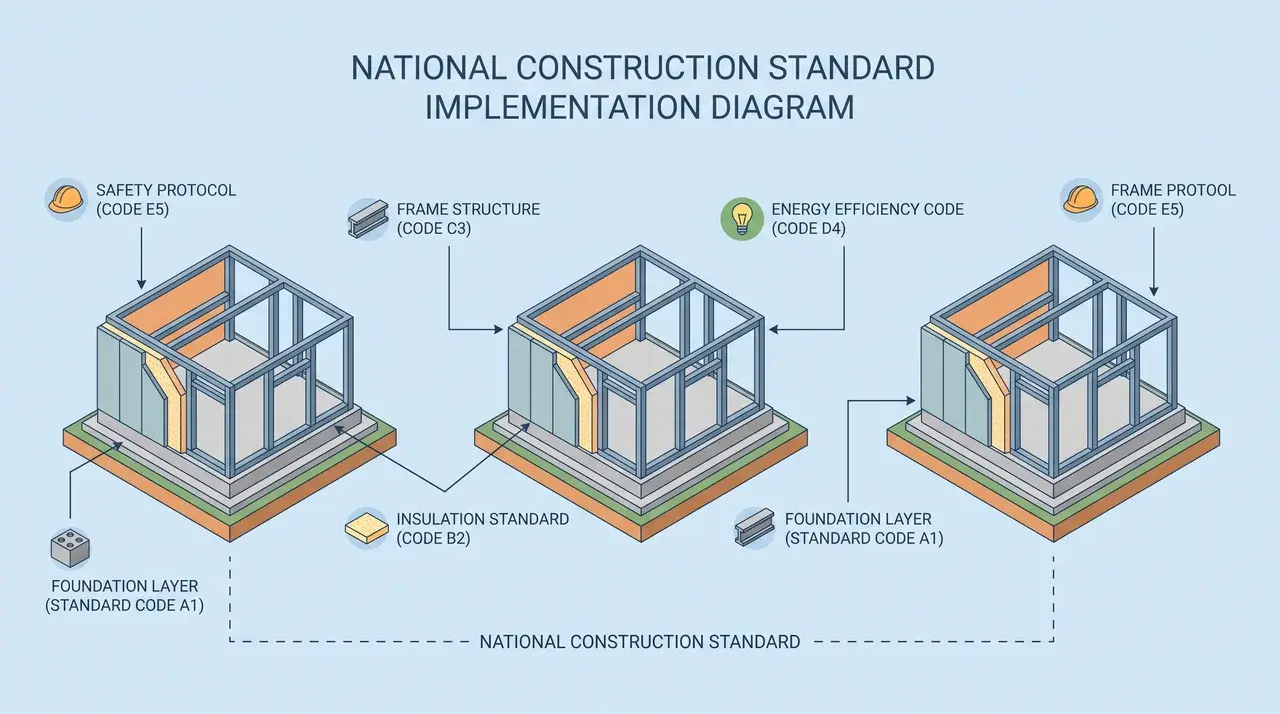
The June 15, 1976 cutoff introduced more than a new name. It created one federal construction standard for every manufactured home built in the United States.
Before the HUD Code, factory-built homes followed state or local requirements. Standards could change depending on where the home was built.
After the code took effect, manufacturers had to meet the same minimum rules across the country.
What Does the HUD Code Cover?
The HUD Code sets requirements for several parts of a manufactured home:
- Structural strength and stability
- Fire resistance and occupant safety
- Heating, cooling, and ventilation
- Plumbing and electrical systems
- Energy efficiency
- Protection during transportation
- Design for specific wind, roof-load, and climate zones
Each manufactured home must also display a HUD certification label. The label confirms that the home met the federal standard when it left the factory.
States and local governments can still control where the home is placed. They may also set rules for foundations, permits, zoning, utility connections, and site preparation.
However, they cannot replace the federal construction standard with weaker local rules.
Practical Differences That Affect Owners and Buyers
The difference between a mobile home and a manufactured home becomes more important when you apply for financing, review the title, or insure the property.
A manufactured home may qualify for a standard mortgage, but only when it meets the lender’s rules. The foundation, title, land ownership, age, and condition can all affect approval.
Older mobile homes are harder to finance through a traditional mortgage. They are often treated as personal property and financed with a chattel loan instead.
| Area | Mobile Home | Manufactured Home |
|---|---|---|
| Common financing | Often financed with a chattel or personal property loan | May qualify for a standard mortgage |
| Interest and loan terms | Often higher rates and shorter repayment periods | Mortgage rates and longer terms may be available |
| Title type | Usually titled as personal property | May be titled as personal or real property |
| Foundation | Often lacks a mortgage-qualifying permanent foundation | May be installed on a permanent foundation |
| Land ownership | Home and land are often owned separately | Home and land may be financed together |
| Insurance options | Coverage may be limited by age and condition | More standard manufactured home policies may be available |
| Resale process | Smaller buyer and lender pool | Easier to sell when title and foundation requirements are met |
A post-1976 build date does not guarantee mortgage approval. A manufactured home can still be treated as personal property if it sits on rented land or lacks a qualifying foundation.
The title matters just as much. Converting a home from personal property to real property may require a permanent foundation, land ownership, inspections, and updated state records.
Important: Ask the lender how it classifies the home before making an offer. The listing description may not match the title, foundation records, or financing category.
How to Tell Which One You Own
You do not need to rely on the listing description or what a previous owner called the home. A few records can usually give you a clearer answer.
- Find the data plate: Check near the electrical panel, inside a cabinet, or in a utility area. It may show the manufacturer, model, serial number, and construction date.
- Look for the HUD certification label: Manufactured homes built after June 15, 1976, should have a metal HUD label attached to the exterior. Each section of the home usually has its own label.
- Confirm the construction date: A home built before June 15, 1976, is generally considered a mobile home. A home built on or after that date is a manufactured home.
- Review the title: Check whether the home is titled as personal property or real property. This can affect financing, taxes, and resale.
- Check the foundation records: Find out whether the home sits on a permanent foundation. This may help it qualify for certain mortgage programs.
- Review state and county records: Contact your county assessor, state housing office, or motor vehicle department. They may use different terms on official documents.
- Compare all records: Do not rely on one label alone. Check the build date, HUD label, title, and foundation records together.
Practical tip: Check the data plate, HUD label, title, and foundation records together. One document rarely tells the full story.
When the Terminology Does Not Follow the Federal Rule
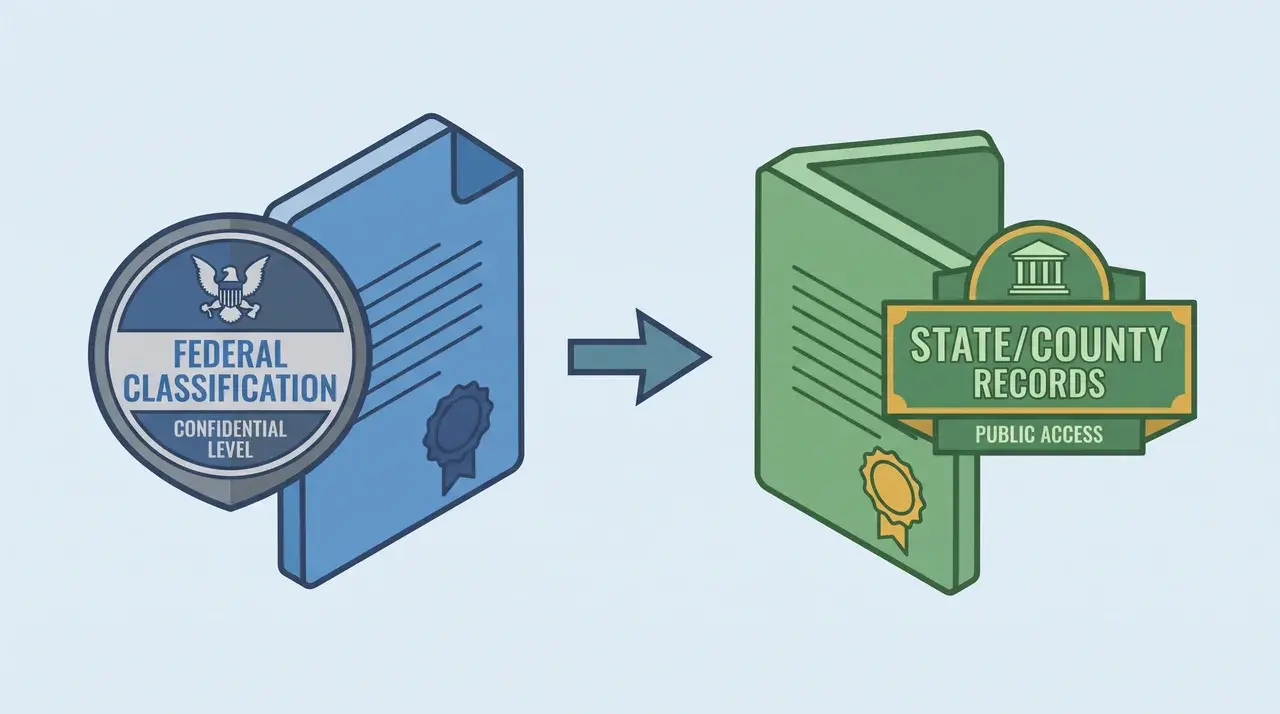
The federal date rule is clear, but states do not always use the same labels. That is where much of the confusion starts.
Some state housing authorities use “manufactured home” as a broad legal or tax category. Their definition may include homes built before June 15, 1976.
That means a home classified as a mobile home under federal rules may still appear as a manufactured home on state or county records.
This difference often causes problems during closing, insurance applications, refinancing, or title transfers. Owners may not notice the mismatch until paperwork is already underway.
Do not assume your county assessor or state housing office follows the federal wording. Check the state definition before you buy, insure, sell, or refinance the home.
The federal rule tells you which construction code applied. State and local records tell you how the home is classified for the transaction.
Wrapping Up
So, is a manufactured home a mobile home? Not exactly, and the difference matters more than most people realize.
One federal code, effective in 1976, split these two categories apart for good reason. It standardized construction quality nationwide and reshaped how these homes get financed.
But the story doesn’t end with the federal rule. Your state’s definition can override what you’d expect based on build date alone, that’s the detail most buyers and owners miss until it costs them time or money.
Before you buy, insure, or refinance, check the data plate, confirm your foundation type, and verify your state’s classification directly.
Do that groundwork now, and you’ll avoid the confusion this article just walked you through.
Frequently Asked Questions
What is the downside to a manufactured home?
Manufactured homes can lose value faster than traditional site-built homes, especially if they are not installed on a permanent foundation. Financing may also be harder to obtain, with higher rates or fewer options. Community rules, lot rent, and location can also affect resale value.
What is the difference between mobile home and manufactured?
The main difference is when the home was built. Homes made before June 15, 1976, are considered mobile homes, while those built after must follow HUD construction standards and are classified as manufactured homes. This difference affects safety standards, financing options, and how the home is legally treated.
What is the lifespan of a manufactured home?
A properly maintained manufactured home usually lasts around 30 to 55 years, depending on materials, climate, and upkeep. Homes installed on permanent foundations and protected from moisture often last longer. Regular care of the roof, plumbing, skirting, and foundation can extend the home’s usable life.
How do I know if I have a mobile home or manufactured home?
Check the HUD certification label, a small metal plate usually located near the electrical panel or on the home’s exterior. It lists the manufacture date and confirms HUD Code compliance. No label typically means the home predates 1976 and is legally classified as a mobile home.