An outdoor roof system can turn an exposed patio or deck into a space you can use more often. It can provide shade on hot days, shelter during light rain and a more comfortable setting for dining, relaxing or entertaining.
However, the right result depends on more than choosing a style you like. The size, location, drainage, materials and way the structure connects to your home all affect how well it performs. Here is what to look at before installing an outdoor roof system.
Define How You Want to Use the Space
Start by deciding what you want the covered area to do. A roof over an outdoor kitchen may need different features from one covering a poolside lounge area, a family dining table or a quiet reading corner.
Think about how many people usually use the space and what furniture needs to fit beneath the roof. Leave enough room for chairs to move, doors to open and people to walk safely between the house, garden and outdoor entertaining area.
Make a simple list of priorities before comparing products:
- Shade from strong sun
- Shelter during light rain
- Fresh air and natural light
- Space for dining or outdoor seating
- Privacy from neighbouring properties
- Lighting, fans or heating
- Clear access to doors, pathways and gardens
A clear purpose will help you choose a roof system that supports your lifestyle instead of simply filling an empty part of the backyard.
See How a Louvered Pergola Can Work
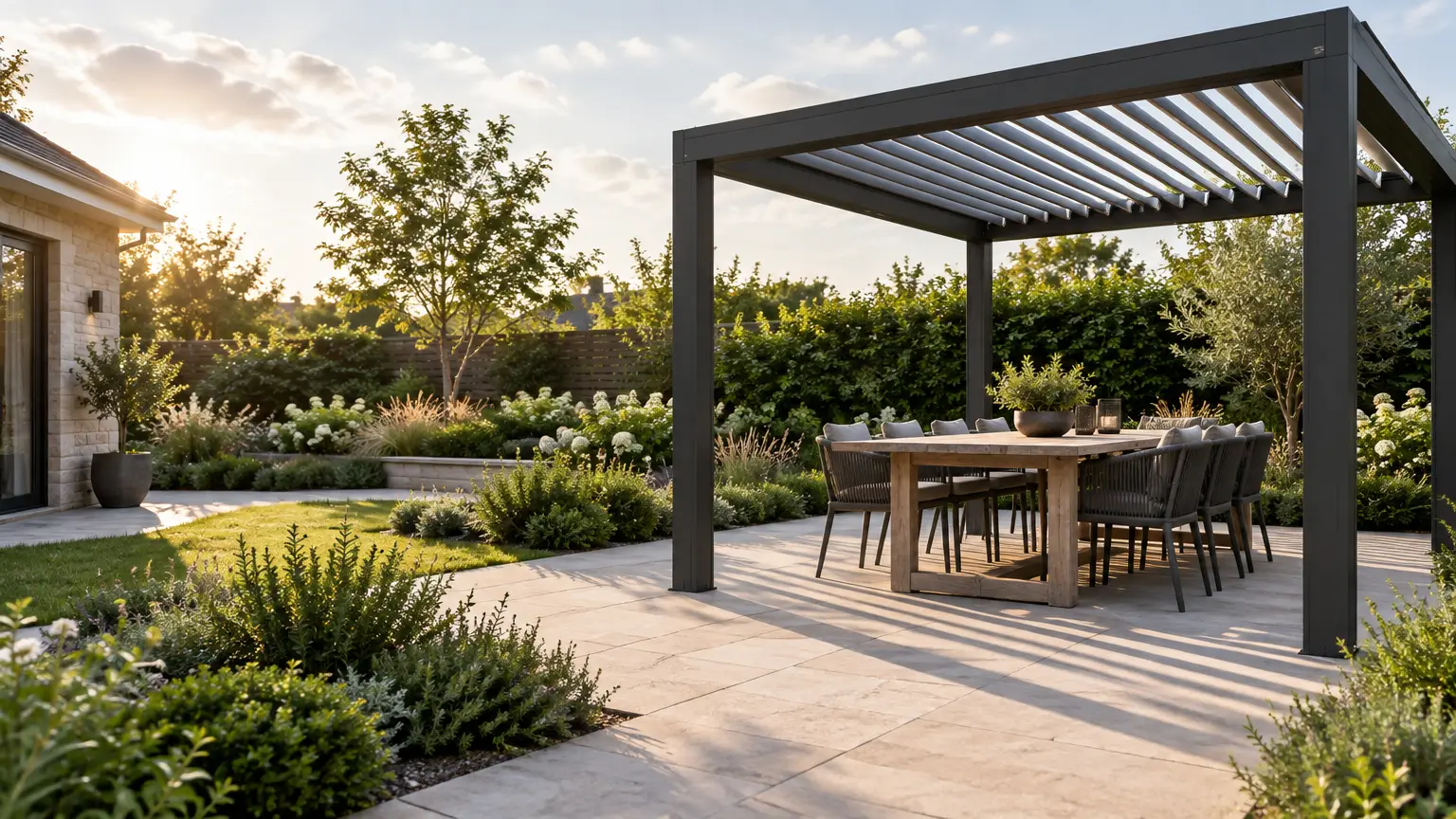
A louvered pergola has adjustable roof blades that allow you to change the amount of sun, shade and airflow entering the outdoor area. You can open the blades on mild days and close them when you need more cover.
A louvered pergola can suit patios, decks, outdoor kitchens and dining areas because it gives you greater control over changing weather. Rather than having permanent shade at all times, you can adapt the roof to the conditions and how you want to use the space.
Placement is important. Look at where the strongest afternoon sun reaches your backyard, how wind moves through the area and which parts of the home need shade. A well-positioned roof can improve comfort without unnecessarily blocking daylight from adjoining rooms.
Ask how the blade system operates, how water is managed when the roof is closed and how the structure will work with existing walls, paving, garden beds and outdoor furniture.
Choose a Design That Suits Your Home
An outdoor roof system should feel connected to the architecture and materials already on your property. Look at the roofline, external walls, window frames, paving, decking and garden style before choosing colours and finishes.
A modern home may suit a clean-lined structure with minimal framing, while another property may benefit from a finish that matches existing timber, brick or metal elements. The right design can make the outdoor area feel like a natural extension of the home.
Pergola kits can provide a starting point when comparing different outdoor roof options. Focus on the design’s suitability for your site, rather than selecting based only on a photo or sample.
Every backyard has different conditions. Sloping ground, tight access, large trees, nearby fences and existing structures can affect the size, support system and placement of the pergola.
Plan for Sun, Rain and Drainage
Sun direction has a major effect on how comfortable an outdoor roof will feel. A west-facing entertaining area may need more afternoon shade, while a sheltered courtyard may benefit from adjustable blades that allow more natural light and airflow.
A fixed roof gives constant cover, but it may make the area darker throughout the year. An adjustable roof can offer more flexibility by allowing you to change the level of shade as conditions change.
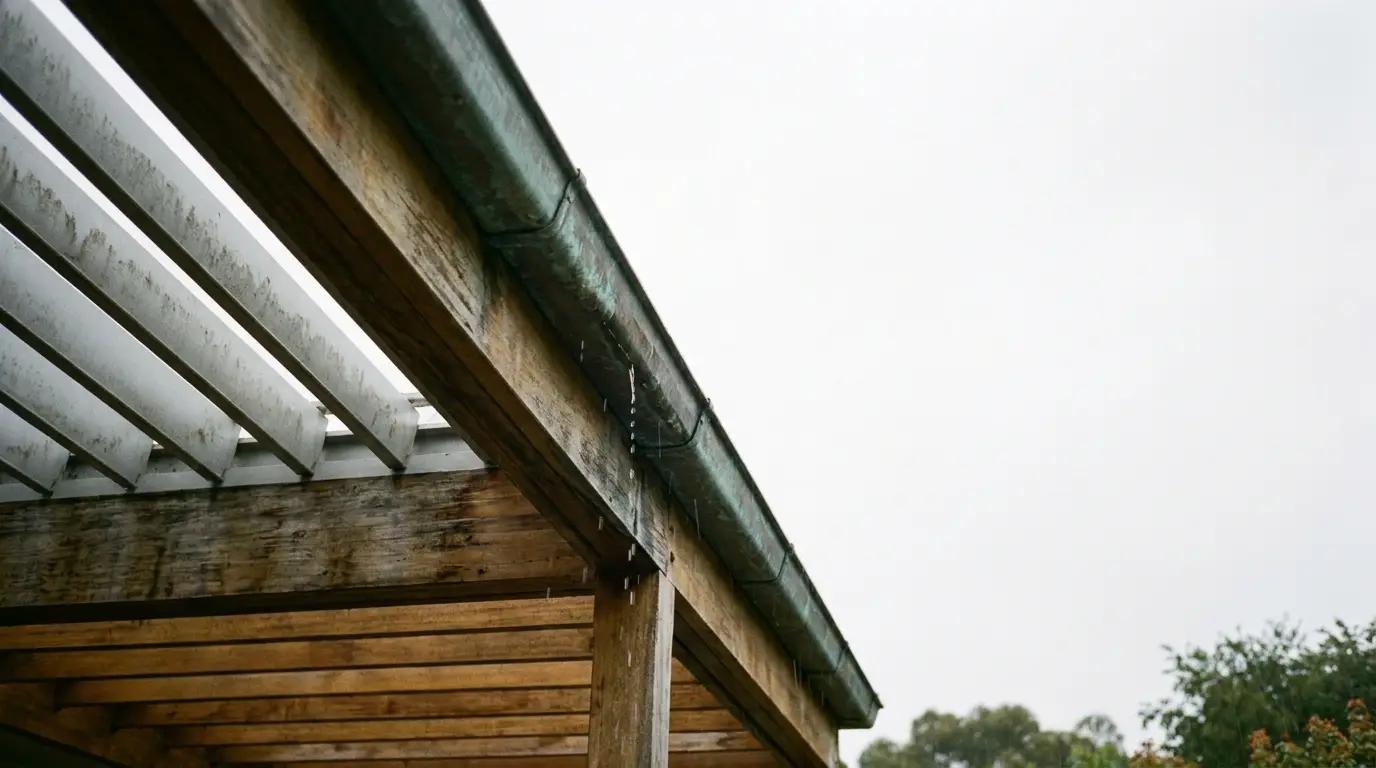
Rainwater needs a clear path away from the home and the covered area. Poor drainage can lead to water pooling near doors, paths or outdoor furniture. Discuss drainage before installation, especially if the roof will be close to a house wall, deck, pool or garden bed.
The installer should explain where water will go when the roof is closed and how the structure works during rain. This helps you understand what level of protection the system provides and how it will suit your backyard.
Check the Space and Structure
Outdoor roof systems need suitable supports and a stable installation area. The available space is not only about the roof size. It also includes access paths, footings, nearby structures, garden features and room for installation work.
If the pergola will attach to the house, the connection needs to suit the existing building. If it is freestanding, the support system needs to be planned for the ground condition and size of the structure.
Check for:
- Uneven ground or changes in level
- Existing drainage points
- Trees and overhanging branches
- Pool fencing and gates
- Windows, doors and eaves
- Boundary fences and neighbouring structures
- Access for installers and future maintenance
A site inspection can identify practical issues early. This helps prevent a layout that interferes with access, water flow or the normal use of your backyard.
Plan Lighting and Outdoor Features Early
An outdoor roof system can make a space more useful in the evening, but lighting should be planned before installation where possible. This allows cables, fittings and power points to be included neatly within the overall design.
Think about the activities that will take place under the roof. A dining area may need soft ambient lighting, while an outdoor kitchen or barbecue area may need brighter task lighting. Paths, steps and changes in level also need enough light for safe movement.
You may wish to include:
- Downlights or outdoor feature lighting
- Ceiling fans for improved airflow
- Outdoor heaters for cooler months
- Power points for appliances and charging
- Screens for privacy or wind protection
- Built-in seating or an outdoor kitchen
Planning these features at the beginning can create a more practical result and reduce the need for extra work later.
Keep Maintenance Manageable
An outdoor roof system needs basic care to keep it looking good and operating properly. Leaves, dust and debris can collect around roof blades, gutters and drainage channels, especially if the structure is close to trees.
Regular cleaning helps prevent blocked drainage and keeps the roof operating smoothly. The exact care needed will depend on the product, surrounding environment and weather exposure.
A simple maintenance routine may include:
- Removing leaves and debris from drainage areas
- Cleaning frames and roof blades as recommended
- Trimming nearby branches away from the structure
- Checking for visible damage after severe weather
- Watching for blocked gutters or water pooling
- Arranging service if moving parts stop operating correctly
Do not force adjustable roof blades if they become difficult to move. A professional can inspect the system and identify the cause.
Build an Outdoor Area You Can Enjoy More Often
The right outdoor roof system can make your backyard more comfortable, flexible and practical throughout the year. Start with how you want to use the space, then plan the structure around sun direction, drainage, access and the style of your home.
If you are planning an outdoor roof system, speak with Unique Pergolas about a design that suits your backyard. Get a free quote and create an outdoor area that works for everyday living and entertaining.
FAQs
What Is a Louvered Pergola?
A louvered pergola is an outdoor structure with adjustable roof blades. The blades can be opened to let in sunlight and fresh air or closed to provide greater shade and shelter. This gives you more flexibility than a fixed roof structure. A louvered pergola can suit patios, decks, outdoor kitchens and dining areas where changing weather affects how the space is used.
Can a Louvered Pergola Provide Shade from Afternoon Sun?
A louvered pergola can provide adjustable shade from afternoon sun by changing the position of its roof blades. The amount of shade depends on the pergola’s placement, orientation and blade setting. This can be useful for outdoor dining spaces, patios and lounge areas that receive direct western sun. A site-specific design helps position the structure where it offers practical cover.
Can a Louvered Pergola Protect an Outdoor Area from Rain?
A louvered pergola can provide cover from light rain when its roof blades are closed and the structure has suitable drainage. Performance can vary based on the product, installation quality, wind conditions and drainage design. Water should be directed away from doors, walls and seating areas. Ask the installer how rainwater is managed and what protection the system provides in changing weather.
Does a Louvered Pergola Need Maintenance?
A louvered pergola needs regular basic maintenance to keep its roof blades, frame and drainage areas clear. Remove leaves, dust and debris, particularly if there are trees nearby. Follow the manufacturer’s care instructions and check that the blades operate smoothly. If the roof becomes difficult to open or close, or water does not drain properly, arrange a professional inspection.
Where Can a Louvered Pergola Be Installed?
A louvered pergola can be installed over patios, decks, outdoor dining areas, poolside seating spaces and outdoor kitchens. The best location depends on the backyard layout, sun direction, wind exposure, drainage and access needs. It should provide useful shelter without blocking paths, doors or natural light into the home. A site inspection can help identify the most suitable position.