Your HVAC system runs for hours every day during peak summer and winter months. Small inefficiencies add up fast, showing up as higher bills, uneven temperatures, and early breakdowns.
Keeping the system efficient is not complicated. It comes down to a few mechanical and operational factors you can control.
Start With the Air Filter
The air filter is the first line of defense for your entire system. Air passes through it before it reaches the blower, coils, and ductwork. When it clogs with dust and debris, airflow drops.
Reduced airflow forces the blower motor to work harder, which increases energy use and shortens motor life. According to the U.S. Department of Energy, replacing a dirty air filter with a clean one can cut an air conditioner’s energy consumption by 5 to 15 percent. That is a meaningful swing for a five-minute task.
Standard 1-inch filters need replacement every one to three months. Homes with pets should check monthly. Thicker media filters, often 4 or 5 inches, can last six to twelve months depending on the manufacturer’s rating.
Check Refrigerant Charge
Refrigerant absorbs and releases heat as it cycles through your system. It does not get consumed like fuel. If the level is low, there is a leak somewhere in the line set, coil, or fittings.
A system running low on refrigerant loses cooling capacity fast and runs longer to hit the same setpoint, which drives up compressor wear. This is not a DIY task. Refrigerant handling requires EPA certification and recovery equipment. If your system is not cooling well, or you notice ice on the lines, get a technician to check the charge and pressures. In humid regions along the Gulf Coast, a local specialist such as Modern PURAIR North Houston will already be familiar with the faster coil fouling common in that climate.
Keep Coils Clean
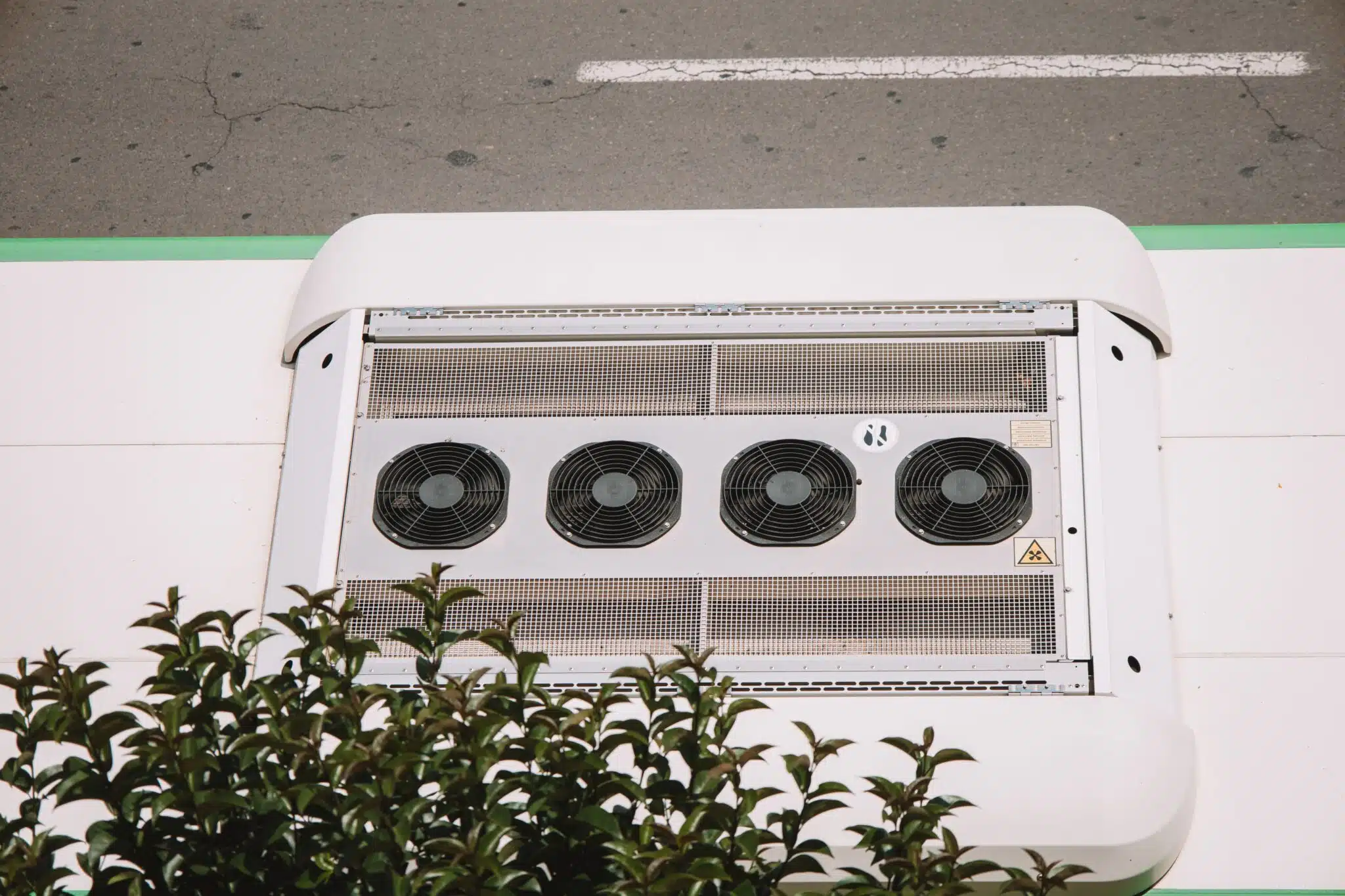
Your system has two coils: the evaporator coil inside, and the condenser coil outside. Both need to transfer heat efficiently for the system to work as designed.
Dust and grime build up on the evaporator coil over time, acting like insulation. This blocks heat transfer and forces the compressor to run longer. Outdoor condenser coils collect grass clippings, seed pods, dirt, and leaves on the fins, which restricts airflow.
A few habits keep coils in good shape:
- Trim vegetation and clear debris at least two feet around the outdoor unit
- Rinse the condenser fins with a garden hose each season, working from the inside out
- Have a technician clean the evaporator coil during annual service
- Straighten bent fins with a fin comb to restore proper airflow
Skipping coil maintenance is one of the most common reasons systems lose efficiency year over year.
Seal and Insulate Ductwork
Ductwork carries conditioned air from your equipment to every room. Leaky or poorly insulated ducts waste a large share of that output before it reaches a vent. Joints separate over time. Insulation compresses or falls away in attics and crawl spaces.
Signs of duct problems include rooms that never reach the target temperature, a noticeable difference between floors, and higher bills without a clear cause. A duct blaster test from a technician will quantify leakage. Sealing with mastic sealant, not standard tape, closes the gap between what your system produces and what reaches your living space.
Mind Your Thermostat Settings
The thermostat controls the whole system, and small setting changes matter over a full season. Wide temperature swings between occupied and unoccupied hours force the equipment to work in bursts, which uses more energy than steady, moderate operation.
A programmable or smart thermostat set to a modest setback during work hours or overnight keeps the system running at a more consistent load. Avoid drastic setbacks of ten degrees or more in extreme weather. Heat pumps in particular lose efficiency trying to recover from a large temperature gap too quickly.
Schedule Professional Maintenance Annually
Some tasks require a licensed technician with the right tools and training. Annual service typically includes checking refrigerant pressure, testing electrical connections, inspecting the blower motor and belts, and verifying the condensate drain is clear.
Skipping this visit does not save money. It shifts the cost forward, usually into a bigger repair bill once a small issue turns into equipment failure.
Watch for Early Warning Signs
Efficiency loss rarely happens overnight. It shows up gradually through longer run times, inconsistent room temperatures, unusual noises, or a slow creep in your utility bill. Catching these signs early keeps repair costs down and extends the equipment’s service life.
A well-maintained HVAC system does not need to be complicated to run efficiently. Clean filters, clear coils, sealed ducts, sensible thermostat habits, and one professional visit a year cover most of what determines how hard your system has to work.