RV prices can be surprisingly hard to predict. One model may cost less than a car, while another can rival the price of a home. So how expensive are RVs, really? The answer depends heavily on the type, size, and condition you’re looking at.
Knowing how much is an RV helps you plan beyond the sticker price. The real cost includes financing, insurance, fuel, maintenance, finding the right RV storage, and campground fees.
I have seen buyers focus only on the upfront cost and overlook the expenses that follow. You will learn what different RV types cost, what ownership involves, and how to create a realistic budget before choosing the right model.
How Much Does an RV Cost?
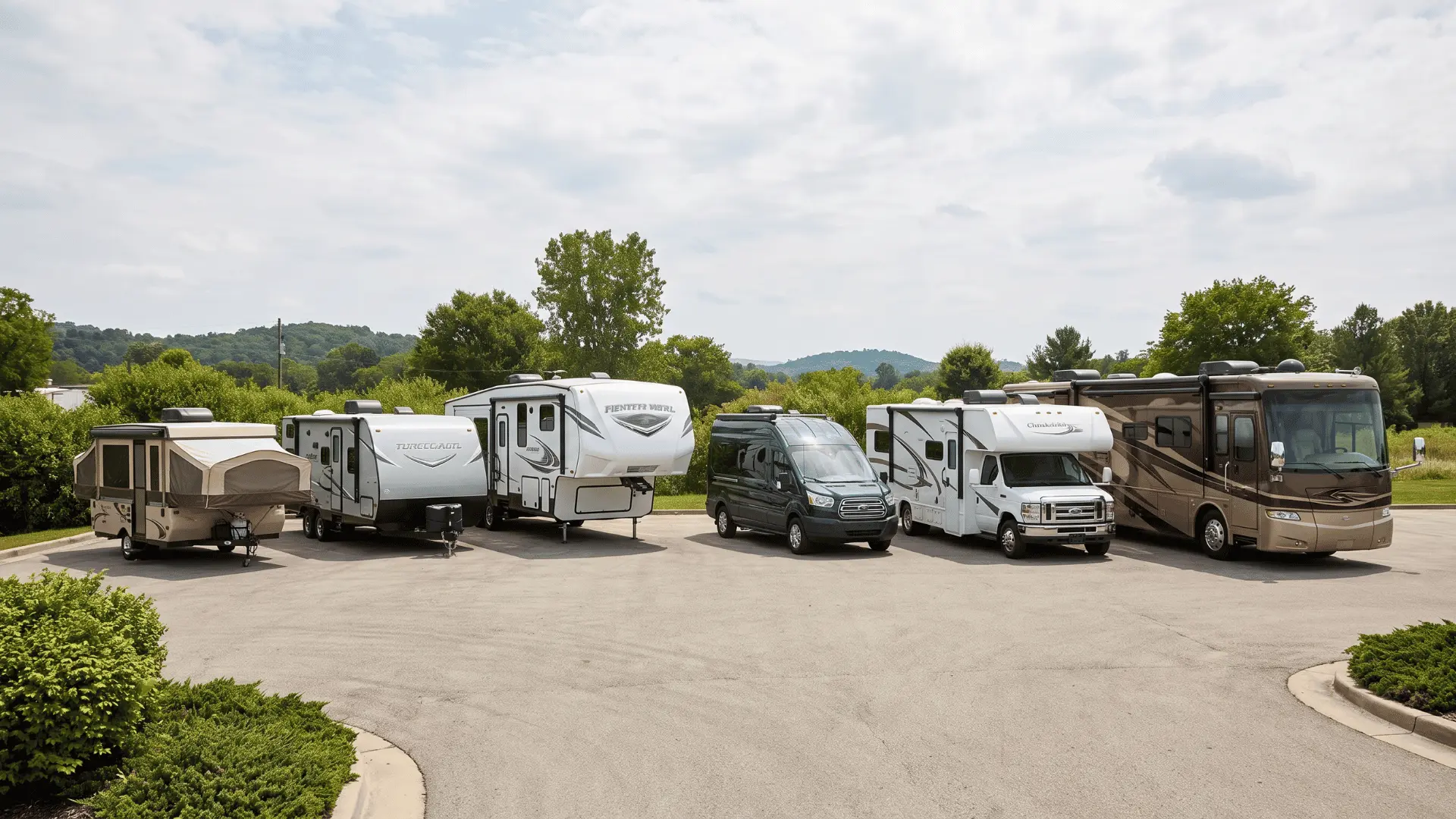
An RV can cost about $10,000 to more than $500,000, depending mainly on its type, size, age, features, and condition. Towable RVs usually provide the lowest entry price, while motorhomes cost considerably more because the purchase includes both the living space and a motorized vehicle.
Small pop-up campers may start near $10,000, while mainstream travel trailers commonly range from $15,000 to $60,000. Larger fifth wheels often cost $40,000 to $100,000 or more.
Motorized RVs move into a higher price range. Class B and Class C models frequently cost $75,000 to $165,000, while Class A motorhomes can easily reach $150,000 to $500,000 or more.
| RV Type | Typical New Price |
|---|---|
| Pop-up or small camper | $10,000–$25,000 |
| Travel trailer | $15,000–$60,000 |
| Fifth wheel | $40,000–$100,000+ |
| Class B camper van | $80,000–$165,000+ |
| Class C motorhome | $75,000–$155,000+ |
| Class A motorhome | $150,000–$500,000+ |
These ranges are useful starting points rather than fixed prices. Dealer discounts, optional equipment, brand, floor plan, and location can move the final price considerably.
Average Cost of Different RV Types
These estimated price ranges show what you may pay for a new RV. Actual prices vary by brand, size, dealer, location, and included equipment.
1. Pop-Up and Small Campers
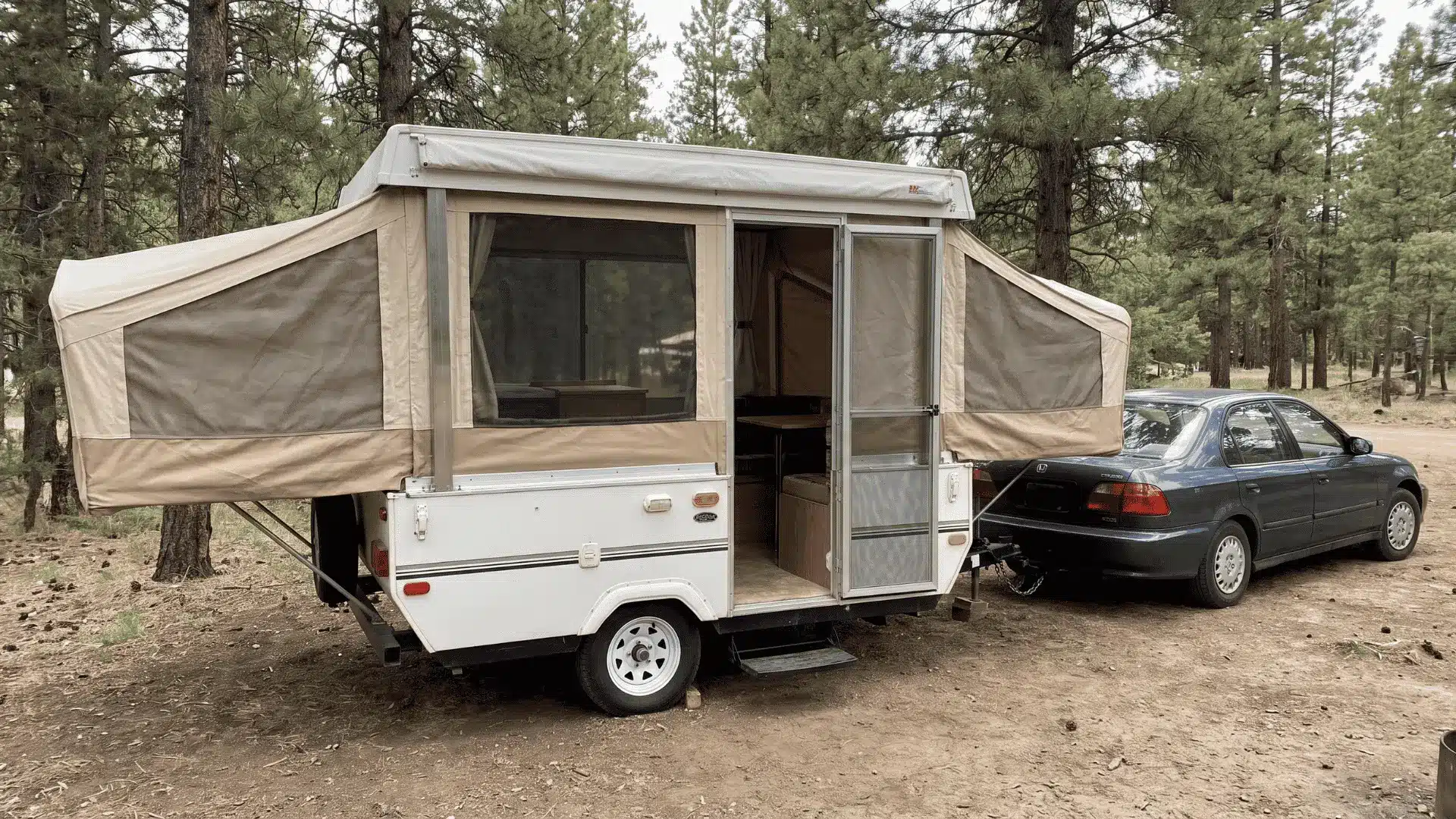
Pop-up campers are among the least expensive ways to enter RV ownership. Basic new models generally cost around $10,000 to $20,000, although premium compact campers can exceed $25,000.
Their lightweight construction makes them easier to tow with smaller vehicles. However, buyers usually sacrifice interior space, insulation, storage, and some residential amenities.
They make the most sense for occasional camping rather than full-time living.
2. Travel Trailers
Travel trailers generally cost $15,000 to $60,000, making them one of the broadest and most popular RV categories.
Smaller lightweight trailers sit near the bottom of the range. Larger models with separate bedrooms, slide-outs, upgraded kitchens, solar equipment, and premium interiors can approach or exceed $60,000.
Remember that the trailer price does not include a tow vehicle. Buying a suitable truck can dramatically increase the total cost if you do not already own one.
3. Fifth-Wheel RVs
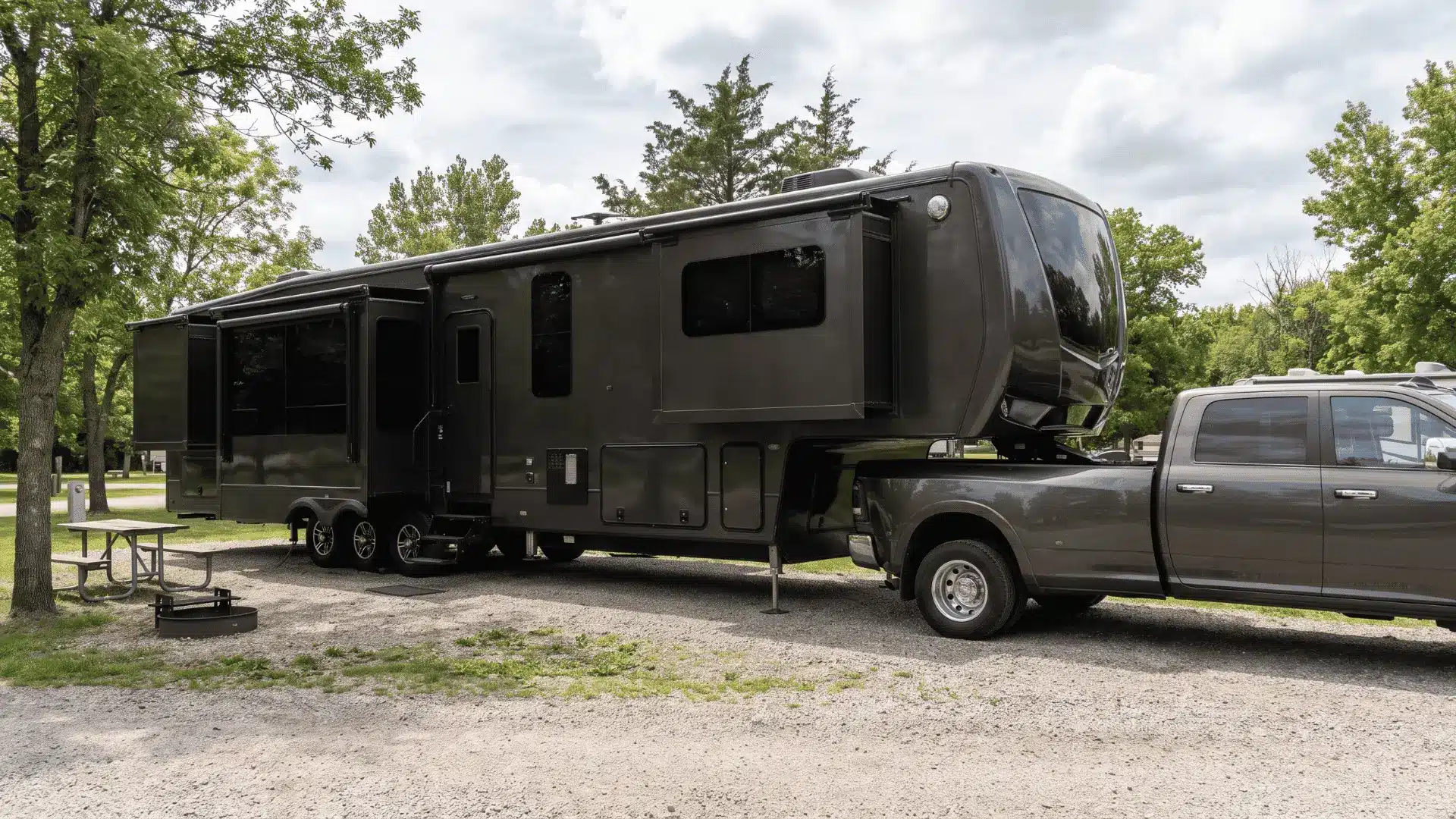
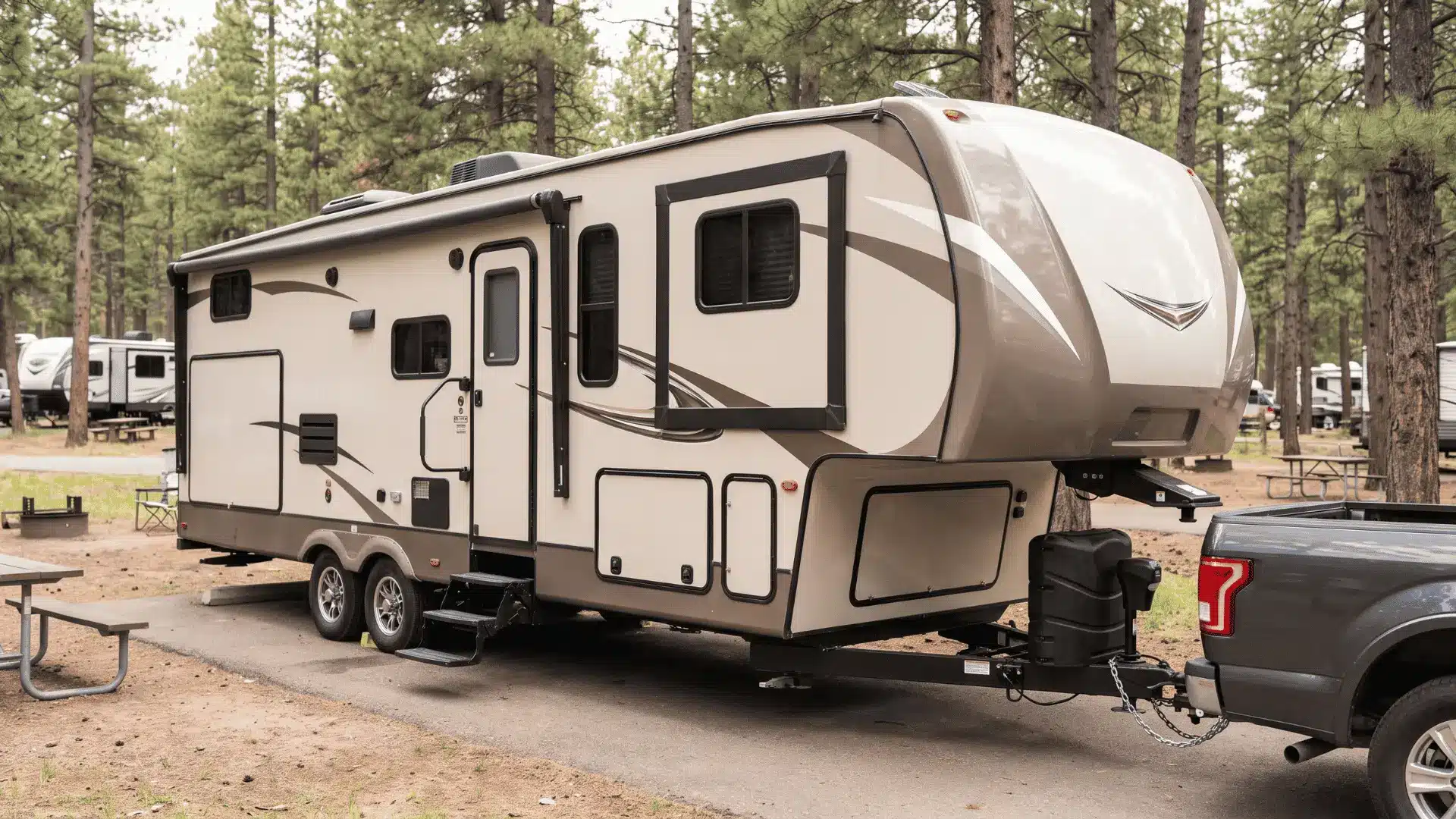
A new fifth wheel commonly costs $40,000 to $100,000 or more.
These large trailers often provide more residential-style space than conventional travel trailers. Many include multiple slide-outs, full kitchens, large bathrooms, king-size beds, entertainment systems, and substantial storage.
The tradeoff is towing. Fifth wheels usually require a heavy-duty pickup equipped with the correct fifth-wheel hitch and sufficient payload capacity.
4. Class B Camper Vans
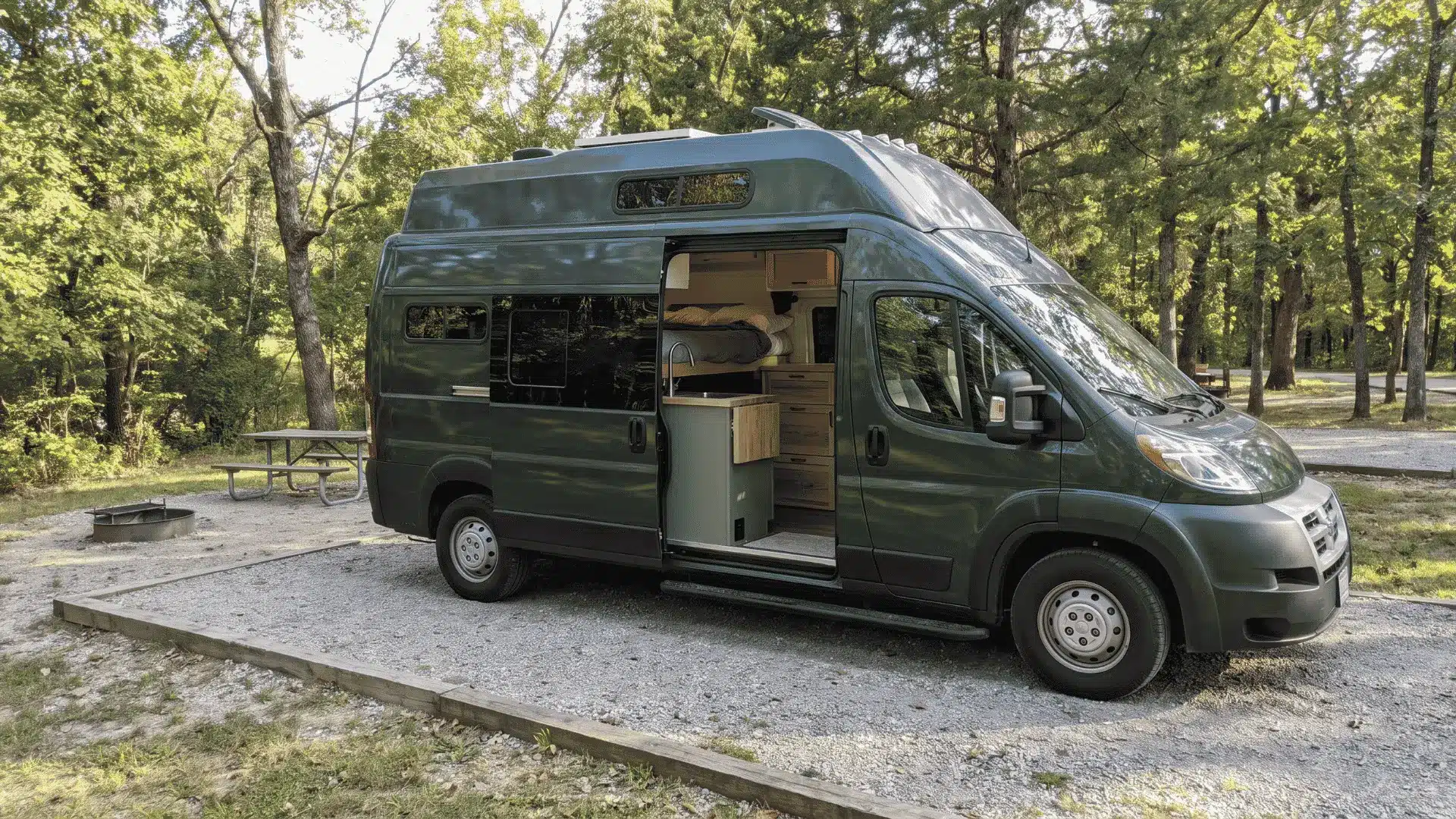
Class B camper vans generally cost around $80,000 to $165,000 or more when purchased new.
Although they are among the smallest motorhomes, their prices can be surprisingly high. Manufacturers must fit plumbing, electrical systems, kitchens, bathrooms, beds, storage, and sometimes off-grid equipment into a relatively small van chassis.
Their main advantages are maneuverability, easier parking, and better fuel economy than larger motorhomes.
5. Class C Motorhomes
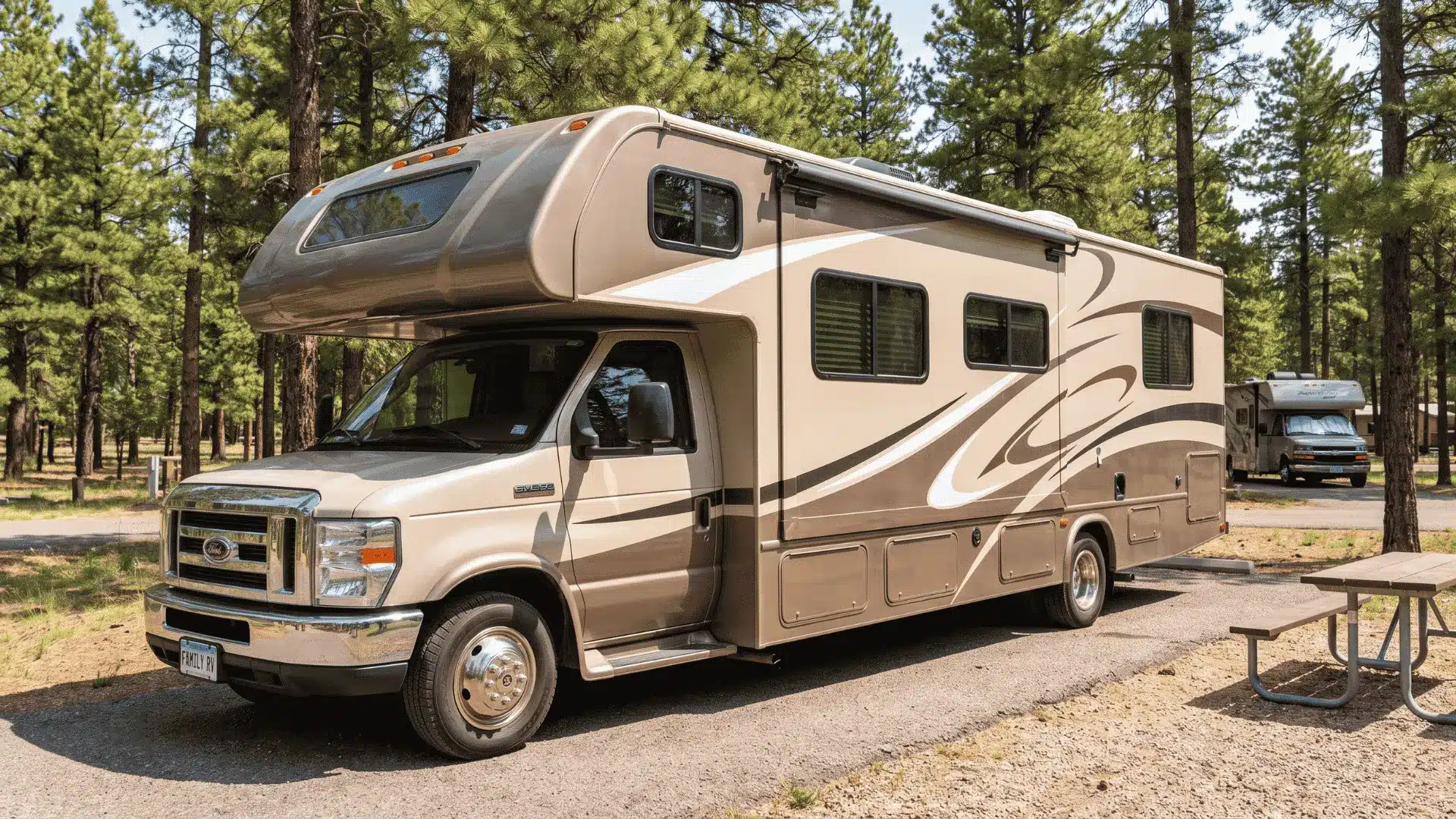
Class C motorhomes generally cost around $75,000 to $155,000 or more.
They are recognizable by the sleeping or storage area extending over the cab. Their layouts often work well for families because they provide more sleeping capacity than a camper van without reaching the size or price of many Class A motorhomes.
Because the engine and living area are combined, buyers do not need a separate tow vehicle.
6. Class A Motorhomes
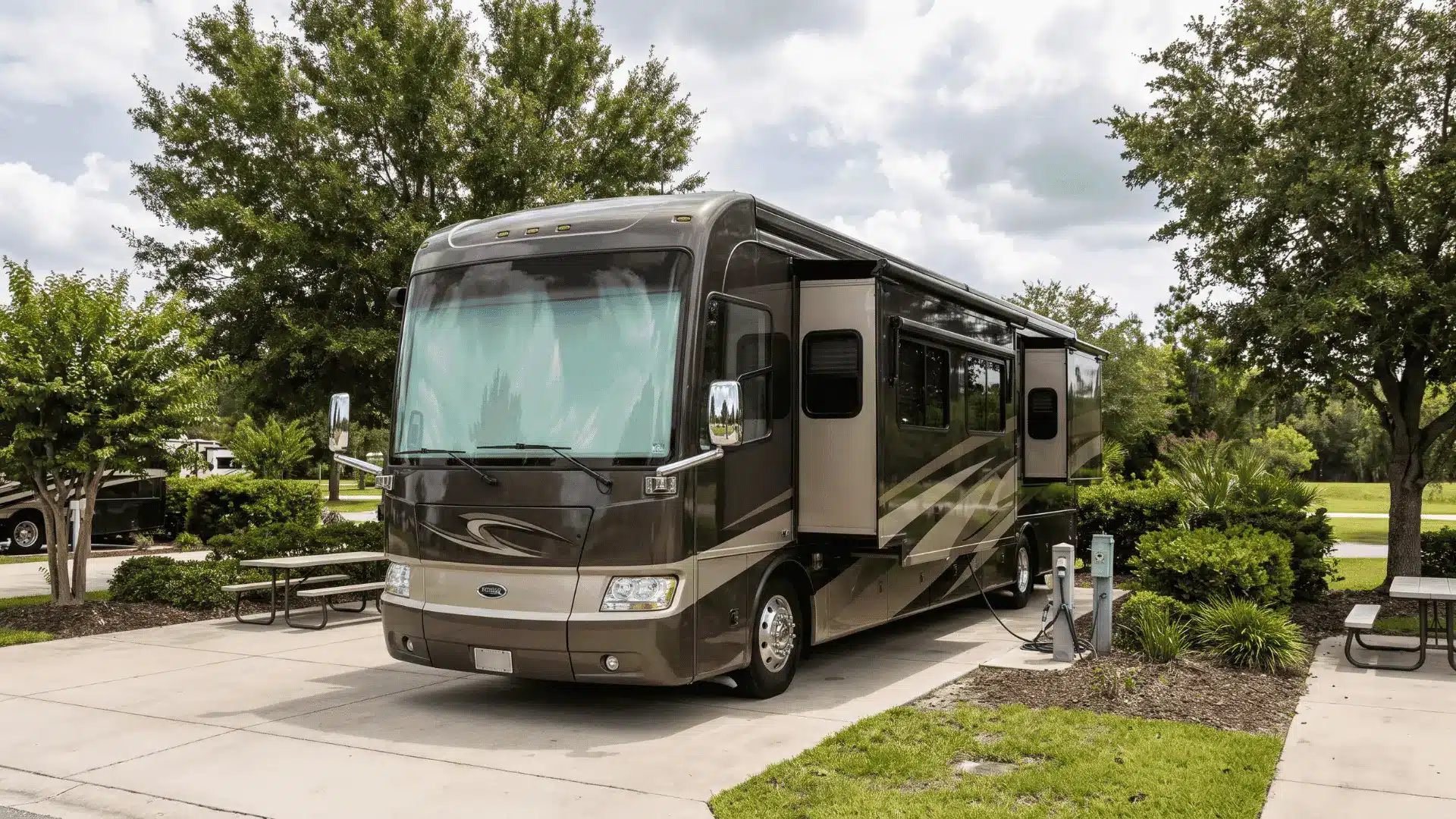
Class A motorhomes are usually the most expensive mainstream RVs. New models commonly start near $150,000, while luxury versions can exceed $500,000.
These bus-shaped RVs may include residential refrigerators, washers and dryers, multiple bathrooms, large bedrooms, extensive storage, entertainment systems, premium cabinetry, and sophisticated electrical systems.
They provide maximum comfort but also bring higher fuel, maintenance, insurance, and storage expenses
Buying New vs. Used: Which RV Gives Better Value?
| Factor | New RV | Used RV |
|---|---|---|
| Purchase Price | Costs more because you are buying an unused model with the latest equipment. | Usually costs less and may help you avoid the steepest depreciation period. |
| Customization | Lets you choose the floor plan, colors, appliances, and optional equipment. | Choices are limited to the features and layout installed by the previous owner. |
| Warranty | Includes factory coverage, although terms and exclusions vary by manufacturer. | May have limited coverage or no warranty, depending on its age and seller. |
| Condition | Has no damage, wear, or maintenance problems caused by previous owners. | May have water damage, neglected seals, old tires, or faulty appliances. |
| Depreciation | Usually loses value quickly during the first few years of ownership. | Has already passed through part of its fastest depreciation period. |
| Extra Costs | Dealer preparation, delivery, taxes, registration, and documentation fees increase the final price. | Inspection costs and immediate repairs may increase the amount you spend after buying. |
| What to Check | Request an itemized, out-the-door quote and carefully review the warranty terms. | Arrange an independent inspection and check the roof, frame, plumbing, electrical system, appliances, and maintenance records. |
| Best Choice For | Buyers who want warranty protection, modern features, and control over the layout. | Buyers who prioritize a lower purchase price and can manage possible repair risks. |
A new RV offers greater peace of mind, while a carefully inspected used model can deliver better value for a limited budget.
What Determines an RV’s Price?
Two RVs of the same general type can have very different prices. Several factors explain the difference.
- RV class: Motorhomes generally cost more than towables because they include an engine, drivetrain, and vehicle chassis.
- Size: Longer RVs usually cost more because they require more materials and offer additional living space.
- Brand: Premium manufacturers charge more for upgraded construction, materials, warranties, and features.
- Floor plan: Multiple bedrooms, bathrooms, bunkhouses, and slide-outs can increase the price.
- Technology: Solar systems, lithium batteries, generators, automatic leveling, cameras, and smart controls add cost.
- Condition: Mileage, maintenance history, roof condition, water damage, and tire age strongly affect used RV values.
- Season and location: Dealer inventory and regional demand can influence discounts and negotiating room.
Instead of comparing sticker prices alone, buyers should compare similarly equipped models within the same RV category.
How to Choose the Right RV for Your Budget
Use your total ownership budget to choose an RV, rather than relying only on the advertised purchase price.
- Set an all-in spending limit: Include taxes, registration, insurance, storage, maintenance, fuel, equipment, and campground fees. Leave room in your budget for unexpected repairs.
- Decide how you will travel: Consider your trip length, travel frequency, group size, and preferred campsites. Weekend travelers rarely need the space of a large motorhome.
- Check your towing capacity: Review your vehicle’s payload, axle, hitch, and towing limits before selecting a trailer. Remember to include passengers, cargo, water, and equipment.
- Compare new and used options: Consider warranty coverage, depreciation, condition, and potential repair costs. Arrange an independent inspection before purchasing any previously owned model.
- Get financing offers early: Preapproval reveals your realistic spending limit and expected monthly payment. Compare interest rates, loan terms, fees, and total repayment costs carefully.
- Visit several models: Test the beds, seating, bathroom, kitchen, storage, and walking space personally. A comfortable floor plan matters more than an impressive feature list.
- Rent before buying: A short rental shows how an RV feels during actual travel and campsite use. It can reveal which features you need or can skip.
Following these steps will help you choose an RV that supports your travel plans without creating unnecessary financial pressure.
Final Decision
Choosing an RV is about more than finding a model that fits your budget. I found that prices can range from about $10,000 for a small camper to over $500,000 for a luxury motorhome.
You also need to plan for insurance, fuel, campgrounds, storage, maintenance, financing, and possibly a tow vehicle.
A modest travel trailer may be the best value for occasional trips, while frequent travelers need to weigh comfort, reliability, storage, and operating costs. Knowing how much is an RV helps you plan realistically and avoid costly surprises.
Start with your full ownership budget, then choose the smallest RV that meets your needs. Share your RV plans or check out related buying guides before you decide.
Frequently Asked Questions
What Is the RV 10-Year Rule?
Some private RV parks restrict RVs older than ten years or request photos before approving a reservation. This is not a nationwide law, so contact each campground before booking.
Is It Cheaper to Live in an RV Than a House?
RV living can cost less than owning or renting a house, but fuel, campsites, insurance, repairs, and financing add up. Your total depends heavily on location and travel frequency.
Can You Buy an RV for $20,000?
Yes, many new folding campers and used travel trailers are available within a $20,000 budget. Inspect used models carefully because leaks, old tires, and faulty appliances can erase your savings.
How Much Is the Payment on a $100,000 RV?
Financing $100,000 for 15 years at a fixed 7% rate creates an estimated monthly payment of about $899. This amount excludes taxes, fees, insurance, and any down payment.