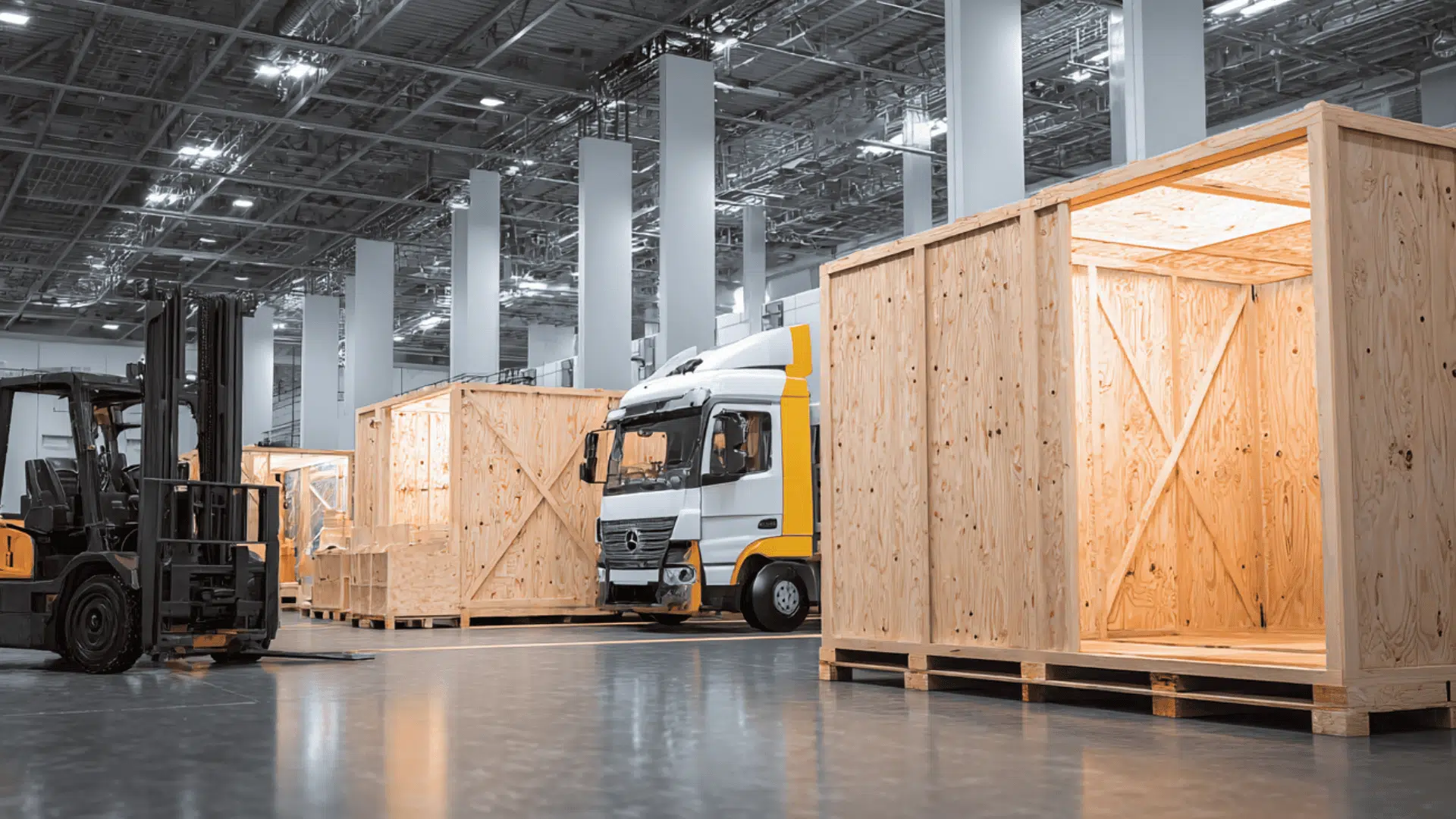
Most ecommerce founders remember the exact week their garage stopped working. Orders pile up faster than boxes can go out the door, a spare bedroom turns into a makeshift warehouse, and shipping labels get printed at midnight between customer service emails. It’s a good problem to have, but it’s still a problem.
Ecommerce now accounts for 16.4% of total U.S. retail sales, with full-year online sales reaching $1,233.7 billion in 2025, up 5.4% from the year before, according to the U.S. Census Bureau’s Quarterly Retail E-Commerce Sales Report (Q4 2025, released March 2026). That growth is exactly why so many small and mid-sized brands eventually outsource fulfillment instead of trying to out-hustle it. The question isn’t whether to bring in outside help. It’s how to pick a partner that won’t slow you down once you do.
What a 3PL Actually Does for a Growing Brand
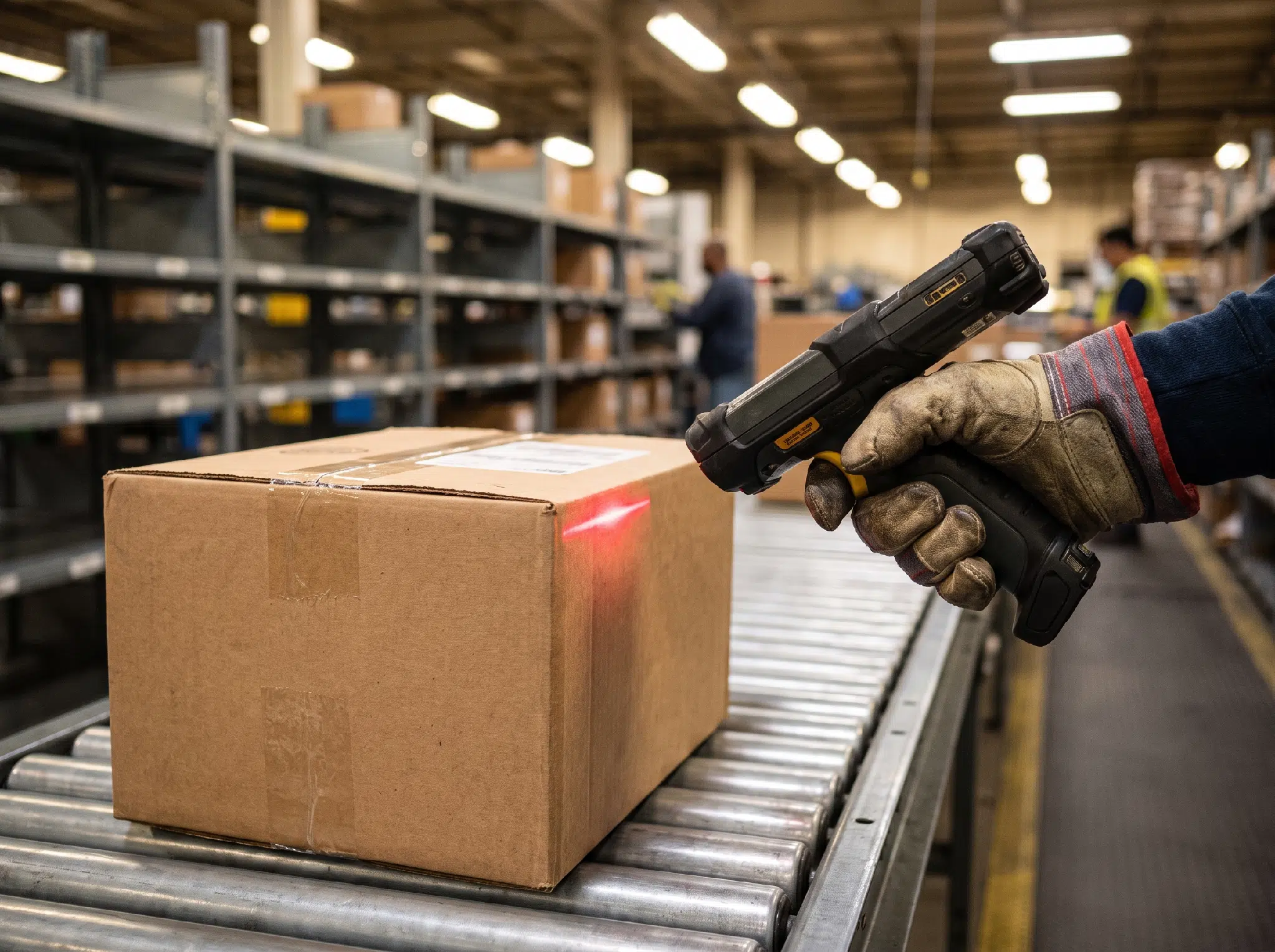
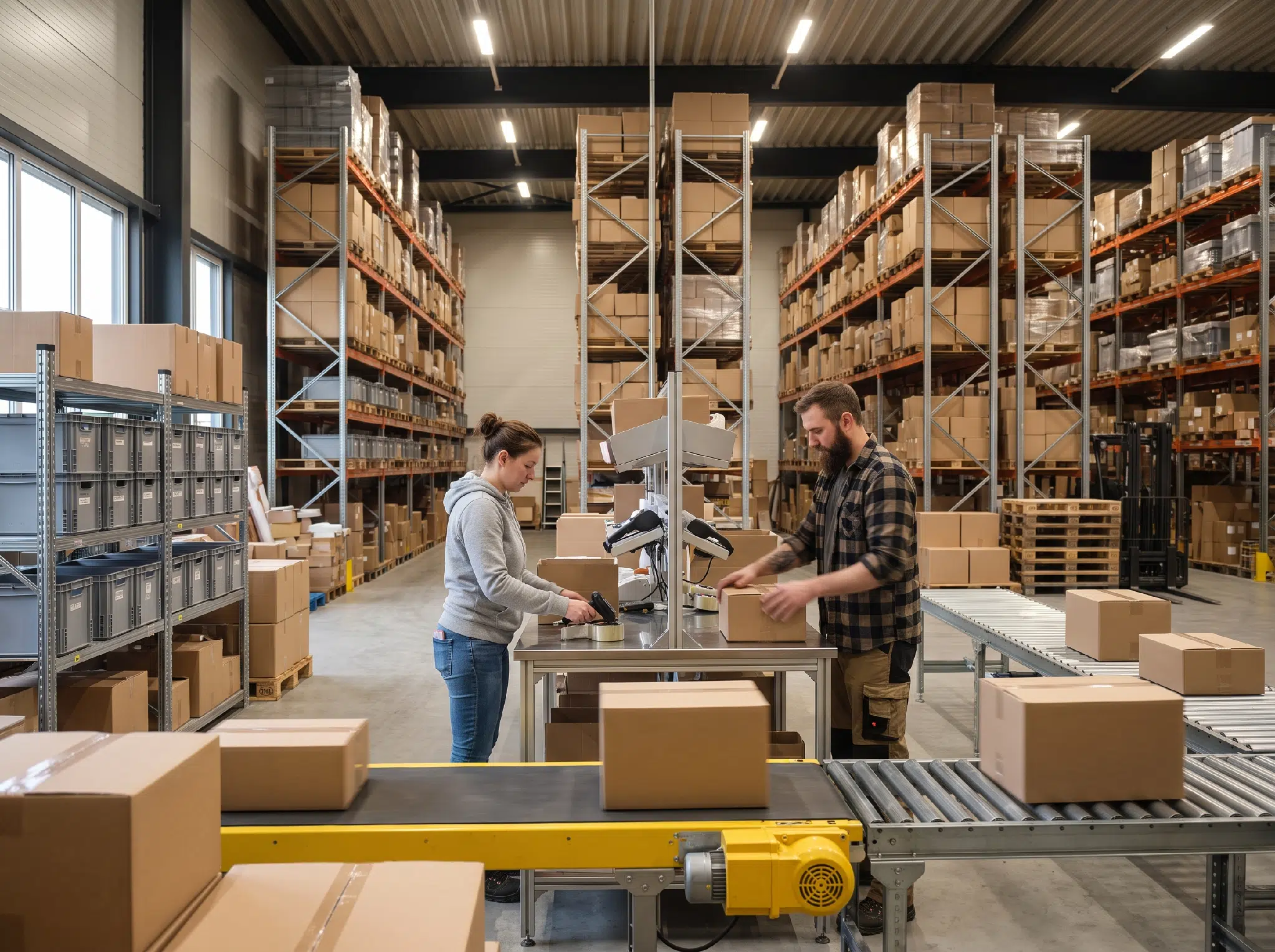
A third-party logistics provider, or 3PL, takes over the physical side of fulfillment: receiving inventory, storing it, picking and packing orders, and getting packages to the carrier on time. Many also manage returns processing, kitting, and light assembly. In practice, a brand hands off a warehouse full of logistical headaches and keeps its focus on product and marketing.
Say a home goods brand outgrows its 3,000-square-foot storage unit and starts missing next-day shipping promises during a sales spike. Rather than signing a lease and hiring a warehouse crew, that brand might partner with a company like Merchdrop 3PL, which handles receiving, pick-and-pack, and carrier coordination under one roof. That’s the core value proposition of outsourced fulfillment: infrastructure and labor on demand, without the fixed overhead.
The Real Cost of Fulfillment: Shipping Rates, Fees, and Hidden Costs
Pricing is where most brands get burned. A 3PL’s quote usually bundles several line items: storage fees (often billed per pallet or per bin, per month), pick fees (per item pulled from a shelf), pack fees (per order assembled), and shipping rates, which the 3PL typically negotiates in bulk across carriers.
The trap is chasing the lowest headline rate without reading the fine print. A provider that looks cheap on storage might charge steep fees for returns processing or tack on minimum order volume penalties. Ask for a full rate card before signing anything, and request references from brands at a similar order volume to yours. It’s also worth understanding freight and shipping fundamentals before you negotiate, since carrier contracts and 3PL pricing are tightly linked, and a provider with weak carrier relationships will pass those costs straight to you.
Contract flexibility matters just as much as price. Brands with seasonal spikes, holiday gift shops, back-to-school suppliers, and similar businesses need terms that let them scale storage up or down without penalty clauses eating the savings.
Technology, Integrations, and Order Accuracy

A 3PL’s software stack matters as much as its warehouse floor. Look for a provider whose warehouse management system connects directly to your sales channels, whether that’s Shopify, Amazon, or a custom storefront, so inventory counts sync automatically instead of relying on manual updates. Without that integration, you risk overselling items that are already out of stock, which is one of the fastest ways to damage customer trust.
Order accuracy separates a solid 3PL from a mediocre one. That’s the benchmark worth holding a prospective partner to. Ask any 3PL you’re evaluating for their actual error rate data, not just a marketing claim, before you commit inventory to their warehouse.
Scalability, Peak Readiness, and Choosing a Provider That Fits Your Growth Stage
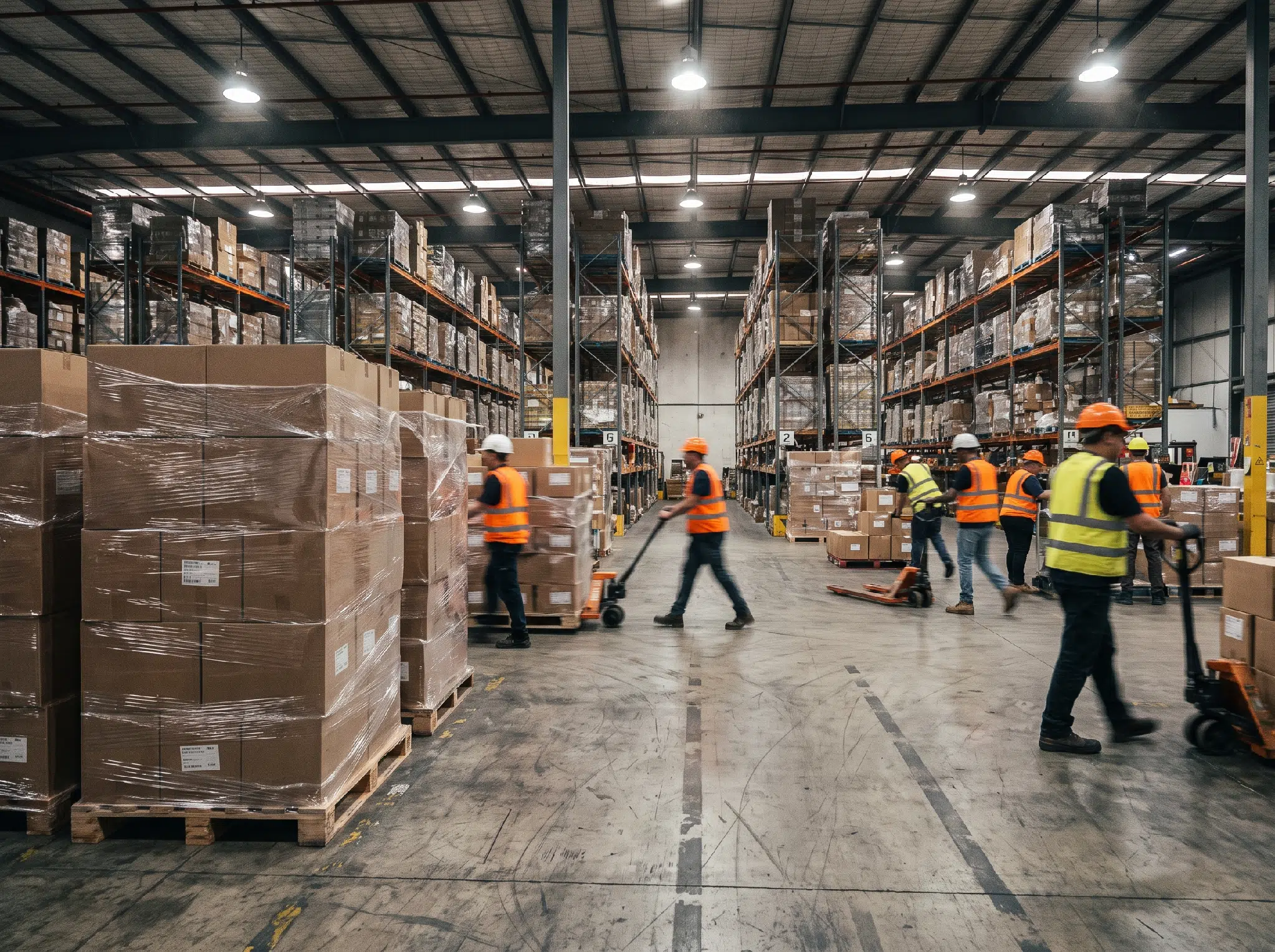
The provider that fits your brand at 50 orders a day might not fit at 5,000. Growth-stage brands need a 3PL that can flex staffing and storage during Black Friday or a viral product moment without missing shipping windows. This is where it pays to look past price and ask pointed questions: How many warehouses do they operate? What happens if one location floods with volume during a promotion? Do they offer multi-node distribution to cut shipping zones and transit times as you expand into new regions?
A brand scaling past its first fulfillment center, for instance, might bring in a 3pl provider specifically because it operates multiple distribution nodes and can rebalance inventory across them as order patterns change by region. That kind of flexibility is hard to build in-house and even harder to retrofit once you’ve outgrown a single-warehouse setup.
This is also the stage where it helps to think about logistics and transport planning more broadly, not just fulfillment in isolation. Carrier diversification, regional distribution, and peak staffing all interact, and a 3PL that only solves one piece of that puzzle will eventually become the bottleneck it was hired to remove.
Returns Management and Customer Experience
Returns rarely get top billing in a 3PL evaluation, but they should. A clunky returns process costs repeat business fast, especially in apparel and home goods categories where fit and appearance drive returns volume. Ask how a prospective partner handles reverse logistics: Do they inspect and restock items quickly, or do returns sit in a queue for weeks? Can they issue refunds or exchanges without you manually tracking each case in a spreadsheet?
Treat returns as a retention lever, not just a cost center. Brands that make returns simple tend to see customers come back and buy again, even after a return, because the experience didn’t feel punishing. A 3PL with automated returns tracking and clear reporting gives you the visibility to spot patterns, like a specific SKU with a high return rate, before it becomes a bigger inventory problem.
Choosing a Partner for the Long Haul
Picking a 3PL isn’t really a cost decision, even though it often gets treated like one. It’s a growth decision that touches shipping speed, order accuracy, and how your brand shows up in a customer’s inbox after checkout. The brands that get this right evaluate technology, scalability, and accuracy together instead of defaulting to whichever quote has the lowest number on it.
Take the time to ask hard questions, check real performance data, and pressure-test how a provider handles a bad week, not just a good one. The right fulfillment partner won’t just keep boxes moving; it’ll give you room to focus on the parts of the business only you can run.