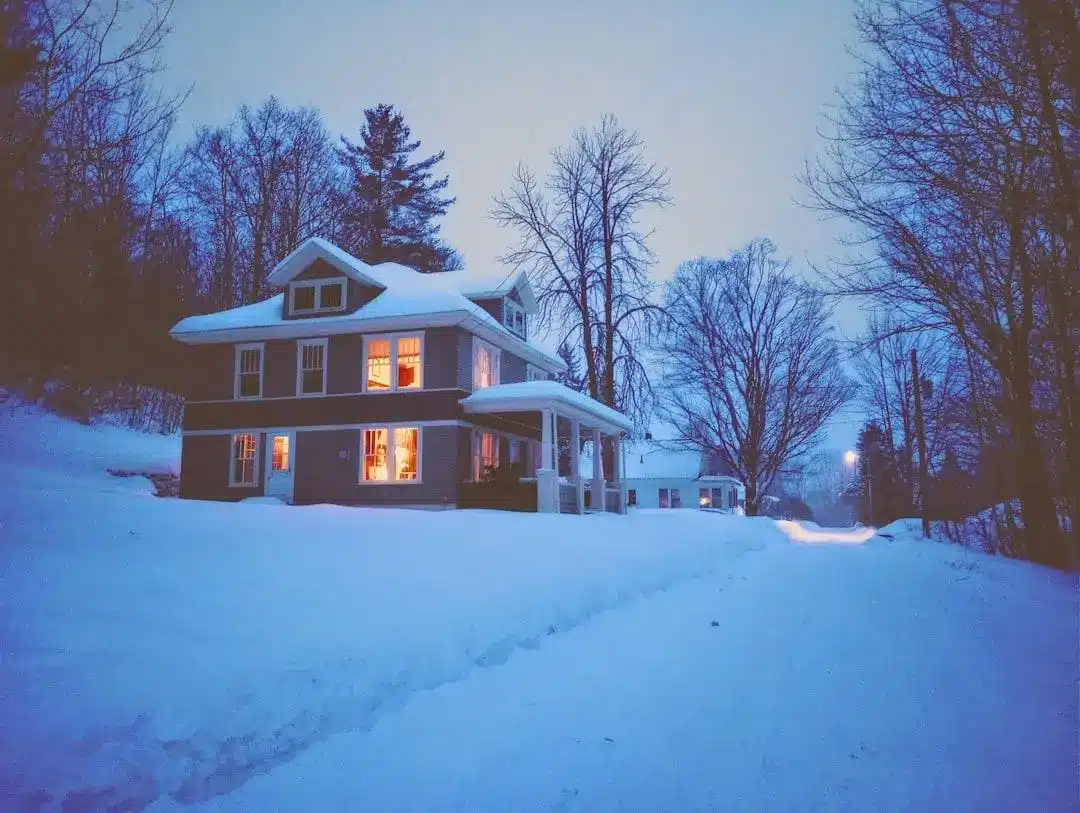
Winter in northern New England does not go easy on a house. Cold air finds every gap, and old windows are usually the weakest point. A drafty pane can quietly raise your heating bill for months.
Homeowners in New Hampshire and southern Maine face this every year. Working with a local installer like Best Choice New England helps match the right window to the climate. The goal is a warmer home and a smaller energy bill.
Why Do Windows Drive Winter Heat Loss?
Windows are where most homes lose heat fastest. In a cold region, that loss shows up on every winter bill.
Heating and cooling already take the biggest share of household power. The U.S. Energy Information Administration reports that home energy use for heating and cooling reached 52 percent of the average total. Windows sit right in the middle of that number.
An aged single-pane window leaks warm air through the glass and the frame. The furnace then runs longer to hold a steady temperature. Over a full New England winter, those extra cycles add up.
Comfort suffers too. Cold glass creates drafts and chilly spots near seating. Better windows keep indoor temperatures even from room to room.
How Can You Tell a Window Is Failing?
Failing windows give clear signs. You can usually spot them without any special tools.
Watch for these warning signs once the cold months arrive:
- Drafts you feel when you stand near a closed window.
- Condensation or fog trapped between two panes of glass.
- Frost forming on the inside of the frame.
- Rooms that stay cold no matter how high you set the heat.
- Heating bills higher than the same month last year.
- Frames that feel damp, soft, or hard to open.
Two or three of these signs together usually mean the window has lost its seal. Repair helps for a while, but replacement often costs less over time.
What Makes a Window Energy Efficient?
Energy efficiency comes down to a few measurable features. Two ratings tell most of the story.

U-factor measures how well a window blocks heat from escaping. A lower U-factor means better insulation, and values run from about 0.20 to 1.20. SHGC, the solar heat gain coefficient, is the fraction of the sun’s heat a window lets in. It ranges from 0 to 1.
In a cold climate, you want a low U-factor and a moderate SHGC. That mix keeps heat inside while letting winter sun warm the room. ENERGY STAR sorts these targets by region.
Windows that meet ENERGY STAR criteria can lower household energy bills by up to 13 percent. The exact target depends on your climate zone, and New England falls in the coldest group. Efficient windows also use double or triple panes, low-emissivity coatings, and an inert gas fill. These upgrades often boost home value at resale as well.
Which Window Features Suit New England Homes?
The best choice depends on how each room faces the sun. A handful of features matter most in a cold, snowy region.
- Double or triple glazing to slow heat loss through the glass.
- Low-E coatings that reflect indoor heat back into the room.
- Argon or krypton gas between panes for added insulation.
- Vinyl or fiberglass frames that resist cold and need little upkeep.
- Warm-edge spacers that cut condensation around the glass edge.
- Tight, professional installation so no gap is left behind.
South-facing rooms benefit from a slightly higher SHGC for free solar warmth. North-facing rooms do best with the lowest U-factor you can afford.
Do Doors and Siding Deserve the Same Attention?
Yes. Windows get the focus, but doors and siding shape the whole envelope of a home.
An old entry door leaks air around the frame and the threshold. A well-built, insulated door seals those gaps and steadies the temperature near the entry. Patio doors follow the same efficiency rules as windows.
Vinyl siding adds another layer against wind and moisture. Paired with proper house wrap and insulation, it slows heat loss through the walls. The result is a tighter, quieter home.
Even small fixes help while you plan bigger ones. Sealing gaps and adding weatherstripping are quick small home tweaks that reduce drafts today.
What to Remember This Winter
- Windows drive a large share of winter heat loss in cold regions.
- Check for drafts, fogging, and frost as early signs of failure.
- Look for a low U-factor and a climate-matched SHGC rating.
- Triple panes, low-E coatings, and gas fills add real insulation.
- Doors and siding matter as much as the windows themselves.
- Professional installation protects the performance you pay for.
Getting a Home Ready for Winter
A warm winter home starts with a tight building envelope. Smart window choices lower bills and steady the temperature in every room. Start with the worst offenders, then work outward to doors and siding.
Frequently Asked Questions
How much can new windows lower my heating bill?
ENERGY STAR certified windows can trim household energy costs by up to 13 percent. The savings depend on your climate zone and the windows you replace. Colder regions like New England tend to see the strongest results.
Are triple-pane windows worth it in New England?
For most cold-climate homes, the extra pane pays off in comfort and lower bills. Triple glazing blocks more heat loss than double glazing. It also cuts outside noise and reduces condensation.
What does U-factor mean on a window label?
U-factor measures how well a window stops heat from escaping. Lower numbers mean better insulation, usually between 0.20 and 1.20. In cold climates, aim for the lowest U-factor your budget allows.
Should I repair or replace old windows?
Repairs help with minor drafts and small gaps. Once a window fogs between the panes or loses its seal, replacement usually saves more over time. A local installer can check the frame and glass condition.