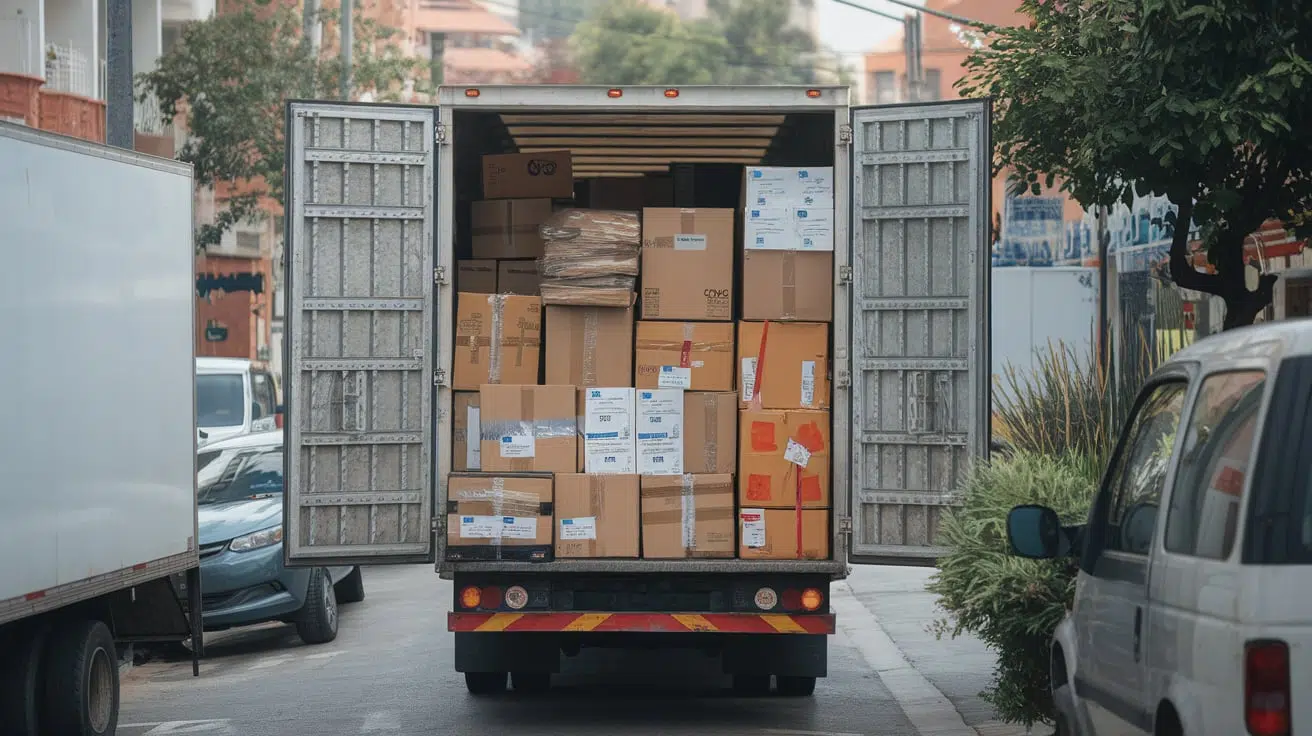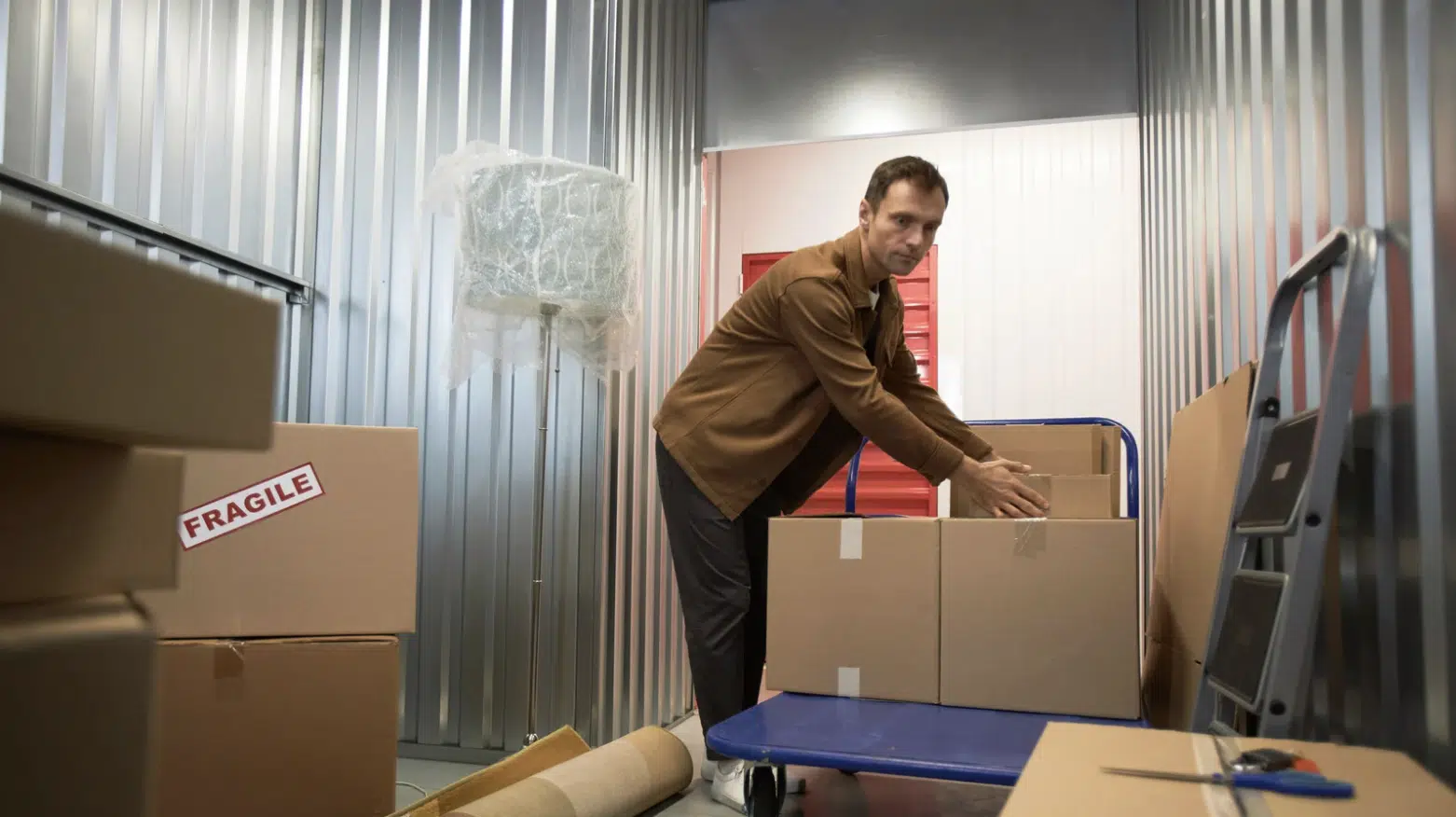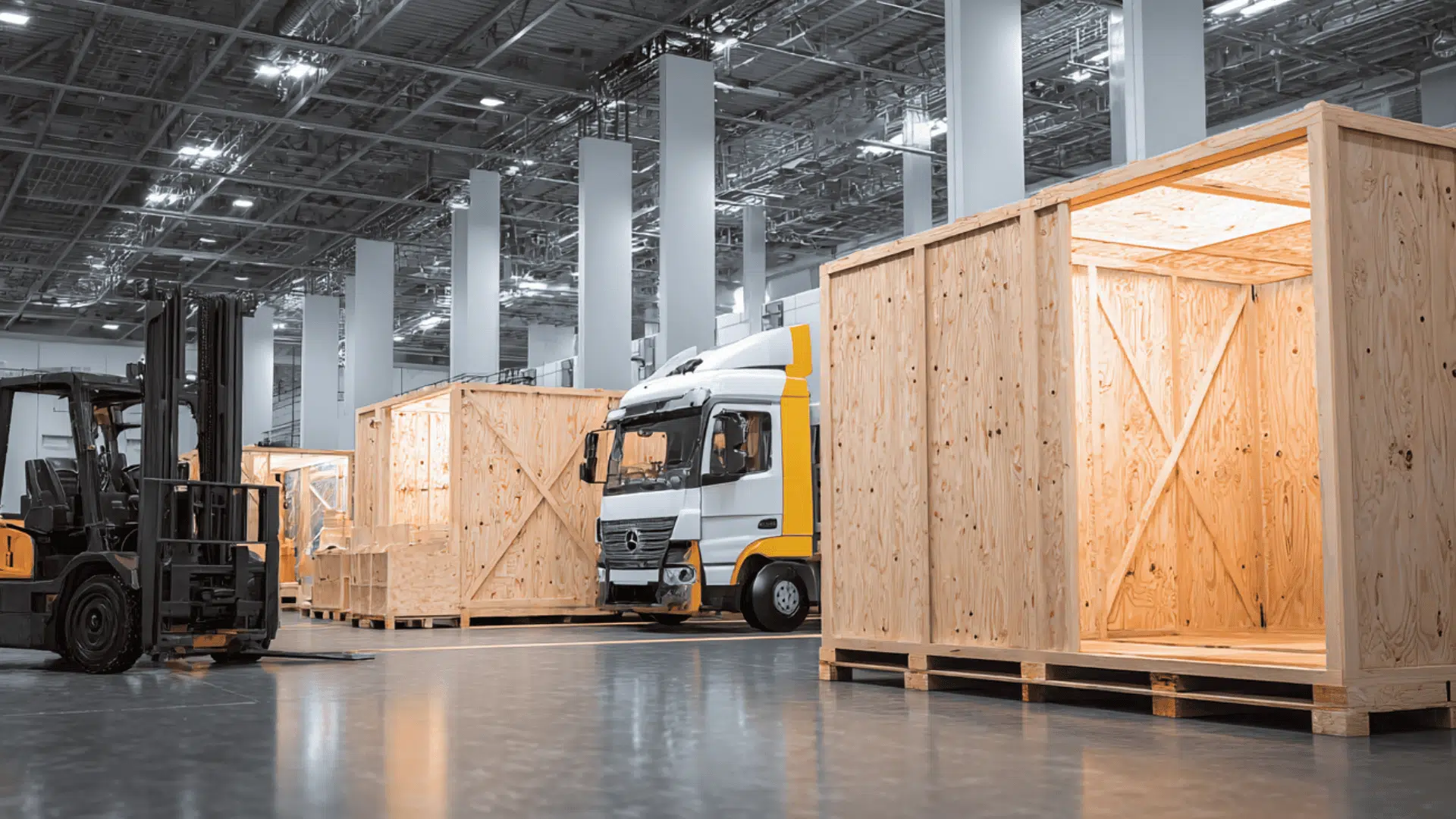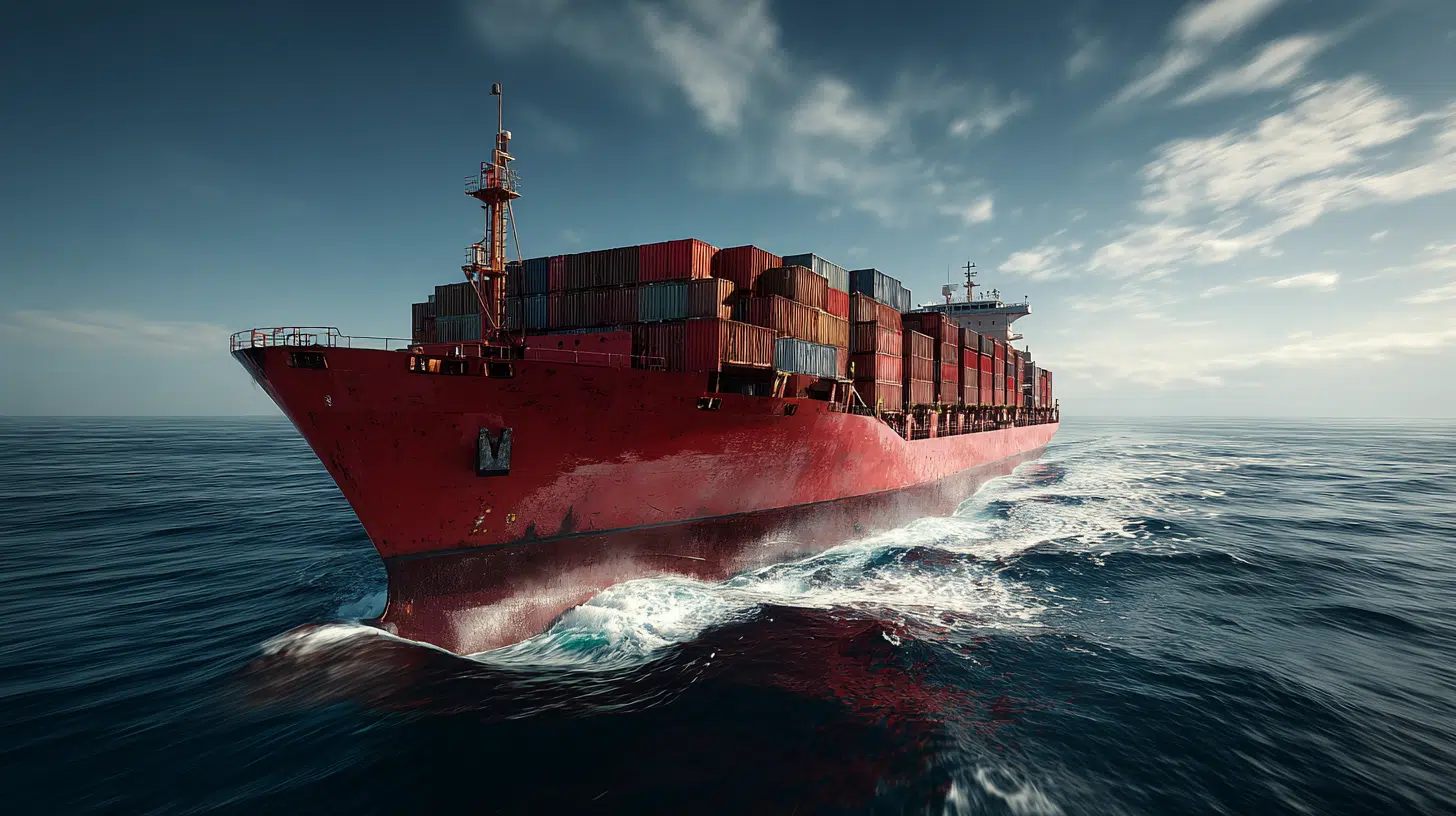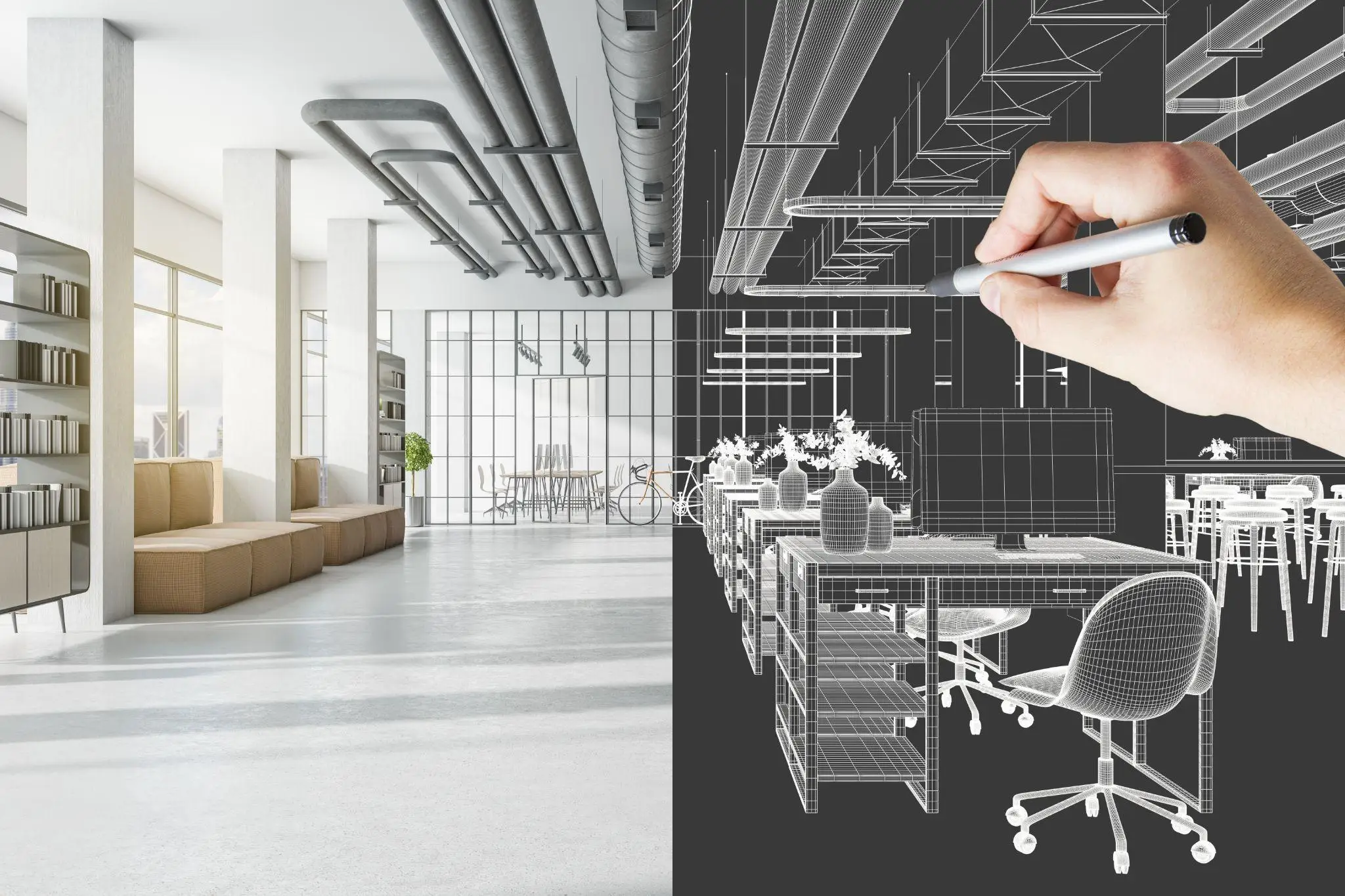
Modern supply chains rely on more than efficient transportation and skilled logistics teams. The facilities that support freight movement, vehicle storage, distribution, and operations also influence how smoothly goods move from one destination to another.
As companies expand into regions with unique environmental conditions, including the American West, thoughtful planning becomes even more important. Projects developed by experienced Wyoming architects demonstrate how architecture can respond to local conditions while supporting long-term operational goals.
Facility Design Supports Daily Operations
Every logistics facility serves a specific purpose. Distribution centers receive products, organize inventory, and prepare shipments. Vehicle processing centers manage inspections, storage, and transportation. Maintenance facilities keep fleets operating safely and efficiently.
Each building must support the people, equipment, and processes inside it. A well-designed facility improves movement throughout the site, reduces unnecessary travel, and creates spaces where operations can continue with fewer interruptions.
Good design also considers how different departments interact. Clear circulation patterns help employees, service vehicles, and freight move safely without creating unnecessary congestion.
Site Planning Creates Better Logistics Networks
The building itself represents only one part of a successful logistics operation. The surrounding site influences how trucks enter and leave the property, where trailers are staged, and how traffic flows during busy periods.
Careful planning improves access while reducing conflicts between vehicles, employees, and visitors. Loading areas, parking, security checkpoints, and maintenance zones all benefit from thoughtful placement.
When these elements work together, facilities become more efficient while providing a safer environment for daily operations.
Regional Design Matters
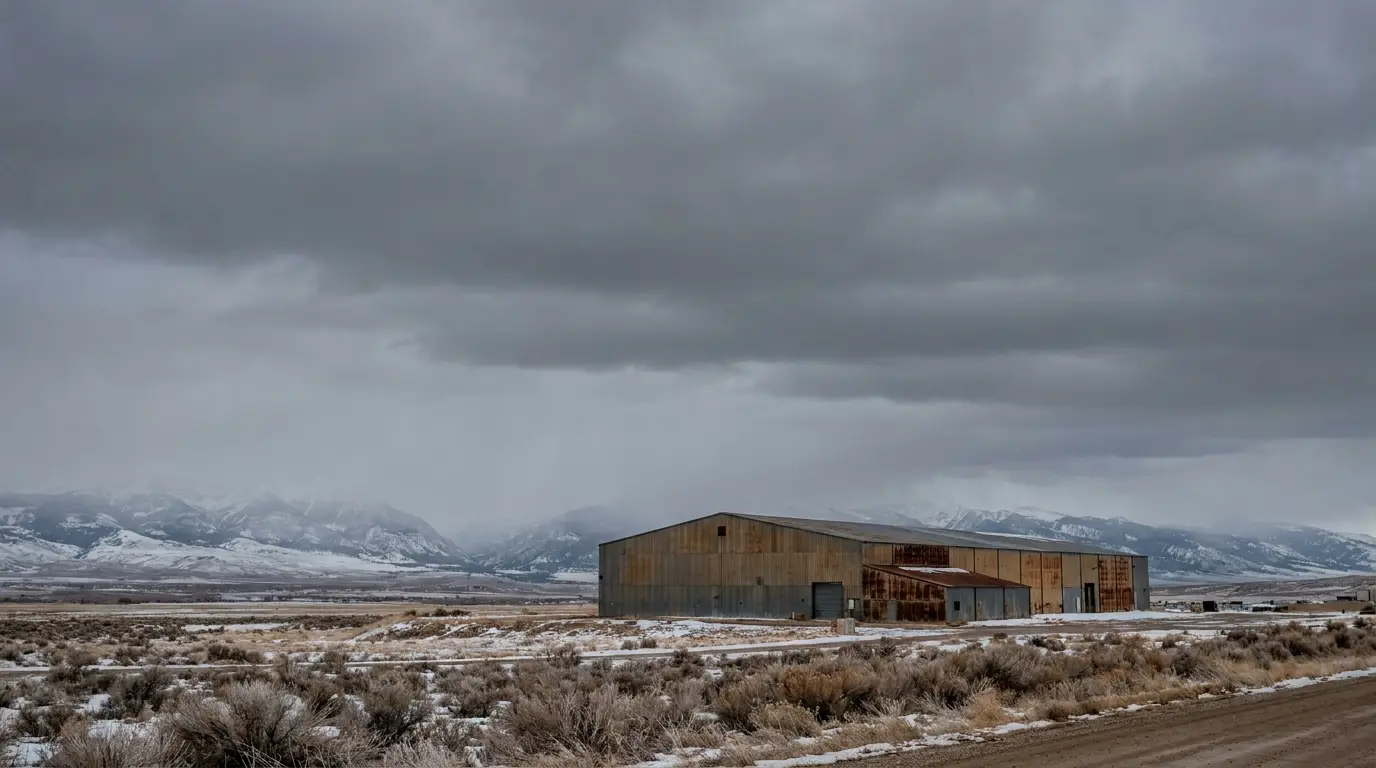
Every location presents different opportunities and challenges. Climate, terrain, transportation routes, and local regulations all influence how industrial facilities should be planned.
Wyoming offers a clear example of this relationship. The state serves as an important transportation corridor across the western United States while experiencing significant seasonal weather and varied landscapes. Facilities operating in these conditions benefit from designs that respond to local environmental factors without sacrificing operational efficiency.
Considering regional conditions early helps organizations create facilities that perform reliably throughout the year.
Flexibility Supports Long Term Growth
Supply chains continue to evolve as customer expectations change and technology advances. Facilities that can adapt to new equipment, automation, or changing workflows often provide greater long-term value.
Flexible layouts allow organizations to adjust operations without major reconstruction. Additional storage, expanded maintenance areas, or updated technology can often be incorporated more smoothly when future growth is considered during the original design process.
Planning with adaptability in mind helps businesses respond to changing market demands while protecting long-term investments.
Sustainability Benefits Industrial Facilities
Sustainability has become an important consideration across many industries, including transportation and logistics. Efficient buildings can reduce energy consumption, improve indoor environments, and support responsible resource management throughout daily operations.
Natural lighting, durable building materials, efficient mechanical systems, and thoughtful site design all contribute to long-term performance. These decisions often lower operating costs while creating more comfortable work environments for employees.
Sustainable design also supports broader corporate goals related to environmental responsibility and operational resilience.
Collaboration Leads to Better Results
Successful logistics facilities depend on collaboration between architects, engineers, contractors, operations teams, and business leaders. Each group contributes valuable insight throughout planning and construction.
Operations teams understand daily workflows. Engineers provide technical expertise. Architects coordinate these requirements into buildings that support both current operations and future growth.
Early communication helps identify potential challenges before construction begins, reducing the likelihood of costly adjustments later in the project.
Designing for the Future
Supply chains continue to become more connected, data driven, and responsive to changing customer expectations. Buildings must evolve alongside these operational improvements.
Modern facilities increasingly support advanced technologies such as automated material handling, fleet management systems, electric vehicle infrastructure, and digital monitoring tools. These innovations perform best when they are integrated into a carefully planned environment rather than added after construction.
Forward-looking design gives organizations greater flexibility as technology and operational needs continue to develop.
Strong Facilities Support Strong Supply Chains
Reliable transportation depends on dependable infrastructure. While vehicles, equipment, and logistics strategies receive significant attention, the buildings that support these operations deserve equal consideration.
Thoughtful architecture and site planning improve efficiency, support employee safety, encourage sustainability, and prepare facilities for future growth. By designing with regional conditions, operational needs, and long-term flexibility in mind, organizations create logistics environments that continue to support strong supply chains for years to come.