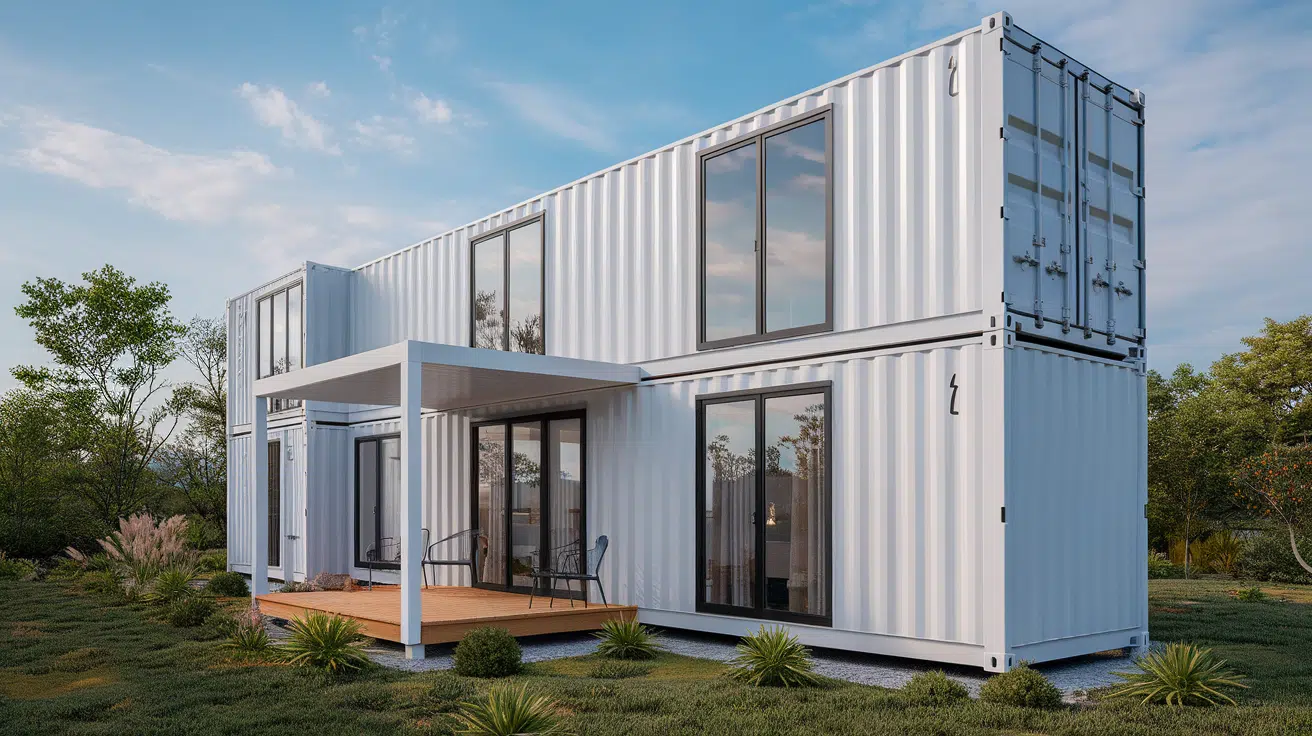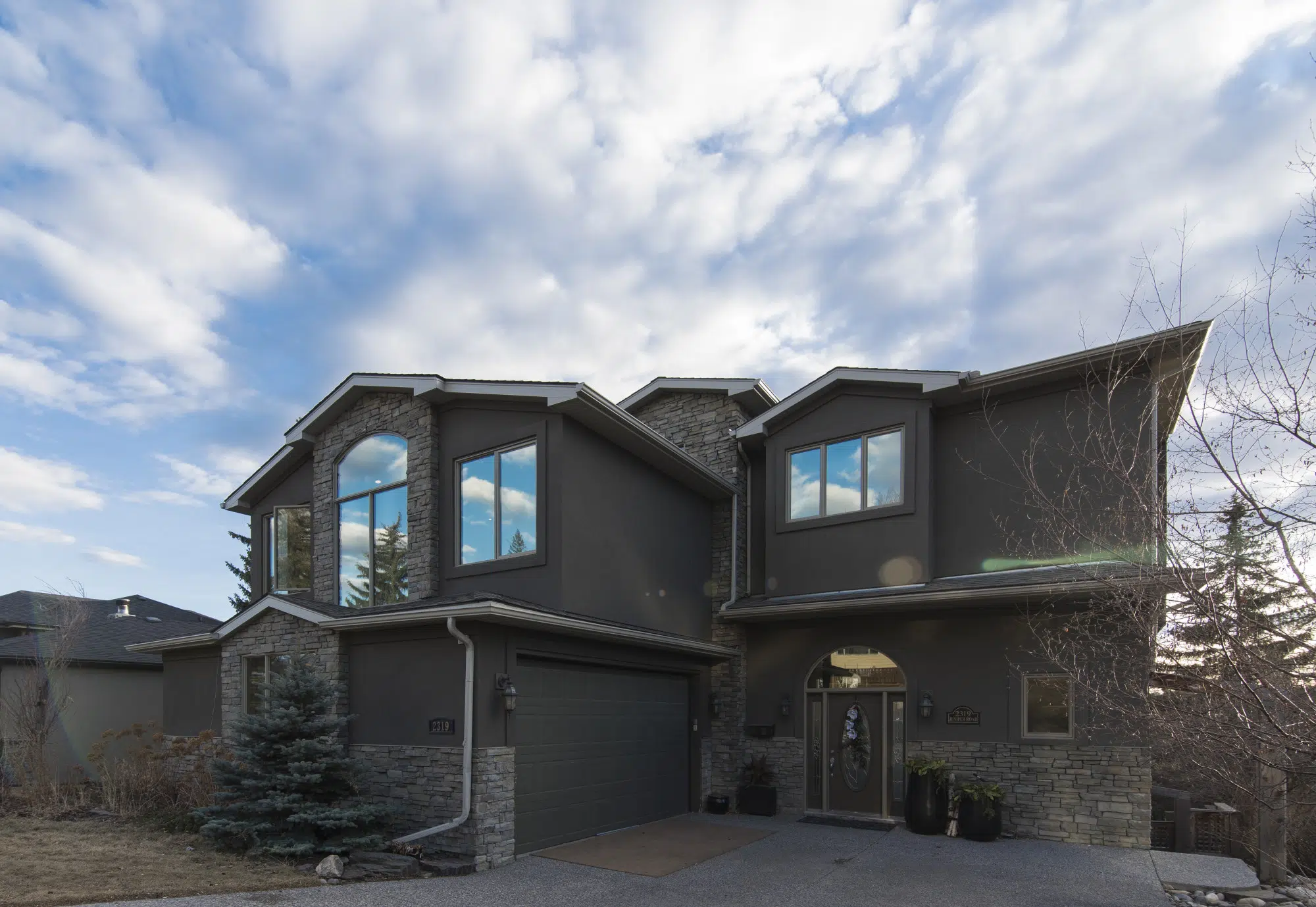
Housing demand in the United States has shifted noticeably over the past decade. Interstate migration, the rise of remote work, and changing household structures have altered what buyers expect from a home. People are no longer choosing properties based only on price or location. Instead, housing style has become a decisive factor, closely tied to lifestyle, flexibility, and long-term costs.
Large, purely status-driven homes are gradually losing ground to spaces that adapt easily to work, family life, and energy efficiency. Buyers now want homes that can evolve with them, rather than oversized layouts that feel rigid or expensive to maintain.
Luxury Smart Homes
Luxury housing is being redefined by technology rather than scale. High-end buyers now prioritize smart systems for security, climate control, and automation over excessive square footage.
Markets such as California, Texas, and Florida lead this trend. Discussions around California housing costs often highlight how smart design and efficient technology help offset long-term expenses, even in high-priced regions. This shift shows that premium housing is increasingly about performance, comfort, and future readiness rather than size alone, much like how some players enjoy getting a $10 free chip no deposit to try new games without large investments.
Modern Farmhouse: The New Suburban Classic
The modern farmhouse has emerged as one of the most popular suburban housing styles in the U.S. It combines traditional American architecture with contemporary interiors, offering familiarity without feeling outdated.
Open kitchens, multipurpose living areas, and simple exterior lines make this style appealing to families relocating from urban areas. Developers also favor it because it fits well into large residential projects and appeals to a broad buyer base. Its balance between comfort and practicality explains why it dominates many new suburban neighborhoods.
Contemporary & Minimalist Homes
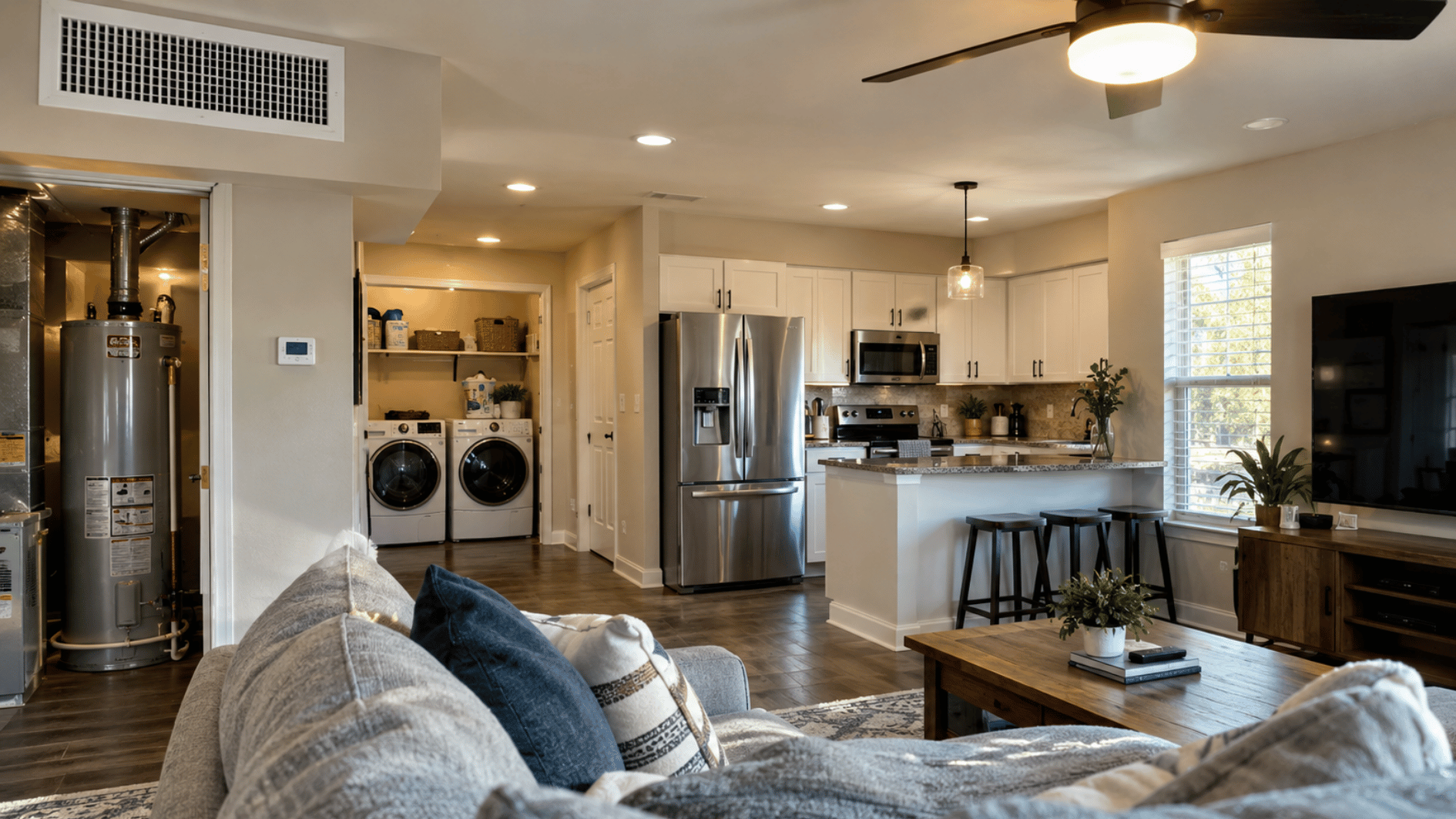
Contemporary and minimalist homes reflect a growing preference for simplicity and efficiency. These properties emphasize open floor plans, clean lines, and large windows that maximize natural light.
Energy efficiency and smart technology are central features rather than upgrades. Many of these homes are designed to reduce energy use through insulation, modern materials, and automation. Demand is particularly strong in major metropolitan areas, where space is limited and buyers prioritize design that feels intentional and uncluttered.
Townhouses and Mixed-Use Residences
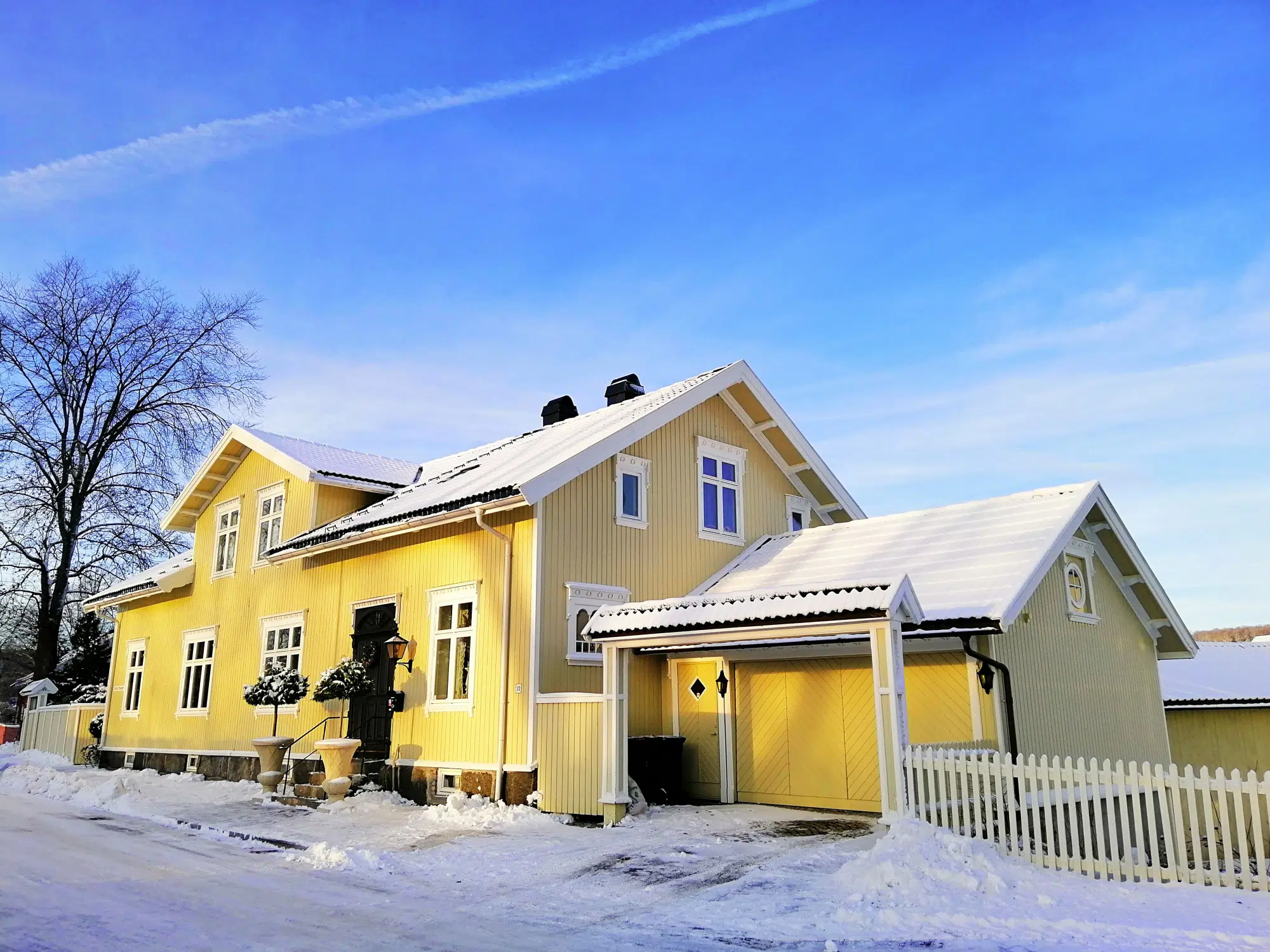
Higher-density living is becoming more common as cities expand and land prices rise. Townhouses and mixed-use residential developments address this reality by combining private living spaces with nearby services, offices, and retail.
This format appeals strongly to Millennials and Gen Z buyers who value convenience and walkability. Living closer to work, shopping, and entertainment reduces commuting time and aligns well with flexible work schedules. Many cities actively support these developments as a way to manage growth without expanding urban sprawl.
New Format Single-Family Homes
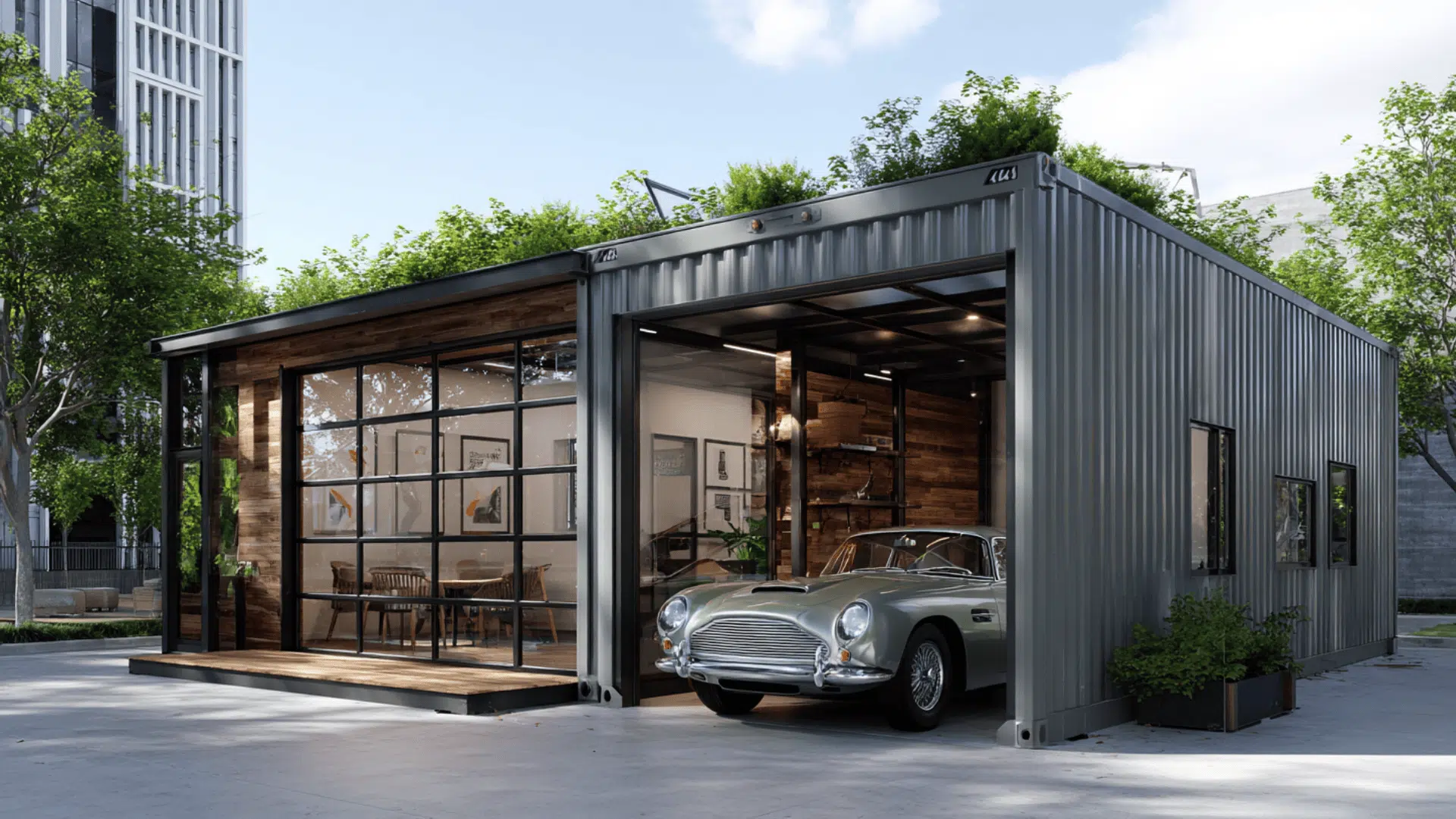
Single-family homes remain a cornerstone of the U.S. market, but their design has changed. Newer formats focus on smaller footprints with highly efficient layouts.
Common features include:
- Dedicated home offices or backyard workspaces
- Guest units or flexible rooms for extended family
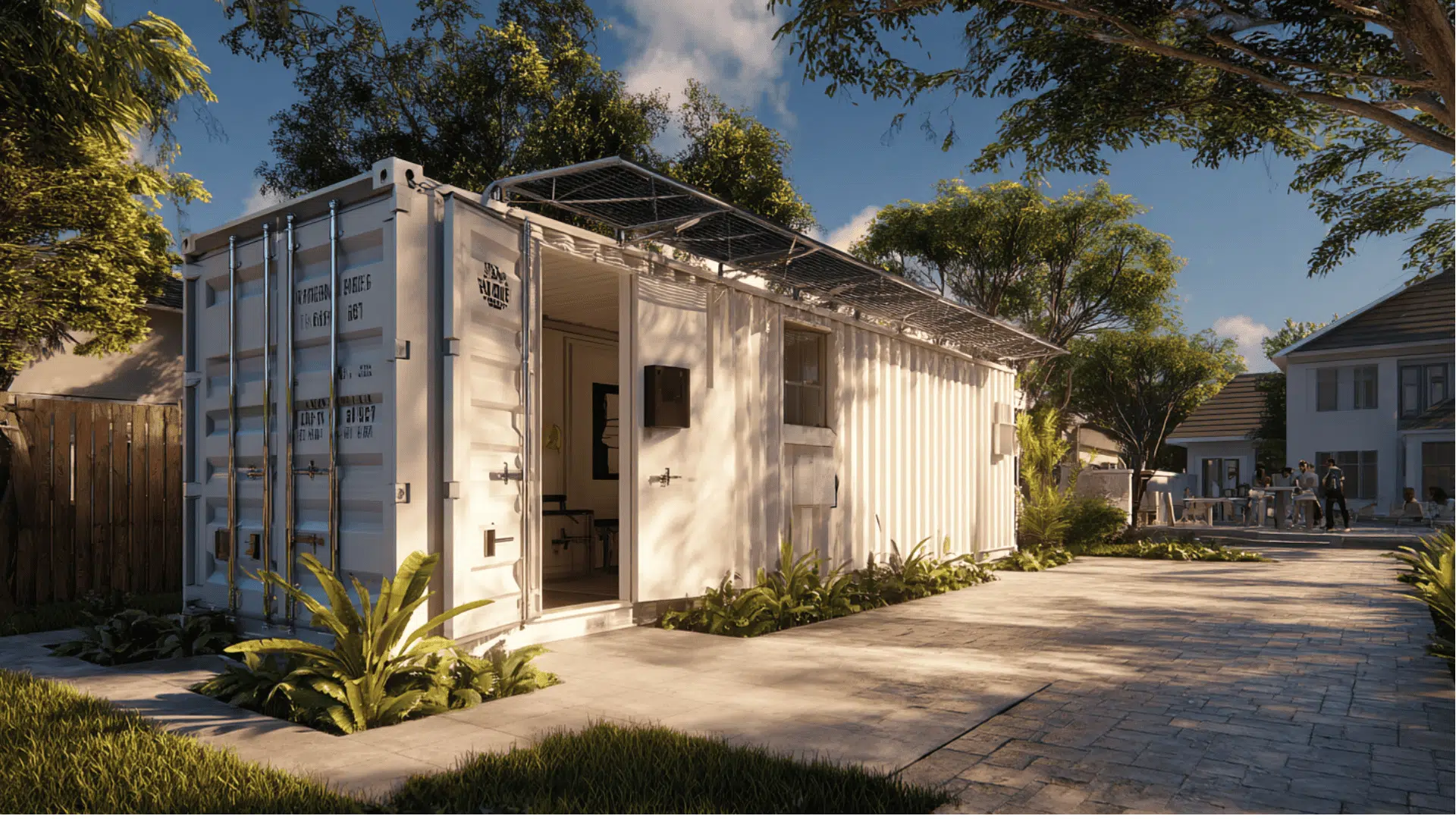
- Accessory dwelling units (ADUs) that add rental or resale value
These designs respond directly to post-pandemic lifestyle changes, where adaptability is more important than sheer size.
Sustainable & Eco-Friendly Housing
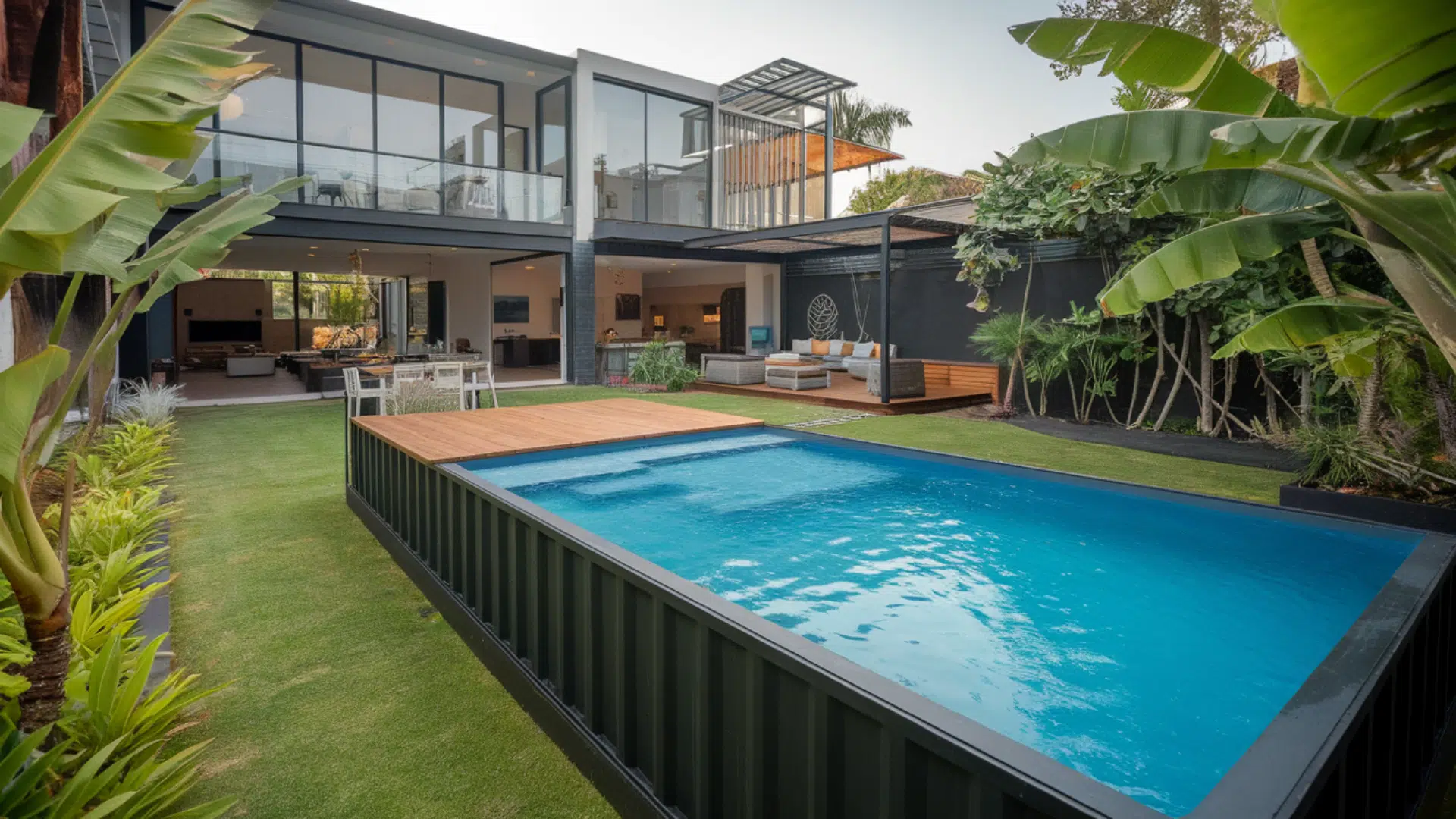
Sustainability has moved into the mainstream of American housing. Buyers increasingly look for energy-efficient materials, solar-ready roofs, and systems that lower long-term utility costs.
Eco-friendly design also affects property value. Homes with strong energy performance tend to sell faster and retain value better in competitive markets. Green construction is now seen as a practical investment choice rather than a niche preference.
Housing Styles at a Glance
Housing Style | Primary Appeal | Typical Buyers |
|---|---|---|
Modern Farmhouse | Familiar yet modern design | Suburban families |
Contemporary / Minimalist | Efficiency and clean aesthetics | Urban professionals |
Townhouses & Mixed-Use | Convenience and density | Millennials, Gen Z |
New Single-Family Formats | Flexibility | Remote workers, families |
Sustainable Homes | Long-term value | Eco-conscious buyers |
Luxury Smart Homes | Technology-driven comfort | High-income households |
The Future Direction of the U.S. Housing Market
The U.S. housing market is moving toward personalization and adaptability. Buyers expect homes to support work, sustainability, and changing lifestyles rather than simply offering more space.
As housing styles continue to evolve, flexibility, smart technology, and efficient design will define demand. Homes are increasingly viewed as long-term lifestyle infrastructure, not just physical assets, shaping the next phase of American real estate.