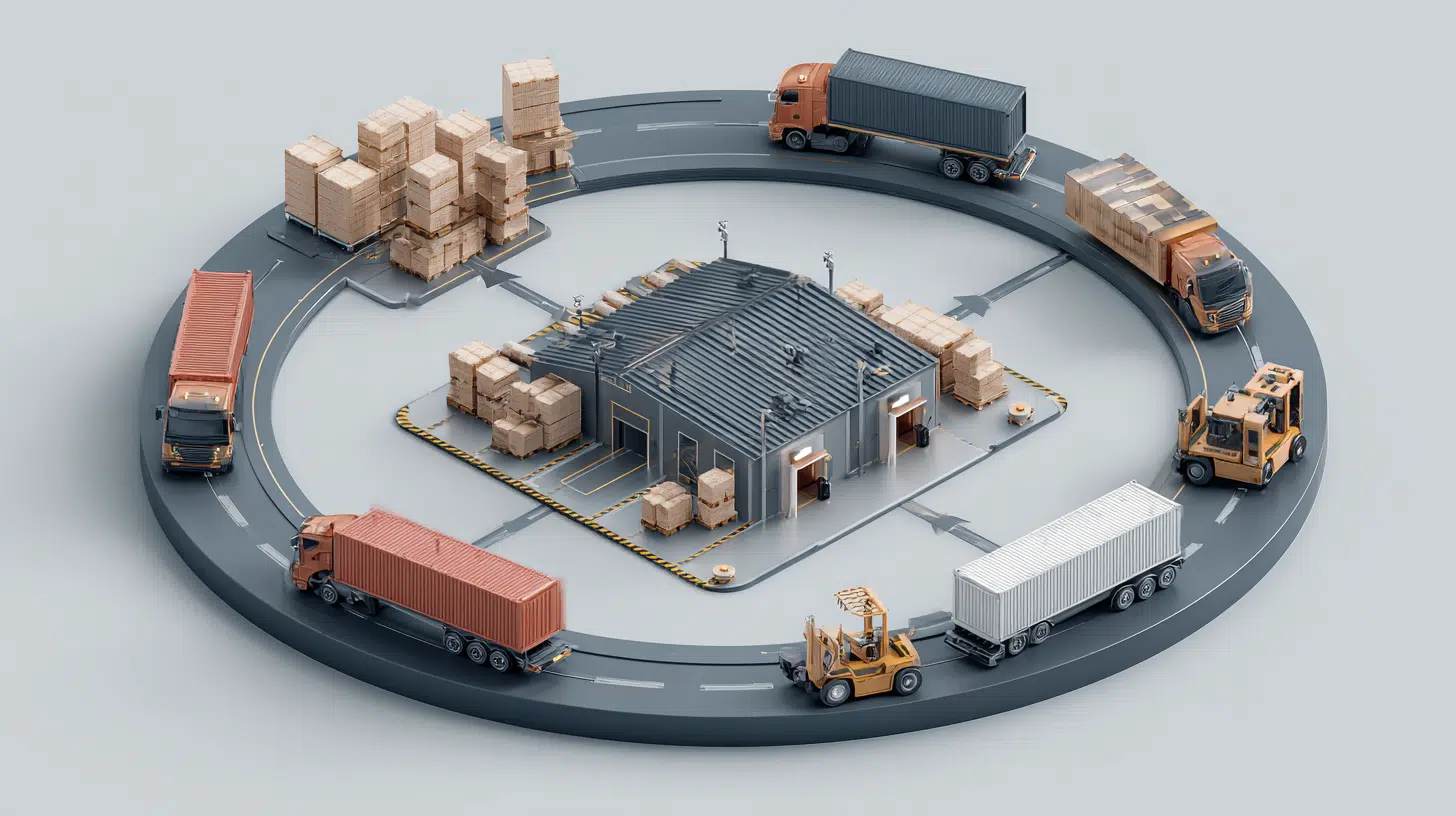
Digital tools are changing how companies deliver services and how people make everyday decisions. What used to be manual and time-consuming is now handled through apps, platforms, and data systems. This shift is visible across many industries, from logistics and retail to healthcare and pet care. It also improves communication between users and providers, reducing delays and making services more transparent and easier to track.
At the same time, users now expect more clarity, speed, and personalization. Instead of general solutions, people want services that adapt to their specific needs. This expectation has pushed companies to invest in data-driven tools that simplify complex processes and improve accuracy.
How Consumer Services Are Becoming More Digital

Consumer services have changed significantly due to automation and online platforms. Tasks such as booking, tracking, and customer support are now handled through digital systems rather than phone calls or in-person visits. This reduces delays and improves service delivery consistency.
One major improvement is the use of centralized platforms. Instead of managing multiple steps separately, users can complete everything in one place. This reduces confusion and makes processes easier to follow. For companies, it also improves efficiency by reducing manual workload.
Another key development is personalization. Businesses now use customer data to understand behavior patterns and preferences. Based on this information, they can suggest relevant services or streamline options. This reduces decision fatigue and helps users find what they need faster.
Data analytics also plays an important role. Companies collect and analyze large amounts of operational data to improve service quality. This includes tracking performance, identifying issues, and optimizing workflows. Over time, this leads to more stable and predictable service outcomes.
Digital communication tools have also improved customer interaction. Chat systems, automated updates, and dashboards provide users with real-time information, fostering transparency and trust between service providers and customers.
Data and Genetics in Modern Pet Care

Pet care has evolved from basic maintenance to a more detailed and scientific approach. Owners are now interested in understanding not only their pets’ behavior but also their biological background. This has created demand for services that combine science with simple digital access.
Genetic testing is one of the clearest examples of this shift. It allows pet owners to learn about breed composition, inherited traits, and possible health risks. This information helps in making more informed decisions about nutrition, activity levels, and preventive care.
A strong example of this innovation is Basepaws, which focuses on providing genetic insights for cats. Their approach shows how complex biological data can be turned into easy-to-understand reports for everyday users.
Cat breed dna test allows pet owners to access detailed breakdowns of their cat’s genetic profile. Instead of relying on assumptions about breed or health, owners receive structured data that helps them better understand their pets.
This type of information is also useful for veterinary care. When veterinarians have access to genetic data, they can better assess risks and recommend more targeted care plans. It improves communication between pet owners and professionals and reduces decision-making uncertainty.
Where Digital Systems Meet Everyday Services

The connection between consumer services and pet care demonstrates how digital transformation is influencing multiple areas of life simultaneously. Although these industries differ, they now rely on similar tools, such as cloud systems, automation, and data analysis.
In pet care, the same principles apply. Data collection and analysis help transform raw information into meaningful insights. Instead of general advice, users receive personalized recommendations based on specific data points.
This shift also improves decision-making. Whether someone is scheduling a service or reviewing genetic information about a pet, digital tools reduce guesswork and make information easier to interpret.
Across both industries, clarity and usability are becoming key priorities. Services are designed to be simple on the surface while relying on advanced systems in the background. This balance allows users to interact with complex information without needing technical knowledge.
As digital adoption continues, the boundary between industries becomes less visible. What matters most is how effectively data is used to improve user experience and deliver accurate, reliable results in everyday services.