Ever lie down at night and realize the room looks great, but your body is already bracing itself for a rough few hours? It’s an odd disconnect, feeling proud of how a space turned out while quietly dreading how it feels to actually use it. Most people don’t plan for that tension. It just shows up one night and sticks around.
After spending enough time around interior design and real households, a pattern becomes hard to ignore. Most comfort problems come from stacking visual decisions without stopping to ask how the room supports rest. Style is easy to see. Comfort takes longer to notice, usually when it’s missing.
Comfort Starts with How the Room Behaves at Night
A bedroom works differently after dark. Movement slows. Sounds feel louder. Light behaves in harsher ways. A layout that looks balanced during the day can feel cramped or awkward once the lights are low and the body is tired. Comfort-focused design starts by noticing those shifts. Clear walking paths matter more at night. Harsh overhead lighting becomes irritating. When those details are adjusted, the room stops demanding attention. It becomes quieter, not visually, but physically. That’s usually when sleep improves without anyone being able to point to a single reason why.
The Role of Sleep Surfaces in Real Comfort

One of the most misunderstood parts of bedroom comfort is how much the main sleep surface affects everything else. People will change paint colors, buy new rugs, swap lighting, and still wake up sore. The problem most often lies in the mattress. Support that doesn’t match the body forces muscles to work overnight. Breathing can feel restricted. Pressure builds in joints. Over time, the room feels less like a place to recover and more like a place to endure. Mattresses that adjust for each body, like those from Custom Comfort Mattress, provide targeted support that can improve the quality of sleep.
Lighting That Supports Winding Down
Lighting decisions are often made for looks first. Fixtures get chosen because they photograph well or match a theme. At night, though, light becomes functional in a different way. Too bright feels intrusive. Too dim feels unsafe or frustrating.
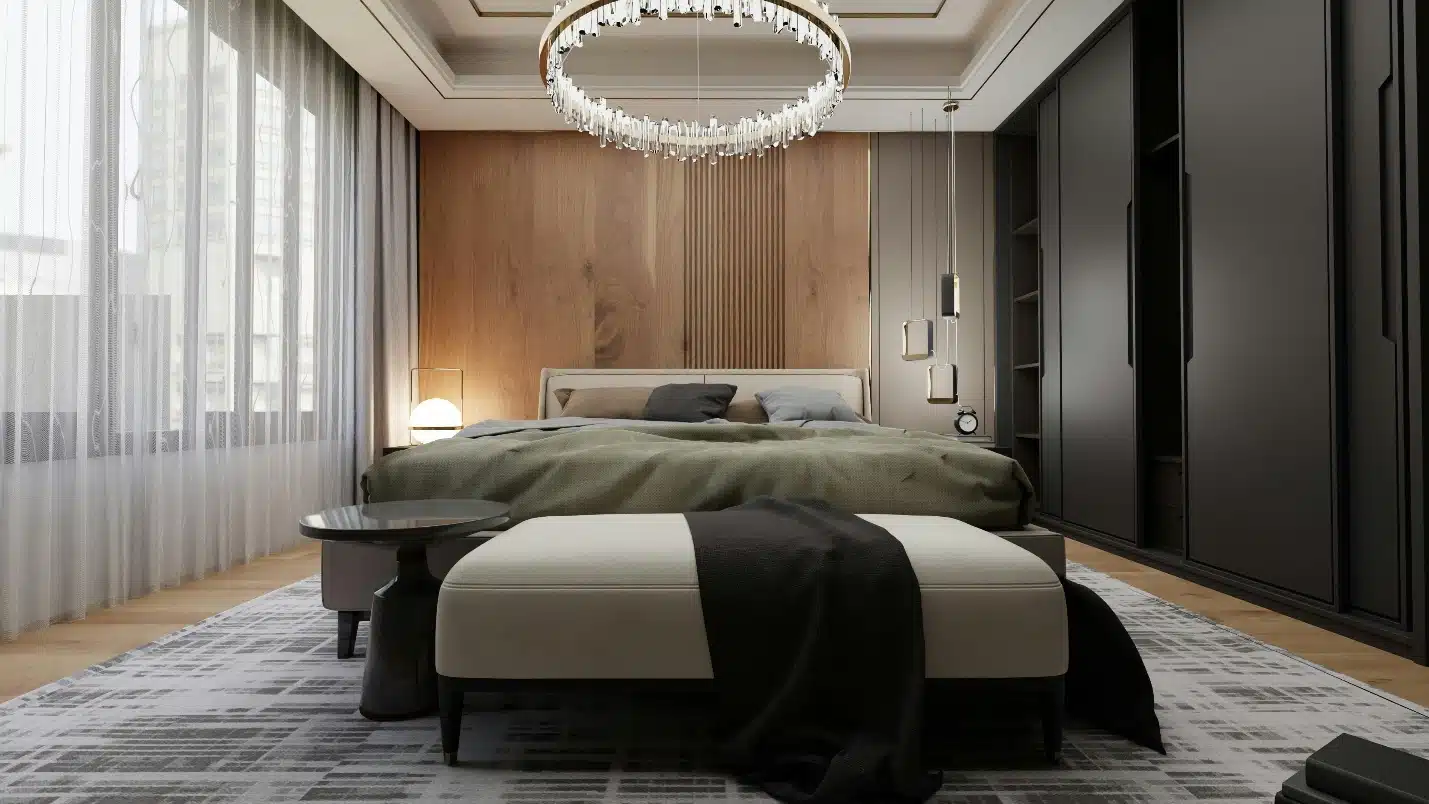
Comfort-driven lighting usually comes in layers. Soft ambient light to reduce contrast. Task lighting where it’s actually needed. Lamps that can be reached without getting up. The goal isn’t mood. It’s reducing strain on tired eyes and making transitions smoother as the day ends.
When lighting works, people stop thinking about it. That’s usually a sign it’s doing its job.
Sound, Or the Lack of It, As A Design Element
Sound control rarely gets treated as part of bedroom design, even though it shapes comfort heavily. Hard surfaces bounce noise. Gaps under doors let sound travel freely. Thin walls carry more than expected.
Soft materials absorb noise in quiet ways. Upholstered furniture, heavier curtains, and even wall art can reduce echo and sharp sounds. White noise machines or fans help mask what can’t be controlled. None of this affects how the room looks dramatically, but it changes how it feels once everything else goes quiet.
Temperature And Airflow Matter More Than Style Trends
Temperature problems tend to creep in quietly. A room might feel fine during the day, then turn stuffy or chilly once the lights go out and the body settles down. It’s rarely about hitting a perfect setting. What throws people off is inconsistency. One corner feels cold. Another traps heat. Air stops moving, or moves too much, and sleep becomes a series of small adjustments instead of real rest.
The fixes aren’t glamorous. Fans that actually circulate air, fabrics that breathe instead of trapping warmth, and window coverings that do more than look nice all help steady things overnight. These details don’t photograph well. But they show up later, in fewer wake-ups and less time spent tugging blankets into place.
Storage That Reduces Mental Clutter
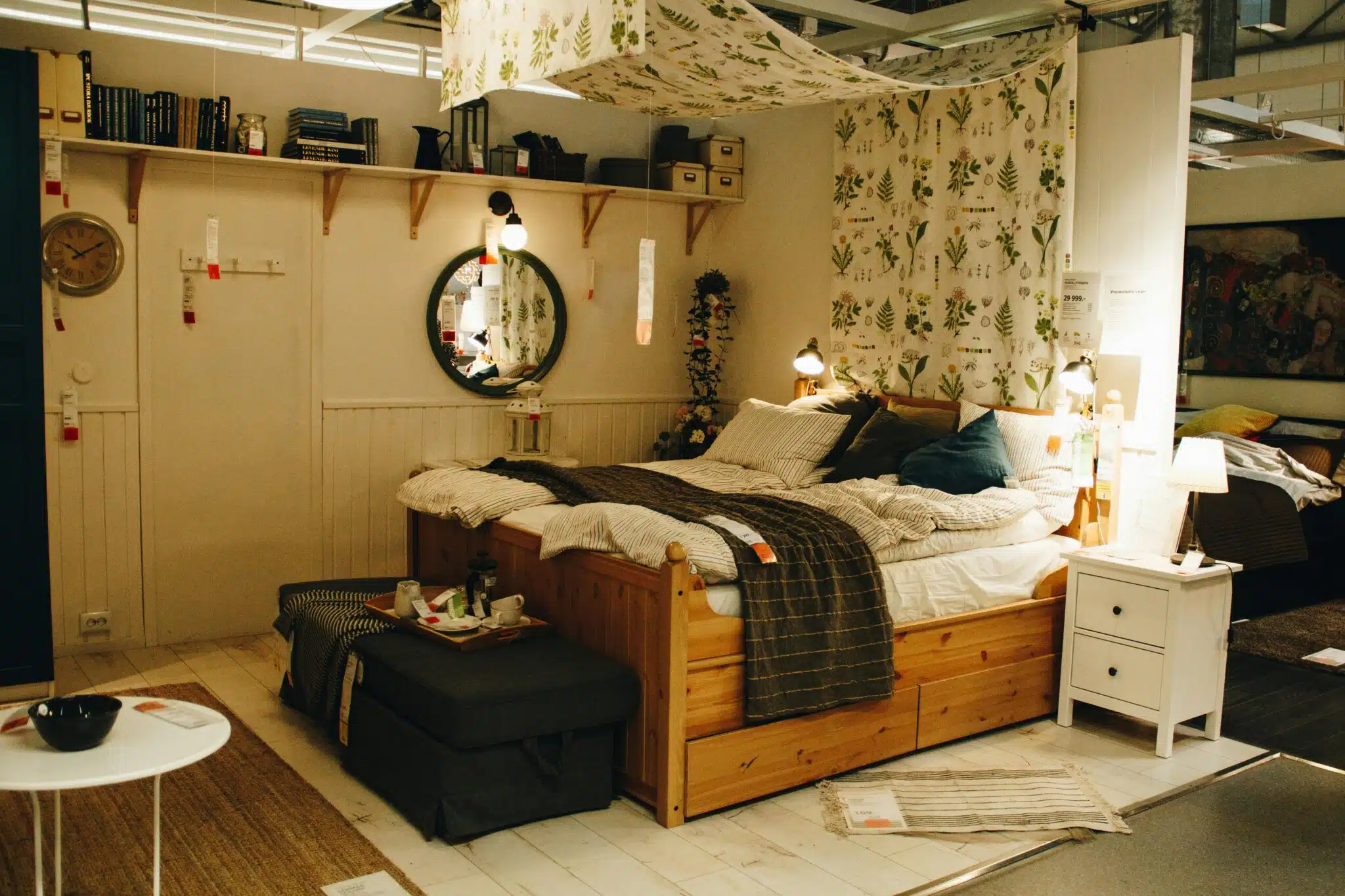
Clutter has a way of fading into the background, at least until you’re tired enough to notice it again. A surface meant to stay clear slowly collects items that don’t have a place yet. A chair turns into a holding zone. None of it feels urgent, which is why it lingers. Even when it’s familiar, the visual noise sticks around, pulling attention in small ways that are hard to explain but easy to feel at the end of the day.
Storage that’s designed with comfort in mind works quietly. Things slide away instead of stacking up. Drawers open without resistance. Surfaces hold only what’s actually used at night. When storage is doing its job, the room feels calmer without feeling stripped down, and the mind settles more easily because there’s less asking for attention.
Fabrics Chosen for Touch, Not Just Color
Texture gets overlooked in favor of color palettes. But touch is what the body notices most at night. Sheets that feel stiff. Scratchy rugs. Throws that look good but don’t invite use. Comfort-forward fabric choices feel forgiving. Breathable materials regulate temperature better. Softer weaves reduce irritation. These details don’t need explanation once experienced. People simply rest easier, even if they can’t say why.
Layout Decisions That Respect Tired Bodies
At the end of the day, bodies move differently. Corners feel sharper. Obstacles feel more annoying. A well-designed bedroom accounts for that without making it obvious. Clear space around furniture, logical placement of switches, and easy access to essentials all reduce effort. These choices don’t show up in style guides, but they show up in how smoothly the night unfolds.
A bedroom designed around comfort doesn’t announce itself. It doesn’t chase trends or demand compliments. It supports rest quietly, night after night, without asking much in return. Style still matters. It just follows the function instead of leading it. When comfort becomes the foundation, design choices feel calmer and more confident. The room stops trying to impress and starts doing what it’s meant to do, which is something most people don’t realize they’ve been missing until it finally works.