
AMT pumps play an important role in drainage management for artificial turf installations, helping contractors remove standing water, prepare stable foundations, and address moisture-related challenges throughout a project.
Although Los Angeles is known for its dry climate, sudden rainfall, compacted soil, and poorly graded landscapes can create significant drainage problems beneath synthetic grass.
Without proper water management, even a professionally installed artificial lawn can develop uneven surfaces, unpleasant odors, and premature deterioration.
Contractors working on residential lawns, commercial landscapes, and recreational facilities can use reliable water removal equipment such as AMT pumps to manage excess moisture during site preparation and drainage construction.
Why Drainage Matters in Artificial Turf Installations
Artificial grass does not require regular watering like natural grass, but it still needs an effective drainage system to handle rainfall, cleaning, and surrounding landscape runoff.
Water must travel through the perforated turf backing, enter the aggregate base, and either infiltrate the underlying soil or reach a suitable drainage outlet.
When this process is interrupted, moisture can accumulate beneath the synthetic surface and gradually compromise the installation.
For example, a homeowner in Los Angeles might replace a natural lawn with artificial grass without addressing the compacted clay soil underneath.
After heavy rainfall, water could collect beneath the turf because the underlying soil absorbs moisture too slowly.
Proper excavation, grading, aggregate selection, and water removal help contractors prevent these problems before completing artificial turf Los Angeles projects.
Managing Standing Water During Site Preparation
Preparing the ground is one of the most important stages of synthetic turf installation.
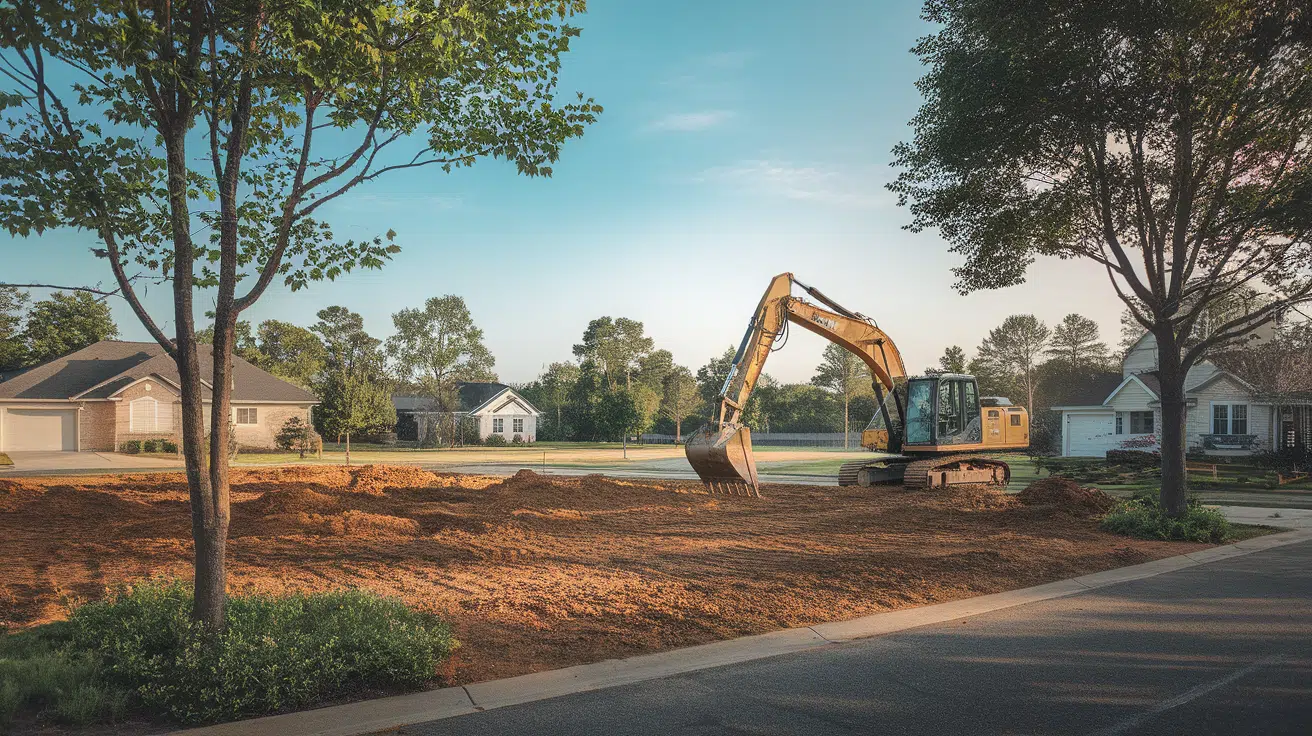
Contractors typically remove existing vegetation, excavate the required depth, and establish a suitable foundation for the aggregate base.
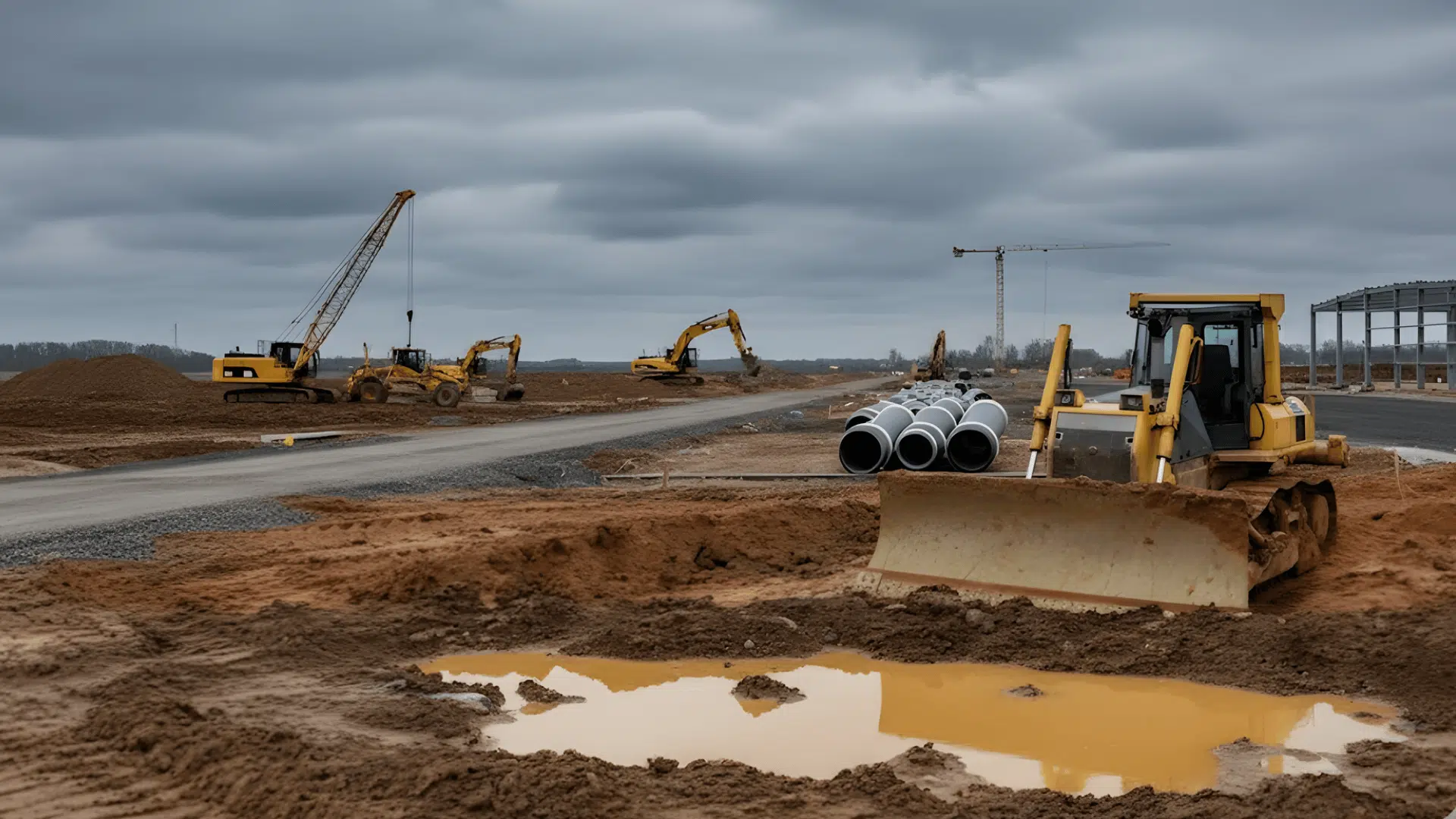
However, unexpected rainfall, irrigation leaks, or runoff from neighboring properties can leave excavated areas filled with water.
Installing crushed stone over saturated soil can make compaction difficult and increase the likelihood of foundation settlement.
Portable water pumps allow installation crews to remove accumulated water without relying entirely on natural evaporation or slow manual drainage.
Consider a backyard renovation where an excavated lawn collects several inches of rainwater overnight.
Using suitable pumping equipment can clear the excavation, allowing contractors to assess soil conditions and resume work once the ground is sufficiently stable.
Supporting Proper Grading and Base Installation
The performance of artificial turf depends heavily on what lies beneath its surface.
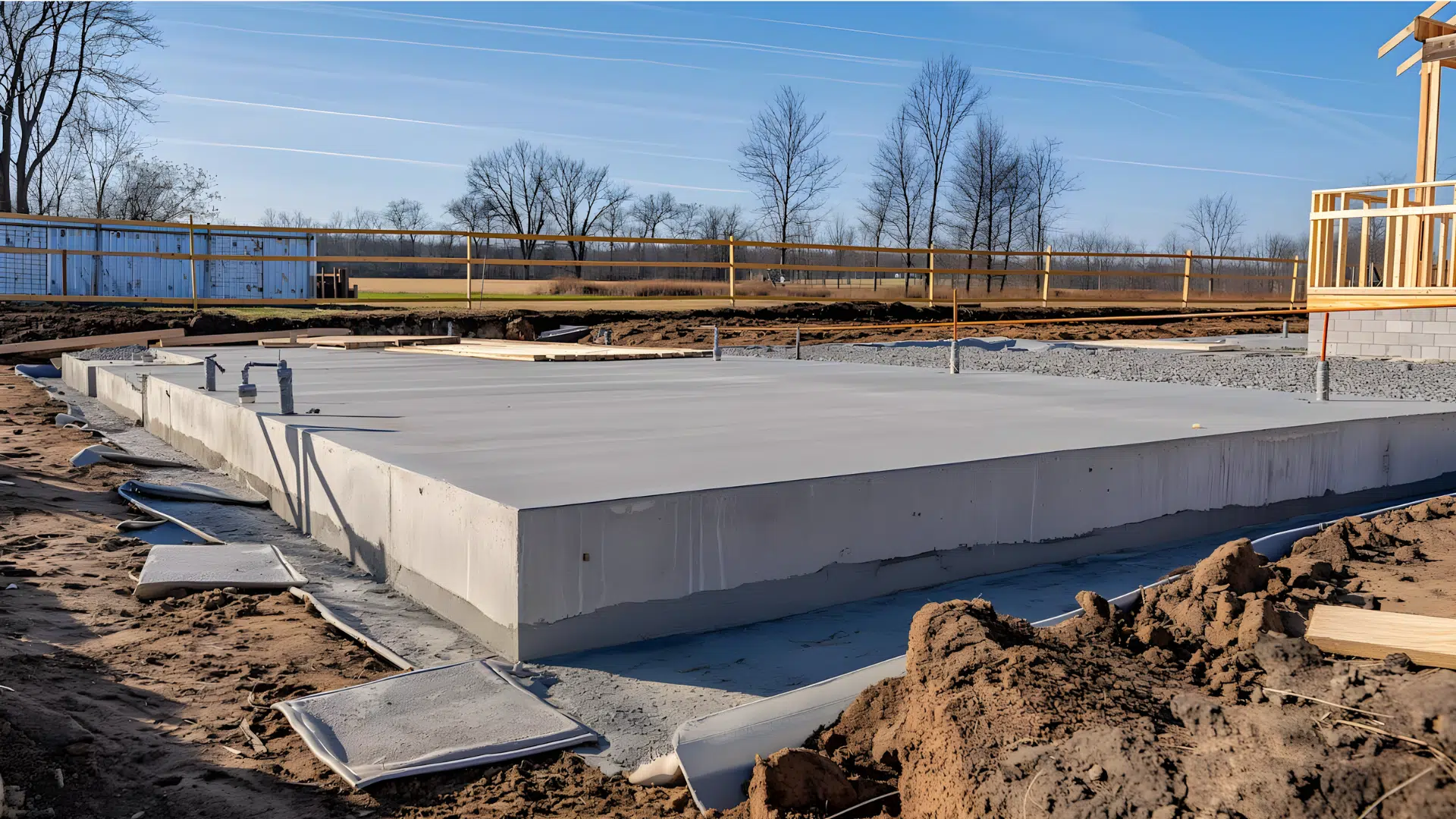
A well-prepared foundation generally consists of compacted aggregate materials that provide structural support while allowing water to move through the installation.
Contractors must establish appropriate slopes to direct runoff away from buildings, patios, retaining walls, and other vulnerable structures.
When excess water collects during grading, it becomes difficult to evaluate the true condition of the underlying soil.
Dewatering equipment helps expose low spots, soft areas, and potential drainage obstructions that might otherwise remain hidden.
Removing standing water also allows contractors to assess whether additional excavation, soil stabilization, or drainage improvements are necessary before installing the aggregate foundation.
Preventing Uneven Settlement
Excessively wet soil can shift under pressure, particularly when heavy compaction equipment operates across an unstable surface.
Over time, uneven settlement may create visible depressions, wrinkles, or pooling areas in the finished artificial lawn.
Removing excess water and allowing the soil to reach suitable compaction conditions helps establish a more consistent foundation.
This is especially important for synthetic putting greens, playgrounds, and sports surfaces where minor variations in surface elevation can affect functionality.
Choosing Suitable Pumps for Artificial Grass Projects

Different landscaping projects present different water removal requirements, making equipment selection an important consideration.
A small residential installation may only require a portable utility pump, while a larger commercial project could require equipment capable of handling greater water volumes.
Contractors should evaluate flow rate, total dynamic head, suction requirements, power availability, and the type of liquid being transferred.
Selecting equipment without considering these factors can result in inefficient water removal, unnecessary operating costs, and premature component wear.
Centrifugal Pumps
Centrifugal pumps can support water transfer applications where the liquid contains minimal debris and falls within the equipment’s operating specifications.
These pumps can be useful for clearing accumulated rainwater from prepared landscaping areas.
Their suitability depends on the required discharge capacity, pumping distance, elevation changes, and water quality.
Trash Pumps
Excavated landscaping areas often contain muddy water mixed with sediment, small stones, and organic debris.
Trash pumps designed to handle solids can be more appropriate for these demanding conditions than standard clean-water pumps.
Contractors should always check the manufacturer’s maximum solids-handling capacity before operating the equipment.
Diaphragm Pumps
Diaphragm pumps can provide practical water removal solutions for certain applications involving muddy water, sediment, and inconsistent liquid flow.
Depending on their design, these pumps may be particularly useful when managing shallow accumulations of contaminated construction water.
Choosing compatible hoses, fittings, and replacement components helps maintain dependable performance throughout demanding installation projects.
Improving Drainage in Challenging Los Angeles Landscapes
Los Angeles properties feature diverse terrain, ranging from relatively flat residential yards to steep hillside landscapes.
Each property presents unique drainage challenges that require careful planning rather than a standardized installation approach.
A hillside property, for instance, may receive substantial runoff from higher elevations during intense rainfall.
Meanwhile, a courtyard surrounded by concrete surfaces may have limited opportunities for water to infiltrate the ground naturally.
Contractors can address these conditions through appropriate grading, permeable aggregate, French drains, catch basins, and subsurface drainage systems.
Water transfer equipment supports construction by keeping excavation areas manageable while these permanent drainage features are installed.
However, temporary pumping should never replace a properly designed long-term drainage solution.
Supporting Artificial Turf Installations for Pet Areas
Synthetic grass is a popular landscaping option for dog runs, pet-friendly backyards, and commercial animal care facilities.
These environments require particularly effective drainage because the turf regularly encounters urine, cleaning solutions, and rinse water.
Poor subsurface drainage can contribute to persistent odors and moisture accumulation, making routine maintenance more difficult.
During installation, contractors may need to remove existing water, correct drainage deficiencies, and prepare a permeable foundation that supports regular cleaning.
A well-designed drainage system allows rinse water to move away from the surface rather than collecting beneath the synthetic grass.
Permanent drainage outlets must also comply with applicable local wastewater and stormwater requirements.
Reducing Construction Delays and Installation Costs
Unexpected water accumulation can disrupt landscaping schedules, particularly when multiple contractors are working on the same property.
A delayed excavation may postpone aggregate delivery, compaction, turf installation, and other scheduled construction activities.
Having suitable dewatering equipment available helps crews respond to unexpected moisture problems before they develop into larger scheduling disruptions.
For commercial landscaping projects, minimizing unnecessary downtime can also reduce labor expenses and equipment rental costs.
Preventive equipment maintenance, including inspecting hoses, seals, diaphragms, and other applicable pump components, further reduces the likelihood of unexpected breakdowns.
Maintaining Long-Term Artificial Turf Drainage Performance
Effective drainage management does not end when the artificial grass installation is complete.
Property owners should regularly remove leaves, organic debris, and accumulated dirt that could obstruct drainage openings.
Catch basins, drainage channels, and accessible outlets should also be inspected periodically, particularly before and after significant rainfall.
Persistent puddles, soft areas, or unpleasant odors may indicate underlying drainage problems that require professional assessment.
While pumping equipment can address immediate water accumulation during repairs, identifying and correcting the underlying cause is essential for preventing recurring issues.
Routine maintenance and timely drainage improvements help protect the appearance, stability, and usability of synthetic grass installations.
Conclusion
Successful artificial turf installation requires more than selecting attractive synthetic grass and securing it to the ground.
Proper water management, dependable dewatering equipment, suitable base materials, and carefully planned drainage infrastructure all contribute to long-term performance.
For Los Angeles landscaping projects, addressing moisture-related challenges during construction helps reduce foundation problems, installation delays, and unnecessary repair expenses.
By combining appropriate pumping solutions with effective permanent drainage systems, contractors can create durable artificial landscapes that remain functional, attractive, and easier to maintain throughout the year.