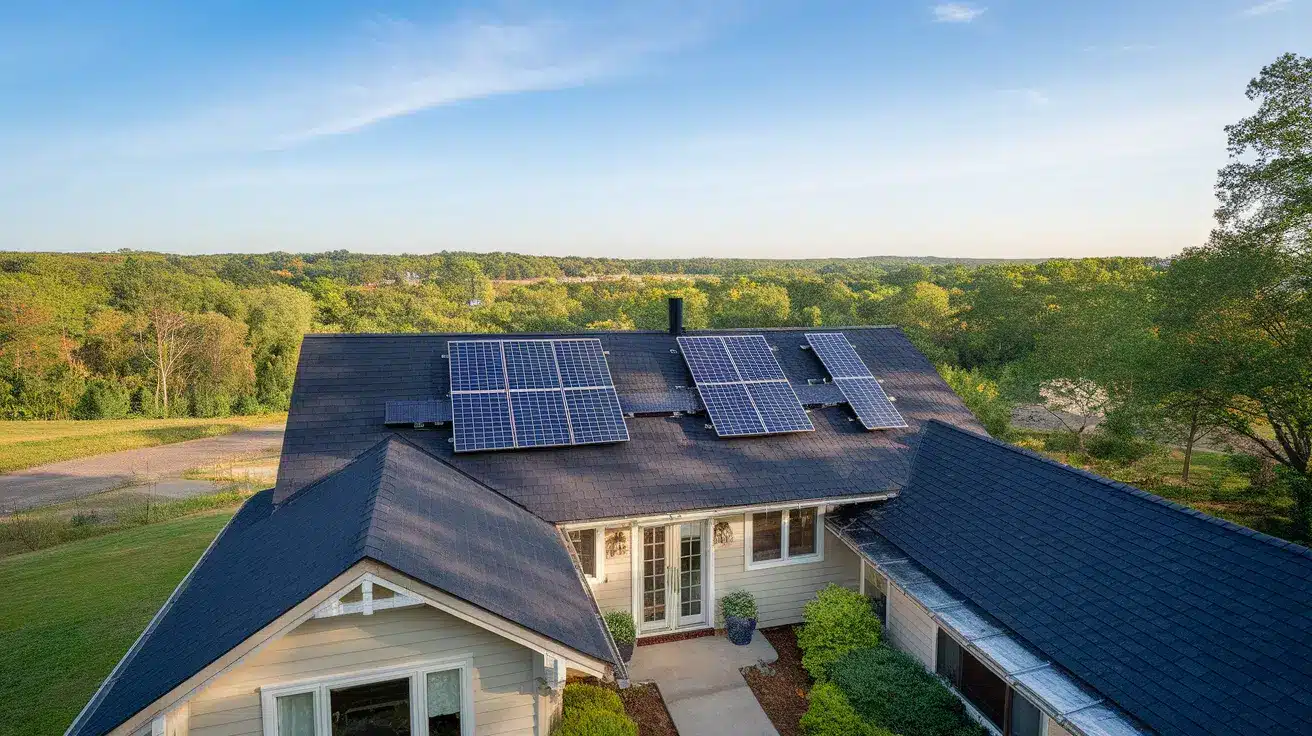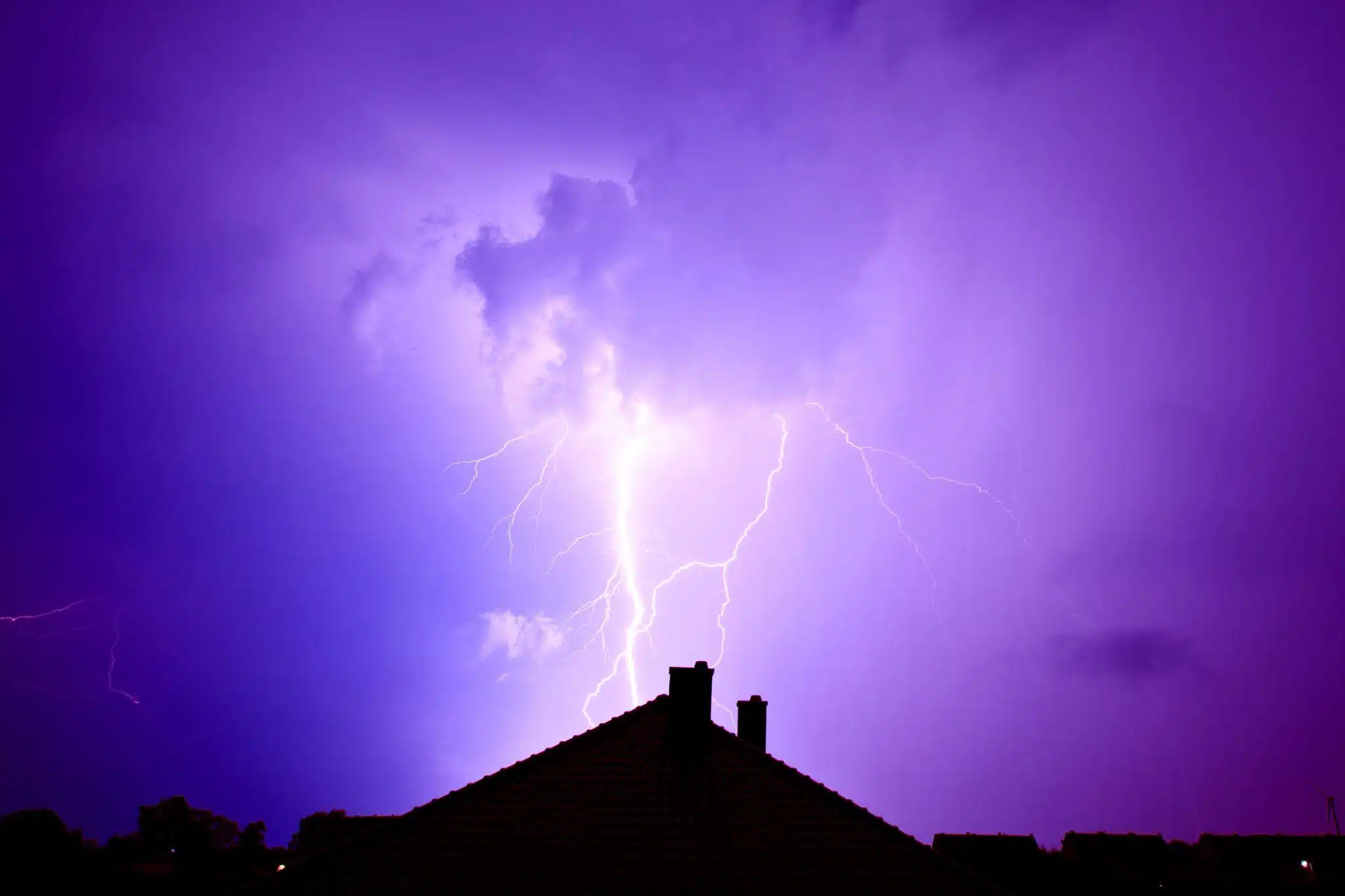
Damage may result from flying debris, rain, hailstones, and winds even if you are miles away from your place. The roof damage after a storm may be obvious, but there will be some that can be identified by small cracks, broken shingles, or flashing.
If you know what you are looking out for after a major weather occurrence, you could prevent any costs from damage because you would be able to fix it in time.
What Types of Storms Can Cause Roof Damage?
Many roofers in South San Francisco will explain that high winds can lift the shingles and also blow them away completely; wind will also blow the flashing away and loosen roof components in weak sections.
- The damage is brought about by hailstorms, where the stones crack and tear the asphalt shingles and granules, as well as dent metal roofs.
- Heavy rainfall can lead to the revelation of existing vulnerability and not just cause the actual physical damage.
- In colder climates, snow and ice can cause other issues. A roof can be subjected to a lot of stress from heavy snow.
Seemingly normal storms can create issues if the roof is aging or contained some issues to begin with.
What Are the First Signs of Roof Damage After a Storm?
Home insurance companies pay out $13,500 on average for storm damage. In some instances, storm damage can be readily observed during an initial roof inspection, and other signs will manifest during the next few days or weeks.
Homeowners should look for:
- Lifted, broken, rotted, or missing shingles
- The remnants of shingles that build up in gutters or downspouts.
- Roofing material with dents or cracks.
- Flashing around chimneys, vents, or skylights is cracked, torn, or missing.
- Components of roofs with loose or exposed connections
- Debris on roof or fallen limbs (insects, mammals)
- Ceiling or wall discovered with water stains.
- Soft insulation that is damp or smells musty in attic space
- Droopy areas of roof.
- Gutters/Downspouts that clog or become damaged.
Don’t assume that if there is a stain, the roof has a big hole. The water may run down the roofing material and through the framing and insulation to appear in the house. Any interior stain is a cause for concern, especially when it’s fairly small.

How Can You Safely Inspect Your Roof After a Storm?
Safety first, before finding the extent of the damage. Climbing the roof for a roof inspection after a storm, particularly if the roof is wet and/or damaged, should not be done by the owner of the property.
- First, do a visual check from the ground level. Look for any missing shingles or gaps, laps, or other such areas.
- An interior check includes inspecting for any signs of light shining through any parts of the roof that were supposed to be watertight, water stains, wet insulation, or leaking operations.
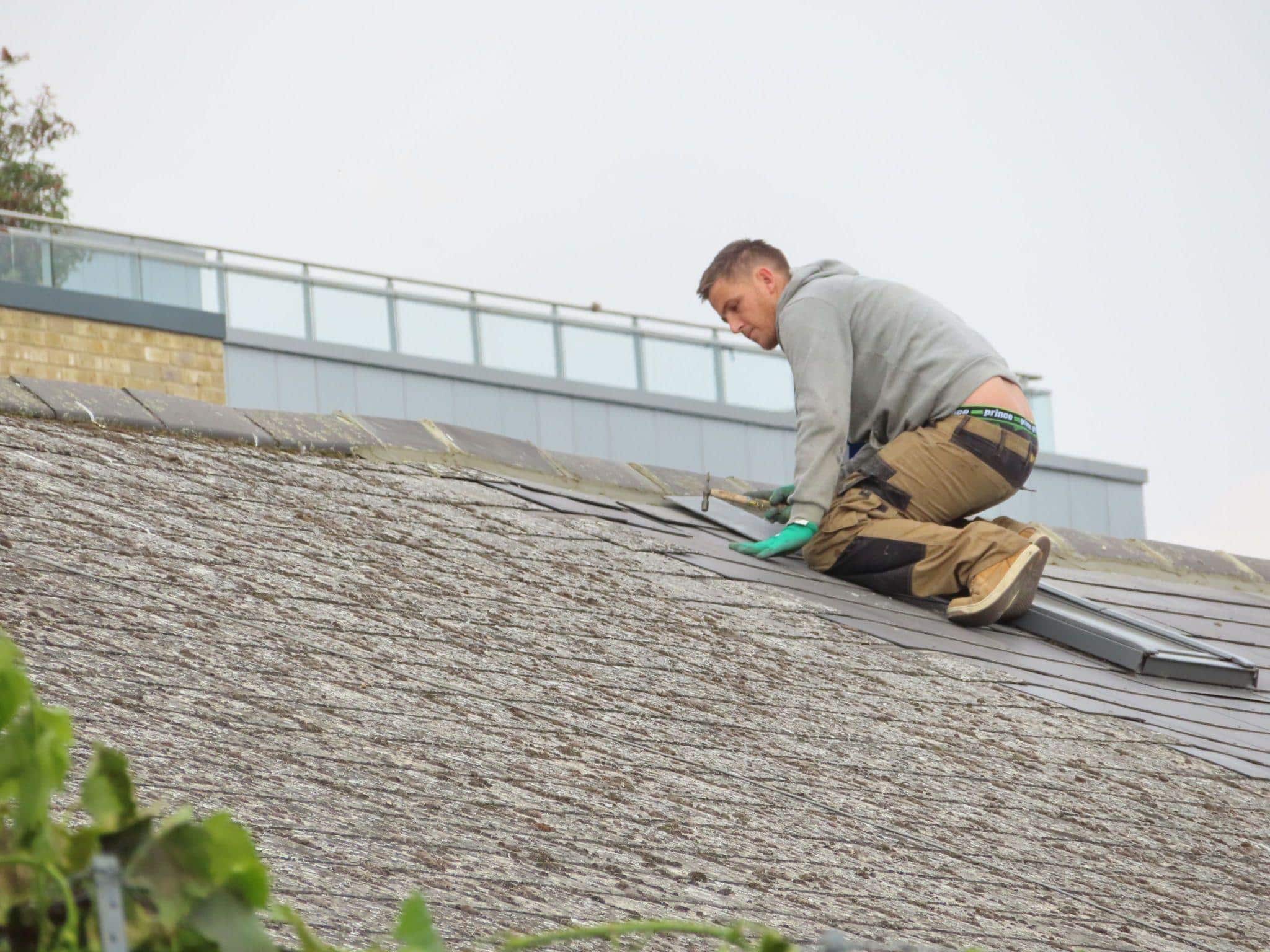
- If any type of medium to extensive damage is believed to exist, then a detailed roof inspection needs to be carried out by a professional roofing contractor.
The property owners and building owners may contact a professional company, such as Roofworx, a reputable company, for a thorough roof inspection.
What Happens If Storm Roof Damage Is Left Untreated?
Don’t ignore storm damage – that little issue can turn into a large expense. For instance, when a shingle is raised, it can provide a void for water to get to the underlying roof system.
The roof deck, insulation, as well as the frames that comprise the construction of your house, could also be damaged by moisture, especially since exposure to moisture causes mold growth on the wooden materials used to construct the house.
Repairs should thus be timely to ensure the roof remains aesthetically pleasing. They could help with maintaining the integrity of the entire house and reduce the probability of making increasingly difficult repairs.
What Should Homeowners Do After Discovering Storm Damage?
There are several steps that need to be followed by homeowners for roof repair after a storm.
- Document damage with good photos and videos, both exterior and interior.
- Remove furniture and items from areas of wetness and place receptacles to catch any water coming into the building.
- It is time to contact the insurance company.
- Schedule a professional inspection for a roof damage assessment.
Major storms can bring in offers from people who aren’t a person’s direct competitors, offering services that can be done in a hurry.
Conclusion
The effects of storms can not only be hard to determine but can also have some significant variations once detected during the early stages. If the roof is missing shingles, has some dented and damaged flashing, and has water-stained material within it, then there might be a need for an emergency roof repair to be conducted.