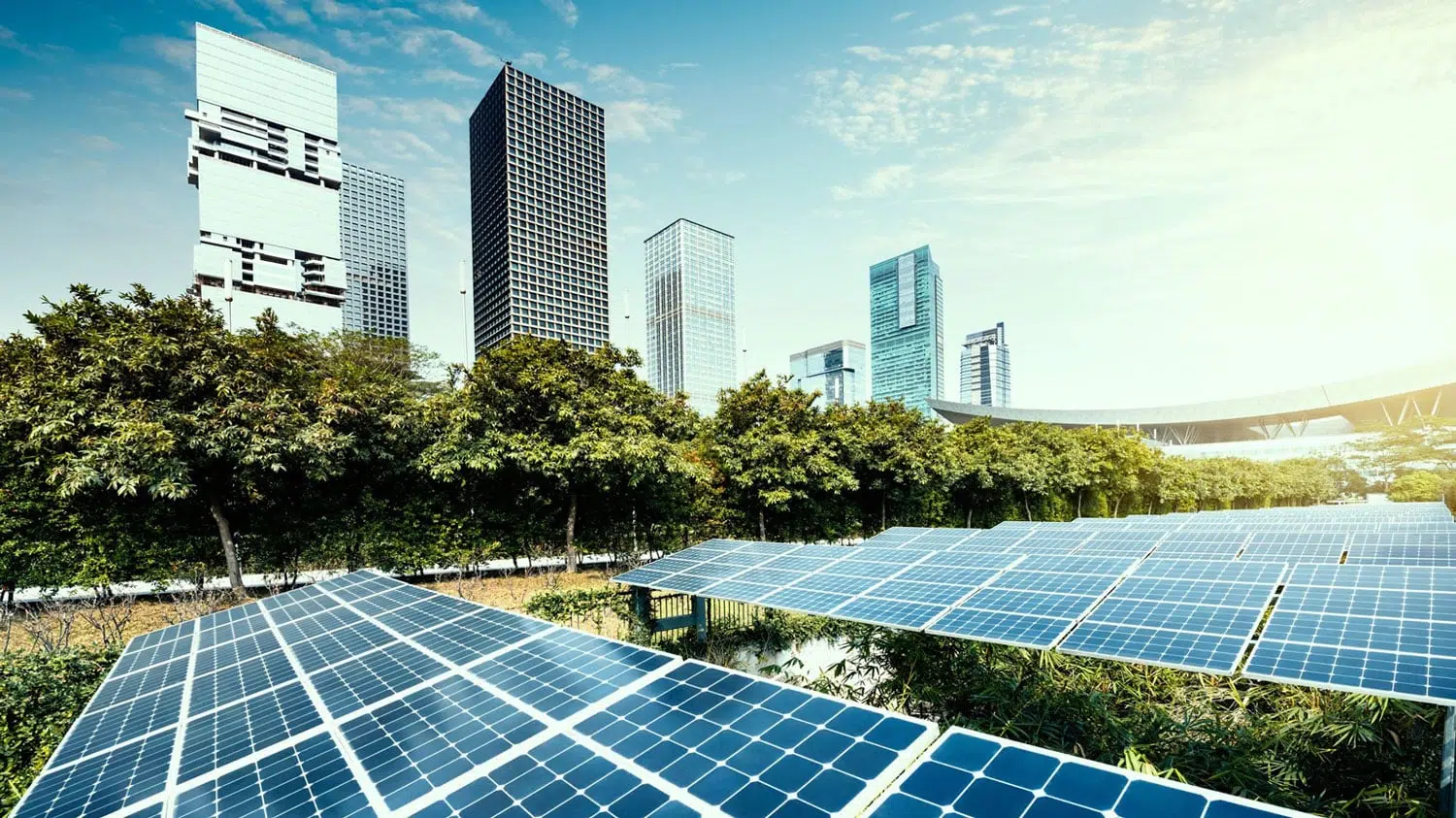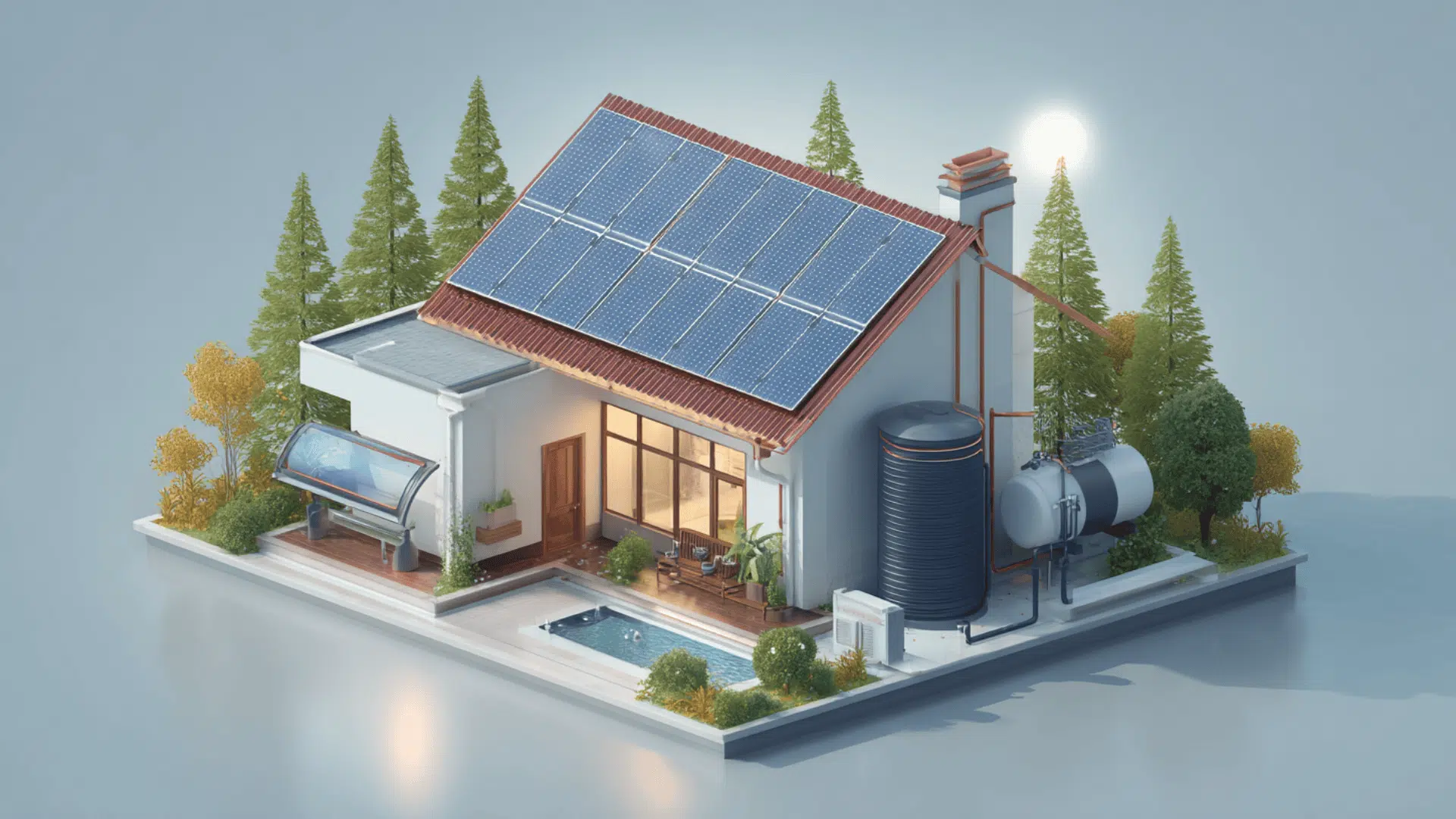
Sunlight isn’t just for power; it can also heat your home efficiently through active solar heating.
This system uses mechanical parts like pumps and fans to capture and move heat, making it a reliable choice even in varied climates.
While many know about solar panels for electricity, few realize how effectively the same energy can warm water and indoor spaces.
In this blog, I’ll explain how active systems work, what they cost, and how they compare to passive options. You’ll also see their benefits, limitations, and what to expect in performance over time.
Active Solar Heating: What It is and How It Works
Active solar heating is a system that uses mechanical parts like pumps or fans to collect, store, and distribute heat from the sun.
Unlike passive solar heating, which depends on building design and sunlight direction, active systems move heat actively using fluids or air, making them suitable for both space and water heating in many climates.
How Active Solar Heating Works
Active solar heating systems convert sunlight into usable heat through a few simple steps. Here’s how the process flows:
- Solar collectors: Panels, usually installed on rooftops, absorb sunlight and convert it into heat.
- Heat transfer fluid: This fluid (air or liquid like water or antifreeze) carries the captured heat through the system.
- Pumps and fans: These mechanical parts move the heated fluid from the collectors to a storage tank or directly into the building’s heating system.
- Storage: The heat is kept in insulated tanks or rock beds until it’s needed, allowing use even when sunlight is limited.
- Distribution: Finally, the warmed air or water is circulated throughout the home, providing consistent indoor comfort.
Types of Active Solar Heating Systems
Active solar heating systems collect and move heat in two main ways: liquid-based and air-based. Each type suits different home setups and heating needs.
Liquid-Based Systems
These systems use water or antifreeze to carry heat from the solar collectors to where it’s needed. They’re most effective for radiant floor heating, baseboard heating, or domestic hot water.
They’re popular because liquids hold heat well, making the system efficient and steady.
However, installation and upkeep can be more complex. Pipes must be insulated and protected from freezing, and periodic checks for leaks are necessary.
While initial costs are higher, their long-term efficiency often offsets them for households seeking year-round reliability.
Air-Based Systems
Air-based systems use fans to circulate warm air through ducts or directly into living areas. They’re simple, low-maintenance, and easier to retrofit into existing homes. These systems work well in mild climates or as a supplement to existing heating.
Their main limitation is that air stores less heat than liquid, so efficiency can drop on cloudy days or overnight.
Still, they’re a practical choice for those who want a low-risk, low-maintenance option without dealing with plumbing or antifreeze systems.
Components of a Solar Heating System

Every active solar heating system relies on a few essential parts that work together to collect, store, and distribute heat. Each component plays a specific role in keeping the system efficient and reliable.
1. Solar Collectors
These panels are usually mounted on a roof or open area facing the sun. Their job is to absorb sunlight and convert it into heat.
- Flat-plate collectors are the most common and affordable.
- Evacuated tube collectors work better in cold or cloudy climates.
They form the foundation of the system, as the amount of energy captured here determines overall performance.
2. Heat Transfer Fluid
The heat transfer fluid (either water, air, or a water–antifreeze mix) moves the collected heat from the panels to storage or directly into the home’s heating system.
It must be durable, noncorrosive, and capable of withstanding both high and low temperatures.
3. Pumps or Fans
These are the mechanical parts that make an active system “active.”
- Pumps circulate liquid in hydronic systems.
- Fans push warm air through ducts in air-based setups.
Their operation is controlled by sensors that turn them on or off based on temperature changes.
4. Heat Exchanger
A heat exchanger transfers warmth from the solar-heated fluid to the home’s water or air system without mixing the two fluids.
This keeps the system safe and efficient, especially when antifreeze solutions are used.
5. Storage System
A storage tank or rock bed holds the captured heat until it’s needed.
- Liquid systems use insulated tanks.
- Air systems may use rock bins or phase-change materials to store heat.
Good insulation is crucial to reduce energy loss overnight or on cloudy days.
6. Distribution System
This part delivers the stored heat throughout the home.
It may connect to radiant floors, baseboard heaters, or forced-air systems, depending on the setup. The goal is to ensure even heat distribution for comfort and efficiency.
Active vs. Passive Solar Heating

Both systems rely on sunlight for heat but work differently. Active solar heating uses pumps and fans to move heat, making it more flexible and effective in varied climates. It suits both new and existing homes, but costs more to install and maintain.
Passive solar heating depends on the home’s design, using windows, walls, and floors to collect and store heat naturally. It’s low-cost and low-maintenance, but less adaptable, performing best in buildings designed for it.
| Feature | Active Solar Heating | Passive Solar Heating |
|---|---|---|
| Integration | Can link with traditional heating or hot-water systems for hybrid use. | Works independently; efficiency depends on design and placement. |
| Ideal Climate | Performs reliably even in cold or cloudy regions. | Best suited to sunny, mild climates with consistent solar access. |
| Cost Range | $8,000–$18,000 depending on size and system type. | Minimal added cost during construction; little to no equipment needed. |
| Maintenance | Needs periodic checks for pumps and sensors. | Nearly maintenance-free after completion. |
| Performance Stability | Stores heat for consistent output in varying weather. | Can fluctuate with sunlight and seasonal changes. |
| Environmental Benefit | Cuts fossil-fuel use and lowers household emissions. | Has no operational emissions once built. |
Advantages and Disadvantages of Active Solar Heating
Active solar heating has clear strengths and some practical challenges to consider.
Advantages
- Cuts heating costs: Can reduce water and space heating bills by 50–70%, depending on location and system size.
- Eco-friendly: Lowers carbon emissions by using renewable solar energy.
- Works year-round: Storage tanks and pumps help keep heat available even on cloudy days.
- Flexible use: Can heat water, air, or both, and integrates with other systems.
- Durable: Well-maintained systems last 20+ years with minimal running costs.
Disadvantages
- High upfront cost: Installation ranges from $8,000–$18,000, depending on system complexity.
- Needs sunlight: Output drops during long cloudy or winter periods, requiring a backup heater.
- Requires maintenance: Pumps, sensors, and fluids need periodic checks.
- Space needs: Collectors and tanks take up roof and storage space.
- Variable payback: Payback time depends on climate, energy prices, and system size (typically 7–10 years).
Cost, Efficiency, and Payback of Active Systems
Active solar heating systems involve a noticeable upfront cost, but they often repay that investment through steady energy savings and long-term reliability.
Cost
For most homes, installation runs between $8,000 and $18,000, depending on size, system type, and labor costs.
Liquid-based setups are generally more expensive because they use insulated pipes and antifreeze loops, while air-based systems cost less and fit more easily into existing homes.
Maintenance is modest, usually $150–$300 a year for fluid checks, pump servicing, and inspections. Many regions also offer 20–30% in tax credits or rebates, which help offset installation costs and shorten payback time.
Efficiency
An active solar heating system typically converts 50–70% of the sun’s energy into usable heat.
Performance is highest when collectors face south and get direct sunlight for most of the day. Well-insulated storage tanks keep the system efficient overnight or during cloudy spells.
While efficiency can drop in extended overcast periods, mechanical circulation and heat storage help maintain steady output.
Payback
Most homeowners recover their investment within 7–10 years through lower utility bills.
In sunny regions with high heating costs, payback can happen in as little as five to six years. In colder or cloudy climates, it may stretch to around twelve years.
Once paid off, the system provides low-cost heat for decades, often lasting 20 years or more with minimal upkeep.
Installation and Maintenance of Solar Heating Systems

Installing an active solar heating system requires planning and professional setup to ensure safety and efficiency. Once installed, maintenance is fairly simple and helps extend system life.
Installation
Before installation, the site should be checked for sun exposure, roof angle, and shading. Collectors are usually placed on south-facing roofs for maximum sunlight.
Professionals handle the connection between collectors, pumps, and storage tanks. The system also needs insulation for all pipes or ducts to prevent heat loss.
Homes in colder regions may use antifreeze solutions in liquid-based systems, while air-based systems require properly sealed ducts to maintain airflow. After installation, the system is tested for pressure, flow rate, and temperature balance to ensure smooth operation.
Maintenance
Active systems don’t need frequent servicing, but regular checks keep them efficient.
- Inspect collectors: Clean glass surfaces once or twice a year to remove dust or debris.
- Check pumps and sensors: Make sure they’re running smoothly and responding to temperature changes.
- Monitor fluids: Replace antifreeze every few years in liquid-based systems to prevent corrosion or freezing.
- Check storage tanks: Look for leaks or insulation damage.
A short yearly inspection by a professional is usually enough. With consistent care, most systems operate reliably for 20 years or more.
Is Active Solar Heating Right for You?
Active solar heating can be a smart choice, but it depends on your home’s design, climate, and energy goals. Understanding when it works best helps you decide if it’s worth the investment.
Here’s a quick look at when active solar heating performs best and when it might not be ideal:
| Situation | Ideal for Active Solar Heating | Not Ideal for Active Solar Heating |
|---|---|---|
| Sunlight Exposure | Homes with strong, consistent sunlight and minimal shading. | Areas with frequent cloud cover or tall surrounding buildings. |
| Roof Orientation | South- or southwest-facing roofs with open exposure. | North-facing roofs or limited roof space. |
| Climate | Sunny or moderately cold regions with clear winters. | Very cloudy, forested, or shaded environments. |
| Existing Systems | Homes with central heating or water systems that can integrate solar. | Homes using standalone or irregular heating setups. |
| Budget & Timeline | Homeowners planning to stay long term and invest in sustainability. | Those seeking short-term housing or minimal upfront costs. |
| Maintenance Willingness | Owners comfortable with basic annual checks. | Those wanting a completely maintenance-free option. |
If your home gets plenty of sunlight, you plan to stay long term, and you don’t mind light maintenance, active solar heating can reduce heating costs by up to 70% and improve energy independence.
A professional site assessment can confirm whether your roof, layout, and location are a good match.
Wrapping Up
Active solar heating brings together technology and sustainability to make homes warmer and energy bills lighter.
With the right setup and sunlight conditions, it can cover a large portion of a home’s heating needs while reducing environmental impact. Its upfront cost may feel steep, but the long-term savings and reliability often make it worth it.
If your home gets good sun exposure and you’re planning to stay long term, this system can be a practical step toward lower energy use and greater independence.
Check out local incentives, get a site assessment, and consider installing active solar heating to see lasting benefits.