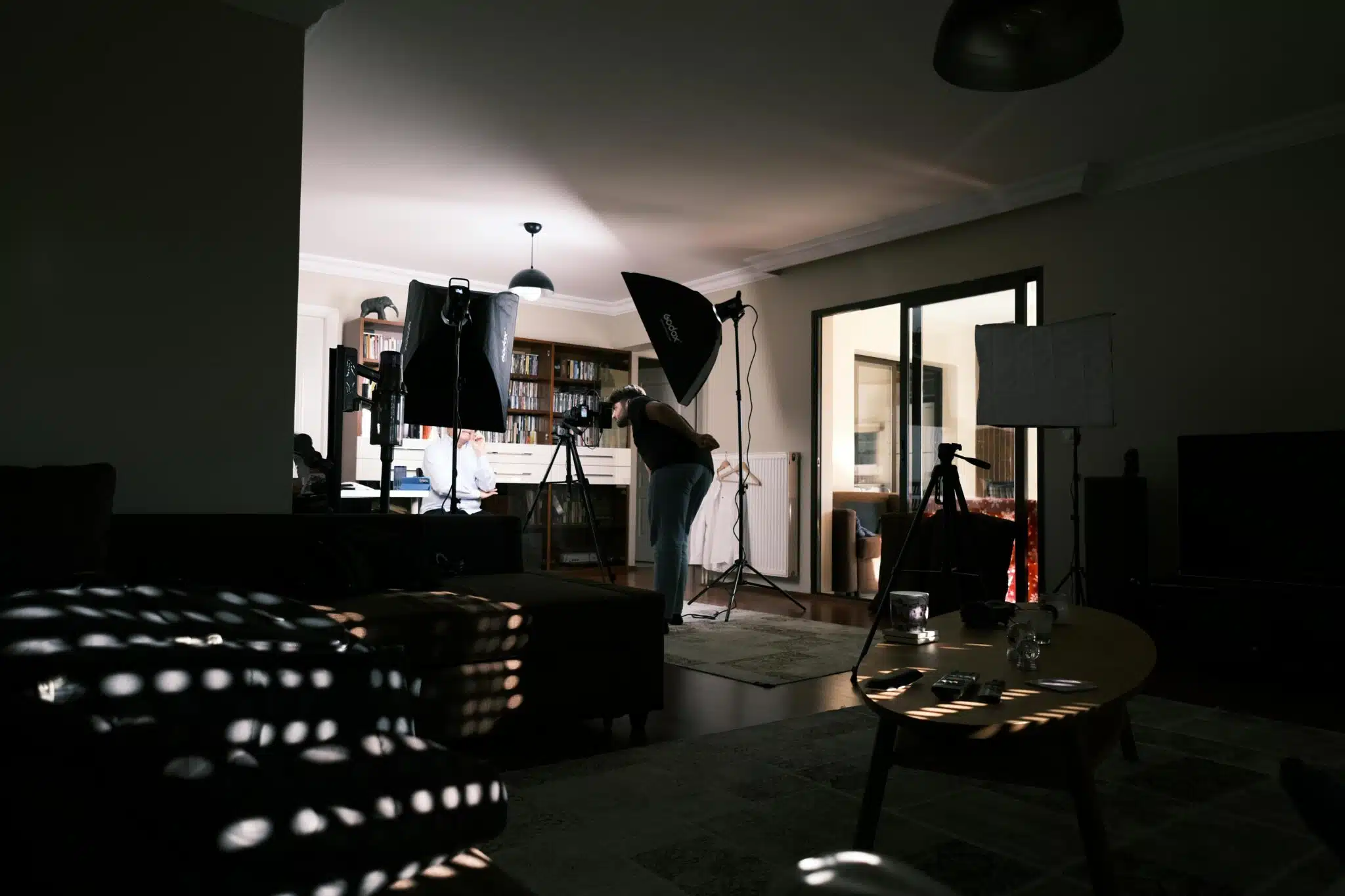
A good home studio does not have to look like a control room in a million dollar recording facility. In fact, the best setups often start with a spare room, a corner of the basement, or even a section of the living room that slowly evolves into something creative and personal. What matters most is building a space that makes you want to sit down, plug in, and play. When a room feels inviting and thoughtfully arranged, creativity tends to show up more often.
Designing a home studio blends sound, comfort, and visual style in a way that feels surprisingly similar to decorating any other room in the house. A few practical choices go a long way, and the end result can feel both functional and genuinely beautiful.
Start With The Instruments That Drive Your Sound
Most home studios grow around the instruments that inspire the player. For many musicians, that means creating a place where an acoustic guitar is easy to reach and easy to record. A guitar on a stand beside your chair will get played far more often than one stored in a case across the room.
That simple principle shapes the entire room. If guitars are the centerpiece, give them breathing room. A wall-mounted rack or a clean row of stands keeps the instruments visible and accessible while adding visual interest. Wood tones from guitar bodies bring warmth to the space, and the shapes themselves become part of the room’s design.
Lighting matters more than people expect. Natural light makes long practice sessions feel less confined, but soft lamps also help in the evening when recording or writing late at night. The goal is a relaxed atmosphere where sitting down with a guitar feels like a natural part of the day rather than a scheduled task.
Choose Furniture That Supports Long Creative Sessions
Comfort is not a luxury in a home studio. It is survival. Anyone who has spent three hours hunched over a keyboard or guitar knows how quickly an uncomfortable chair drains energy.
A supportive chair and a solid desk make the entire room feel professional, even if the equipment list is modest. Many musicians gravitate toward wide wooden desks that leave room for audio interfaces, notebooks, and a few pedals without feeling crowded.
Shelving can also quietly elevate the space. A short bookshelf beside the desk might hold recording notebooks, cables, small speakers, and even a few favorite records. Instead of looking like a pile of gear, the studio begins to resemble a curated creative space.
Texture helps here too. A rug under the desk softens sound reflections while making the room feel grounded. Thick curtains along a wall can serve a similar purpose while adding visual warmth.
Let The Room Layout Shape The Sound
The placement of furniture and equipment affects far more than aesthetics. Sound reflections bounce off hard surfaces and corners, which means the overall living room layout of a home studio directly shapes how recordings will sound.
Positioning the main desk so it faces into the room rather than into a wall often improves monitoring accuracy. Speakers placed at ear level with some breathing space behind them reduce muddiness and make mixing easier.
Large furniture pieces, such as couches or bookcases, can help break up reflections naturally. Even a wall of books adds diffusion that smooths out the room’s sound. Musicians sometimes spend thousands on acoustic panels when everyday furniture can quietly solve half the problem.
This approach also keeps the room feeling like part of the home rather than a sealed technical chamber. The result is a studio that works acoustically while still feeling welcoming.
Build Layers Of Sound Control Without Killing The Vibe
Professional studios rely on carefully engineered acoustic treatment, but home setups benefit from a lighter touch. The goal is to reduce harsh echoes without stripping the room of character.
Start with soft surfaces. Rugs, upholstered chairs, and fabric wall hangings absorb high frequencies naturally. From there, simple acoustic panels placed behind speakers or alongside walls can refine the sound further.
Bass buildup often hides in corners, so placing thicker materials in those areas can tighten the overall mix. Even tall bookshelves or dense curtains can perform double duty as design elements and acoustic helpers.
The key is restraint. A room covered in foam might control sound well, but it rarely inspires creativity. A balanced space that looks good and sounds good keeps people coming back.
Create A Studio That Feels Personal
A home studio should reflect the person using it. This is where the design moves beyond equipment and into the atmosphere.
Artwork, vintage posters, framed album covers, and even old concert tickets can fill the walls with inspiration. Plants soften the edges of a room filled with electronics and bring a little life into long recording sessions.
Small details also shape the mood. A favorite lamp, a stack of vinyl records, or a handmade guitar strap hanging nearby can make the studio feel less like a workspace and more like a creative refuge.
Musicians tend to spend countless hours in these rooms, so the environment should reward that time. When the space feels authentic and lived in, creativity tends to follow.
A great home studio is rarely finished in a single weekend. It evolves gradually as new instruments arrive, gear changes, and the musician’s habits grow clearer over time. What starts as a simple desk and guitar stand often becomes a place where songs are written, ideas are recorded, and creativity feels effortless. When the room works both visually and acoustically, it quietly becomes the part of the house you never want to leave.