A dining room renovation changes the way a home feels. Walls look brighter, the table suddenly seems more important, and the entire space invites people to gather again. What often gets overlooked is the quieter part of the transformation, restocking the room so it works as beautifully as it looks. After construction dust clears and furniture settles back into place, the dining room becomes a blank canvas again. The fun part begins when you rebuild the everyday pieces that make meals, celebrations, and weeknight dinners feel effortless.
A thoughtful restock does not mean filling every cabinet overnight. It means choosing the items that make the room feel complete and welcoming again, the kind of things you reach for without thinking because they simply work.
Start With A Clean Foundation
Renovations tend to scatter belongings across the house. Boxes get tucked into closets, serving dishes end up in the pantry, and glassware migrates to kitchen shelves where it does not belong. Before buying anything new, take a slow inventory of what actually survived the remodel.
Pull everything together in one place and look at it honestly. Some pieces may still feel perfect for the refreshed space, while others suddenly seem tired or mismatched against new paint, flooring, or furniture. Dining rooms thrive on cohesion, so this moment becomes an opportunity to curate what stays.
You might notice gaps as you sort. Maybe you only have four matching glasses left from an old set, or half the serving bowls chipped years ago. Those little realizations guide smarter purchases later. A renovated room rarely needs more things, it simply needs the right ones.
Choose Dinnerware That Works For Everything
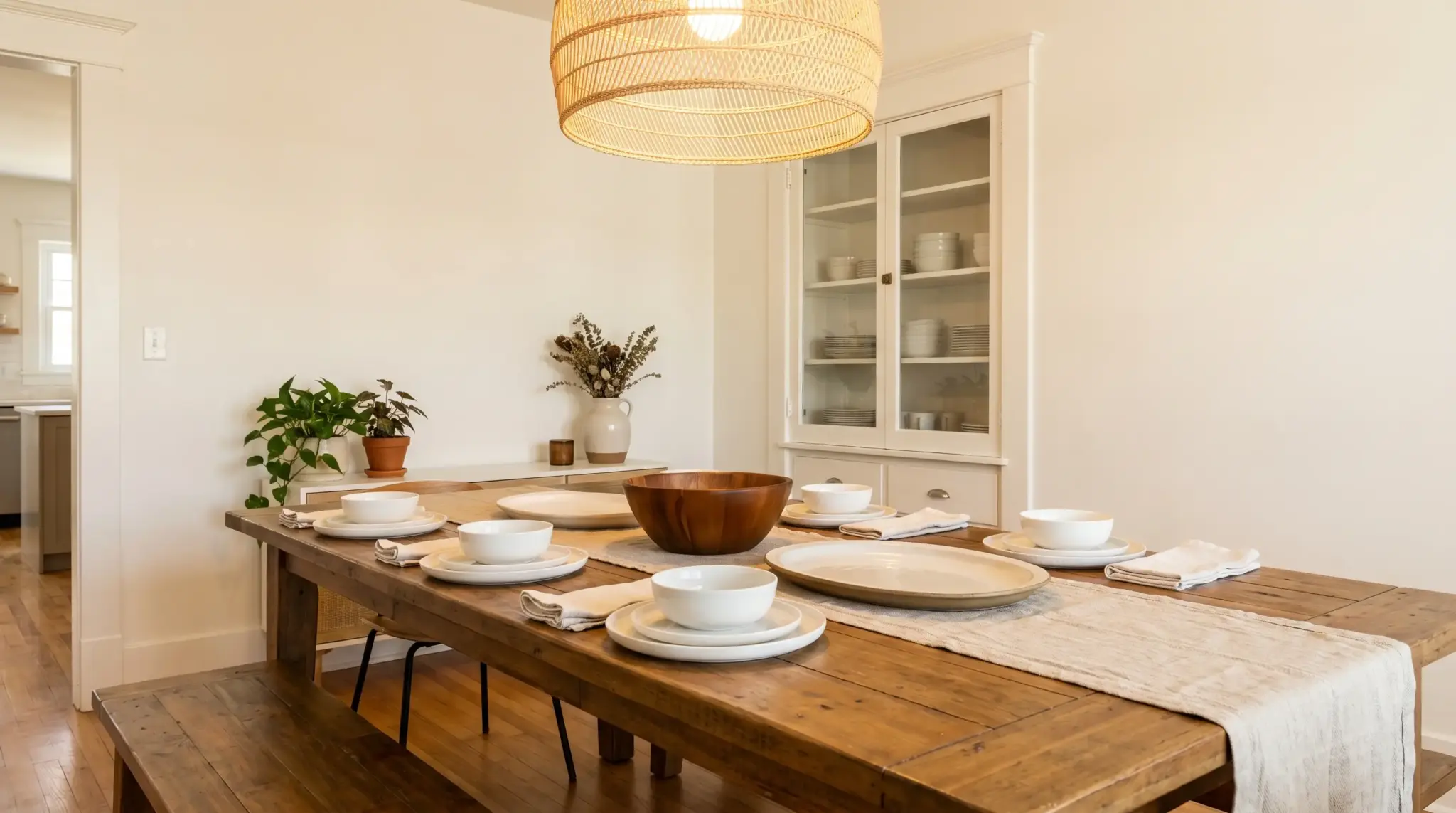
Dinnerware sits at the center of every dining room. When the basics feel right, the entire table falls into place without much effort. That is why so many designers lean toward white dinnerware sets when helping homeowners restock a space after renovation.
Simple white plates offer a quiet backdrop that works with almost any table setting. Casual pasta night, a birthday dinner, or a holiday gathering all look polished without needing different dishes for each occasion. White also reflects light beautifully, which helps a dining room feel brighter and more open.
Durability matters just as much as appearance. Stoneware or porcelain pieces that handle daily use can move easily from dishwasher to table without worry. Many homeowners keep twelve place settings on hand so the room can shift from family dinners to larger gatherings without scrambling for extra plates.
Bring Back The Serving Pieces That Make Meals Flow
Dinnerware handles individual place settings, but serving pieces keep meals moving comfortably across the table. A dining room that lacks them feels awkward during gatherings, with guests passing around cookware instead of dishes designed for the moment.
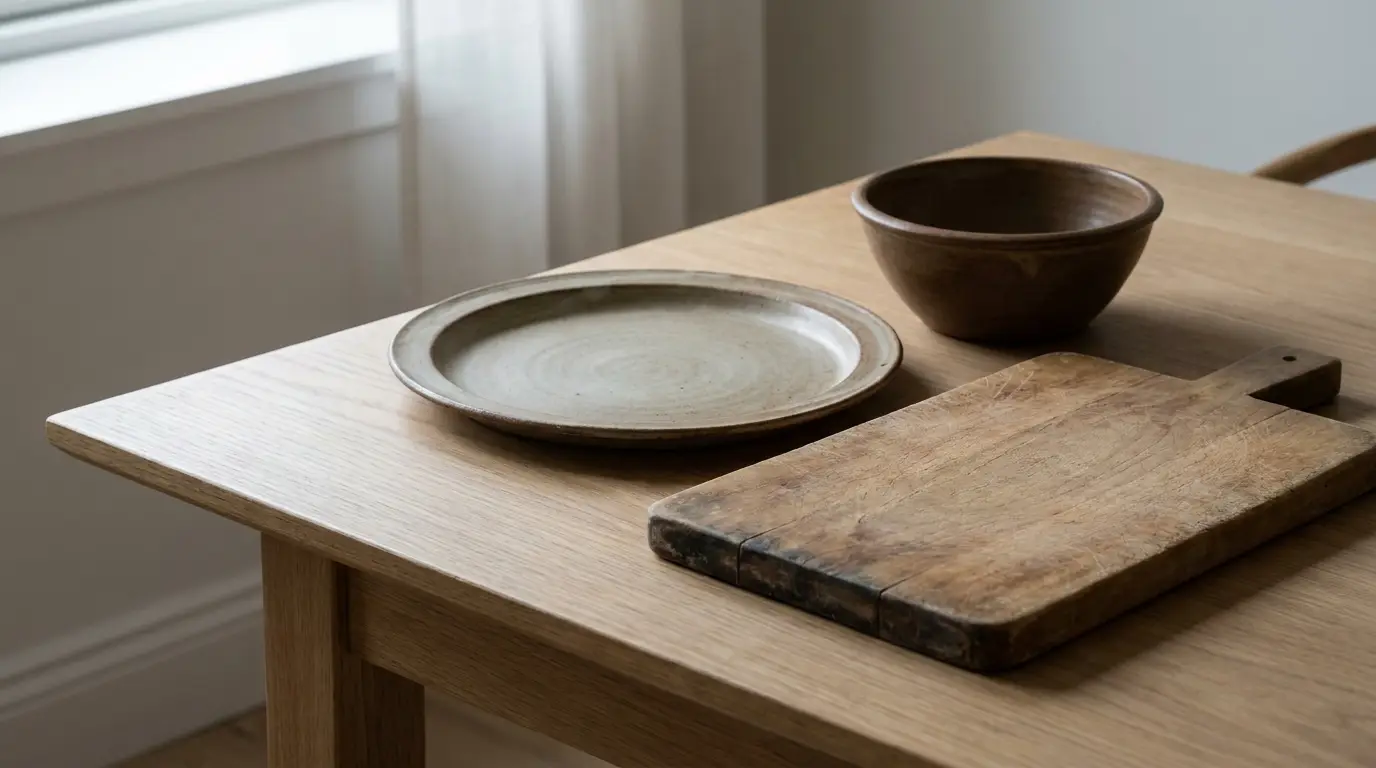
Large platters, deep serving bowls, and sturdy salad dishes earn their place quickly. Neutral finishes tend to work best because they complement almost any dinnerware or seasonal accent. Wood serving boards also carry a relaxed warmth that balances more formal table settings.
Think about how meals actually happen in your home. Families who love pasta nights benefit from wide bowls that hold generous portions. Hosts who enjoy weekend brunch might rely on tiered stands or cake plates. These pieces do not just serve food. They quietly shape the way people gather around the table.
Lighting That Brings The Whole Room Together
Once tableware returns to the cabinets, attention often shifts upward. Renovations frequently introduce new ceilings, beams, or architectural details that change the feel of the room. The right dining room lighting helps the entire space settle into its new identity.
A well chosen fixture anchors the table and defines the room’s mood. Some homeowners prefer a bold chandelier that acts as the visual centerpiece, while others lean toward softer pendant lighting that casts an even glow across the table. Either approach works when the scale feels balanced with the size of the dining table.
Warm lighting tends to flatter both food and people. It softens the space and encourages guests to linger long after the plates are cleared. Dimmer switches also make a quiet difference. Bright light during family dinners keeps things practical, while a lower glow turns the same room into a relaxed evening setting.
Add Texture With Linens And Table Details
A dining room rarely feels finished with plates and lighting alone. Texture brings warmth back into the room and makes the table feel inviting even when no one is sitting there.
Table runners, cloth napkins, and placemats introduce color without overwhelming the space. Natural fabrics like cotton and linen soften hard surfaces such as wood tables or stone flooring, which often become more prominent after renovations. The effect feels subtle but important, almost like adding a comfortable layer to the room.
Napkin rings, small vases, or a simple centerpiece bowl can rotate with the seasons while the main dinnerware stays consistent. That flexibility keeps the dining room feeling fresh throughout the year without constant redecorating.
A Dining Room Ready For Everyday Life Again
The final step in restocking a renovated dining room is the simplest one. Start using it. The space might look perfect after construction, but it truly comes back to life when plates clink, chairs scrape lightly across the floor, and someone asks for another helping of dinner.
A well stocked dining room does not shout for attention. It simply works. Plates are ready when guests arrive, serving bowls move easily around the table, and the lighting settles into a warm evening glow. When those pieces fall into place, the renovation finally feels complete.