If you’re thinking about building a new home, one of the first big decisions you’ll face is how it gets built.
Do you go the traditional route with a fully site-built home? Or take a more modern approach with a modular build?
At a glance, both options can deliver a high-quality result. But the way they’re constructed, the timelines involved, and the overall experience can be quite different. Understanding those differences early can save you time, money, and a fair bit of stress.
Let’s break it down in a practical, no-nonsense way.
What’s the Difference Between Modular and Site-Built Homes?
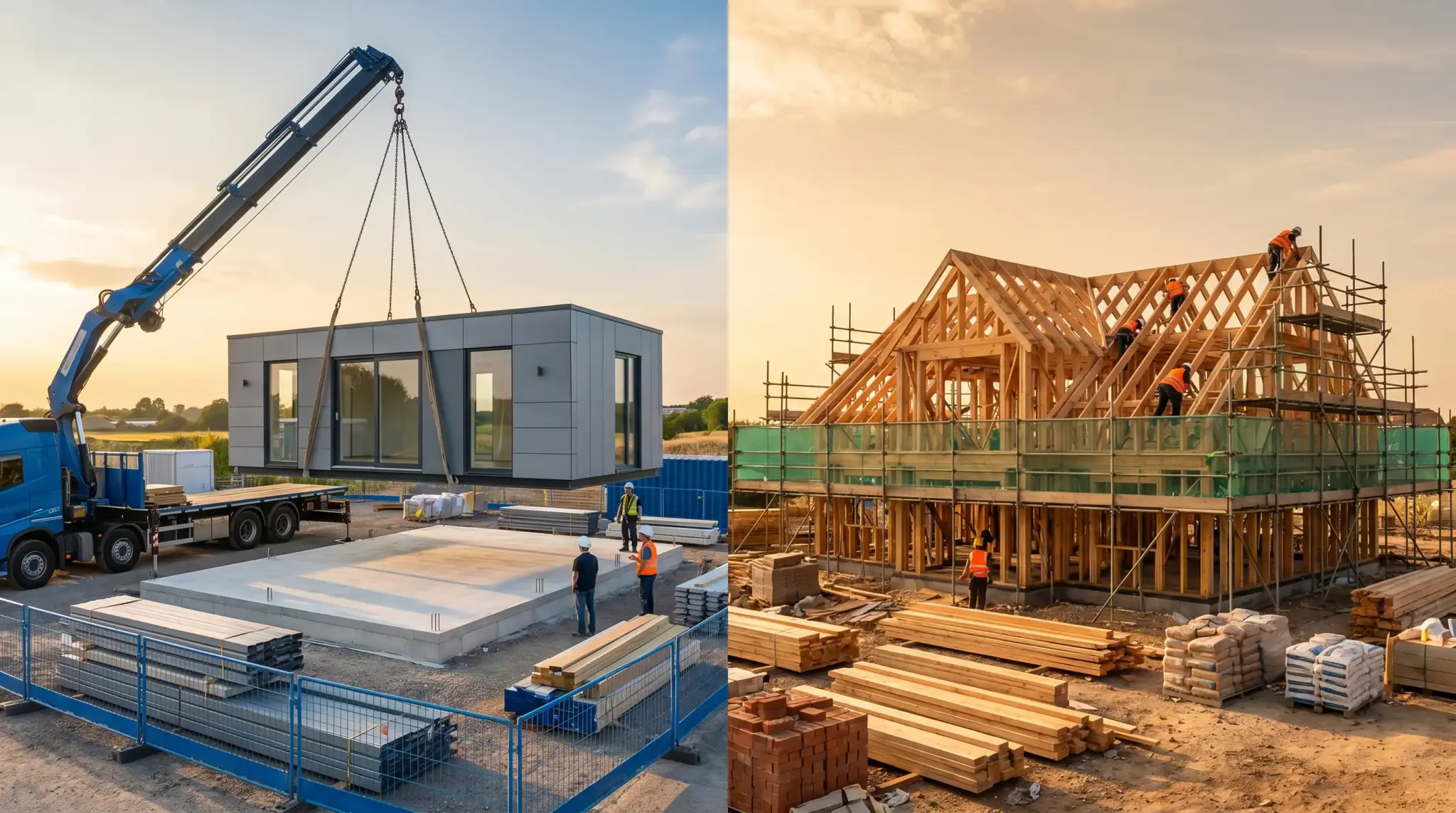
The core difference comes down to where construction happens.
- Site-built homes are constructed entirely on your property, from the slab right through to the final finishes.
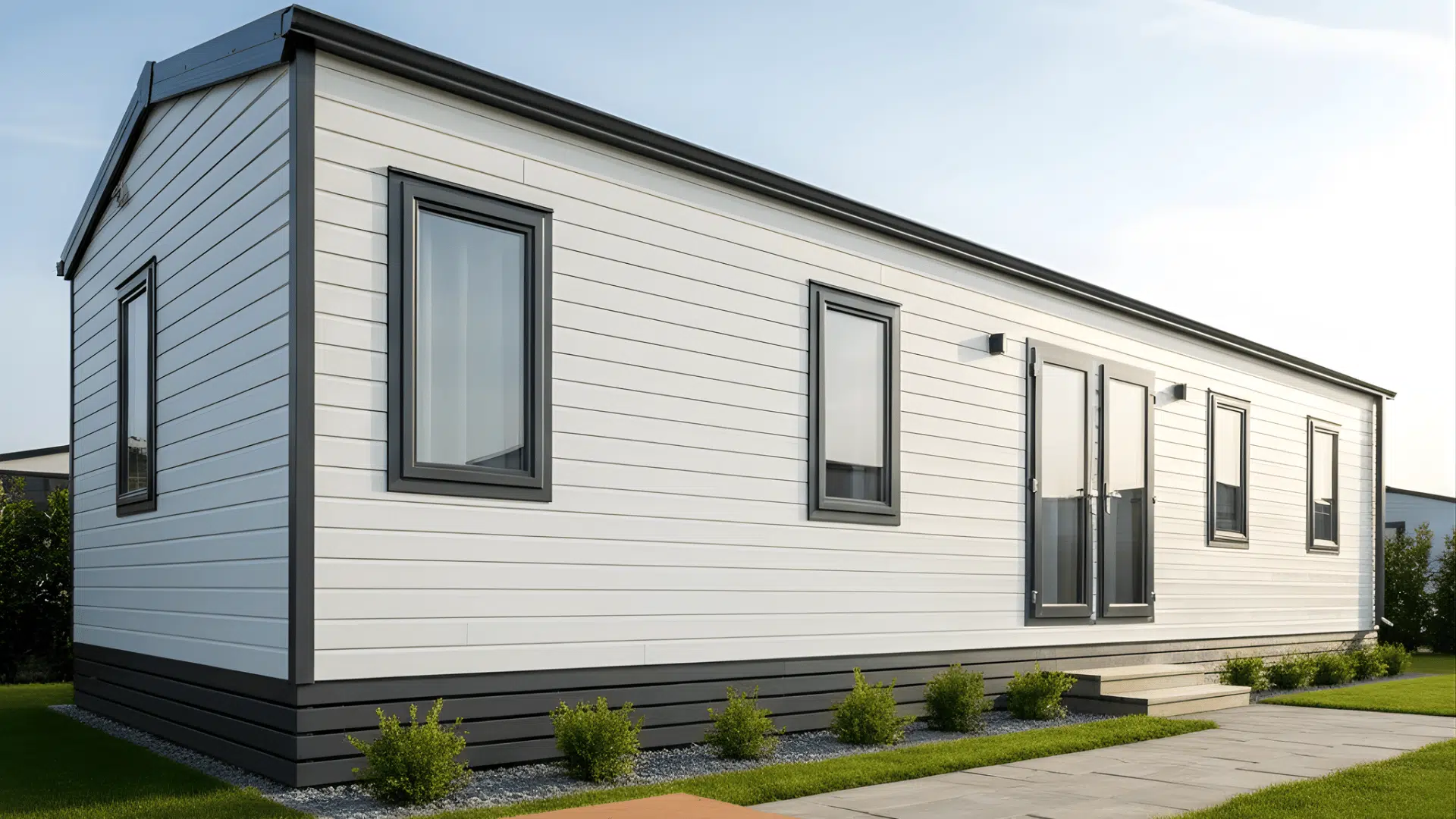
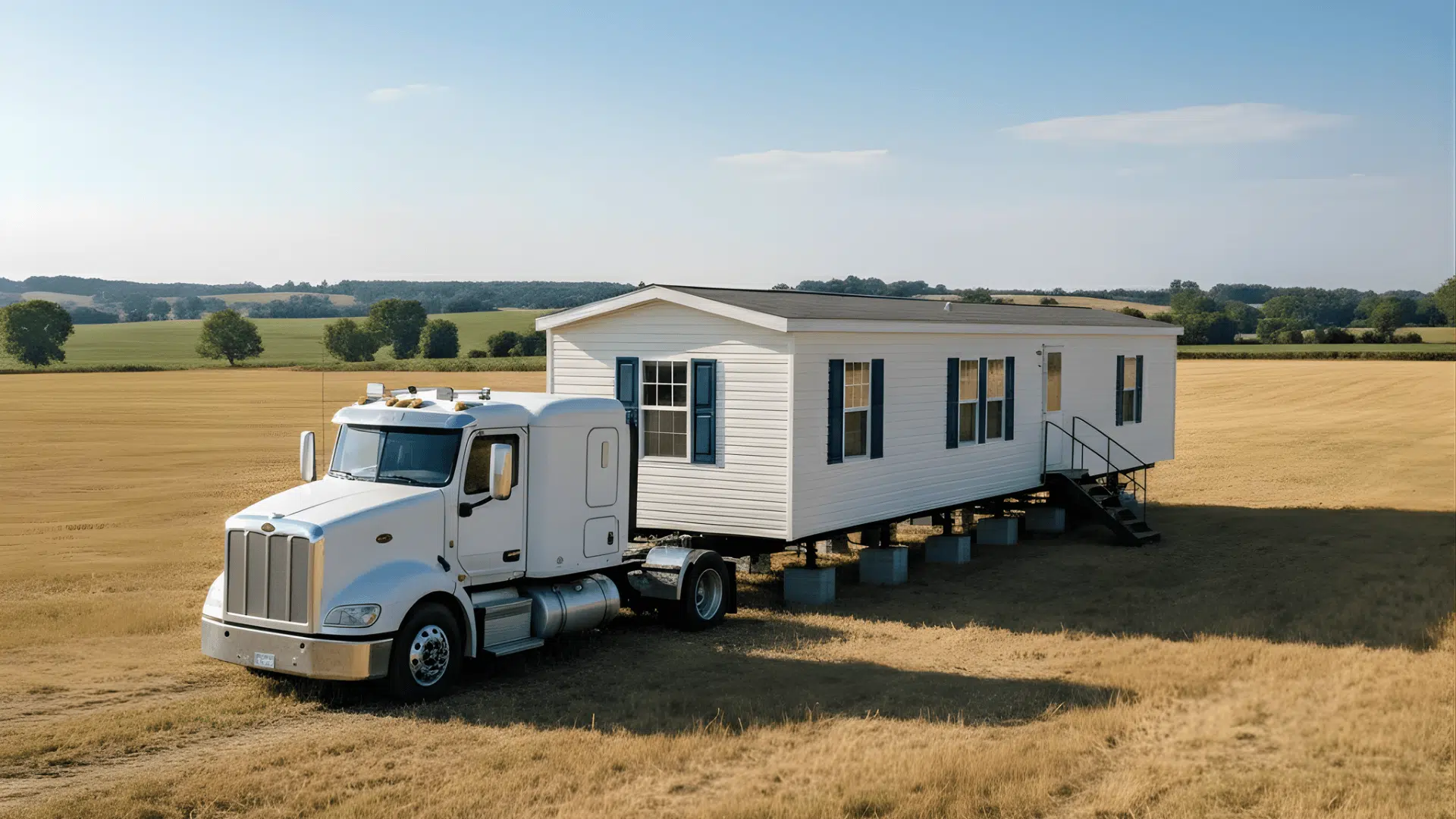
- Modular homes are built in sections (modules) inside a factory, then transported to your site and assembled.
By the time a modular home arrives on-site, a large portion of the work – often 80–90% – is already complete.
That shift in process has a ripple effect across almost every part of the build.
Build Time: Speed Vs Sequence
One of the biggest advantages of modular homes is speed.
With a traditional build:
- Work happens in sequence
- Trades rely on each other to finish stages
- Weather delays are common
With modular construction:
- Site preparation and home construction happen at the same time
- Factory conditions eliminate weather delays
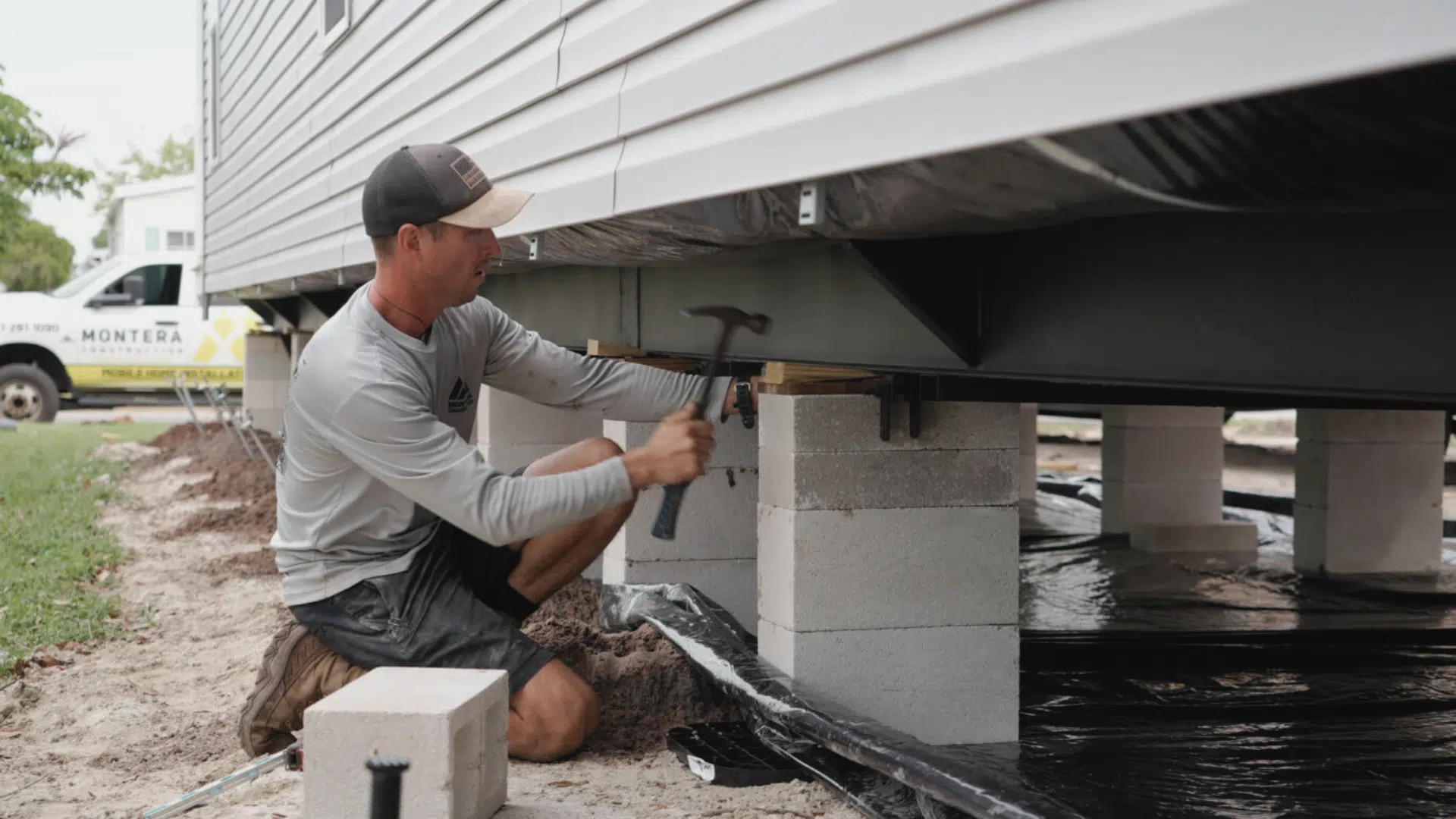
- Installation on-site can take just a few days
In most cases, modular homes are completed in weeks, while site-built homes often take months or longer.
Cost: Predictability Vs Variability
Cost is always a key factor, and this is where things get interesting.
Modular Homes
- More predictable pricing due to controlled factory processes
- Less risk of budget blowouts
- Reduced labour costs due to efficiency
Site-Built Homes
- Greater exposure to delays and cost increases
- Labour and material costs can fluctuate
- More variables during construction
That said, highly customised modular homes can still push costs up, so it’s not always a case of “cheaper” – but it is often more controlled.
Quality Control: Controlled Vs Exposed Environments
Quality isn’t just about materials – it’s also about conditions.
Modular Homes
- Built indoors in a controlled environment
- Protected from weather during construction
- Consistent quality checks throughout the process
Site-Built Homes
- Built outdoors in changing conditions
- Materials exposed to weather
- Quality can vary depending on site conditions and timing
This doesn’t mean site-built homes are lower quality – but modular builds tend to benefit from more consistent conditions.
Design Flexibility: Custom Vs Streamlined
Design flexibility is often where people assume modular homes fall short.
Site-Built Homes
- Virtually unlimited customisation
- Easier to accommodate unique or complex designs
Modular Homes
- Typically based on pre-designed layouts
- Customisation is possible, but within certain constraints
- Designs are often optimised for efficiency and transport
That said, modern modular builders have come a long way. Companies like DuaLiving, for example, offer a range of adaptable designs that balance flexibility with the efficiency benefits of prefabrication.
For most homeowners, the available options are more than sufficient – especially when compared to the time and cost savings.
Site Impact: Disruption Vs Efficiency
Another key difference is how much your property is affected during construction.
Modular Homes
- Shorter on-site construction period
- Less noise and disruption
- Reduced waste on-site
Site-Built Homes
- Longer construction timelines
- Ongoing presence of trades and materials
- More site disturbance
If you’re building in a tight space or already living on the property, this can be a major consideration.
Sustainability: Waste and Efficiency
Sustainability is becoming a bigger factor in building decisions.
Modular Homes
- More efficient use of materials
- Reduced construction waste
- Better control over energy use during production
Site-Built Homes
- More material waste due to on-site cutting and errors
- Less control over resource efficiency
While both methods can incorporate sustainable materials, modular construction often has an edge in reducing waste.
Transport and Access Considerations
One area where modular homes can be more complex is logistics.
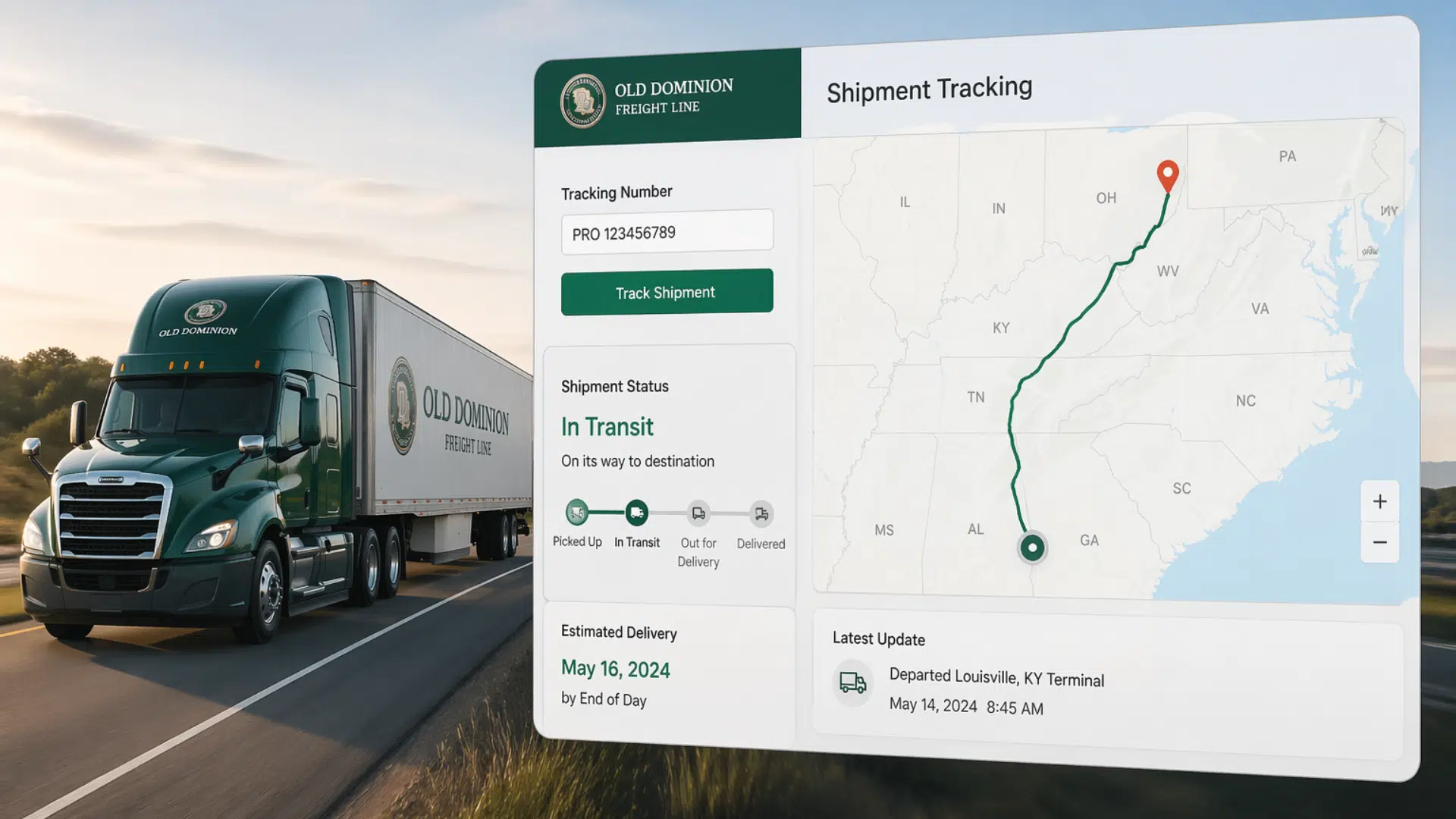
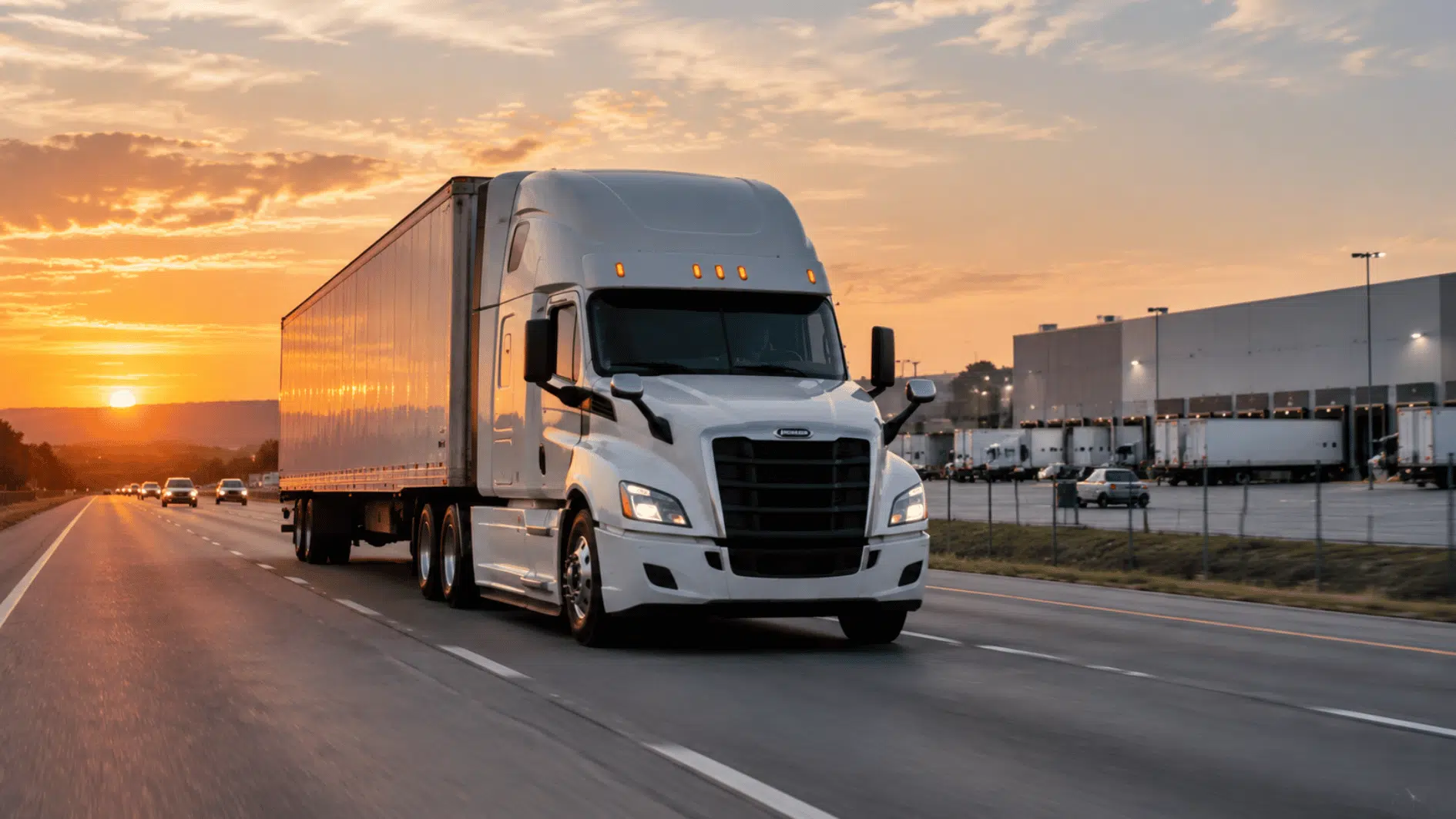
- Modules need to be transported to site
- Access for trucks and cranes is required
- Difficult sites can increase installation complexity
Site-built homes don’t have this constraint, which can make them more suitable for remote or hard-to-access locations.
Pros and Cons at a Glance
Modular Homes
Pros
- Faster build times
- More predictable costs
- Consistent quality control
- Less on-site disruption
Cons
- Transport and access requirements
- Some design limitations
- Upfront planning is critical
Site-Built Homes
Pros
- Maximum design flexibility
- No transport constraints
- Easier to adapt during construction
Cons
- Longer timelines
- Greater risk of delays
- Potential for cost overruns
Which Option Is Right for You?
There’s no one-size-fits-all answer.
If you value:
- Speed
- Cost certainty
- Minimal disruption
A modular home is often the better fit.
If you prioritise:
- Complete design freedom
- Complex architectural features
- Unique site conditions
A site-built home may make more sense.
Final Thoughts
The gap between modular and site-built homes has narrowed significantly in recent years. What was once seen as a compromise is now, in many cases, a smarter and more efficient way to build.
Ultimately, it comes down to your priorities. If you’re looking for a streamlined process with fewer surprises, modular construction offers a compelling alternative. But if you want total control over every detail, the traditional approach still has its place.
Either way, understanding the differences upfront puts you in a much stronger position to make the right call for your project.