Moving to a new home can be exciting, but it often comes with a surprising amount of stress, especially for families. Between packing boxes, coordinating schedules, and getting kids and pets settled, small details are easy to overlook.
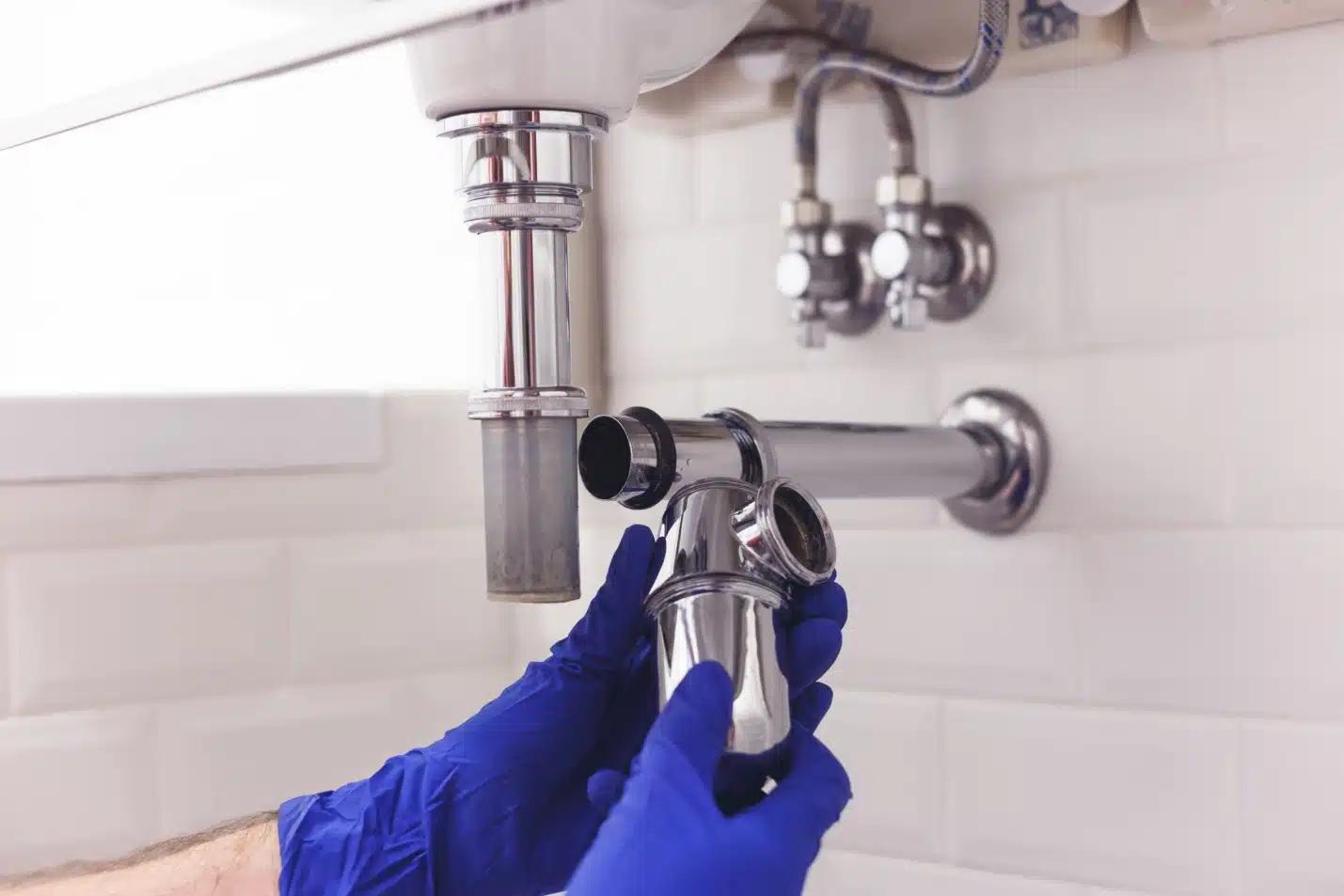
Even minor issues, like unexpected pests or last-minute utility problems, can create big headaches. Hiring a reliable local exterminator before moving in can prevent unwelcome surprises and ensure your new home is safe and comfortable from day one. Paying attention to these often-overlooked aspects early can make the transition much smoother.
Preparing Your New Home Before the Move
Taking time to prepare your new home before moving in can save your family both stress and time. Simple inspections and proactive steps can prevent common post-move headaches and create a safe, welcoming environment.
Inspect for Safety and Comfort
- Check alarms and safety devices: Test smoke detectors, carbon monoxide alarms, and fire extinguishers. Ensuring these are working properly protects your family and prevents potential emergencies.
- Child-proofing and pet-proofing: Secure cabinets, cover outlets, and add safety gates where needed. This helps protect the most vulnerable members of your household from accidents.
- Pest prevention: Inspect for signs of pests such as ants, rodents, or termites. Early prevention keeps your home hygienic and stress-free.
Utilities and Services Setup
- Arrange utilities in advance: Ensure electricity, water, gas, and internet are activated before move-in day. This avoids frustrating delays and keeps daily life running smoothly.
- Set up regular services: Schedule trash collection, mail forwarding, and grocery deliveries. Having these essentials in place ensures the household runs without interruptions.
- Local services and healthcare: Familiarize yourself with nearby schools, doctors, and pharmacies. Being prepared ahead of time avoids scrambling for important services after moving.
Organizing the Move Efficiently
Good organization can make your move faster, safer, and less stressful. By planning ahead, you can avoid last-minute chaos and keep everyone calm during the transition.
Decluttering and Packing Smartly
- Sort and donate items: Go through belongings and give away what you no longer need. This reduces clutter, makes packing easier, and gives your family a fresh start.
- Pack essentials separately: Keep important items like documents, medications, and everyday necessities in a dedicated bag. Having these on hand saves stress during the first few days.
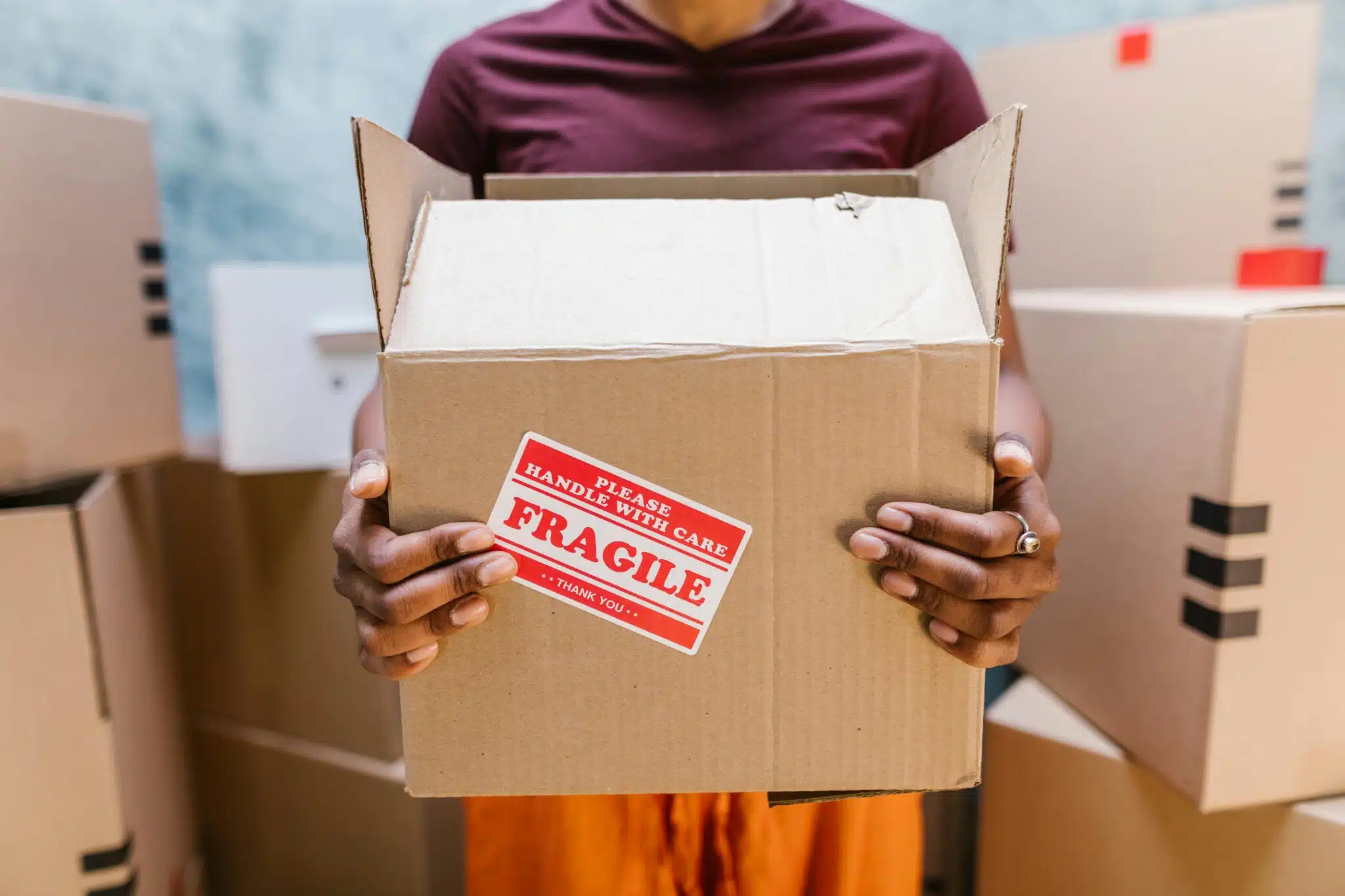
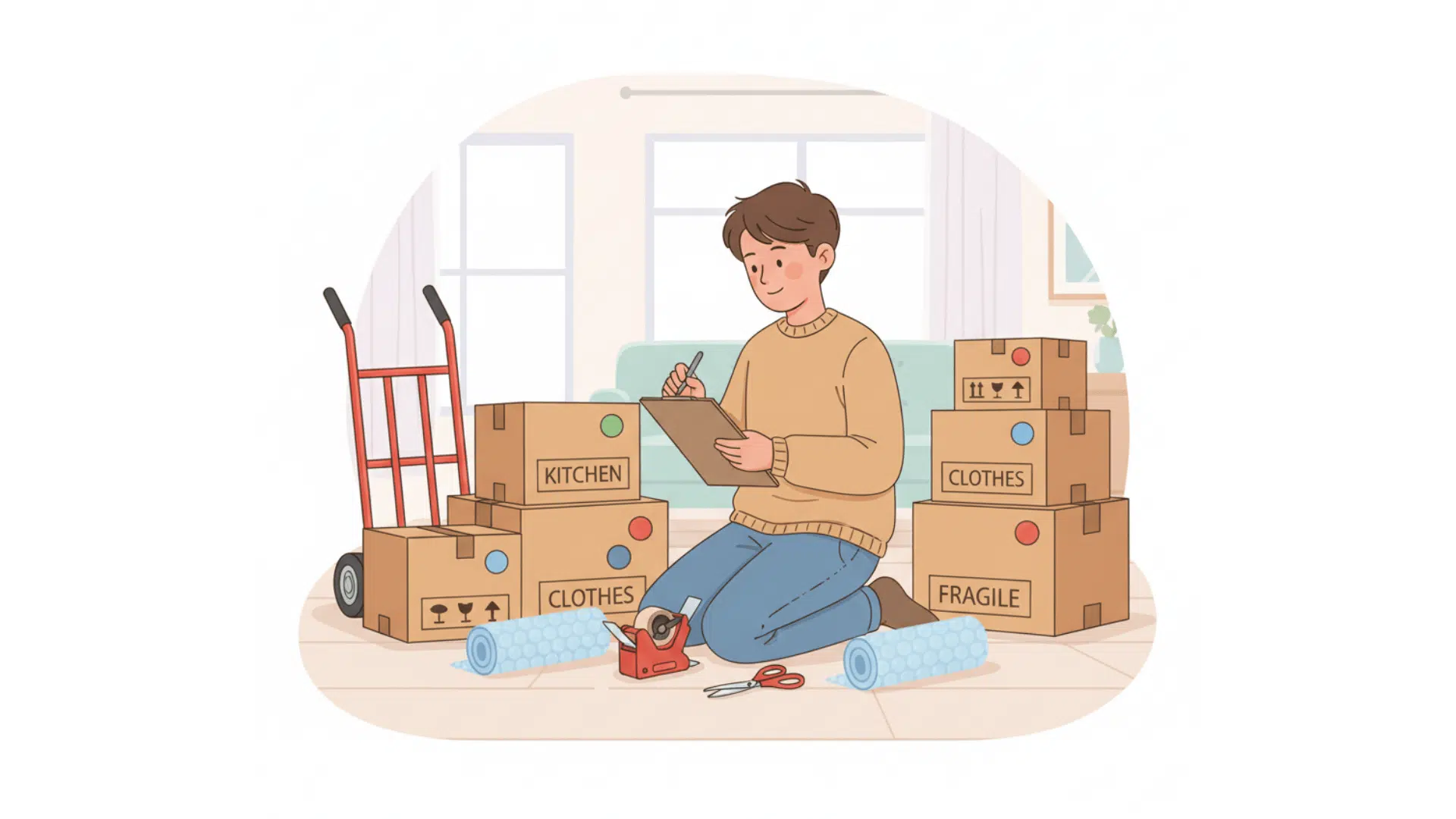
- Label boxes clearly: Mark boxes by room and content to streamline unpacking. This helps family members find items quickly and keeps the process organized.
Planning for Children and Pets
- Maintain familiar routines: Try to keep meal, sleep, and play schedules intact. This stability reduces stress and anxiety for kids and pets.
- Create a moving day kit: Pack favorite toys, snacks, and comfort items. These essentials can keep children and pets occupied while unpacking continues.
- Safe zones: Designate a room or area where children or pets can stay out of the moving chaos. This ensures safety and peace of mind for everyone.
Neighborhood and Community Considerations
Getting to know your new neighborhood is just as important as settling into the house itself. Understanding your surroundings helps your family adjust faster and enjoy the new location.
Getting to Know Your New Area
- Explore local amenities: Check out nearby parks, grocery stores, and medical facilities. Knowing your area makes daily life more convenient and less stressful.
- Transportation and commuting: Review bus routes, traffic patterns, and bike paths. This helps plan routines and reduces surprises during the first few weeks.
- Community rules and services: Learn about trash pickup schedules, local ordinances, and neighborhood guidelines. This knowledge prevents misunderstandings and ensures smooth integration.
Pest Prevention and Maintenance
- Routine inspections: Check gutters, roofs, and crawl spaces regularly. Preventative maintenance helps avoid long-term issues that could disrupt family life.
- Seal entry points: Close gaps around doors, windows, and pipes to prevent pests from entering. Small steps like this reduce the risk of infestations.
- Professional support: Engaging professional pest management early helps keep your home free of pests. It provides peace of mind and ensures a safe environment for your family to enjoy.
Final Steps for a Stress-Free Transition
Even after moving day, a few final actions can make your new home feel settled and comfortable. Taking time to organize these steps ensures your family can focus on creating new memories instead of handling preventable problems.
Updating Important Records
- Notify essential organizations: Update addresses for banks, insurance policies, and subscriptions. This ensures nothing is missed and helps maintain continuity in daily life.
- Inform friends and family: Share your new contact information to stay connected. This also makes visits and support easier during the transition.
- Medical and school updates: Update your healthcare providers and schools with your new address. This prevents disruptions in care and education for your family.
Settling In Gradually
- Unpack in stages: Start with essentials and then move on to less urgent items. This approach reduces stress and helps your family feel organized faster.
- Create routines and spaces: Assign places for belongings and establish daily routines. A clear structure promotes comfort and reduces confusion in the new environment.
- Connect with neighbors: Introduce yourself to neighbors and explore community events. Feeling welcomed in your new area accelerates the sense of home.

Creating a Positive Family Experience in Your New Home
Every move brings its own set of challenges, but with careful planning, the transition can become a positive experience for the whole family. The key is to focus on creating a sense of stability and comfort from the very beginning. Take the time to unpack gradually, setting up essential spaces first, like bedrooms, the kitchen, and living areas. This allows your family to settle in without feeling overwhelmed by boxes and clutter.
Establishing daily routines early also helps children and pets adjust more quickly. Simple routines for meals, playtime, and bedtime provide a sense of familiarity in a new environment. Encourage family members to personalize their spaces, adding familiar items and décor to make the new house feel like home.
Getting to know your neighborhood can also help ease the transition. Explore local parks, shops, and community centers together. Meeting neighbors and participating in local events builds connections and creates a sense of belonging.
Most importantly, approach the move with patience and a positive attitude. Celebrate small milestones, like finishing unpacking a room or discovering a favorite local spot. By focusing on comfort, connection, and routine, you turn the move into an opportunity for your family to create lasting memories and start this new chapter with confidence and excitement.